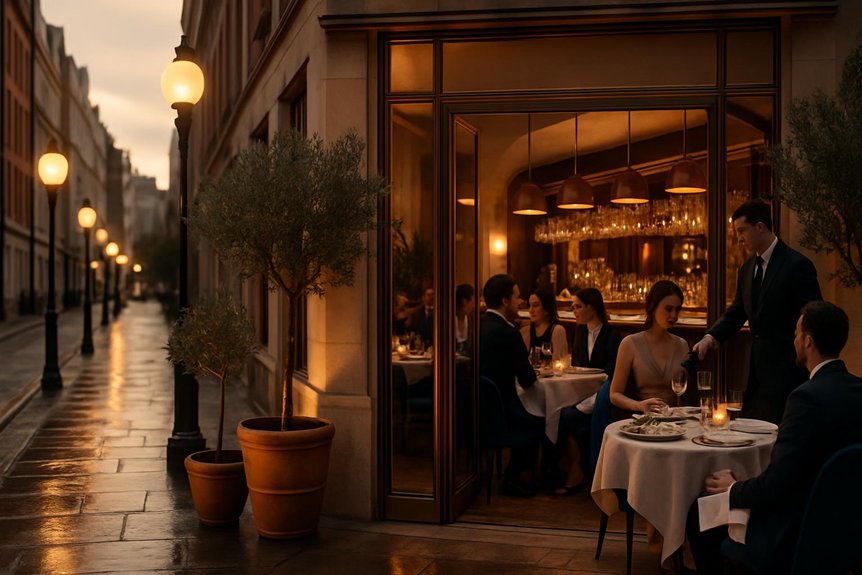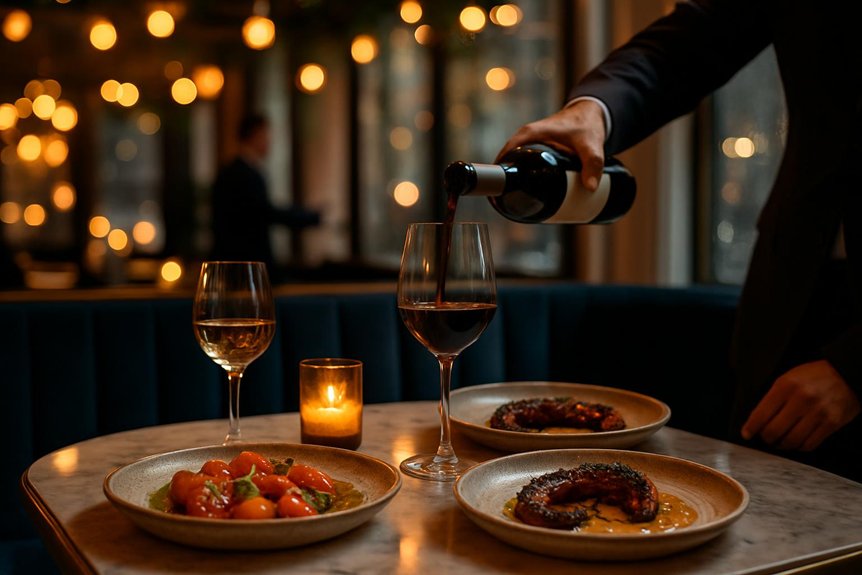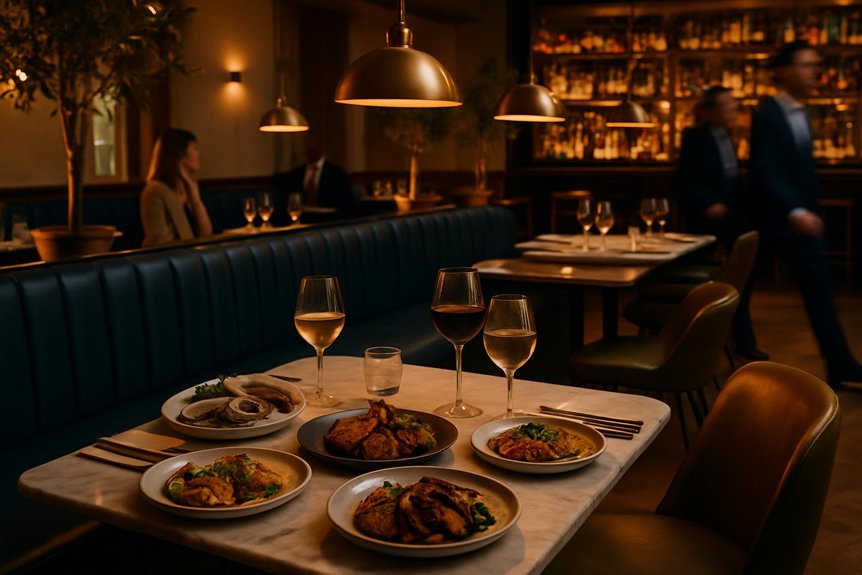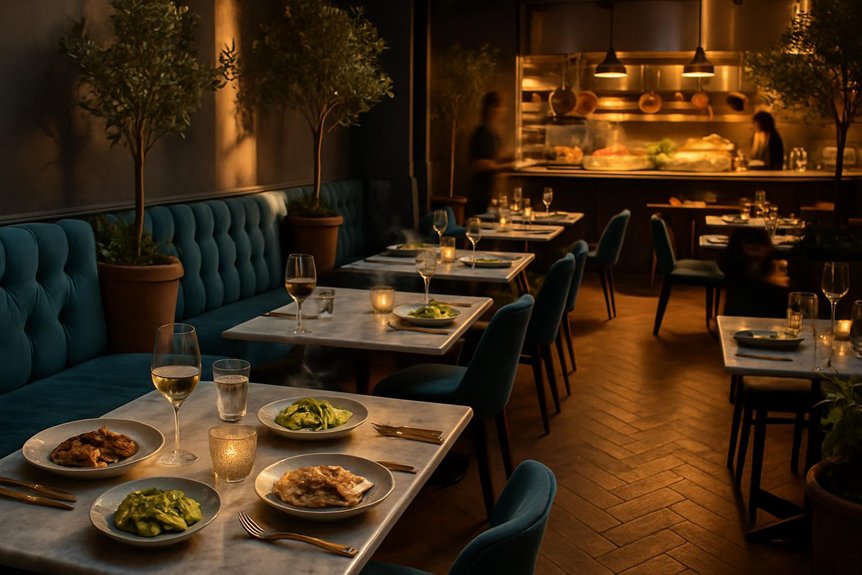

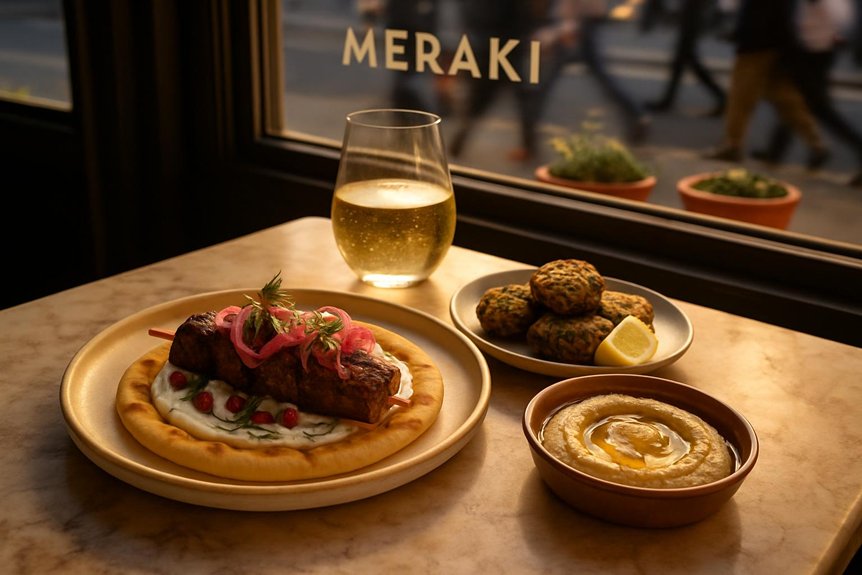
Meraki sits just off Goodge Street, offering a Greek‑Mediterranean lunch that feels polished yet unforced. The kitchen leans on seasonal produce, clean acidity, and precise grilling. Mezze arrive bright and herb‑forward; seafood lands smoky and tender. Midweek, the room hums softly, ideal for unhurried sharing and crisp whites. Prices reward careful ordering, and timing matters. What to choose first, and how to pair it, can shape the entire midday pause.
Why Meraki Is a Standout for Lunch in Fitzrovia
Why does Meraki rise above Fitzrovia’s crowded lunch scene? It treats lunch as a focused showcase of Greek-Mediterranean craft, leaning on local ingredients to keep flavors bright and seasonal.
The kitchen balances simplicity and finesse: crisp salads with herb-lifted vinaigrettes, charcoal-kissed seafood, and tender lamb framed by citrus and olive oil. Bread arrives warm, oils are peppery and clean, and plating stays restrained, signaling confidence rather than ornament.
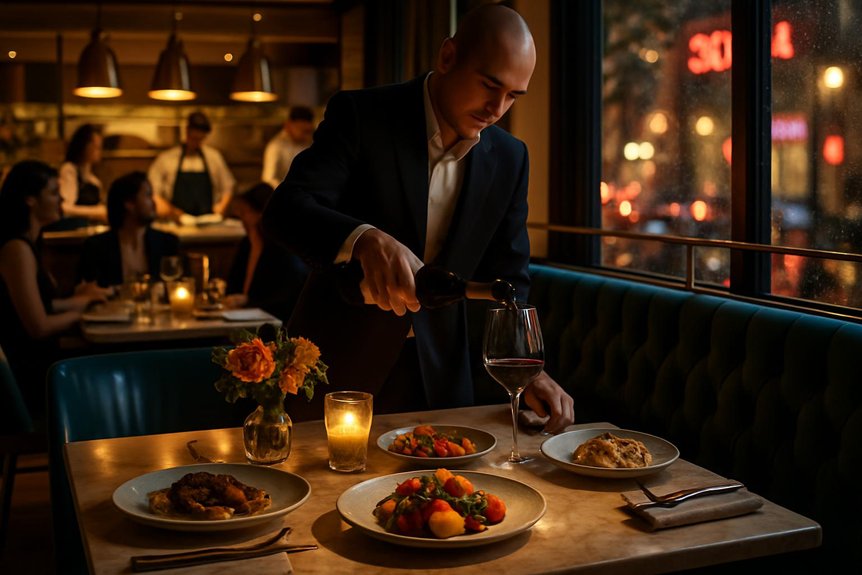
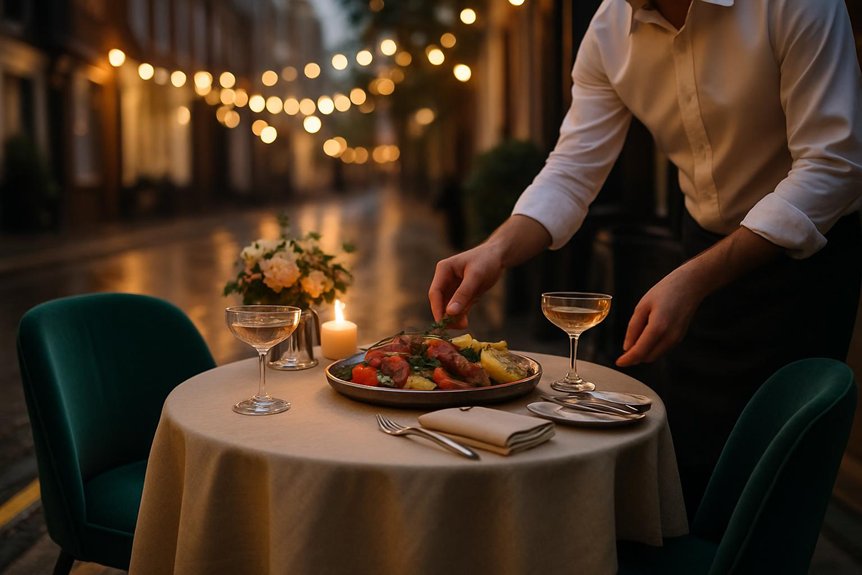
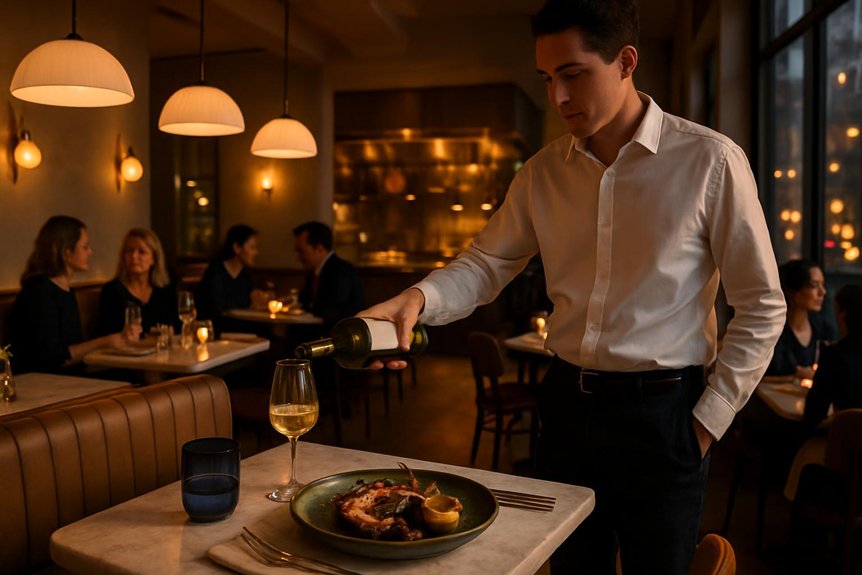
Service is measured and informed, guiding choices without intrusion. The dining ambiance blends sunlit calm with polished detail—stone, wood, and soft blues—creating a composed setting that supports conversation and pace.
Pricing matches quality without posturing, and the menu edits smartly, avoiding bloat. Consistency, not hype, defines the experience, making Meraki a reliable, standout lunch. The exclusive tasting menus offered at Meraki present a gourmet journey, emphasizing the artistry of the culinary team and the evolving seasonal ingredients.
When to Go: Best Times and Midday Vibes
Although lunch service hums steadily most days, the room feels most composed between 12:15 and 1:00 p.m., before peak tables fill. This window favors relaxed conversation, unhurried service, and clear attention from the floor team.
By 1:05, bookings surge and walk-ins queue, nudging noise upwards.
For timing tips, aim for an early table if discretion and swift pacing matter, or arrive just after 2:00 p.m. for a softer landing as offices empty.
Midday crowds skew professional midweek, with a livelier social tilt on Fridays.
Solo diners find bar seats easiest before 12:30. Patio or window spots go first; request them when confirming.
On rainy days, the room fills faster; fair weather disperses arrivals, smoothing flow and shortening waits.
With its modern transformation of classic offerings, Meraki ensures a memorable experience at any time of day.
Start Strong: Dips, Pita, and Small Plates
A lunch here often opens with a silky tzatziki swirl that sets a cool, garlicky baseline. Warm charred pita arrives with just enough smoke to complement and scoop. A zesty meze medley rounds it out, offering sharp contrasts and quick bites to share. Experience the vibrant atmosphere at Meraki Restaurant, where dining and dancing create a unique nightlife experience.
Silky Tzatziki Swirl
Even before mains are considered, the table earns attention with a chilled bowl of tzatziki, its surface glossy with olive oil and a deft dill scatter. The first spoonful shows restraint and intention: grated cucumber wrung dry, garlic tempered, yogurt thick yet light.
Cultural influences thread through the bowl—Ionian brightness, Aegean herb notes—while modern culinary techniques keep the texture pristine, free from watery run-off.
Acidity arrives in measured drops of lemon; salinity from a discreet pinch that lifts rather than shouts. The olive oil is peppery, lending depth without masking the dairy’s clean tang. Dill whispers; mint appears as a cool afterthought.
Each element has a role, unified by temperature control and knife-work. It’s a quiet statement of balance, revitalizing, poised, and assured.
Warm Charred Pita
How does heat turn simple dough into invitation? At Meraki, the answer arrives as warm charred pita, edges kissed by the grill, center pliant and faintly sweet. The surface freckling signals Pita craftsmanship: timing, hydration, and a swift pull from flame before brittleness sets in.
A Mediterranean aroma rises—wheat, smoke, a hint of olive oil—suggesting comfort without heaviness.
Served quickly, the bread becomes a quiet stage for texture: blistered bubbles give snap, while the crumb remains elastic and receptive. Salt is measured, allowing grain flavor to speak. Portions are modest, encouraging repeated reaches rather than a single heavy bite.
The pita warms the table’s rhythm, bridging conversation and appetite, and proving that restraint, applied with skill, can feel like generosity.
Zesty Meze Medley
From that warm charred pita, the table widens into a brisk meze spread, calibrated for momentum. Bowls arrive in quick succession: silken hummus glossed with olive oil, a lemon-bright taramasalata, and smoky aubergine whipped to a satin dip.
Each bite shows restraint and confidence, leaning on Mediterranean spices rather than flash.
Crisp zucchini fritters land hot, their edges lacy, paired with dill-stung yogurt. Grilled halloumi, striped and squeaky, carries thyme and honey’s hush.
Vine leaves are tight and cool, rice scented with citrus and mint, the kind of balance born from Traditional recipes.
A tomato-cucumber salad cuts clean, its brine and crunch resetting the palate. Everything is portioned for pace: scoop, share, move on—momentum held, appetite sharpened.
From the Grill: Seafood Highlights Worth Ordering
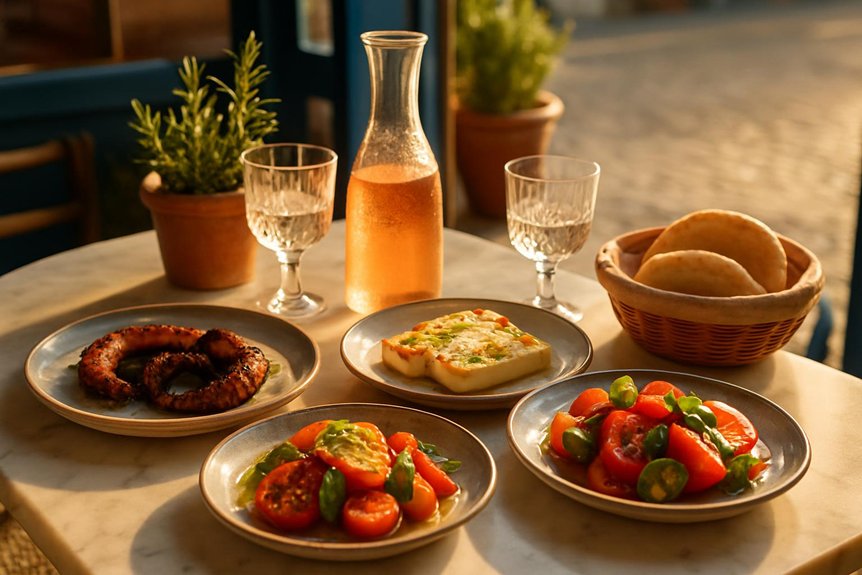
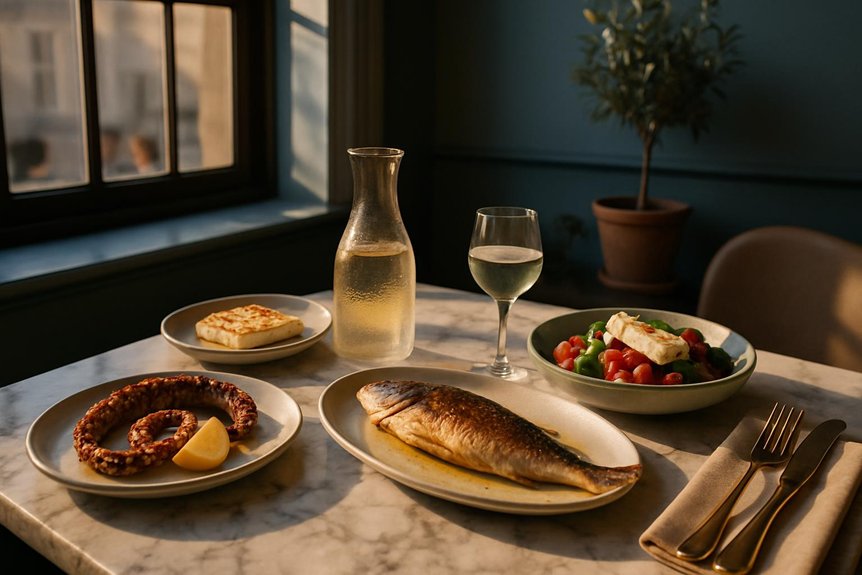
From the grill, attention turns to two standouts. Charred octopus arrives tender with smoky edges, balanced by bright citrus and herb accents.
Grilled seabass keeps it simple: crisp skin, clean seasoning, and a pure, briny sweetness.
Charred Octopus Perfection
Although the grill section brims with contenders, the charred octopus stands out for its balance of smoke, texture, and acidity. The curl of tentacle arrives lacquered with char, yielding to a tender bite that suggests slow pre-cooking before a decisive kiss of flame.
A citrus-forward dressing brightens the richness, while herbs and a faint chili warmth keep the palate alert.
This plate reads as a respectful nod to Mediterranean regional specialties and broader culinary traditions without showy embellishment. The seasoning is restrained, allowing clean marine sweetness to carry.
Accents—perhaps caper salinity and a whisper of olive oil—are purposeful, not decorative. It satisfies a lunch appetite without heaviness, pairs well with crisp whites, and rewards those seeking clarity of flavor over complexity for its own sake.
Grilled Seabass Simplicity
Attention shifts naturally from the octopus to a grilled seabass that underscores the kitchen’s restraint. The fillet arrives with crisped skin, barely kissed by smoke, its flesh pearly and moist. A squeeze of lemon and a thread of olive oil do the work of sauces, letting salinity and sweetness register cleanly.
A scatter of wild oregano and shaved fennel introduces herbal lift and aniseed crunch, nothing more.
The dish aligns with Meraki’s calm confidence: clear flavors, precise heat, no garnish for garnish’s sake. It also anchors the table for mixed parties—those leaning toward vegetarian options can pair sides like charred courgettes or tomato salad without feeling sidelined.
When the plates clear, the suggestion skews classic: segue to traditional desserts—perhaps syrup-soaked walnut cake—to close the arc.
Seasonal Plates That Let Freshness Shine
While trends come and go, the plates that anchor lunch on Goodge Street lean on what’s at peak ripeness. Here, cooks let produce lead, building dishes around crisp leaves, bright herbs, and clean, briny notes. Technique stays precise but restrained, allowing artisanal ingredients to carry the flavor.
A tomato salad arrives thick with perfume, its acidity lifted by grassy oil and a whisper of sea salt.
Next, courgettes are shaved thin, glossed in lemon, and punctuated by young feta; nothing extraneous, everything purposeful.
Even warm grains gain lift from mint, shaved fennel, and citrus zest.
The rhythm continues into seasonal desserts: a fig tart with flaky pastry, or yogurt set with thyme honey and stone fruit. Freshness dictates, and the kitchen listens.
Sips to Match: Refreshing Wines and Spritzes
To keep pace with the market-fresh plates, the list favors bright, low-alcohol pours and crisp spritzes that reset the palate. Citrus-led whites, saline rosés, and gently sparkling options keep textures lively without overwhelming delicate herbs, grilled seafood, or raw salads.
The sommelier leans on precise wine pairings and breezy spritz varieties to underline minerality and lift seasonal produce.
- Choose a zesty Assyrtiko or Picpoul to sharpen crudo, where lemon and sea spray echo the dish’s brightness.
- Match grilled vegetables with a chilled, light-bodied red—Frappato or Zweigelt—served slightly cool for snap and spice.
- Pair herbed chicken with a Provençal rosé; its strawberry and thyme notes bridge savory and fresh.
- Opt for spritz varieties—bitter orange, bergamot, or basil—over rocks to cleanse between bites.
Smart Ordering for a Share-Friendly Feast
Even with an ever-shifting menu, strategic ordering turns a small table into a flexible tasting. The savvy move is to start with complementary textures: one bright, raw or marinated plate; one warm, crispy bite; one vibrant salad.
From there, add a single center-of-table protein and a vegetable-forward dish, sized for sharing. This staggered mix curbs food waste and keeps pacing nimble.
Clear communication matters. Note dietary restrictions early, then build a matrix of dishes everyone can enjoy, avoiding duplicate flavors or allergens.
Ask for extra plates and half portions where possible; split breads and spreads to prevent over-ordering. Prioritize items that travel well between bites—grilled skewers, robust dips, and citrusy greens—so the table stays balanced.
Finish with one shared sweet, not three.
Quick Bite vs. Leisurely Lunch: Sample Menus
Although Goodge Street tempts with lingering options, two clear paths suit most midday plans: a swift, 25-minute graze built from one crisp salad, a warm crunchy bite, and a handheld or skewer; or a slower, 60–90 minute spread that layers a raw starter, shared bread and dip, a centerpiece protein, a vegetable plate, and a single dessert.
The quick set favors momentum—think fennel-citrus salad, fried courgette chips, then a souvlaki wrap. The leisurely route rewards pacing: sea-bream crudo, olive-oil flatbread with taramasalata, lamb shoulder, charred broccoli, and lemon semifreddo.
Timing remains key, as does table etiquette—share plates clockwise, pause knives when still grazing, and signal courses clearly.
- Announce dietary accommodations before ordering.
- Choose compatible textures.
- Share sauces sparingly.
- End with mint tea.
Price Pointers and How to Stretch Your Budget
While Goodge Street can skew pricey at lunch, a few habits keep costs in check: scan blackboard specials first, split one premium plate and bulk out with vegetable sides, and favor house breads and dips over multiple starters.
Observant diners identify affordable options by asking for set-lunch pricing and confirming portion sizes before ordering. Water on the table, not bottled, trims the bill quietly. Two small plates can outvalue a single large main if they add protein and greens without surcharge.
Timing matters: early or late seatings sometimes carry quieter-room incentives or swift-service menus.
Budget tips also include sharing desserts instead of individual ones, skipping cocktails in favor of carafes, and watching service charges. Loyalty to a favorite spot earns staff guidance on best-value picks.
Conclusion
In the end, Meraki rewards those who come to share, to savor, to slow down. It celebrates smoke and citrus, herbs and heat, sparkle and snap. It invites midweek calm and off-peak glow, crisp whites and breezy spritzes, grilled octopus and gleaming seabass. It values season over show, clarity over clutter, intention over excess. For a lunch that feels polished yet easy, generous yet precise, Meraki proves that simple done superbly is simple done best.