
Sunday at Meraki moves with quiet purpose. Knives glide through blushing beef, potatoes crackle in olive oil, and thyme laces the air. The team keeps a steady cadence—season, carve, plate, repeat—while Greek touches lift classic comfort. Lemon zest brightens gravy, oregano whispers over greens, and timing rules the pass. It feels both familiar and sharpened, as if tradition learned a new language. What happens when the rush hits and the ritual is truly tested?
The Ritual of Sunday: Craft, Cadence, and Community
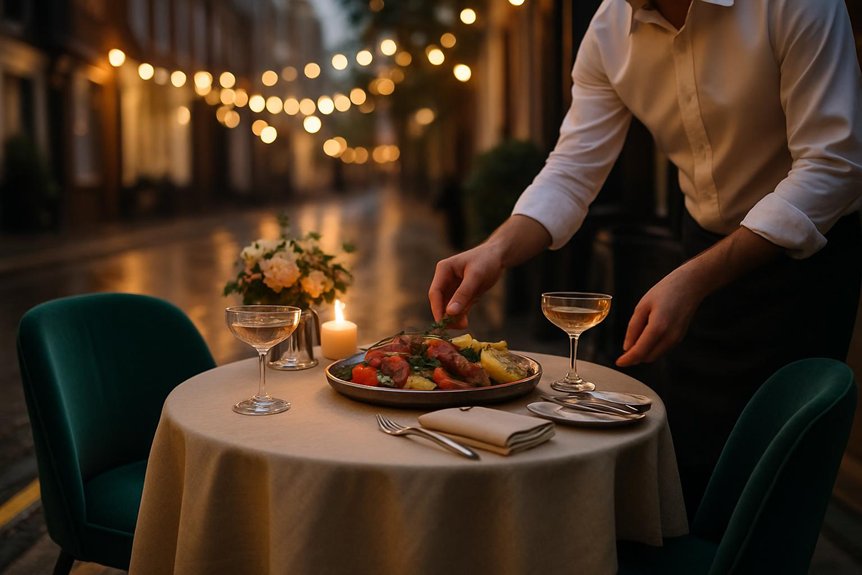
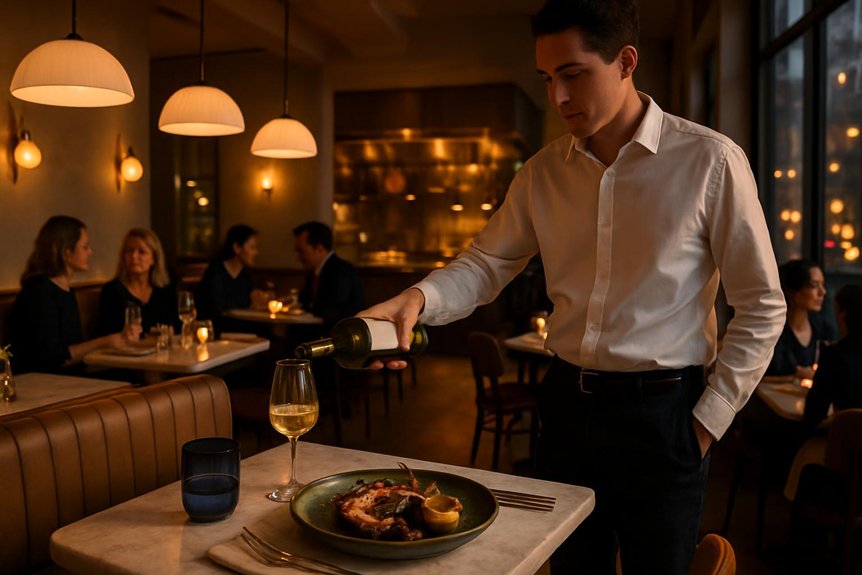
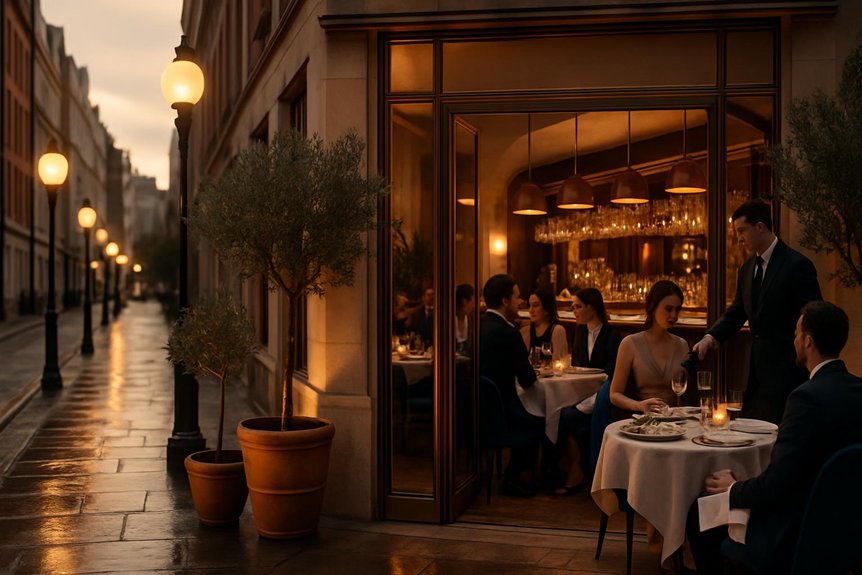
How does a city slow its pulse without stopping? In Meraki’s dining room, Sunday arranges itself like a measured score: doors open to soft light, tables set with restrained confidence, service pacing calibrated to conversation.
The ritual honors craft without spectacle—gravy poured with intent, greens arriving crisp, and roast slices cut to a quiet rhythm.
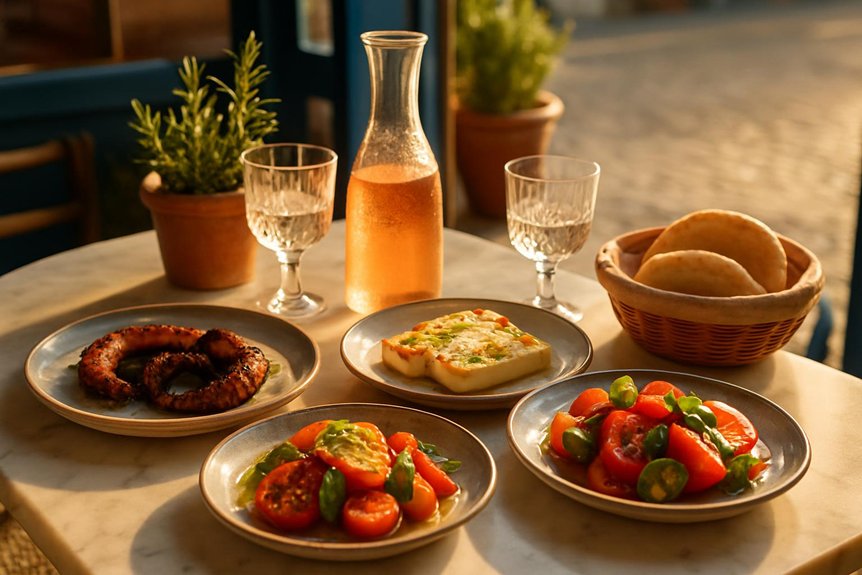
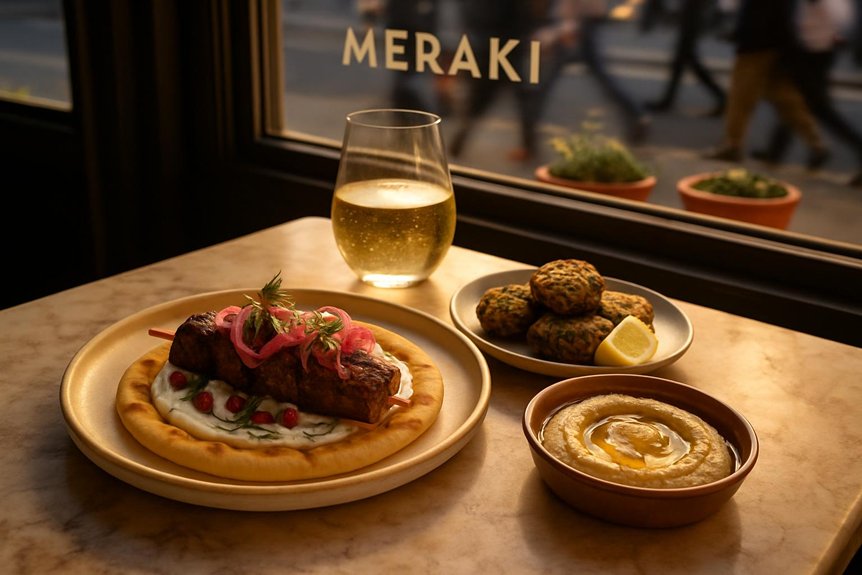
Cadence emerges between courses. Brunch infusions—herbal teas, citrus-toned spritzes—bridge late morning to afternoon, easing guests into the main event. Community forms not through noise but continuity: families return, friends fold in, staff remember preferences, and small gestures accumulate into trust. The charcoal grilled lamb chops paired with baked aubergine and hummus are a testament to Meraki’s inventive twist on traditional Greek cuisine.
Dessert pairings close the loop. A salted tart meets a nutty sherry; a pudding lifts with espresso bitterness. The room exhales. The city, unhurried, carries on.
From Farm to Flame: Sourcing and Slow-Roast Secrets
Continuity in the room is matched by discipline in the kitchen, where sourcing sets the tempo before heat ever touches meat. Meraki’s buyers court small British farms, favoring grass-fed herds and short transport to preserve muscle integrity. Sustainable practices guide every choice: rotational grazing, low-impact feed, and traceable slaughter dates. Carcasses hang long enough to concentrate flavor without sacrificing tenderness.
Once butchered, cuts rest, salted with measured intent. Fire is calibrated, not flaunted—initial high heat to seal, then a glide into low, steady warmth. Airflow, humidity, and turning schedules are logged like flight plans. Fat renders slowly, basting from within. Resting is non-negotiable; juices redistribute, fibers relax.
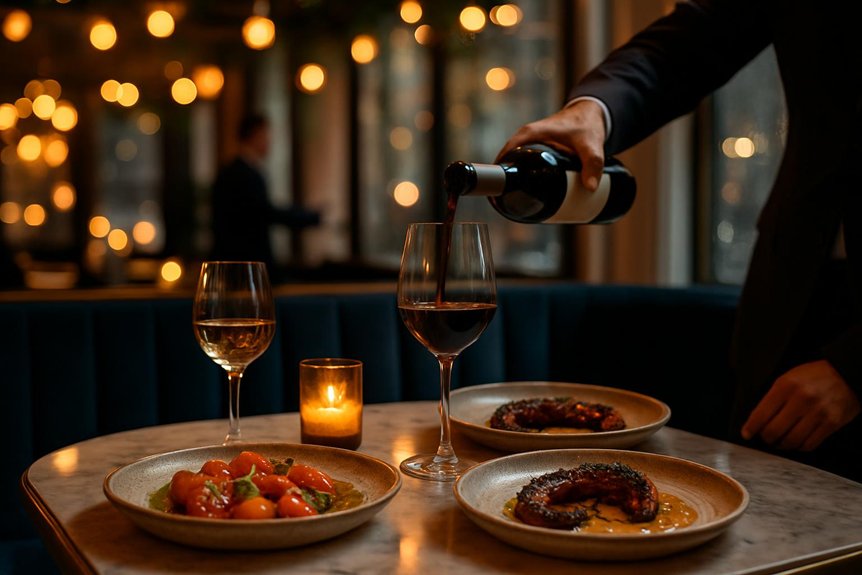
Cellar notes shadow the process, mapping wine pairings to marbling, age, and smoke tone. The allure of Greek food and wine, as emphasized by Victoria Hislop’s love for Greece, can be seen in the thoughtful attention to culinary detail at Meraki.
The Plate: Roast Beef, Potatoes, Seasonal Veg, and Glossy Gravy
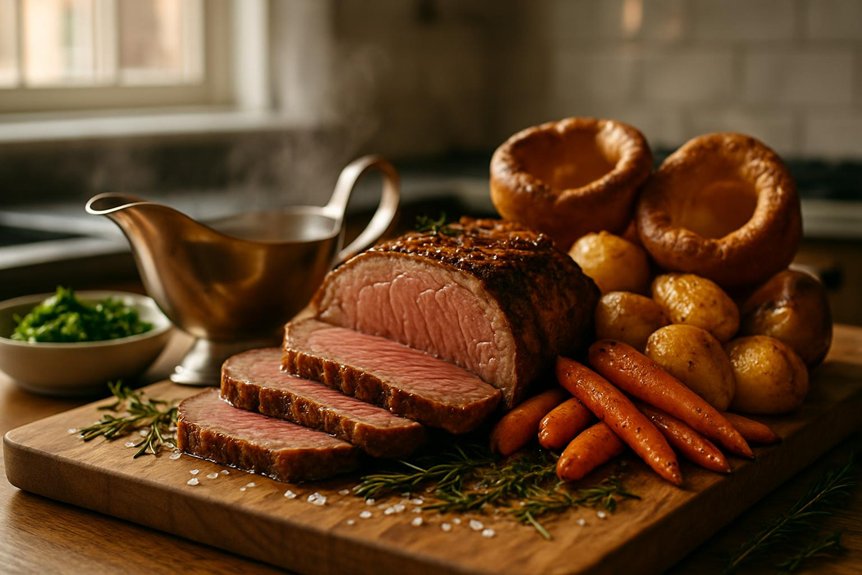
Though the kitchen hums with measured intent, the plate arrives with unshowy confidence: rosy-centered slices of roast beef fanned to reveal a clean edge and fine marbling, crisply ruffled potatoes shattering at the fork, and seasonal greens glossed just enough to keep their snap.
The gravy is dark, lucid, and purposeful—reduced to a sheen that clings, not floods. Salt is disciplined; heat is exact.
Plating artistry favors balance over drama: beef anchoring the composition, vegetables offering lift, potatoes adding audible contrast.
Cultural influences appear subtly in the organization of texture and color, but the reference point remains a classic roast. Nothing distracts from the meat’s tenderness or the potatoes’ crunch; the sauce links each element with quiet, confident continuity.
The Sunday roast at Meraki embodies British culinary heritage, offering a perfect blend of traditional flavors and modern twists.
Mediterranean Brightness: Greek Techniques Elevating British Comfort
While Sunday roast traditions remain intact, Greek technique threads a line of citrus, herb, and restraint through the plate. At Meraki, lemon zest brightens beef drippings, and a whisper of oregano lifts the jus without muting its marrow depth.
Potatoes pick up olive oil, garlic, and thyme, roasting to a satin crunch. Seasonal greens meet a quick olive brine splash and dill, echoing coastal clarity.
Yogurt replaces heavy dairy where possible, folded into horseradish for tang and poise. A discreet brush of smoked paprika oil nods to hearth while keeping Fusion flavors measured.
Plating artistry favors clean geometry: slices aligned, potatoes stacked, greens gathered—white space amplifying color and intent. The result reads British in form, Greek in finish, and balanced throughout.
Inside the Pass: Service Flow, Timing, and the Buzz of Hospitality
How does the room find its rhythm when the roast hits its stride? The pass becomes a metronome: tickets stack, hands hover, voices clip. Timing is choreography; gravy is held hot but glossy, beef rests to the second, Yorkshire crowns leave in synced flights.
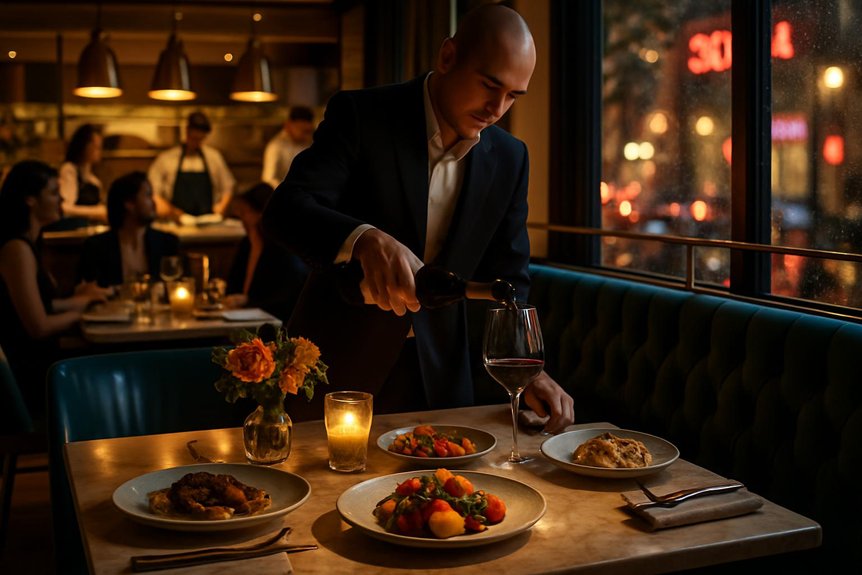
Runners shuttle, sommeliers pivot to precise wine pairing, and pastry waits, measuring the arc toward dessert selection.
- Steam coils from pans as carving knives whisper through pink-centered joints; the pass lamp pools gold over crisp potatoes.
- Chalked dockets flick like playing cards; a chef’s nod releases plates in trios, mint and lemon cutting through roast depth.
- Glassware rings, then hushes; a chocolate finale slips in as rosemary lingers, service decelerating cleanly.
Conclusion
As the last plates leave the pass, the ritual resolves into a quiet hum—craft, cadence, community distilled. What is a Sunday roast if not a chorus of patience and flame, of thyme-brushed memory meeting lemon-lit lift? Meraki’s kitchen answers with balance: British beef, Greek brightness; precision, warmth. In the glide of service and the gloss of gravy, tradition isn’t preserved—it’s renewed, week after week, like a clock resetting to appetite and welcome.