
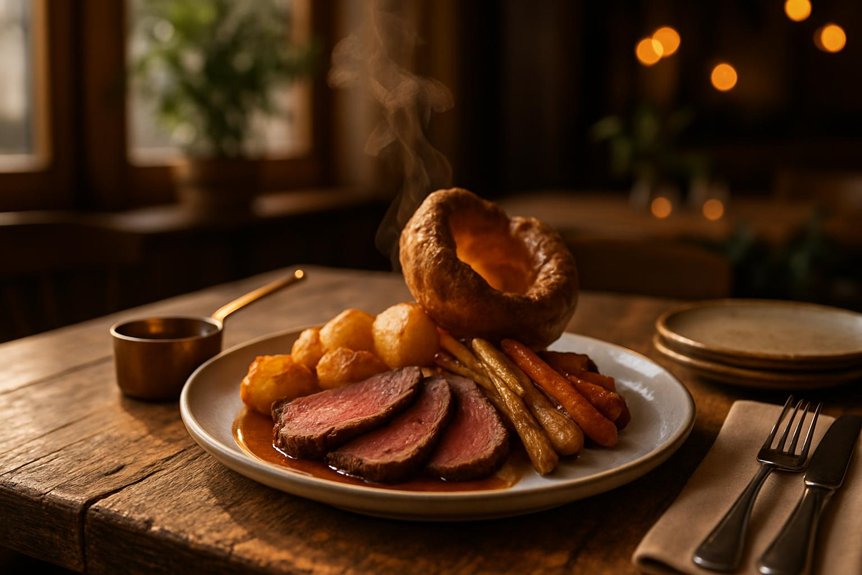
In Fitzrovia, Meraki treats the Sunday roast as a quiet ritual done right. Juicy meats, crisp potatoes, and seasonal veg meet precise technique and a thoughtful Mediterranean touch. Yorkshire puddings rise tall, with texture and intent. The gravy carries depth without fuss. Service is attentive, the room warm but understated. It feels communal, yet polished. And just when the tradition seems settled, the pairings and small innovations suggest there is more to contemplate.
The Sunday Ritual, Reimagined in Fitzrovia
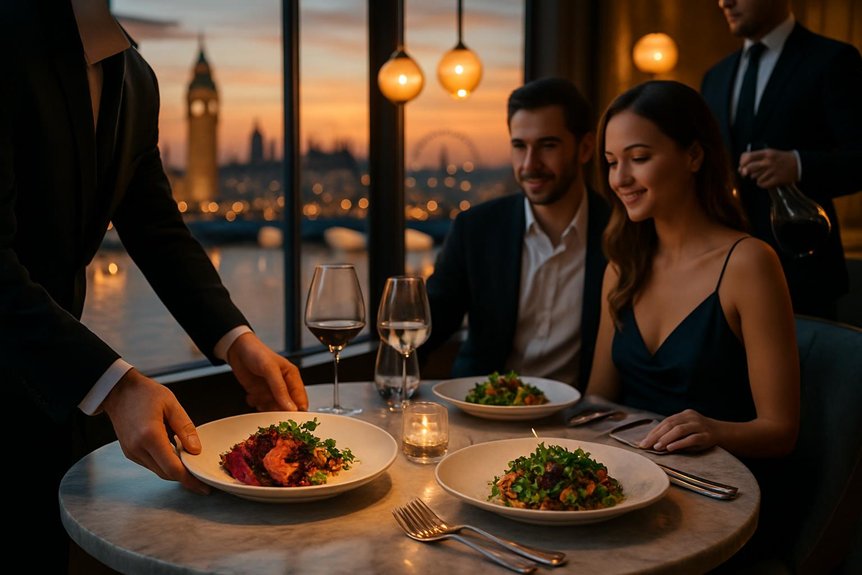
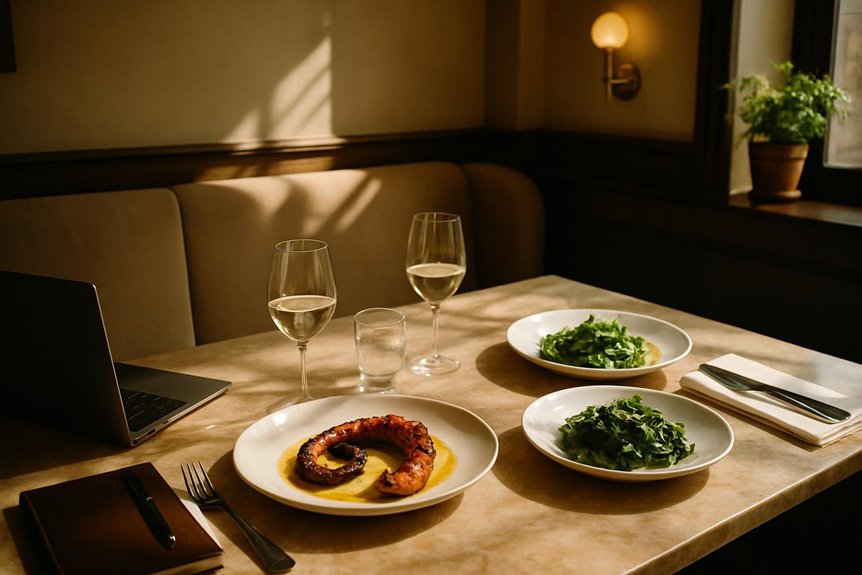
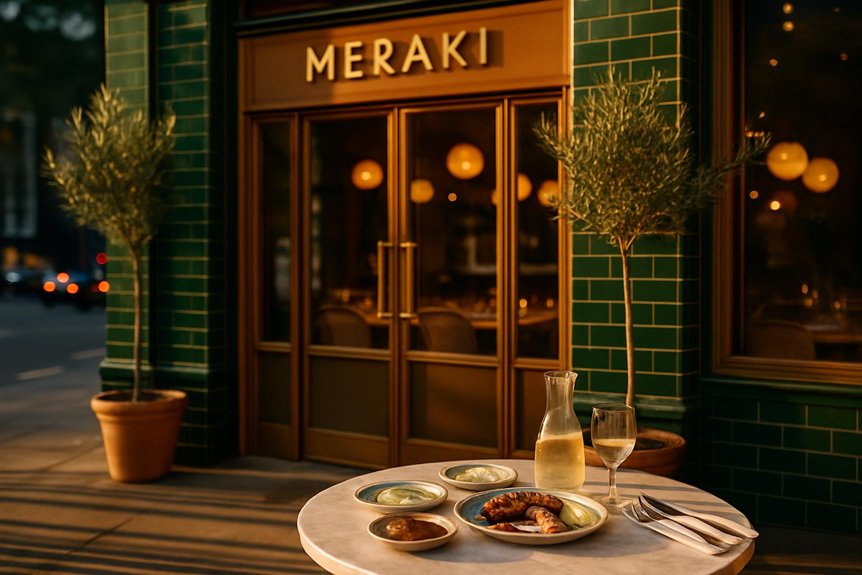
Although Londoners guard their Sunday roast traditions closely, Meraki in Fitzrovia nudges the ritual forward with quiet confidence. The dining room signals respect for Sunday traditions while inviting curiosity: linen kept crisp, lighting warm, pacing unhurried.
Familiar rhythms remain—gathering, sharing, lingering—but the experience tilts toward refinement without ceremony.
Culinary innovation appears where it counts: in the sequencing of courses, the balance of accompaniments, and the thoughtful integration of seasonal produce. Sauces arrive calibrated, vegetables carry distinct identities, and textures are engineered for contrast rather than volume.
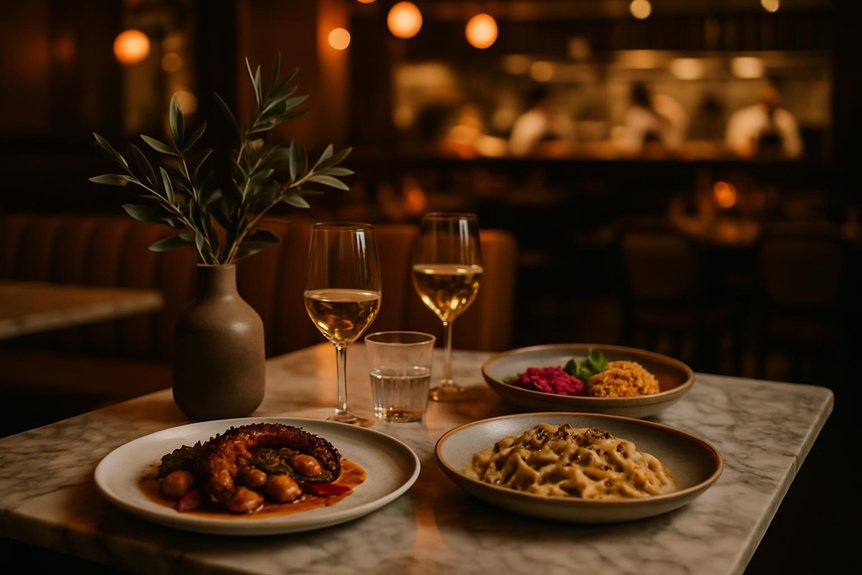
Meraki offers a blend of Mediterranean cuisine with a commitment to authenticity and innovation, making it a cherished destination for special occasions.
Service mirrors the kitchen’s intent—attentive, unintrusive, and precise. The result is continuity without repetition: a Sunday ritual that feels recognizably British yet unmistakably contemporary, grounded in craft and tuned to modern appetites, all within Fitzrovia’s measured elegance.
Roasts Done Right: Meats, Seasoning, and Technique
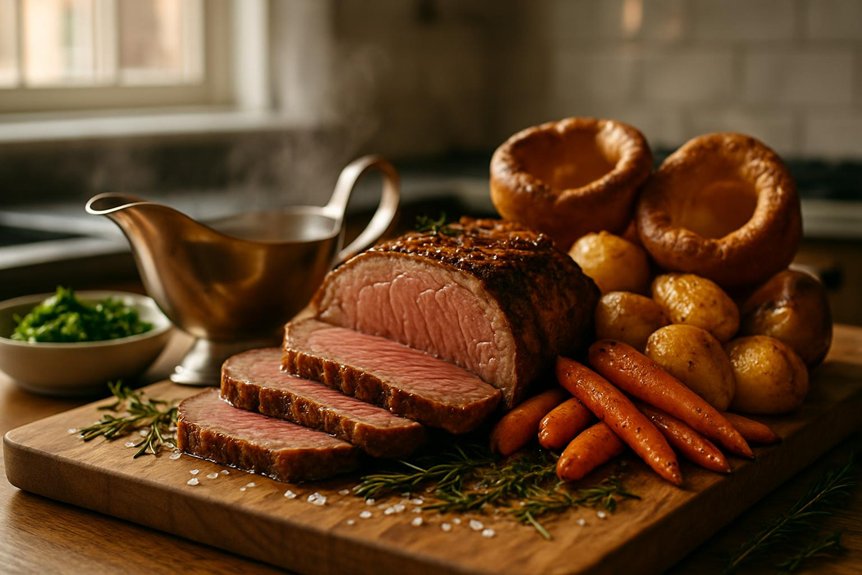
Even before the plates land, the kitchen’s priorities are evident: cut selection, seasoning discipline, and temperature control. Meat selection favors well-marbled rib of beef, heritage pork loin, and corn-fed chicken, chosen for consistent fat distribution and mature flavor.
Marination techniques are restrained: thyme, lemon zest, garlic, and pepper for aromatics; salt applied with measured timing to draw moisture then reabsorb. Dry brines predominate over wet cures, preserving texture.
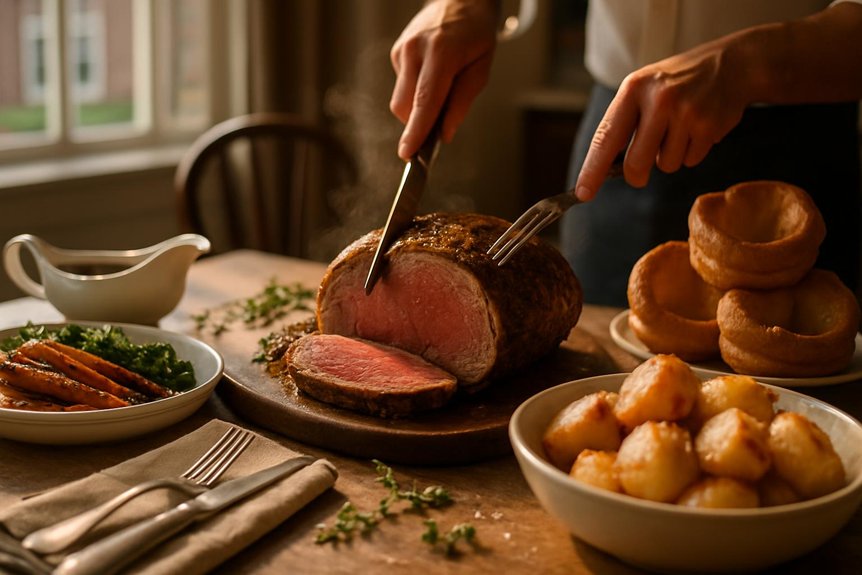
Searing is decisive but brief, building a lacquer before a controlled roast at moderate heat. Internal temperatures are tracked, then rests are enforced to relax muscle fibers and lock juices.
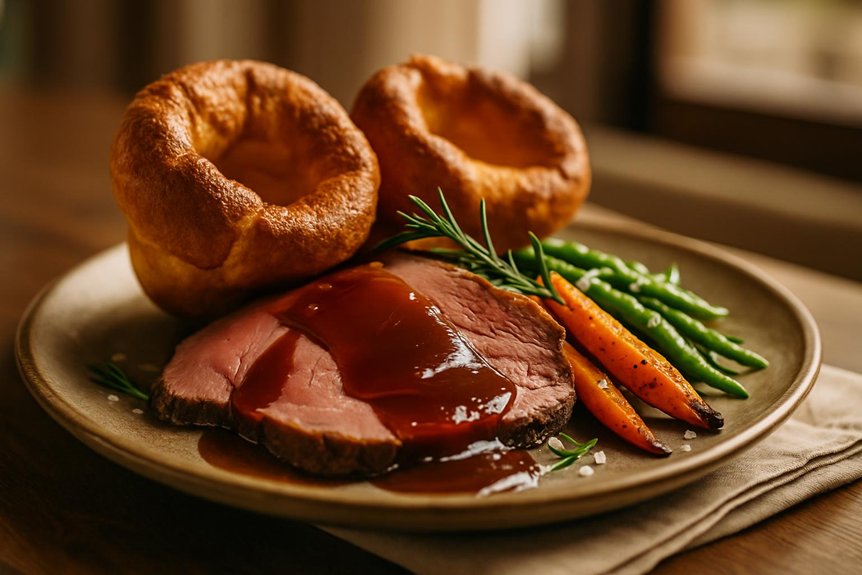
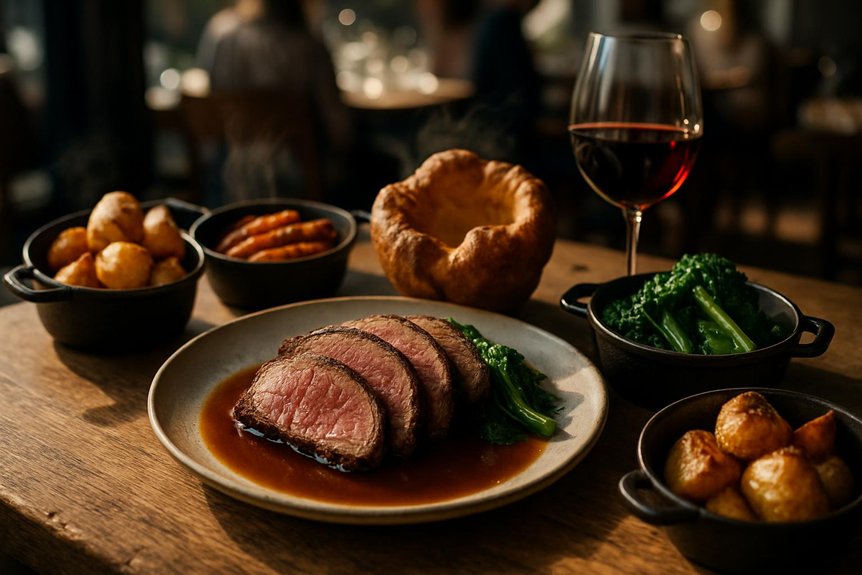
Fat caps are scored for self-basting; bones are left on when possible for insulation and savor. The result is tenderness calibrated to purpose, not trend. Meraki’s exceptional roast beef paired with Yorkshire puddings exemplifies such mastery, blending traditional and modern culinary techniques for an unforgettable dining experience.
The Perfect Plate: Potatoes, Veg, and That Unmissable Gravy
While the meats set the standard, the plate’s balance is sealed by the sides and sauce. At Meraki, attention shifts to Potato varieties and Vegetable textures, treated with the same precision as the roast.
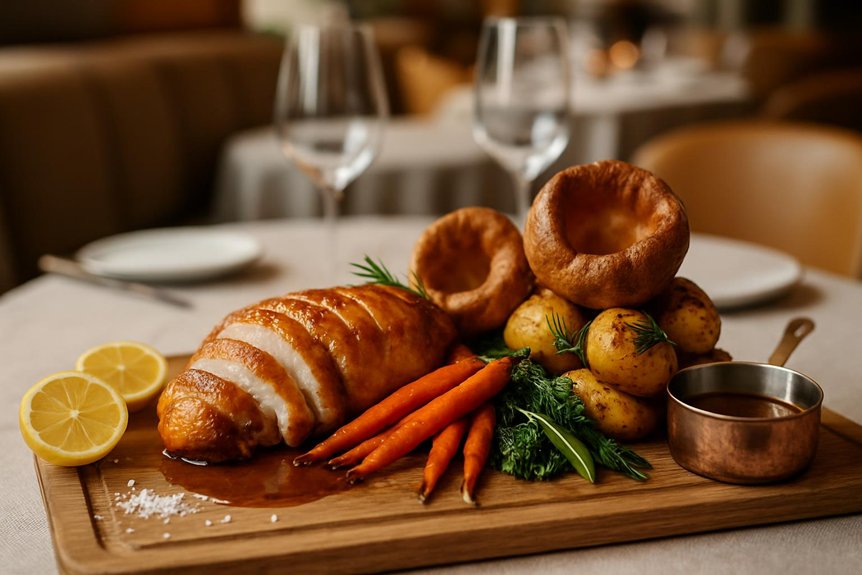
Potatoes arrive crisp-edged, fluffy within, their golden surfaces whispering of rendered fat and patient turning; a mix of waxy and floury types keeps bite and cloud in equilibrium. Seasonal greens retain snap: carrots caramelised to the verge of char, cabbage ribbons glossy with butter, and broccoli holding bright chlorophyll and clean crunch.
Gravy is the unmissable anchor. Stock is reduced to gloss, layered with pan drippings, lifted by acidity, and tightened just enough to cling. It doesn’t swamp; it connects—salinity, sweetness, and umami wrapping sides and meat into one composed mouthful.
Beyond the culinary excellence, Meraki Bar’s atmosphere provides a sixth sensory experience through its vibrant design and intimate setting.
Yorkshire Puddings With Character and Crunch
Meraki’s Yorkshire puddings arrive with a perfect rise that hints at skilled heat control and batter timing. Their airy centers contrast with crisp, golden edges that snap lightly under a fork.
Each hollow holds a savory drip of gravy, sealing the balance between texture and richness.
Perfect Rise, Airy Centers
How do Yorkshire puddings manage both drama and discipline here? At Meraki, the answer lies in measured batter rest, quiet heat control, and timing that borders on ritual.
The cooks treat rise as a science: a brief dough fermentation approach—resting the flour, eggs, and milk—relaxes gluten and heightens steam potential without souring flavor.
From there, the oven technique takes command. Smoking-hot tins and shimmering fat set the structure in the first minute, locking sides upward while the center balloons into a custardy chamber.
Temperature shifts are minimal; doors stay closed, preventing collapse. The result is a high crown with lacy walls and an interior that feels weightless.
It’s geometry rendered edible: crisp architecture wrapped around a tender, airy core.
Golden Edges, Savory Drip
Though the rise steals attention, the appeal ultimately lives at the rim: a lacquered edge that shatters cleanly and tastes of beefy fat.
At Meraki, the Yorkshire pudding’s perimeter is the showpiece, thin as porcelain, bronzed to golden edges that sing against the tooth. Each bite releases a savory drip, pooling gravy into the cup and scenting the crumb with roasted pan juices.
The center stays tender, but the rim carries the narrative—heat, fat, and time engineered into crisp structure.
- Texture contrast: crackling circumference, custardy heart, and a calibrated chew in between.
- Flavor line: caramelized wheat, rendered drippings, and a saline pop that brightens the roast.
- Performance on the plate: a vessel for gravy, a shield for greens, a counterpoint to slow beef.
Mediterranean Warmth Meets British Tradition
A subtle sunlit ease permeates the dining room as Mediterranean warmth meets British tradition on the plate.
The roast arrives anchored by familiar British contours, yet its edges carry coastal brightness. This is fusion cuisine executed with restraint: rosemary-kissed lamb, lemon-zested fat, and thyme mingling with garlic confit.
Classic gravies are lightened with olive oil gloss, while pan juices are sharpened by preserved lemon.
Vegetables receive equal attention. Carrots soften in orange blossom steam; potatoes turn crisp through double-roasting and a final drizzle of herb-infused oil. Yorkshire puddings retain their rise, but a whisper of olive brine deepens savor.
These culinary techniques respect Sunday ritual while expanding it, crafting a roast that feels both rooted and sunlit—comfort reframed without losing its hearth.
Wine Pairings and Sips That Elevate the Roast
While the plates lean sunlit and savory, the glassware completes the cadence. At Meraki, choices lean on Wine classifications that respect roast dynamics: structured reds for beef, aromatic whites for lemon-kissed chicken, and textured rosé for herb-brushed lamb.
Precision matters; Sip temperature is tuned to lift aromatics without blunting tannin or acid, keeping each mouthful vivid and clean.
1) Beef rib and marrow-rich jus: a Pauillac or Xinomavro, medium decanted, Sip temperature 16–18°C; graphite and dark fruit tighten the gravy’s depth.
2) Lemon-thyme chicken: Assyrtiko or white Rhône blend at 10–12°C; salinity and stone fruit slice through the skin’s gloss.
3) Herb-crusted lamb: aged Rioja or Chianti Classico at 15–16°C; savory cherry and balsamic notes echo the roast’s herbal lift.
Atmosphere, Service, and the Art of Gathering
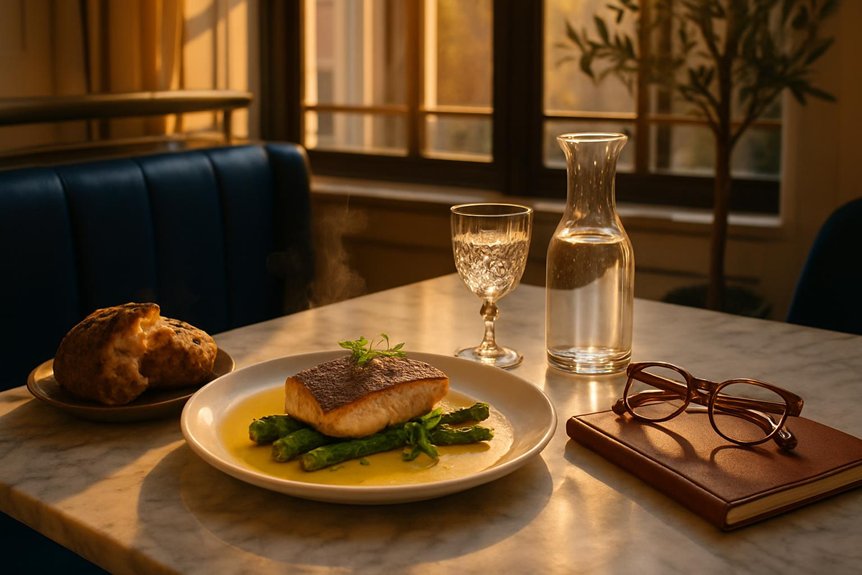
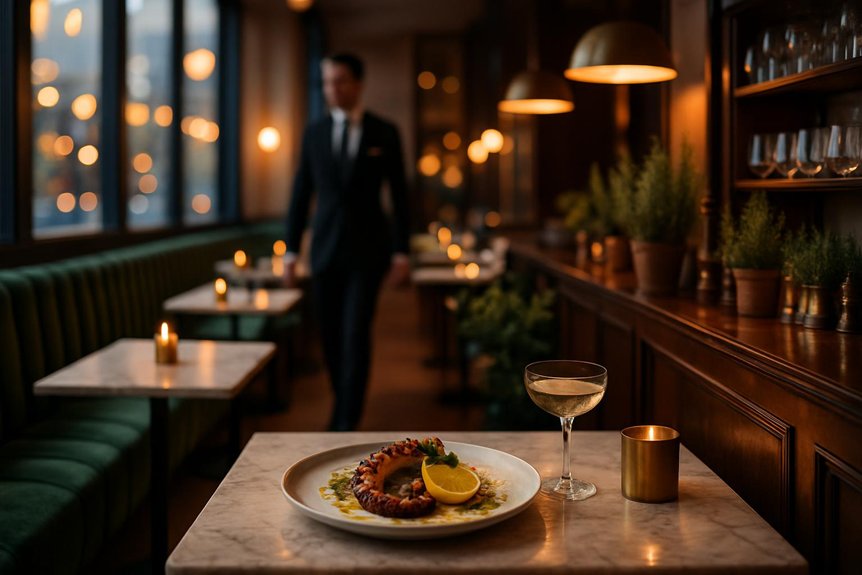
How does a roast taste better simply by stepping into a room? At Meraki, the answer begins with the interior decor: warm woods, soft lamplight, and thoughtful spacing that keeps conversation buoyant without crowding.
Tables are set with unforced elegance; the room feels intentional yet relaxed. Live music—often a trio—keeps a low, steady pulse, adding rhythm without intruding on talk or taste.
Service follows suit: attentive, paced, and quietly anticipatory. Plates arrive hot, sauces gleam, and small needs are met before requests form. Staff read the table’s tempo, stretching or condensing courses as gatherings evolve.
Families linger, friends assemble, and solo diners feel included, not observed. The restaurant becomes a host, not a stage—an environment where the roast is shared, celebrated, remembered.
Conclusion
In Fitzrovia, where Sundays are typically surrendered to gravy and gentle regret, Meraki turns contrition into celebration. Here, roasts behave themselves: meats blushing properly, potatoes cracking like polite jokes, Yorkshires posing as architectural feats. Mediterranean whispers slip into British tradition with the tact of a seasoned diplomat. Staff anticipate needs before diners remember them, and community assembles as if by muscle memory. If this is ritual, it’s also rebellion—proof that comfort can be expertly choreographed without losing its soul.