
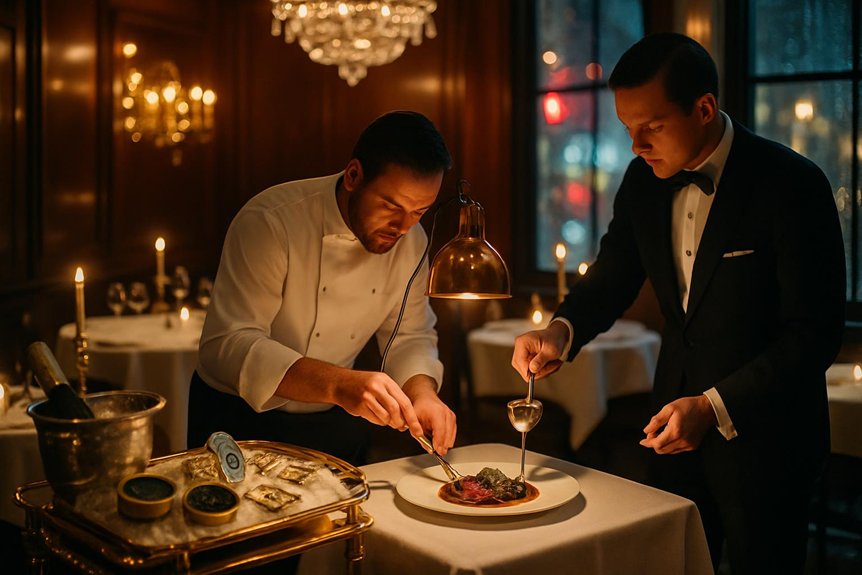
London’s luxury dining has matured into a precise choreography of space, service, and craft. Rooms glow with restrained warmth. Staff move with quiet intention. Plates carry seasonal narratives shaped by technique and provenance. Wine programs signal depth without showmanship. Prestige matters, but nuance decides. From reservation rituals to the hush of acoustics, each detail guides attention. The city’s finest restaurants now promise more than spectacle—and the difference becomes clear course by course.
The Evolution of Fine Dining in London
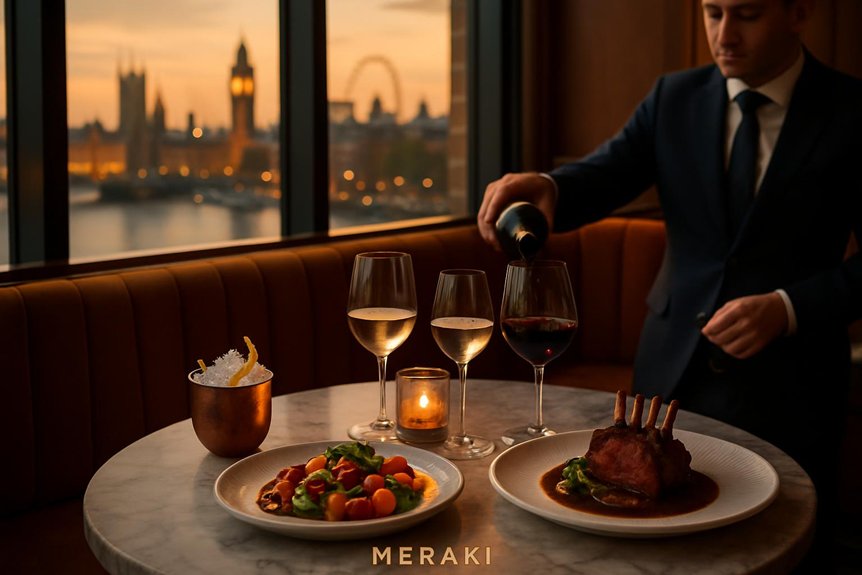
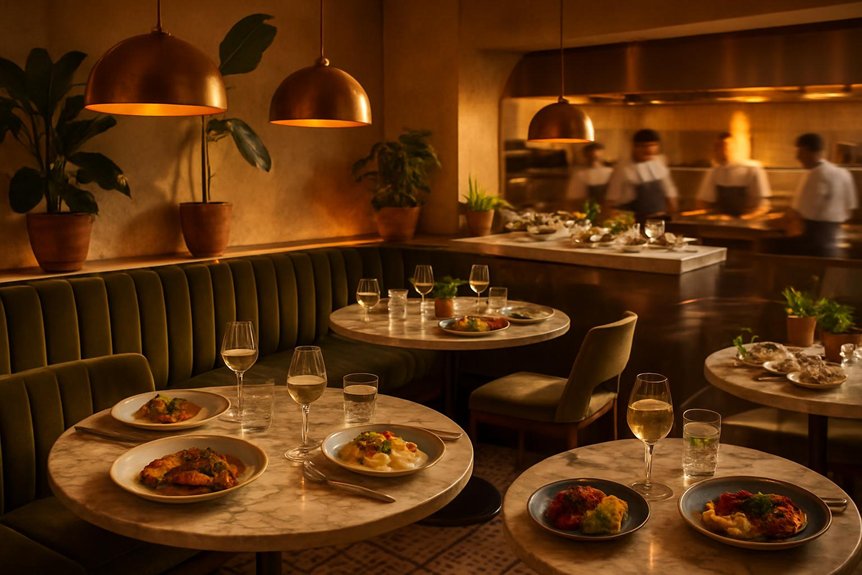
From Victorian opulence to contemporary minimalism, London’s fine dining has shifted with the city’s social and culinary currents. In the late 19th century, grand hotel dining rooms reflected imperial wealth, codified service, and French technique. Postwar austerity tempered extravagance, yet clubs and classic grills kept formality alive. The late 20th century ushered in nouvelle cuisine, lighter sauces, and design-led rooms, while immigration reshaped palates, embedding global spices and regional traditions as historical influences. In the 1990s and 2000s, chef-led restaurants emphasized provenance, seasonal British produce, and open kitchens. Culinary innovation accelerated with tasting menus, fermentation, and Nordic and Japanese precision informing British sensibilities. Today’s top rooms balance theatrical service with restraint, privileging narrative plates, sustainability, and a cosmopolitan, ever-evolving canon. The Aegean islands inspired the ambiance at Meraki, a contemporary Greek restaurant in Fitzrovia, adding a touch of international flair to London’s luxury dining scene.
Michelin Stars and Beyond: Decoding Prestige
Michelin’s criteria—product quality, technique, personality of the chef, value, and consistency—remain the benchmark for London’s elite kitchens. Yet prestige also gathers through accolades such as The World’s 50 Best Restaurants, AA Rosettes, and Gault&Millau to signal different strengths. Together, these measures shape a nuanced hierarchy that guides expectations beyond star counts alone. Notably, Meraki Luxury Restaurant exemplifies this prestige with its award-winning food and exclusive dining experience, enticing an international crowd with its Greek-inspired cuisine.
Michelin Criteria Essentials
A clear understanding of Michelin’s criteria reveals why certain London restaurants ascend to rarefied status. Inspectors judge five pillars: product quality, mastery of technique, flavor harmony, chef’s personality expressed on the plate, and consistency across visits. Ingredients must show provenance and seasonality, treated with precision rather than trend-chasing. Dishes balance intensity and clarity, avoiding gratuitous complexity. Service supports, never overshadows, the kitchen’s intent. Wine stewardship complements cuisine: a thoughtful cellar showcases rare varietals, served at exact temperatures, perhaps decanted tableside with a vintage decanter when structure demands it. Atmosphere matters only insofar as it enables focus and continuity. Consistency is nonnegotiable; lunch must mirror dinner, weekday equal weekend. Ultimately, Michelin rewards coherence—every element reinforcing culinary vision with repeatable excellence. At Meraki, the Mediterranean delights and vibrant flavors reflect a commitment to authenticity and innovation, resonating with Michelin’s emphasis on culinary excellence.
Beyond Stars: Accolades
Prestige in London’s fine dining scene extends far beyond Michelin stars, forming a layered ecosystem of recognition that shapes reputations and reservations alike. The World’s 50 Best and AA Rosettes provide global and national signals, while Gault&Millau, Harden’s, and SquareMeal add granular perspectives on consistency, service, and value.
Discerning diners also track sustainability markers—Michelin Green Stars and zero-waste commendations—linking ethics to excellence. Critics’ lists and chef awards spotlight culinary innovations, from fermentation programs to refined British terroir. Design accolades and wine distinctions, such as World of Fine Wine stars, underscore holistic ambitions.
Meanwhile, guest engagement drives momentum: high retention rates, thoughtful pacing, and memorable table-side narratives feed word-of-mouth and digital sentiment. Together, these accolades create a multi-axis map of ambition, reliability, and future promise.
The Art of Service: Anticipation and Personalization
In London’s top dining rooms, service excellence begins with reading preemptive guest cues—how a coat is placed, a glance at a glass, a pause in conversation.
Staff move with discreet, seamless timing, appearing the moment a need arises and vanishing before presence becomes interruption.
Tailored table-side touches—bespoke seasoning, precise decanting, personalized pacing—turn hospitality into a quiet signature.
Preemptive Guest Cues
Subtle signals guide exceptional service long before a request is voiced. In London’s finest dining rooms, staff decode posture, eye movement, and pacing at the table to calibrate Guest engagement without intrusion.
A slight glance toward the sommelier invites a wine suggestion; a hand resting on a menu hints at questions. Cultural cues shape each interaction: a nod from a Japanese guest may signify approval without conversation, while Mediterranean guests might prefer fuller dialogue.
Hosts note preferred seating—banquette, window, or acoustic calm—and align lighting, scent, and temperature accordingly. Water preferences reappear unprompted, napkins are replaced seamlessly, and allergens are confirmed with unobtrusive reassurance.
Technology supports memory, not spectacle, storing micro-preferences discreetly. The result is personalization that respects privacy, anticipates needs, and strengthens trust.
Discreet, Seamless Timing
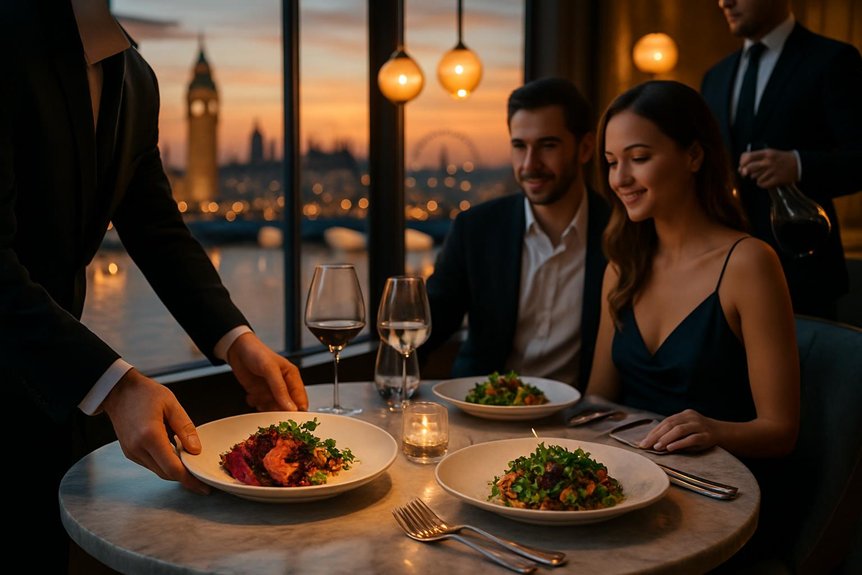
Though choreography remains invisible, timing governs the guest’s entire perception of luxury. In London’s top dining rooms, every movement is calibrated to sustain a discreet ambiance: menus appear as conversation pauses, water is refreshed at the last sip, and courses land when appetite and attention align. The effect is seamless service that feels inevitable rather than imposed.
Staff read table rhythms—pace of speech, arc of a story, the glance to a watch—and map service beats accordingly. Wine arrives a breath before the course it complements; bread is cleared only when the final crumb signals readiness. Check-backs occur at natural cadence points, never interrupting emphasis.
The bill is offered without fanfare the moment departure intent surfaces, preserving dignity and momentum.
Tailored Table-Side Touches
A guest’s preferences are treated as cues for precise, table-side gestures that feel personal without presumption. Staff register tone, pace, and appetite, then adjust details: the angle of a chair, the warmth of a plate, the cadence of pouring.
Quiet questions earn unobtrusive solutions—extra napkins appear, sauces arrive on the side, a decanter breathes just long enough.
Allergies and aversions guide substitutions rather than limits; herbs are trimmed, textures balanced, heat moderated. Coffee strength, tea steeping, and glassware are matched to habit. Personalized desserts are presented with measured ceremony, avoiding spectacle while honoring taste memories.
In the lounge ambiance, lighting softens and conversation space expands, ensuring end-of-meal comfort. Precision becomes hospitality’s signature, revealing mastery without ever announcing it.
Design as Theater: Ambience, Acoustics, and Atmosphere
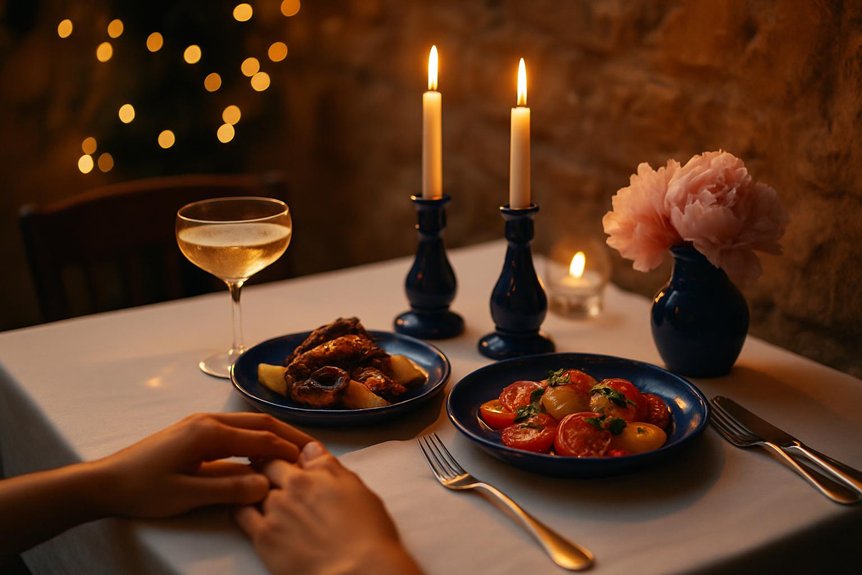
Two elements define the stage before a single bite is taken: how a room looks and how it sounds. In London’s top rooms, atmospheric lighting sketches silhouettes, softens edges, and directs attention with cinematic precision. Ambient acoustics are engineered, not incidental—plaster curves, velvet baffles, and quiet HVAC set a hush that flatters conversation without draining energy. Materials matter: marble murmurs, timber warms, brass glows. Scent is calibrated; temperature remains invisible.
- Anticipation: a threshold glow that says you’ve arrived, yet keeps secrets.
- Intimacy: tables acoustically cocooned, voices clear, privacy preserved.
- Drama: a chiaroscuro of sightlines, reflections, and gentle shadow play.
- Calm: the sensation of time slowing as noise dissolves.
The result feels choreographed: poised, legible, and unmistakably luxurious.
Tasting Menus, Chef’s Counters, and Culinary Storytelling
If the room is the overture, the tasting menu is the score—composed, paced, and precise.
In London’s top dining rooms, chefs design sequences that map memory, season, and terroir into ten or more compact movements. Each course advances a theme, balancing texture, temperature, and surprise without fatigue.
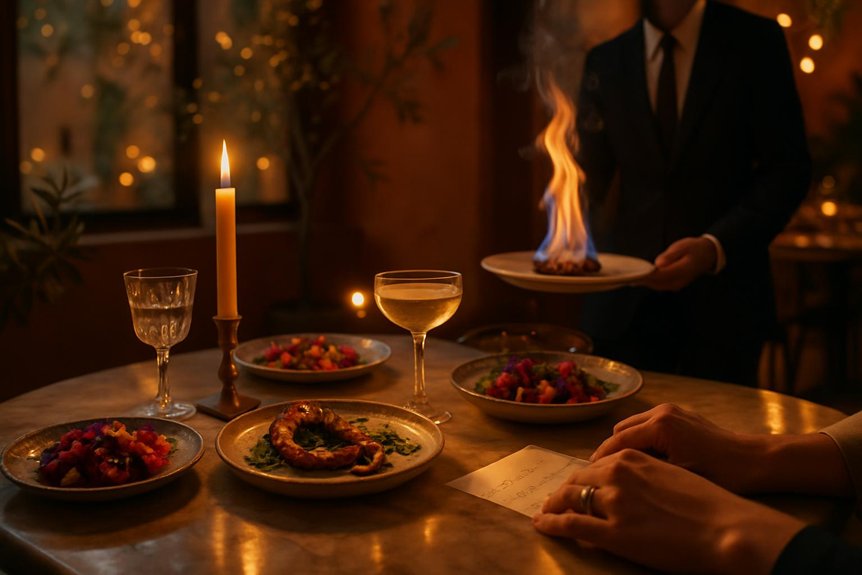
At chef’s counters, proximity sharpens the narrative. Guests watch plating like choreography: tweezers, torches, and quiet confidence.
Techniques from molecular gastronomy appear not as spectacle but as punctuation—clarifying broths, aerating sauces, or encapsulating aromas to guide attention.
Culinary storytelling relies on restraint. A single scallop may anchor a chapter; a fermented note provides subtext.
Culinary innovation serves coherence, not novelty for its own sake. The result is an arc that closes cleanly, leaving resonance rather than fullness.
Liquid Luxury: Rare Wines, Pairings, and Expert Sommeliers
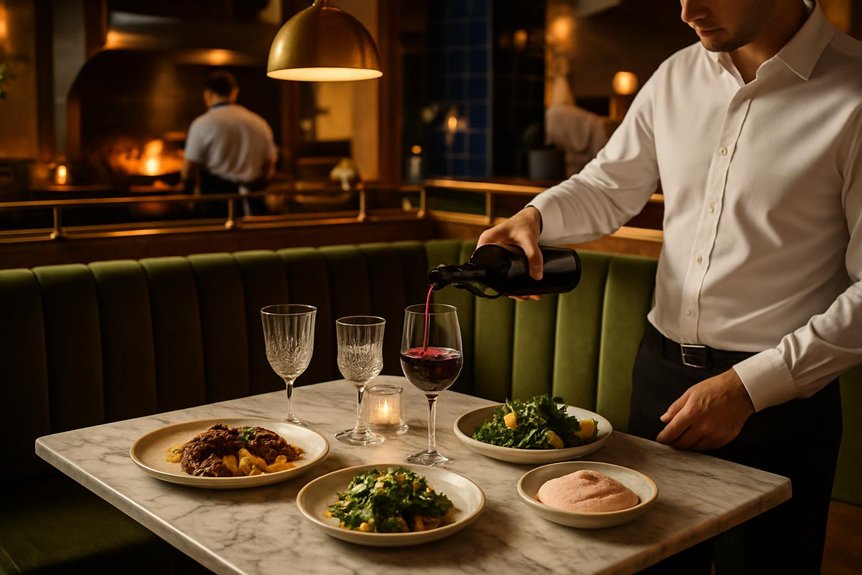
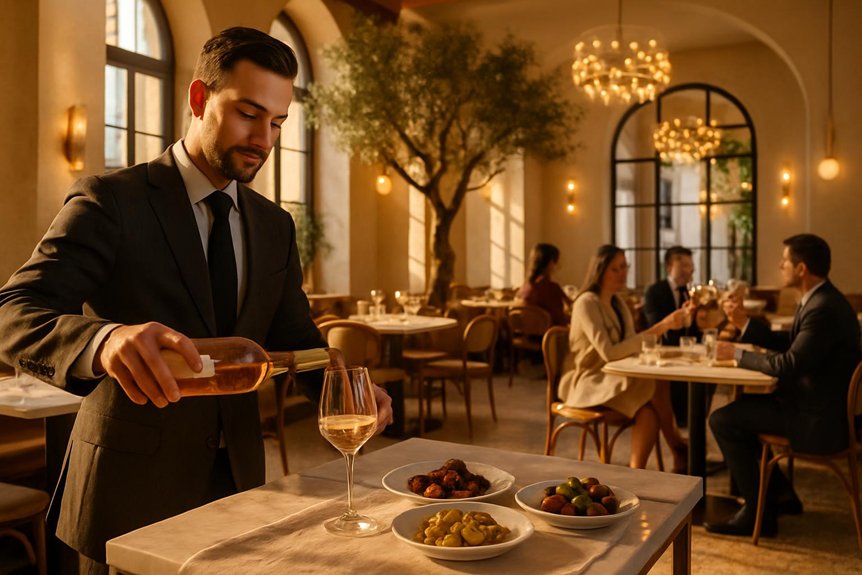
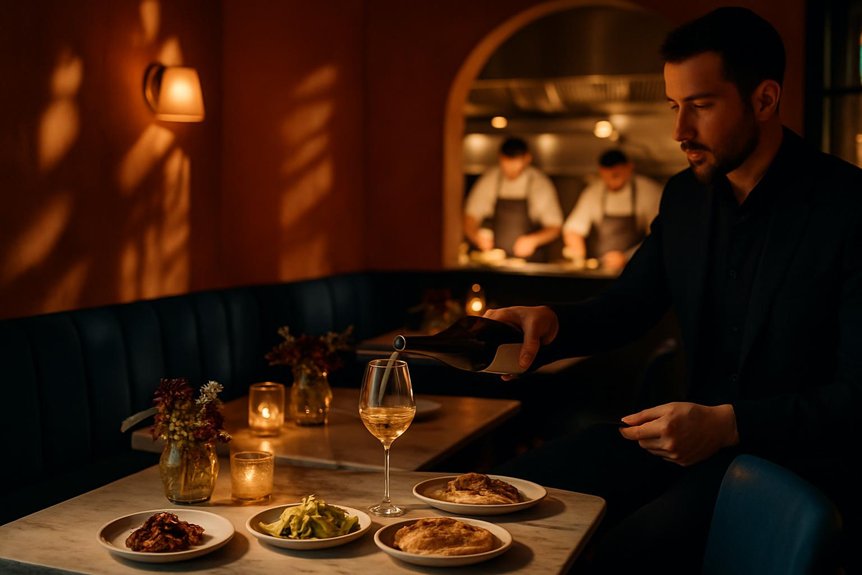
From plate to glass, the orchestration continues. In London’s elite dining rooms, precision shifts to the cellar, where wine selection becomes narrative. Bottles are chosen not for rarity alone but for resonance with flavor arcs—salinity, smoke, acidity, and texture. Sommelier expertise is measured in restraint as much as bravura: a quiet decant, a measured pause, a pairing that steadies a daring dish.
Vintage depth and grower specificity matter; so do temperature, glass shape, and timing between courses.
- Anticipation: a cork eases free, and the room leans in.
- Recognition: aromas rise—orchard, stone, briar—memories accessed.
- Harmony: dish and glass meet, tension dissolves into balance.
- Reverie: the finish lingers, conversation softens, and time releases.
Here, liquid luxury frames the meal’s most eloquent moments.
Insider Playbook: Reservations, Dress Codes, and Seating Strategy
How does one secure a table, signal belonging, and command the room without a word? The seasoned approach begins weeks out: target off-peak nights, request a named table, and confirm 24 hours prior. Open with context—anniversaries, client dinners—so hosts prioritize. Loyalty counts; consistent, courteous feedback builds recognition.
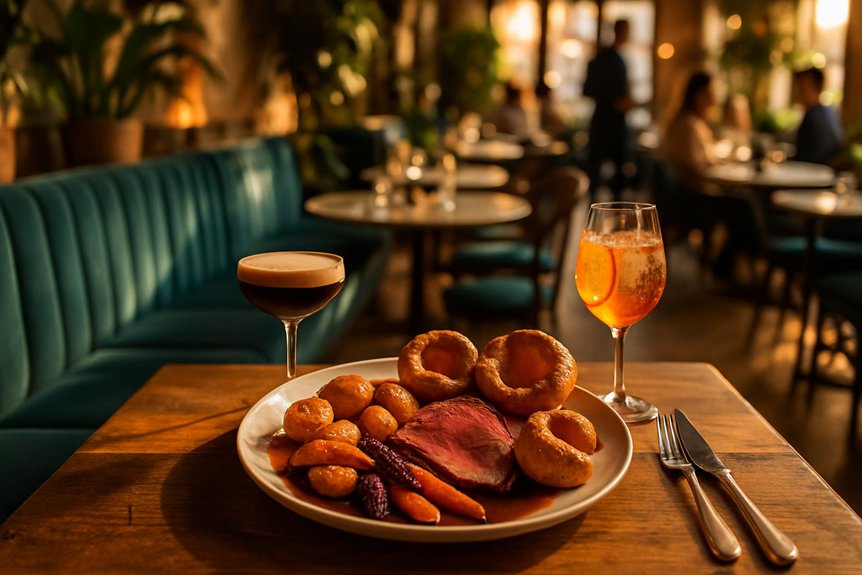
Dress codes skew elevated: dark tailoring, refined watches, polished shoes; discreet couture for women. Avoid loud logos. Bring a jacket even when “smart casual” is listed. Arrive five minutes early, order vintage cocktails at the bar, and observe the interior decor to gauge the room’s energy.
Seating strategy is tactical: banquettes for privacy, corner tables for control, chef’s counter for theater. Decline wobbly two-tops by proposing an alternative. Tip the maître d’ discreetly, never theatrically.
Signature Dishes and Seasonal Must-Try Experiences
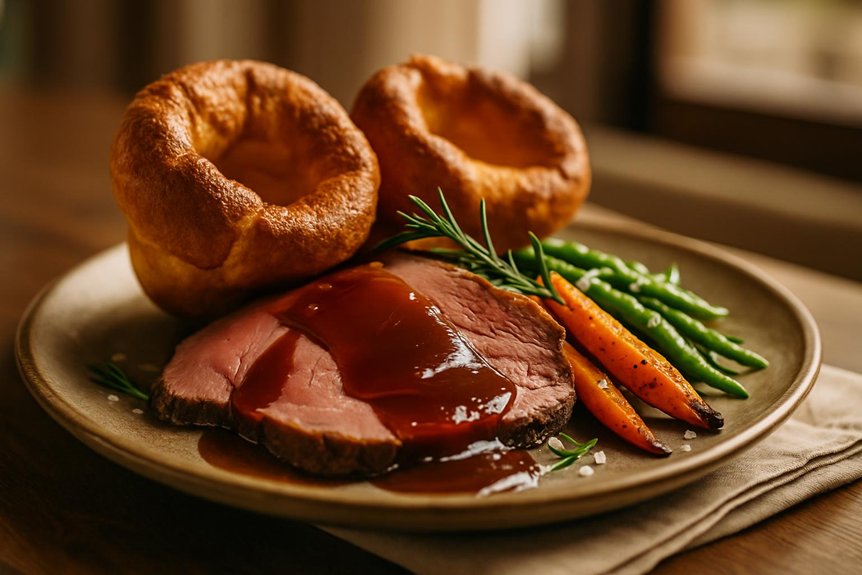
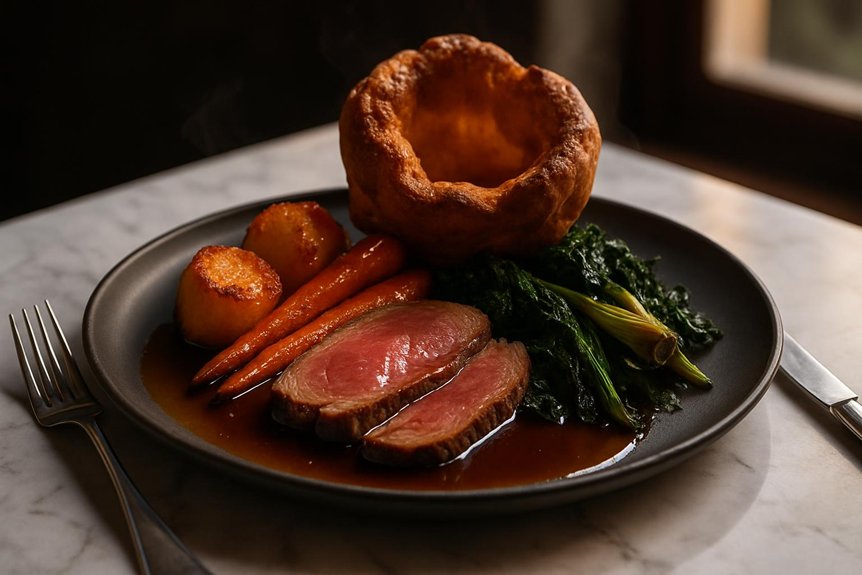
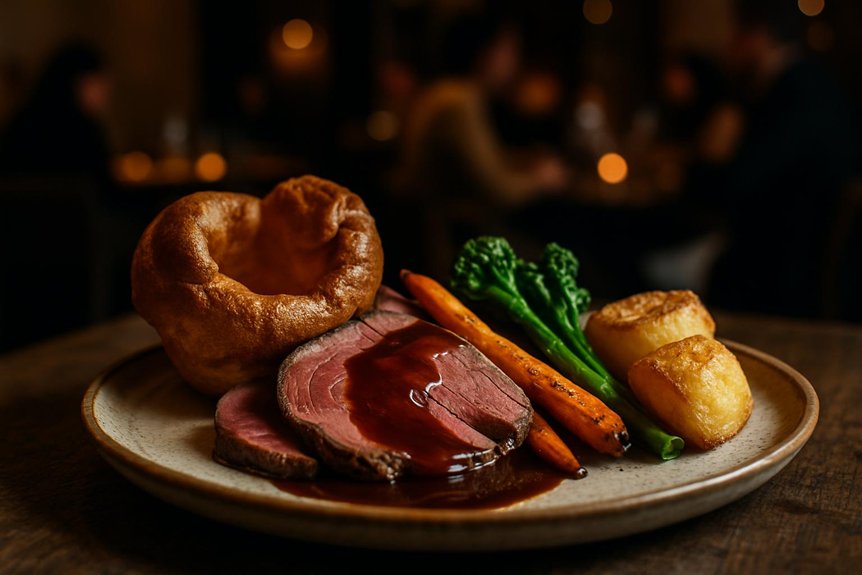
The luxury circuit in London is defined by plates that justify their reputations and seasons that reshape the menu. Signature dishes anchor the experience: a precise consommé brightened by foraged herbs, a charcoal-kissed native lobster, and a knife-only venison service that respects local sourcing.
Chefs rotate garnishes with the market’s rhythm, letting white asparagus, Kentish cherries, or Cornish turbot set the tone. Dessert innovations close the arc—silken custards perfumed with hedgerow fruits, or cacao tempered with saline coastal notes.
- Anticipation: the first spoonful that silences a table.
- Surprise: a humble root elevated to star status by smoke and acid.
- Comfort: slow sauces layered over days, not minutes.
- Reverence: producers named, seasons honored, provenance tasted.
Conclusion
In the end, London’s pinnacle dining scene reveals itself as a choreography of quiet confidence: heritage polished to a mirror sheen, technique sharpened to a whisper, and hospitality tuned to anticipate desire before it forms. From acoustics to wine, every detail is a deliberate note in a symphony of restraint. Diners leave not merely satisfied but transformed, as if time had paused to applaud—proof that, at its height, luxury dining feels like eating at the edge of the sun.