
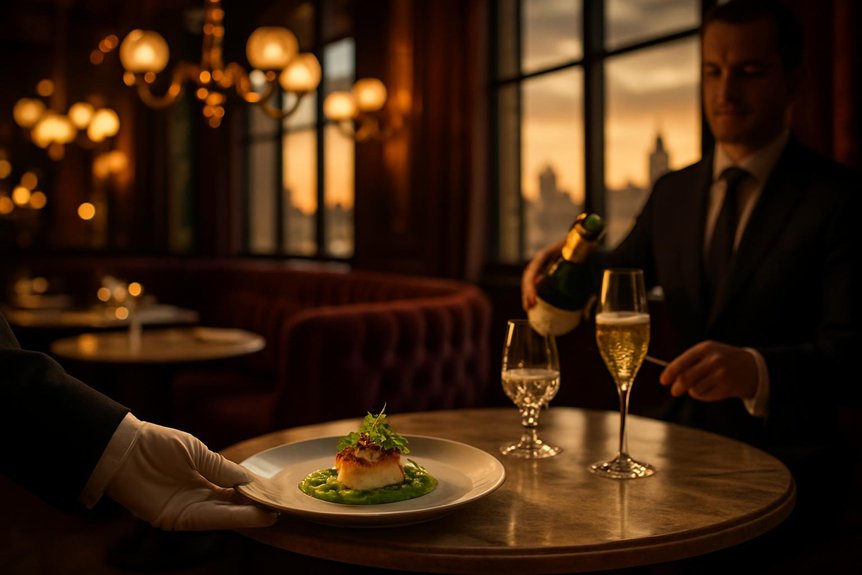
London’s luxury dining demands strategy and finesse. The most sought-after tables vanish weeks ahead, and dress codes still whisper of tradition. Menus shift with the seasons, while sommeliers curate bottles that reward restraint and curiosity. From chef’s counters to grand hotel rooms, timing shapes the entire experience, especially pre-theatre. Discreet service and sustainability now share the spotlight with Michelin stars. For those planning a special night, a few choices will make all the difference—if made wisely.
Securing the Most Coveted Reservations
Timing dictates everything. In London’s fine-dining circuit, the most coveted tables open and vanish within minutes. Savvy patrons track reservation drops, subscribe to newsletters, and set alerts for monthly release cycles. They leverage concierge services, book counter seats, and accept late or weekday slots without hesitation. Waitlists are treated as active channels; polite, periodic follow-ups often surface cancellations.
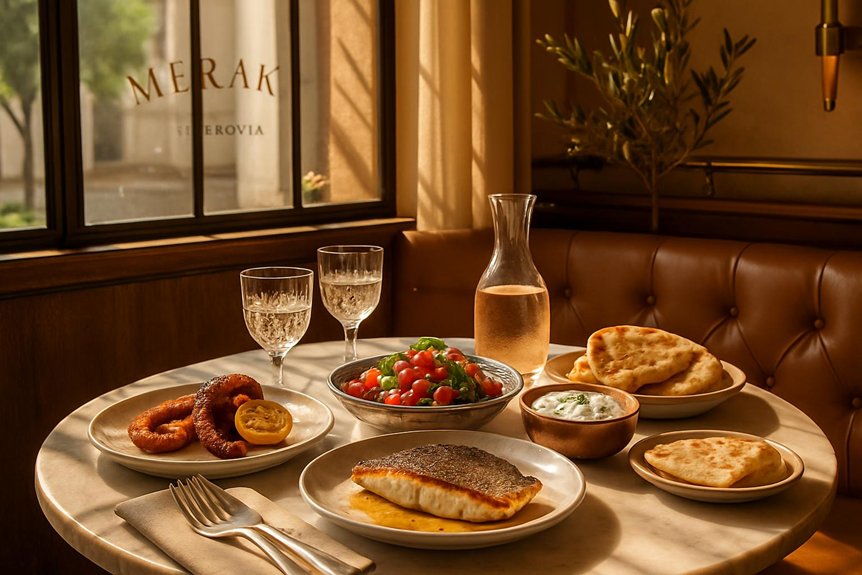
Preparation signals credibility. Profiles on booking platforms are complete, payment details verified, and preferences concise. Luxury etiquette extends to communication—brief, courteous requests earn goodwill, while overfamiliar messages do not. Dress codes are checked in advance to avoid last‑minute friction at the door. Meraki Restaurant enforces a smart dress code, ensuring an elegant atmosphere for a memorable dining experience.
On arrival, punctuality, calm flexibility, and a single decisive party lead increase success. Gratitude is expressed succinctly, building recognition for future access.
Decoding Dress Codes and Dining Etiquette
Securing a seat is only half the art; keeping it depends on reading the room. In London’s luxury dining rooms, dress codes mirror the restaurant decor: polished spaces imply jackets, muted tones, and refined footwear; avant-garde interiors tolerate sleek minimalism but not athleisure.
Denim may pass if dark and tailored; trainers rarely do unless discrete and clean.
Observation helps. If waitstaff attire is formal—waistcoats, pressed shirts, polished shoes—assume smart dress and restrained accessories.
Phones stay silent; cameras discreet. Arrivals greet the host, not the table. Napkins unfold on sitting, elbows stay off between courses, and cutlery rests in the continental style.
Pace matches the service; requests are succinct. Tip appropriately, confirm dietary needs in advance, and thank the sommelier and team upon departure.
Meraki’s commitment to sustainability aligns with the ethos of many luxury dining experiences in the city, encouraging patrons to appreciate the balance of elegance and ecological responsibility.
Michelin Stars, Chef’s Tables, and Tasting Menus
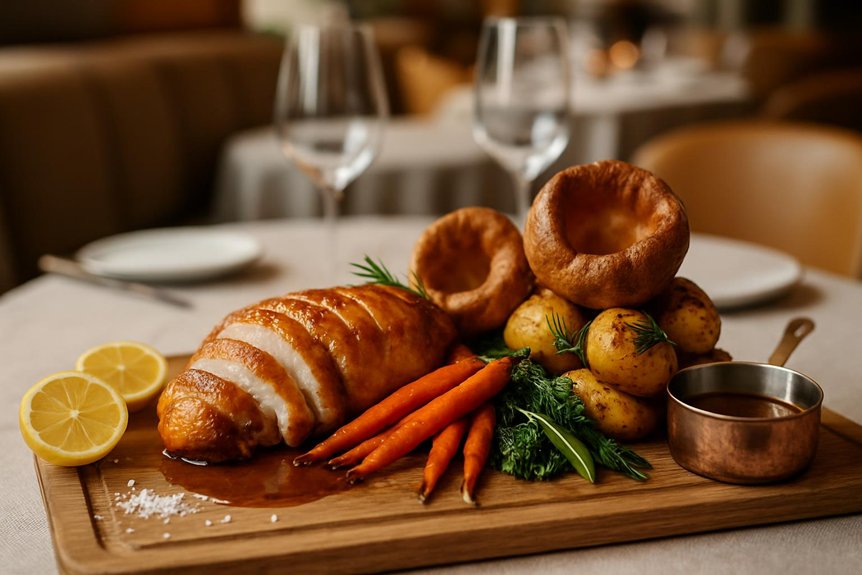
How do stars, seats, and courses translate into an experience worth the splurge? In London, Michelin recognition signals consistency, precision, and a defined culinary identity, whether rooted in heritage or avant-garde technique. Diners weigh one, two, or three stars as markers of ambition and assurance, not just prestige. Chef’s tables shift the meal into theatre. Proximity to the pass reveals sequencing, pacing, and the choreography behind each plate. Limited seats, direct chef engagement, and custom tweaks turn a menu into a narrative. Tasting menus refine choice into curation. Progressions move from delicate to bold, highlighting seasonality, British provenance, and occasional celebrity chef collaborations. Historic venues amplify ceremony, contrasting modern plates with storied rooms. For those seeking a unique dining adventure, Meraki in London offers an exceptional Sunday roast experience. Reservations, deposit policies, and punctuality remain essential for securing these peak experiences.
The Art of Wine Pairings and Sommelier-Driven Lists
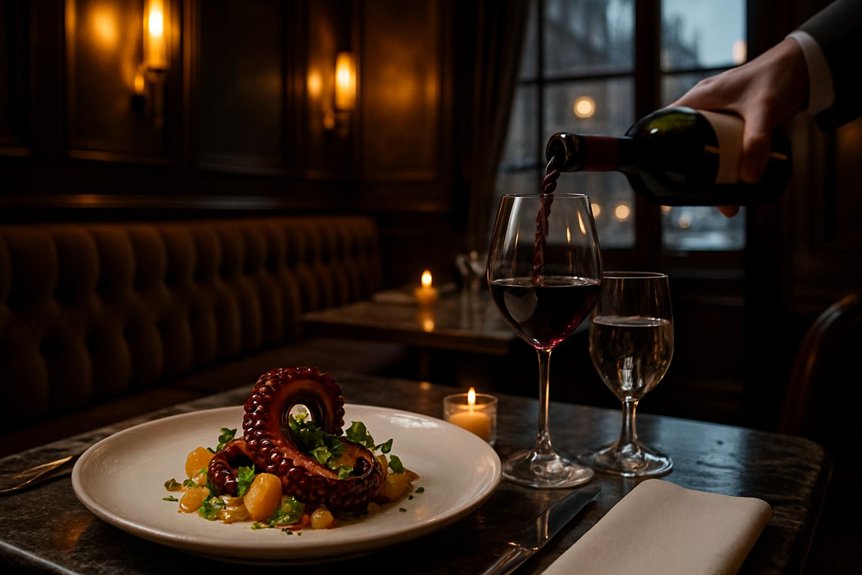
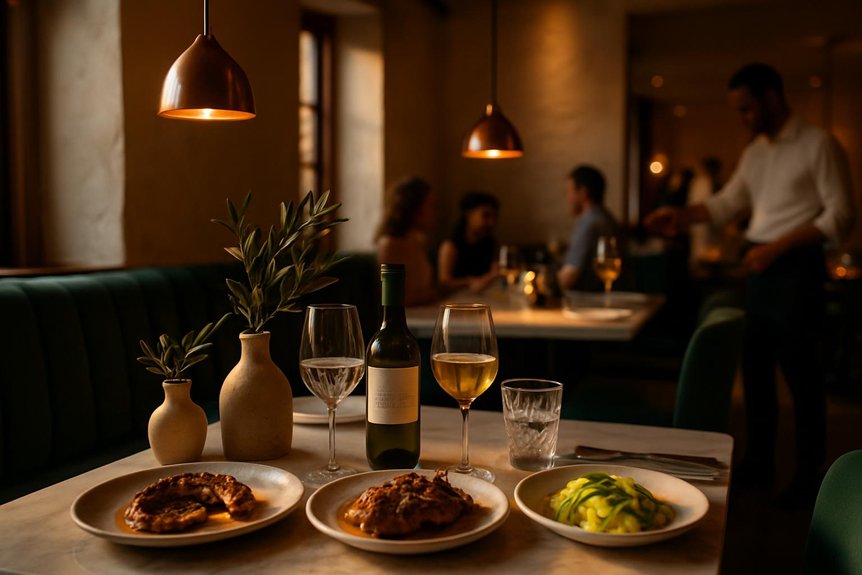
London’s luxury dining rooms increasingly showcase curated cellar philosophies that signal a restaurant’s identity as clearly as its cuisine. Classic pairings are reimagined with precision, matching regional nuances and unexpected textures to elevate familiar dishes.
Guided by somm-led tasting journeys, guests move through flights that frame the meal as a narrative, paced and tuned to each course.
Curated Cellar Philosophies
A quietly rigorous philosophy underpins the finest wine programs in London, where sommeliers curate lists as narratives rather than inventories. The best cellars articulate purpose: vintages are chosen to express terroir, progress through time, and frame a restaurant’s cuisine and service cadence.
Selection balances benchmark producers with rising estates, avoiding trophy-chasing while honoring provenance and perfect storage. Here, wine collecting is disciplined, guided by transparent sourcing, mature-drinking windows, and versatile formats.
Cellar renovation is approached like architecture—zoning by region and style, humidity control, energy efficiency, and retrieval logic that speeds service without compromising bottle integrity.
Training completes the philosophy: teams study verticals, decanting protocols, and guest intent, so recommendations feel inevitable, measured, and quietly generous rather than performative.
Classic Pairings Reimagined
Though tradition offers a reliable compass, the city’s sharpest dining rooms now redraw the map of classic pairings with intent. Chefs and sommeliers pivot from rote matches, using cultural influences and innovative techniques to reveal texture, temperature, and aroma as primary cues.
A saline English oyster might meet Alpine pét-nat for lift and leesy depth; roast duck may find precision with Jura savagnin rather than Burgundy, its nuttiness echoing the glaze.
Producers appear alongside dishes for their structural nuance, not just prestige—skin-contact Friulano with aged cheddar, Madeira with caramelized celeriac.
Non-oak whites break rich sauces; lighter extraction reds slip beside spice-led seafood. The goal is calibration: acidity trims fat, phenolics meet umami, subtle sweetness tames heat, while minerality threads through smoke.
Somm-Led Tasting Journeys
How do the city’s most meticulous dining rooms turn a meal into a narrative? Through somm-led tasting journeys that choreograph each pour to mirror the kitchen’s arc. The sommelier frames courses with precision, mapping textures, acidity, and aromatics so flavors crest and resolve like movements in a symphony.
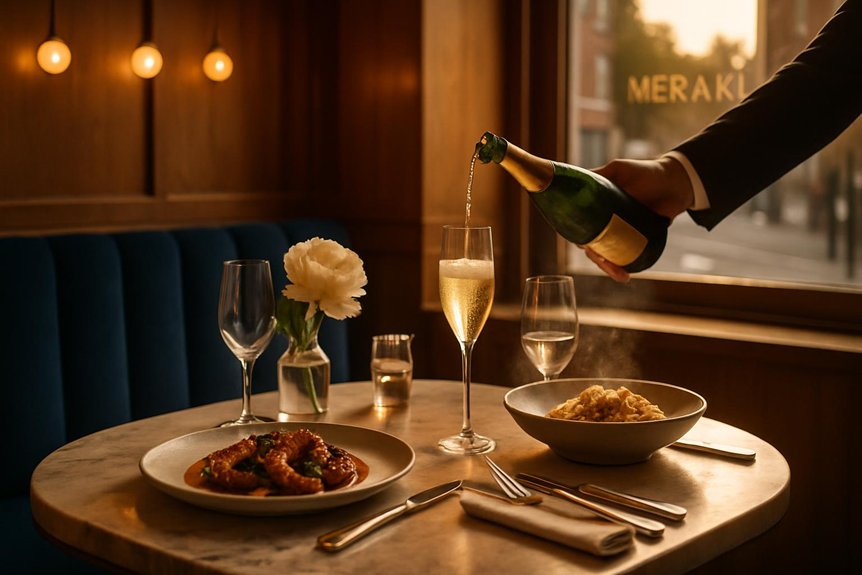
Curated lists emphasize depth across wine regions, not just prestige labels. Alpine whites cleanse rich sauces; volcanic reds echo char and smoke; mature Champagne resets the palate mid-menu. Non-alcoholic pairings receive equal rigor, with teas, ferments, and verjus blends calibrated for tannin and lift.
Seasonality drives the pours. Bottles sourced after European culinary festivals highlight emerging producers, while library vintages offer context. Guests leave with a lightly scholarly impression—and a story told in glasses.
Pre-Theatre Dining: Timing, Value, and Top Picks
Pre-theatre dining in London rewards precise timing, with ideal booking windows typically falling between 5–6:30 p.m. to guarantee an unhurried service before curtain.
Many top restaurants offer set menus at this hour, delivering notable value without compromising quality.
This section outlines when to reserve and where the best-value menus can be found near major theatres.
Ideal Booking Windows
While curtain times vary across the West End, the prime booking window for pre-theatre dining typically falls between 5:00 and 6:30 p.m., allowing a relaxed two-course meal and a punctual arrival. This period balances unhurried service with predictable transit to major venues, particularly around Covent Garden, Soho, and St James’s.
Guests benefit from clear reservation timing, avoiding the post-work rush while securing attentive pacing.
For early curtains, a 5:00 p.m. seating safeguards a comfortable interval for coats, aperitifs, and check settlement. For later shows, a 6:15–6:30 p.m. seating still leaves ample transfer time.
Parties should confirm last-seating policies and kitchen cut-offs when selecting a booking window.
Precision matters: align travel routes, interval expectations, and encore contingencies to prevent rushed courses or delayed arrivals.
Best-Value Menus
Having secured the right seating window, attention turns to menus that maximise flavour and time without inflating the bill. Pre-theatre offerings often deliver luxury at a measured spend, typically two or three courses served within 60–90 minutes.
The smartest picks showcase local ingredients and culinary innovation in compact formats—think market-fresh fish, seasonal vegetables, and a signature dessert.
Value emerges where set pricing includes bread, a palate-cleansing amuse-bouche, or coffee. Diners should check cut-off times—usually 5–7 pm—and confirm whether the menu runs Monday to Friday only.
Top performers include Michelin-starred rooms that adapt headline dishes into streamlined courses, as well as grand hotel brasseries with deft service and sharp wine pairings.
Book early, note dietary policies, and verify service charges.
Sky-High Lounges and View-Driven Experiences
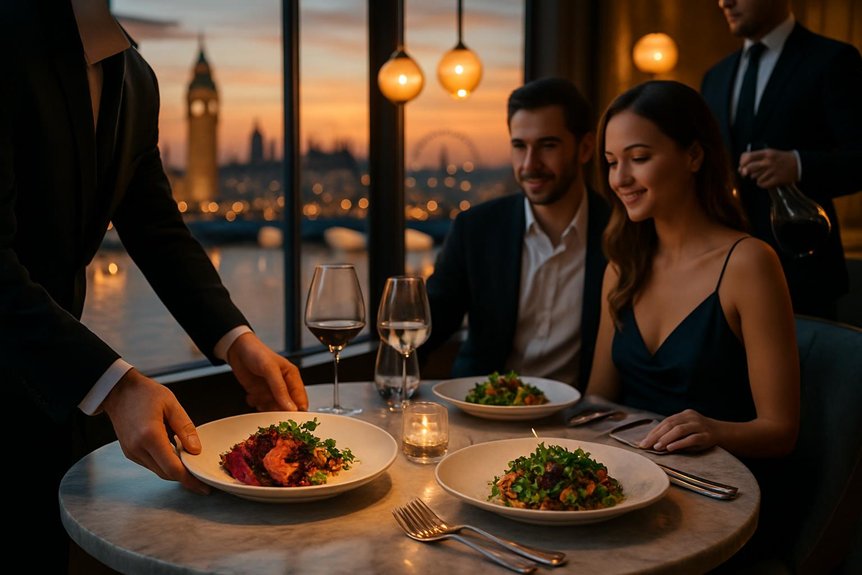
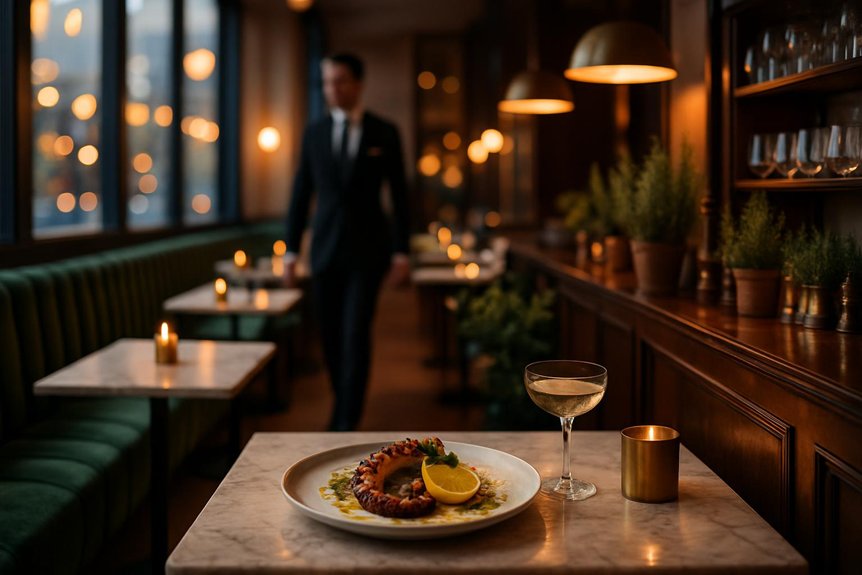
How better to grasp London’s scale than from a bar suspended above its skyline? From glass-clad perches, guests watch the Thames coil between shards of light while cocktails mirror the city’s gleam. Plush banquettes, ambient lighting, and decorative tableware set a composed tone; the spectacle outside becomes an ingredient, not a distraction. Service calibrates pacing to sunset, allowing courses to coincide with the city’s slow illumination.
- Height reframes flavor: mineral notes in oysters echo river and slate below.
- Space becomes theatre: reflections double horizons, making each sip feel cinematic.
- Craft over clamor: restrained playlists and hushed service let conversation and skyline share the stage.
- Time as luxury: reservations planned around twilight reward patience with layered panoramas, weather’s drama, and unhurried indulgence.
Iconic Hotel Dining Rooms and Grand Service
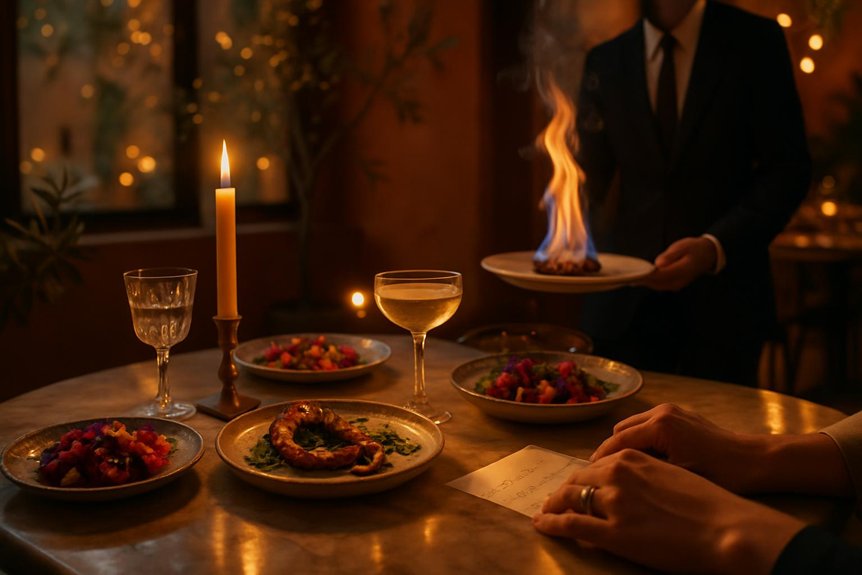
From vistas in the clouds to chandeliers at eye level, London’s landmark hotels trade spectacle for ceremony. Marble corridors usher guests into dining rooms where heritage interiors frame hushed precision. White-gloved teams choreograph courses with quiet tempo; trolleys glide, domes lift, sauces are finished tableside. Crystal, silver, and monogrammed linens signal an old-world ethos refined for modern appetites.
Service begins at the door—valet service sets the tone—then flows seamlessly to the table, lounge, and suite. Sommeliers decode grand cellars without theatrics, while maîtres d’ orchestrate pacing to the minute. For those seeking privacy, In room dining mirrors the main room’s standards, delivering gueridon-carved classics and flawless plating.
The result is not ostentation but reassurance: ritual elevated to artful hospitality.
Seasonal Menus, British Produce, and Sustainability
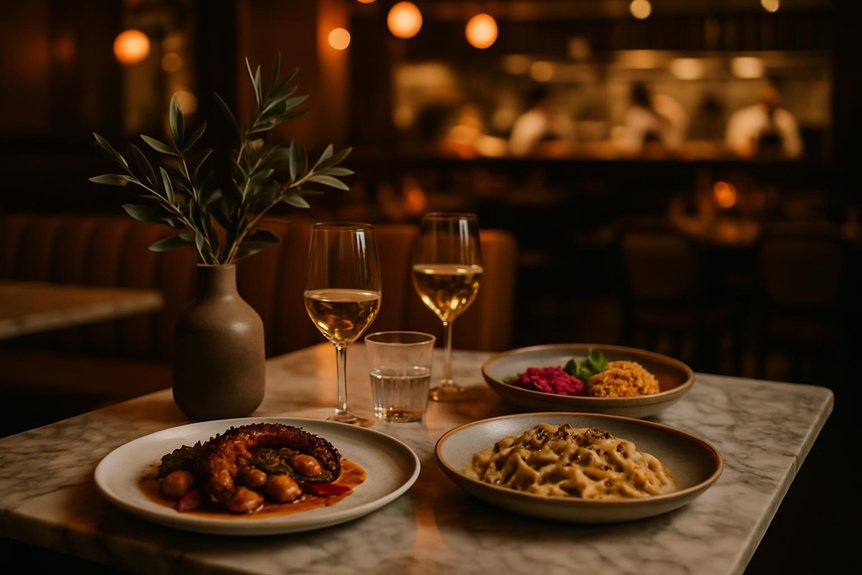
Why does London’s luxury dining feel most assured when it trusts the calendar? Because the city’s top kitchens now shape menus around tides, hedgerows, and harvests. Chefs privilege seasonal ingredients, treating British produce as a compass rather than a constraint.
Local sourcing tightens supply chains, heightens flavor, and trims waste; provenance is itemized with the precision once reserved for wine lists. Sustainability becomes less manifesto than method: day-boat landings, regenerative farms, and nose-to-tail menus define the quiet grammar of luxury.
- Scarcity sets rhythm: brief seasons elevate desire and discipline.
- Terroir replaces excess, letting craft—not ornament—carry the plate.
- Shorter routes mean fresher textures and lower footprints.
- Transparency builds trust; diners taste decisions, not slogans.
The result is luxury that feels current, ethical, and distinctly London.
Impeccable Service Without the Starch
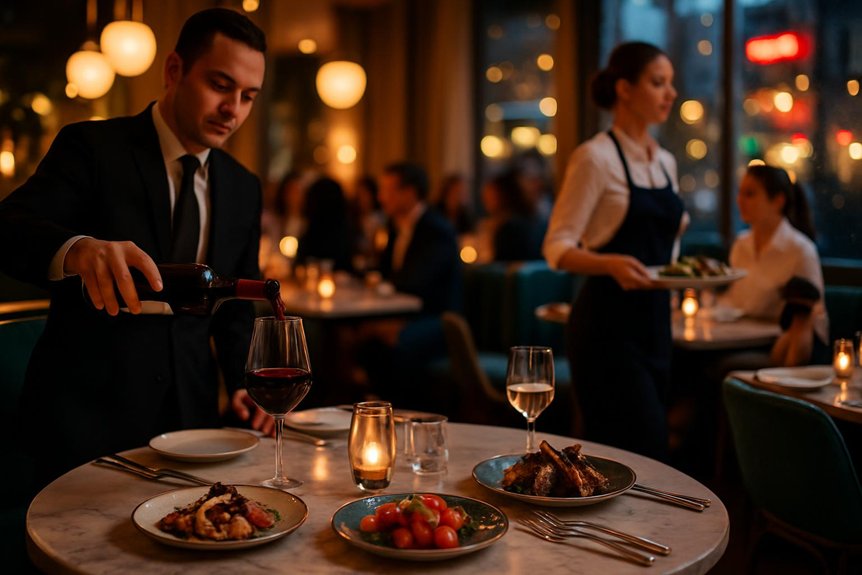
In London’s top dining rooms, service moves with quiet fluency—attentive, anticipatory, and unforced. Staff read the table quickly, calibrating tone and tempo without performance. Menus arrive with succinct guidance, while wine pairings are explained, not preached.
Servers manage dietary restrictions with discretion, confirming details once, then adapting courses seamlessly.
Precision carries through to pacing: plates land together, water is topped without interruption, and the bill appears only when clearly desired. Technical polish supports warmth; names are remembered, coats appear before a request, and chairs are adjusted silently.
Food presentation is introduced with brevity—highlighting a chef’s intent, not overshadowing it. The result is hospitality that feels personal yet restrained, an elegant infrastructure designed to let conversation and cuisine lead.
Special Occasions and Bucket-List Itineraries
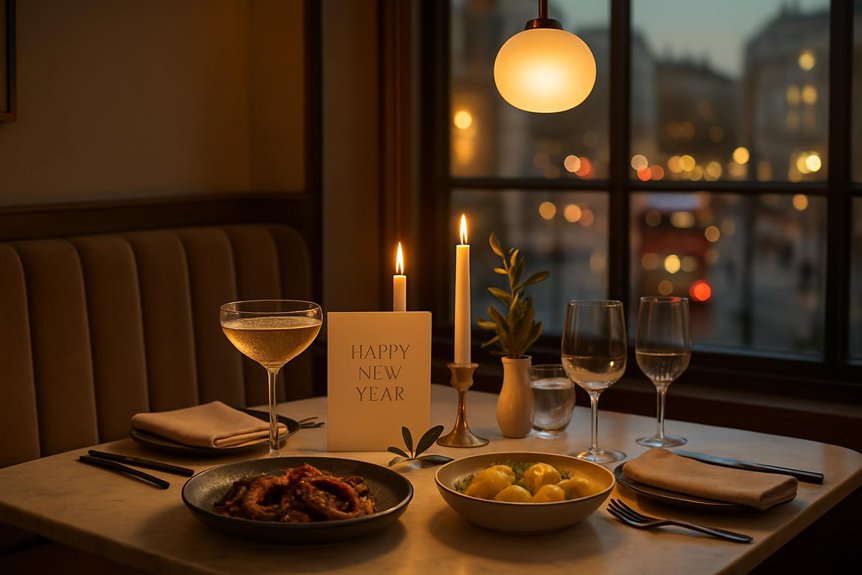
A milestone dinner in London warrants planning that matches the occasion, and the city rewards forethought. For proposals, milestone birthdays, or once-in-a-decade feasts, reservations should align with seasonal menus and sunset views. The finest rooms pair architecture with measured service, ensuring dining ambiance that heightens memory without overshadowing conversation. A discreet call ahead secures bespoke touches—monogrammed menus, chef tastings, or a sommelier’s vertical flight—while observing luxury etiquette keeps the evening effortless.
- Choose venues where the room’s acoustics and lighting support intimacy, not spectacle.
- Time courses around speeches or surprises, coordinating with the kitchen to pace the arc.
- Balance signature dishes with personal favorites to anchor the meal emotionally.
- Close with a meaningful send-off—digestifs, kitchen visit, or riverside nightcap.
Conclusion
As twilight skims the Thames, linen gleams like calm water, crystal chiming soft as oars. Doors hush; a sommelier’s hand draws seasons from a bottle, chefs stitch fields to plate in quiet threads. Timetables glide with theatre lights, silver domes lift like curtains. Heritage rooms breathe, yet footsteps stay unhurried. Sustainability roots the feast; etiquette moves like silk. In the afterglow, London’s luxury lingers—a measured cadence of service, craft, and memory, tasting of tomorrow.