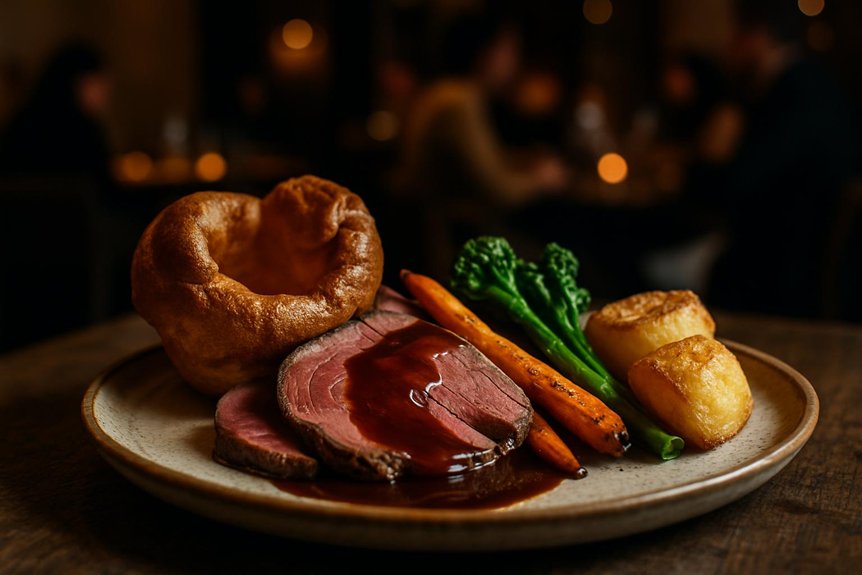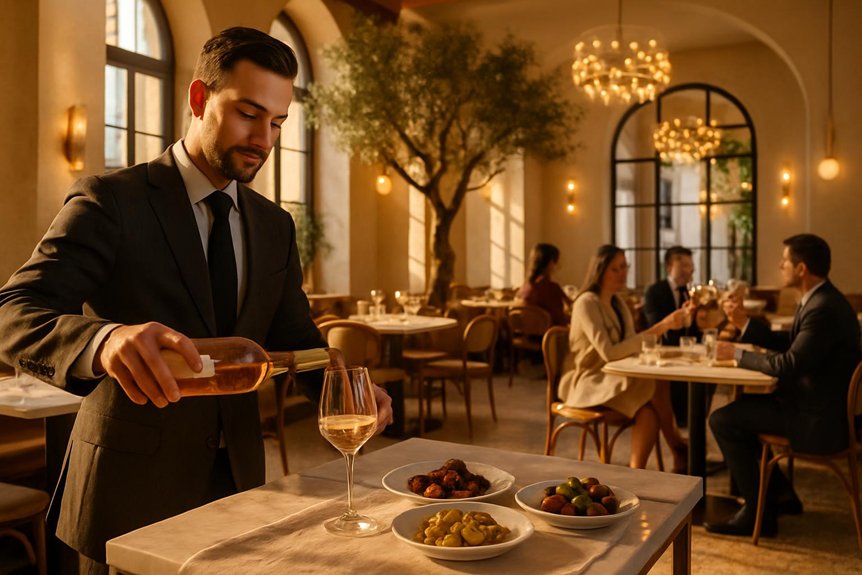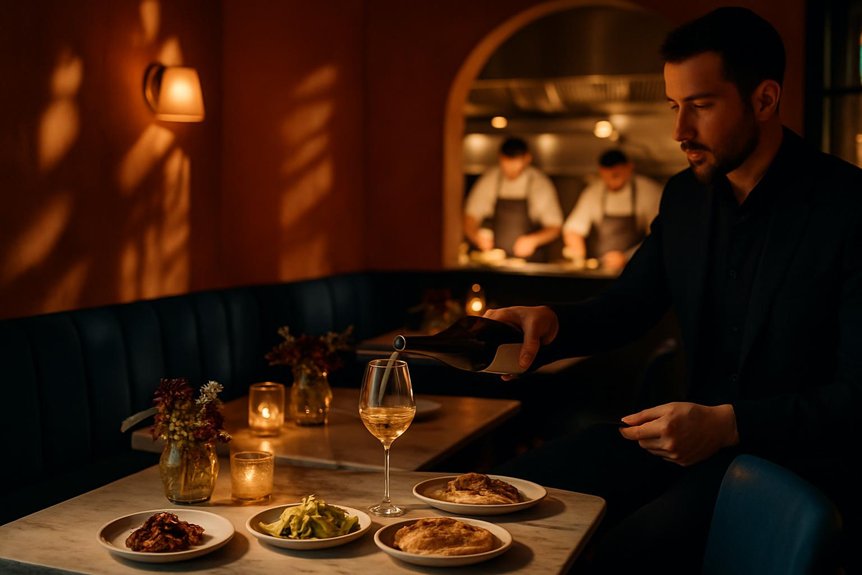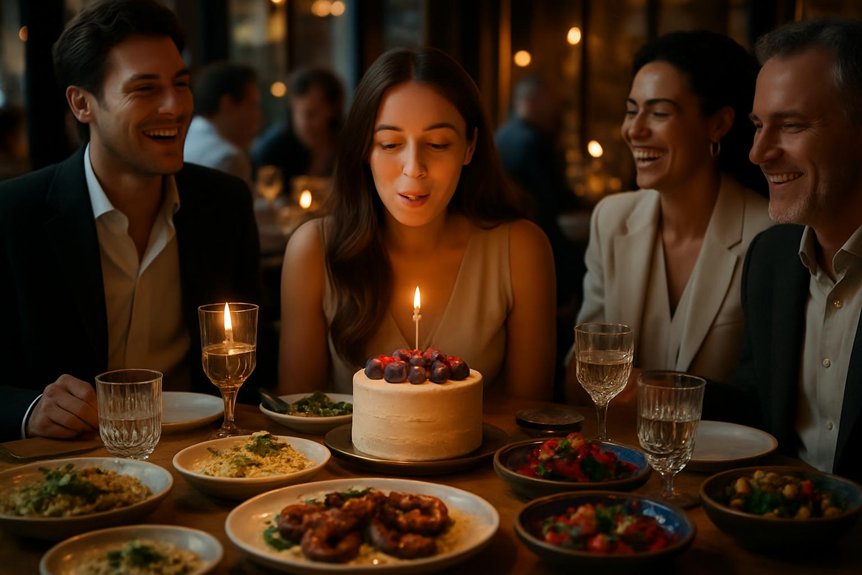

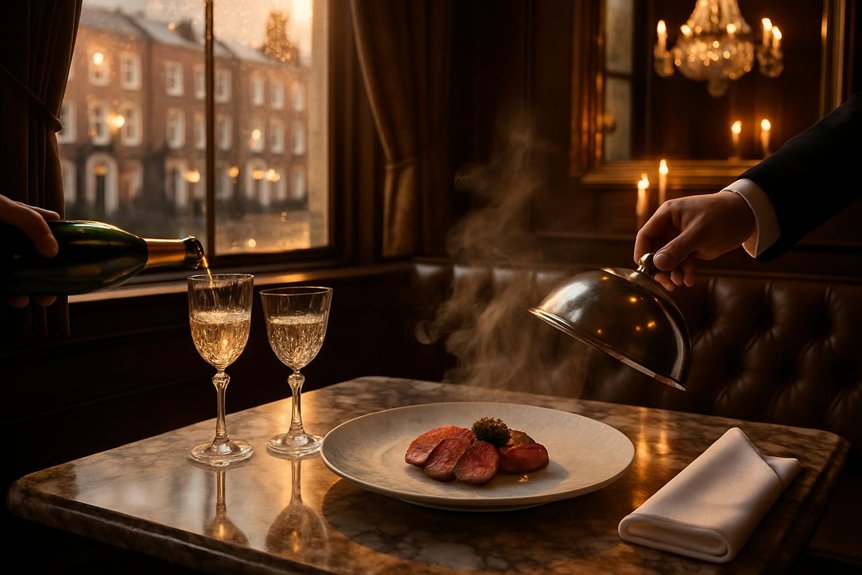
London’s most lauded dining rooms balance innovation with restraint. Michelin stars signal precision, but the true allure lies in chef’s counters, sculptural spaces, and menus that unfold like choreography. Sommeliers guide guests through rare cellars, while service moves with quiet finesse. Seasonal British produce meets global technique, resulting in plates that feel both intimate and grand. Behind closed doors, bespoke experiences await. What defines the peak is not excess, but how seamlessly it all comes together.
Michelin Stars and Modern Mastery
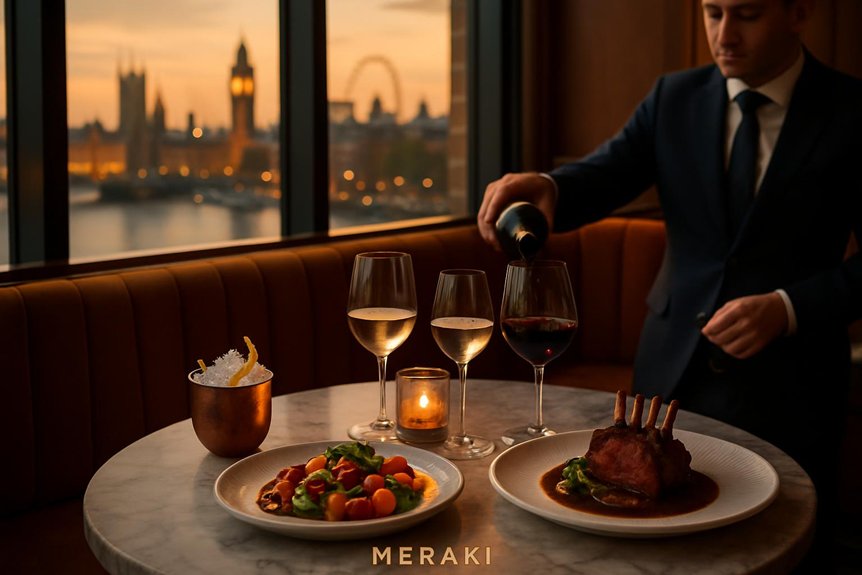
Three gleaming stars remain the industry’s bluntest instrument for signaling excellence, yet the modern Michelin landscape is defined as much by innovation as by rigor. In London, mastery is measured by clarity of concept, flawless sourcing, and technique that advances flavor without spectacle. Tasting menus evolve with seasons rather than ego, while kitchens pair precision with sustainability, traceability, and waste discipline. The guide’s expanding lens now recognizes craft beyond white tablecloths, spotlighting casual eateries where detail equals ambition. Even lessons from fast food—speed, consistency, and design for flow—inform service choreography and guest comfort. Wine programs are lighter, terroir-driven, and price-aware, encouraging discovery. Here, luxury reads as intention: quiet confidence, exact cooking, and hospitality calibrated to make excellence feel effortless. Experience Meraki’s commitment to sustainability, as it integrates eco-friendly practices and responsibly sourced ingredients, exemplifies how luxury dining can harmonize with ecological responsibility.
Chef’s Tables and Intimate Counters
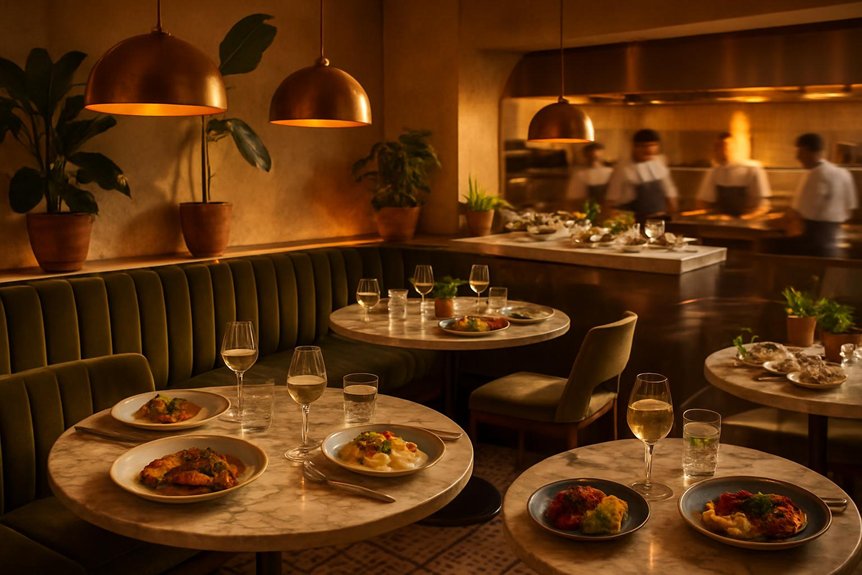
A chef’s table or counter compresses the luxury experience into proximity, placing guests within arm’s reach of the brigade and the fire. Here, choreography becomes cuisine: plating finishes in seconds, sauces whispered from bain-marie to plate, and heat, smoke, and steel narrate each course. The format rewards precision; portions are micro-calibrated, pacing is athletic, and menus often pivot mid-service. Luxury aligns with provenance. Many counters adopt farm to table sourcing, name-checking growers and day-boat landings as confidently as vintages. Sustainability initiatives surface in thoughtful nose-to-tail servings, vegetable-led interludes, and minimized waste, often explained by the chef presenting the dish. The exchange is intimate but disciplined—fewer seats, sharper focus, and a direct line between idea, ingredient, and guest. Guests are encouraged to enjoy a vibrant atmosphere akin to “A Night in the Living Room” at Meraki Restaurant, where dining and dancing converge for a unique nightlife experience.
Iconic Rooms With Architectural Drama
If the counter refines luxury to a whisper, the grand dining room broadcasts it at full volume. London’s most iconic rooms assert status through scale, symmetry, and theatrical sightlines. Guests cross thresholds into soaring naves, marble-clad halls, or paneled salons where chandeliers dictate tempo and conversation hums beneath frescoed ceilings.
Architectural drama here is purposeful, not cosmetic. Proportions frame ceremony; axes guide service like choreography. Historical significance anchors the experience: repurposed ballrooms, former banking chambers, and Edwardian galleries preserve civic memory while showcasing contemporary interior design.
Velvet banquettes soften stone, gilding catches candlelight, and acoustic treatments tame grandeur without muting it. Every column, cornice, and arch becomes part of hospitality’s script, ensuring the room itself delivers the first course: atmosphere with authority. In London’s competitive dining market, establishments like Meraki Bar focus on providing exceptional dining experiences to attract a diverse clientele.
Tasting Menus That Redefine Indulgence
How does indulgence evolve when courses arrive as a narrative rather than a feast? In London’s most lauded dining rooms, tasting menus turn appetite into storyline, each plate a measured chapter. Precision drives tempo: a saline kiss of oyster gel, a whisper of aged beef, a crescendo of cacao and smoke.
Artistic plating does more than decorate; it directs focus, shaping how textures and temperatures land. Chefs choreograph contrasts—acid against fat, crunch after silk—to sustain curiosity without excess.
Portions are deliberate, pacing is calm, and service edits the experience with quiet confidence. Wine pairings act as supporting dialogue, enhancing intent without stealing the scene.
Wine Sanctuaries and Rare Cellars
Behind discreet doors and temperature-stilled air, cellars function as sanctuaries where provenance is preserved and desire is curated. In London’s elite dining rooms, cellar architecture signals intent: vaulted brick, vibration-damped racks, inert-gas systems, and calibrated humidity protect fragile vintages as rigorously as any gallery guards art.
Sommelier expertise turns these stores into living libraries, mapping terroir to texture, storyline to glass.
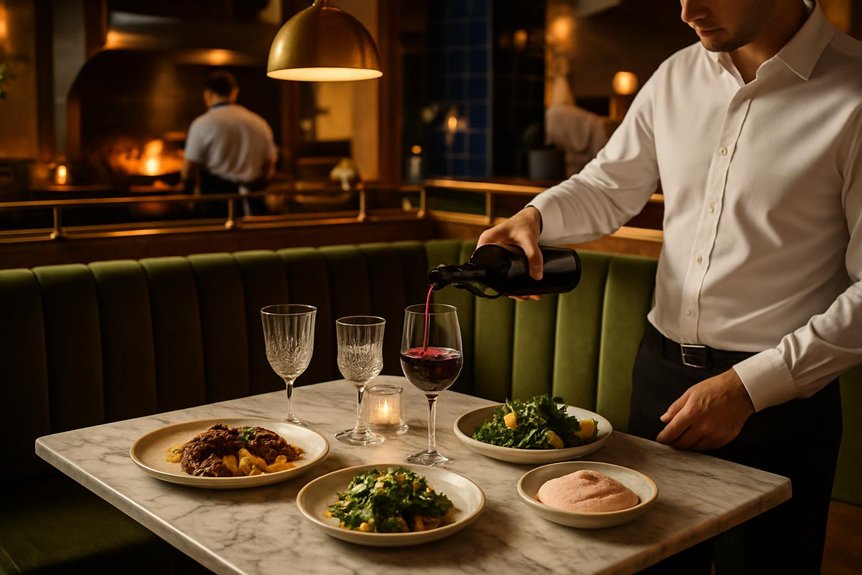
Access is choreographed. Guests descend for whispered tastings, guided through verticals that trace decades of weather and winemaking. Rarities—old Bordeaux, grower Champagne, Jura curiosities—sit beside cult New World allocations, each bottle documented, insured, and tracked.
Technology serves discretion: RFID, blind-coded inventories, and provenance audits. The result is confidence—pairings that feel inevitable, service that feels invisible, and memories sealed under cork.
Seasonal British Produce, Elevated
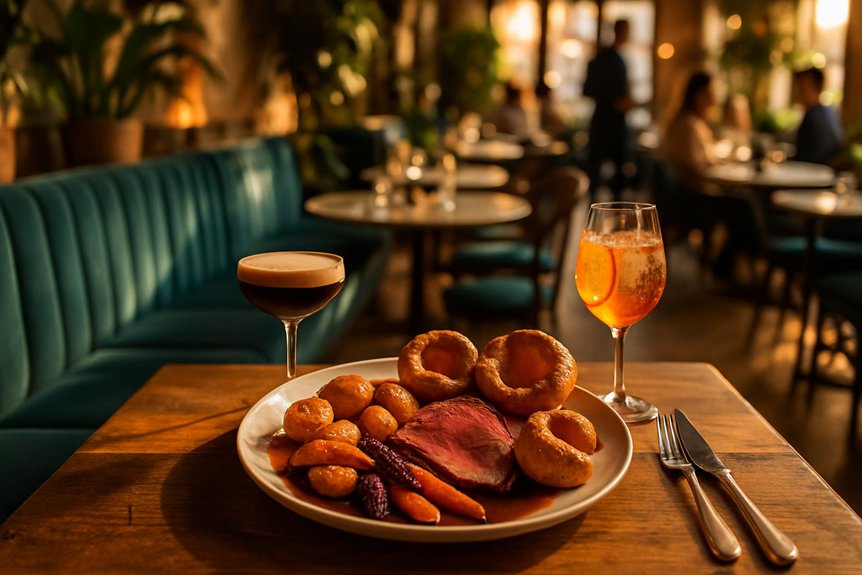
From the hush of the cellar to the quiet discipline of the kitchen, luxury sharpens into focus on the plate. London’s finest dining rooms elevate seasonal British produce with a near-liturgical respect: day-boat turbot, Wye Valley asparagus, Kentish cherries, and Orkney scallops arrive with provenance intact. The Farm to Table ethic becomes orchestral—micro-seasoned, minimally traveled, and handled with exacting restraint.
Chefs translate comfort into precision, delivering Gourmet Comfort without compromise, where warmth and rigor coexist.
- Wild meadow herbs infuse sauces with place-specific nuance
- Heritage breeds yield depth, aged and carved with needlepoint accuracy
- Forgotten vegetables reappear, charcoal-kissed, vividly sweet
- Dairy from single herds anchors emulsions with silken weight
- Honey, cider, and coastal salts finish dishes with quiet intensity
This is British seasonality, distilled and impeccably served.
Global Influences With Luxe Precision
Although rooted in Britain’s larder, the menu reads with a cosmopolitan cadence, each note tuned to fine-dining exactitude. Techniques migrate from Tokyo counters to Parisian ateliers, shaping plates that prize clarity over clutter.
Citrus-cured turbot meets kombu butter; a whisper of vadouvan steadies native scallops; miso caramel anchors a treacle tart with quiet authority.
This is global gastronomy filtered through discipline, not spectacle. The kitchen pursues fusion fusion as rigor rather than novelty, respecting origin while refining outcome.
Spice is calibrated, not shouted; smoke is measured, not theatrical. Provenance remains local, yet flavor maps extend confidently across continents.
Wines mirror the arc: rieslings for salinity, aged sake for umami, old-world reds for depth.
The result: elegance, coherence, and modern London on the plate.
Service as an Art Form
Precision on the plate finds its counterpart in the room, where service operates with quiet choreography. In London’s top dining rooms, timing, tone, and spatial awareness shape a discreet theatre of care.
Service elegance is measured not by spectacle but by restraint: a napkin refolded before it falls, a glass topped at the exact point where aroma shines, an entrée delivered at peak temperature without interrupting conversation.
Guest personalization anchors the craft, informed by attentive observation rather than interrogation.
- Menus presented to suit pace, not pressure
- Wine guidance calibrated to palate memory, not price
- Courses synchronized so dialogue, not dishes, leads
- Table resets executed invisibly, preserving rhythm
- Dietary nuances anticipated and confirmed briefly
The result is a seamless arc where hospitality feels inevitable, never staged.
Private Dining and Bespoke Experiences
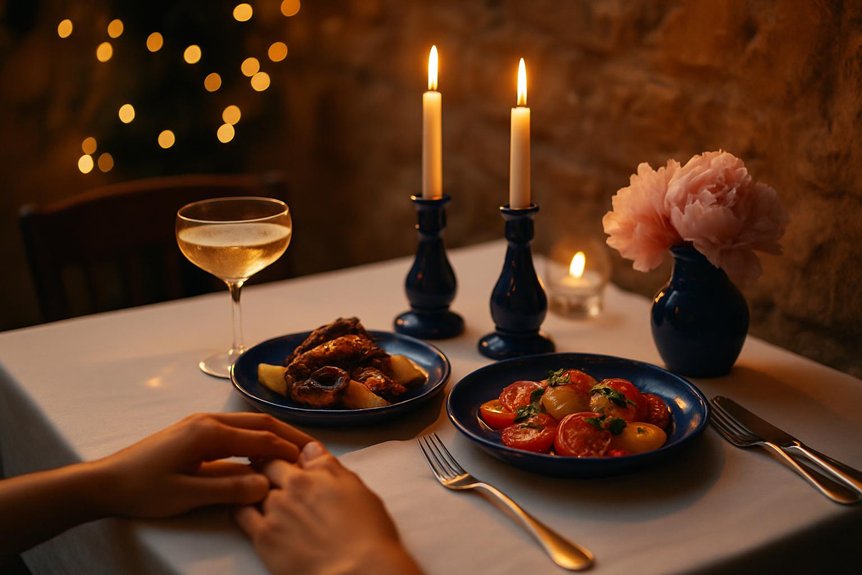
A private room transforms fine dining into an intimate commission, where space, menu, and cadence are tailored to a single table’s narrative. In London, elite restaurants refine this into choreography: discreet entrances, dedicated sommeliers, and service that vanishes between courses.
Settings often carry hidden history—vaulted cellars, former townhouses, or chambers once hosting diplomats—adding quiet theater to the meal.
Bespoke experiences hinge on precision. Chefs design personalized menus after consultations on palate, provenance, and dietary frameworks, aligning courses with wine flights or zero‑proof pairings.
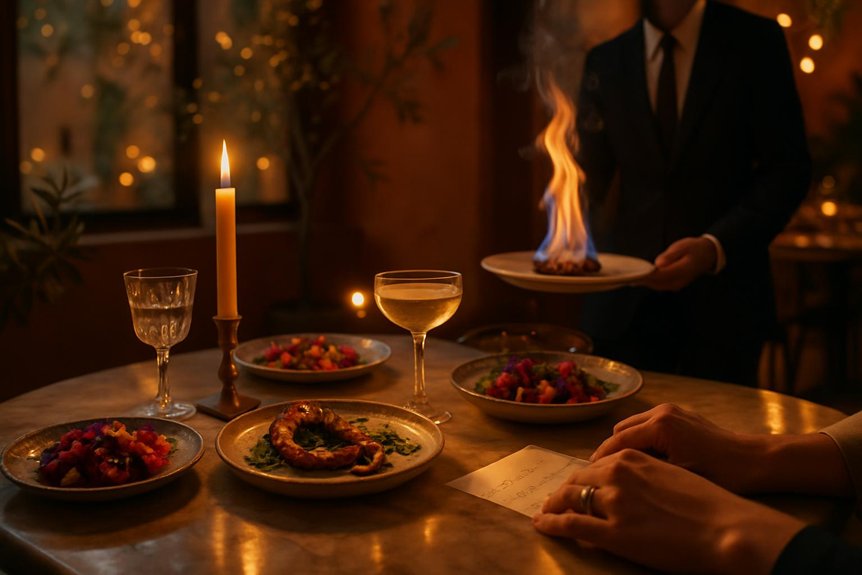
Tableware, florals, and soundscapes are curated to match occasion and tone. Interactive elements—chef’s table previews, carving rituals, or rare tea ceremonies—extend the arc. The result is privacy without isolation: a meticulously scripted encounter that feels singular, memorable, and measured.
Conclusion
In the end, London’s finest tables prove that luxury dining is more than a meal—it is a meticulously choreographed journey. From star-studded kitchens to intimate counters, from architectural drama to whisper-quiet service, every detail sings in harmony. Rare cellars, seasonal British bounty, and global finesse converge to create experiences tailored with precision. As the curtain falls, the city’s haute cuisine shows its hand: when it comes to indulgence, London doesn’t just raise the bar—it sets it.