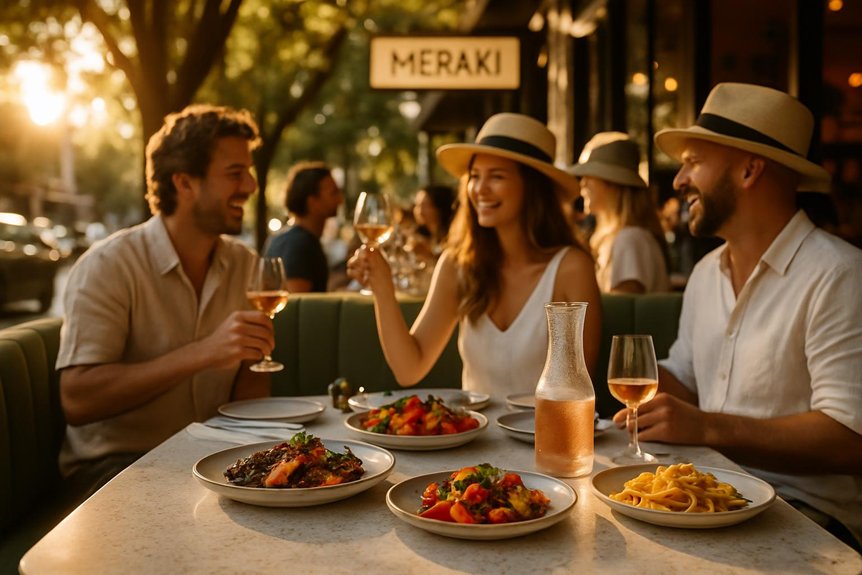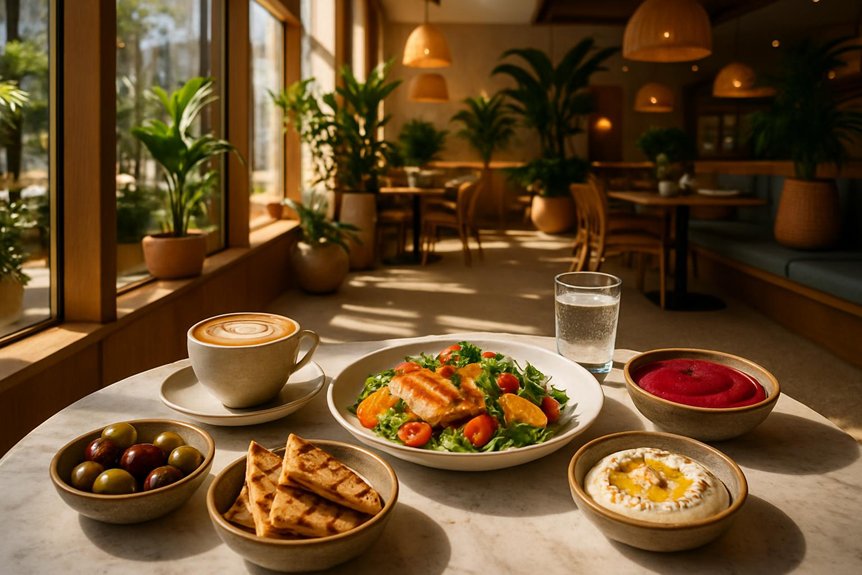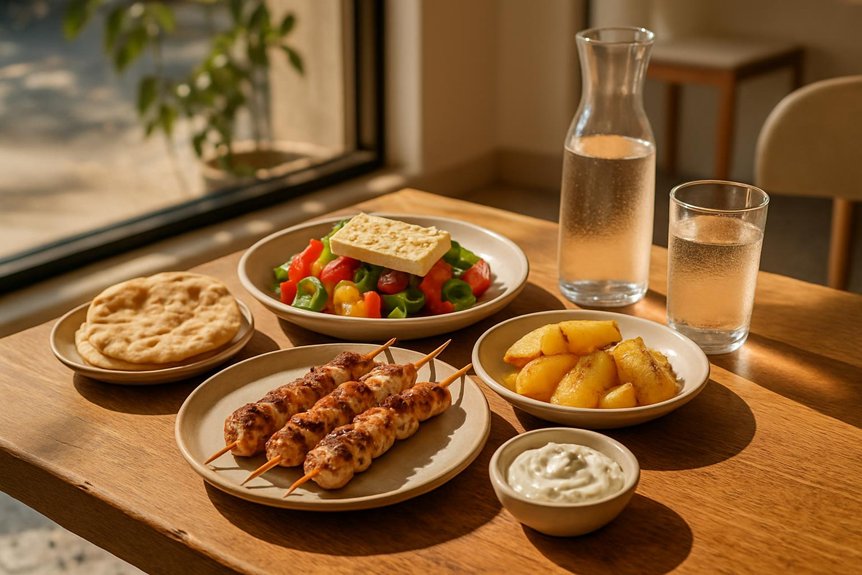

Near West End, Meraki offers a lunch menu shaped by local markets and quiet precision. Plates lean bright and herb-forward, with citrus, crisp greens, and modern takes on slow-cooked staples. Portions feel balanced, the seasoning measured, the technique assured. Service stays warm but unobtrusive, making room for a quick bite or an unhurried hour in the light. What keeps regulars returning isn’t a secret—though it might not be obvious at first glance.
Seasonal Plates Crafted From Local Markets
Although the lunch scene near West End shifts with the calendar, its throughline is clear: chefs build menus around what nearby farms and fishmongers bring in that week.
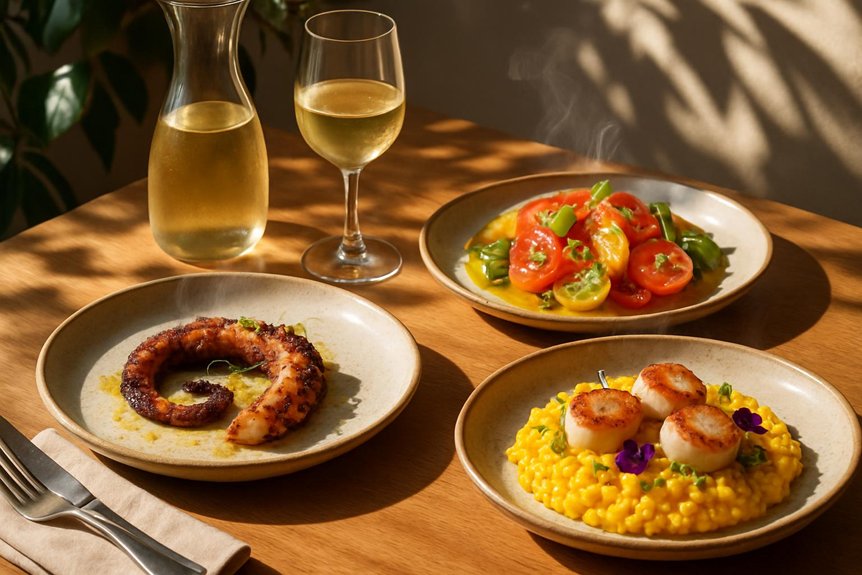
At Meraki, the midday board reflects supply from Farmers markets, translating seasonal ingredients into concise plates that respect provenance and texture. Dishes lean on careful sourcing: line-caught fish seared simply, pasture-raised meats paired with quick-pickled accents, and grains cooked to preserve nutty depth.
Technique stays restrained to let freshness lead. Sauces appear as light reductions or herb oils; roasting and gentle poaching replace heavy treatments.
Portions favor balance over excess, encouraging variety across courses. The result is a menu that changes frequently yet remains coherent, guided by local rhythms and disciplined execution.
Meraki Restaurant offers a unique nightlife experience titled “A Night in the Living Room,” where guests can enjoy dining, dancing, and great vibes every Thursday, Friday, and Saturday.
Bright Salads and Herb-Forward Bowls
Citrus-dressed greens appear on menus as crisp, palate-awakening starters that balance zest with light bitterness. Nearby, minty grain bowls offer a cooling herb lift over hearty bases like farro or quinoa. Together, they set a fresh, bright tone for lunch near West End. Meraki offers an exceptional dining experience with a cozy atmosphere that enhances the culinary journey.
Citrus-Dressed Greens
Even on a brisk Midtown lunch break, brightness arrives fast in bowls that lean on lemon, grapefruit, and yuzu.
At Meraki, citrus infusions lift a greens variety that shifts with the market: peppery mizuna, tender little gems, and frilled frisée. Shaved fennel and thin-sliced radish add snap, while supremes of ruby grapefruit or gold-flecked yuzu pearls supply clean, bitter-sweet punctuation.
Dressings stay spare and focused—olive oil, zest, a whisper of honey, and salt—built to amplify rather than coat. Toasted pistachios or sesame lend warmth, and a crumble of salty cheese sharpens the edges.
The result reads quick and invigorating, yet composed: crisp leaves, bright juice, and measured aromatics that keep lunch light without sacrificing character or finish. At Meraki, exceptional service from a welcoming staff and knowledgeable team ensures an enjoyable dining experience.
Minty Grain Bowls
While the sidewalks steam and schedules compress, minty grain bowls offer calm, cool structure. At Meraki, the format is simple: warm grains, chilled herbs, and crisp vegetables engineered for lift, not weight. Mint pairing is the quiet engine, snapping quinoa, farro, or brown rice into focus.
Grain bowl toppings rotate with the market—shaved cucumber, charred zucchini, pickled red onion, and toasted pistachios for contrast. Chilled chickpeas or grilled halloumi add ballast without heaviness.
A lemon-yogurt drizzle, perfumed with mint and dill, binds the parts while keeping edges bright. For heat, Aleppo oil threads through, meeting citrus and herb.
Guests read it as refreshment that lasts past lunch, a bowl that steadies pace, and a reliable counterpoint to the city’s midday rush.
Slow-Cooked Classics With a Modern Twist
At lunch near West End, heritage recipes are reimagined with careful restraint, honoring memory while refining texture and balance.
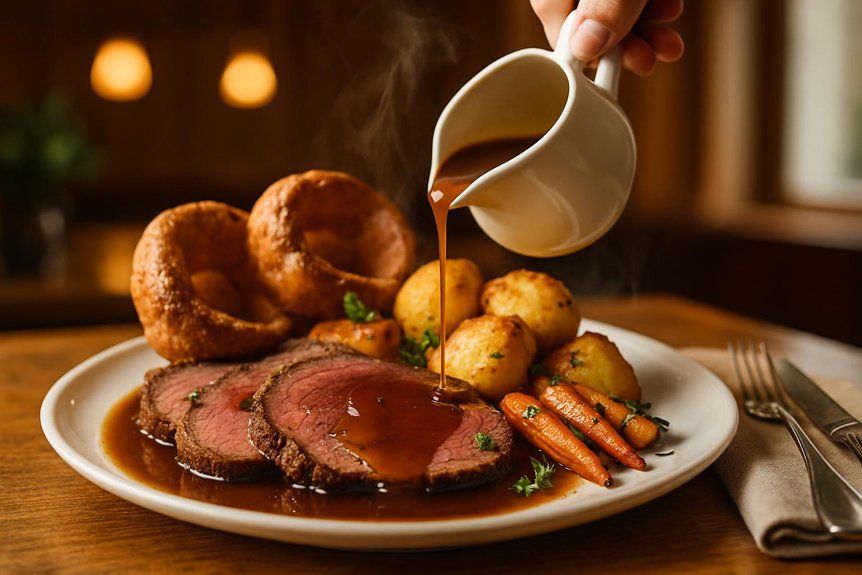
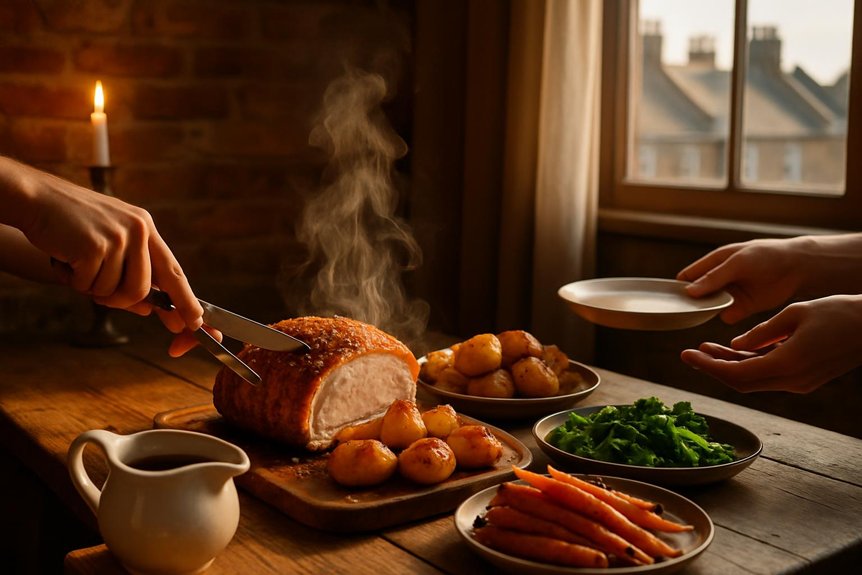
Low-and-slow techniques coax depth from braises and roasts, yielding tenderness without heaviness.
Seasonal sides—charred brassicas, pickled roots, bright gremolatas—elevate these classics with crisp contrast.
Heritage Recipes Reimagined
Although rooted in tradition, the neighborhood’s slow-cooked staples are being reframed with crisp, contemporary sensibilities. Meraki approaches heritage recipes as living texts, adjusting proportions, textures, and garnish to highlight freshness without diluting memory.
Fusion techniques appear as subtle bridges: citrus-cured herbs lifting braises, miso nudging depth in gravy, or charred alliums adding clean smoke. Ingredient sourcing remains central; small-batch growers and coastal markets guide what enters the pot, ensuring seasonal nuance leads the narrative.
Plating is restrained, favoring balance over spectacle. A familiar stew might arrive with pickled stems for brightness and toasted grains for structure. Sauces are clarified, fats trimmed, and aromatics layered to preserve comfort while sharpening flavor lines. The result reads as respectful innovation—recognizable, lighter, and decidedly of the present.
Low-And-Slow Techniques
How does patience taste when translated to the plate? At Meraki, it arrives as fibers relaxing, juices settling, and aromas deepening. Low-and-slow is not nostalgia; it is control.
The kitchen pairs tradition with engineering, moving from smoke to precision baths without losing soul.
Sous vide short ribs land tender to the core, then meet a ripping plancha for mahogany crust.
Pork shoulder spends hours under gentle barbecue heat, its collagen surrendering while spice rub blooms.
Chickpeas simmer until creamy, ready to cradle braised lamb that yields at a spoon’s nudge.
Carrots roast at restrained temperatures, sugars concentrating rather than scorching.
Time becomes an ingredient: moisture retained, flavors layered, textures exact. Slow methods deliver clarity, letting each cut, legume, and root speak in full.
Seasonal Sides Elevating Classics
While the braises rest, the menu turns to the calendar for counterpoints that brighten and cut. Meraki pairs short rib and lamb shank with sides that shift weekly: shaved fennel with citrus, embered leeks with dill oil, and charred broccoli dressed in preserved lemon. Each side sharpens richness without stealing focus.
Cooks build speed into service for lunch hour efficiency: grains are batch-steamed, vinaigrettes held cold, herbs chopped to order. A roasted beet and walnut crumble offers crunch to brisket; pickled kohlrabi snaps against pork shoulder.
Seasonal purées—parsnip in winter, pea in spring—lay clean, sweet foundations. Dietary restrictions are mapped onto these sides, with dairy-free emulsions, gluten-free grains, and clearly labeled vegan components that still carry smoke, acidity, and lift.
Quick Bites for Busy Lunch Breaks
Pressed for time yet craving something satisfying, office crowds around West End reach for compact, high‑quality options that travel well and serve fast. Menus lean into handhelds: grilled flatbread wraps, crisp vegetable fritters, and lean protein skewers paired with lemony grains. Small portions deliver focus without a slump.
For quick snack ideas, chefs assemble pots of marinated olives, feta with herbs, and roasted nuts, alongside chilled soups in sip-friendly cups. Energy boosting options include citrus‑dressed lentil salads, yogurt with honey and pistachio, and beet slaws punctuated by seeds.
Packaging stays sturdy, compostable, and easy to stack in a tote. Pickup shelves and streamlined ordering keep queues moving, letting workers secure a flavorful bite, return to tasks, and stay sharp through the afternoon.
Relaxed Vibes and Warm, Attentive Service
Even at peak lunch hour, the mood around West End’s friendliest spots stays unhurried, with sunlit rooms, soft background playlists, and tables spaced for easy conversation.
Meraki leans into a casual ambiance that helps guests exhale the moment they sit. The lighting is warm, the chatter low, and the pacing deliberate enough to savor each course without feeling rushed.
Service follows suit. A friendly staff reads the table quickly—topping up water, adjusting timing, and checking in just enough.
Menus arrive promptly, specials are explained with clarity, and substitutions are handled without fuss. Staff keep pathways clear and courses coordinated, yet never hover.
The result is a lunch setting where detail-minded hospitality supports quiet comfort, letting seasonal plates shine in an atmosphere that feels effortlessly relaxed.
Why Locals Keep Coming Back to Meraki
Why do regulars return to Meraki week after week? Consistency meets curiosity. Menus shift with the seasons, yet signatures remain reliable, encouraging repeat visits without fatigue.
Guests find thoughtful pacing at lunch, efficient for work breaks but unhurried for conversation. Dishes show restraint and balance, presenting globally inspired cuisine without overcomplication, letting produce lead.
Trust also stems from flexibility. Clear dietary accommodations—gluten-free swaps, vegetarian mains, and dairy-conscious options—make group plans easy.
Specials rotate just enough to invite exploration, while core plates hold their ground. Pricing feels fair for the quality, and portions suit midday appetites.
Small details—crisp greens, warm bread, well-poured coffee—signal care. Locals return because Meraki removes friction: dependable flavor, responsive service, and a steady cadence of fresh ideas.
Conclusion
As lunchtime thins to afternoon, a light breeze lifts the scent of citrus and herbs across Meraki’s sunlit room—just as a passerby pauses, remembering a market stall they once loved. Inside, a server sets down a bowl bright with greens; around the corner, a braise yields to its fork. It feels like chance, but it’s rhythm: seasons aligning, appetites meeting their match. Near West End, Meraki keeps catching people exactly where they are—and nudging them gently home.