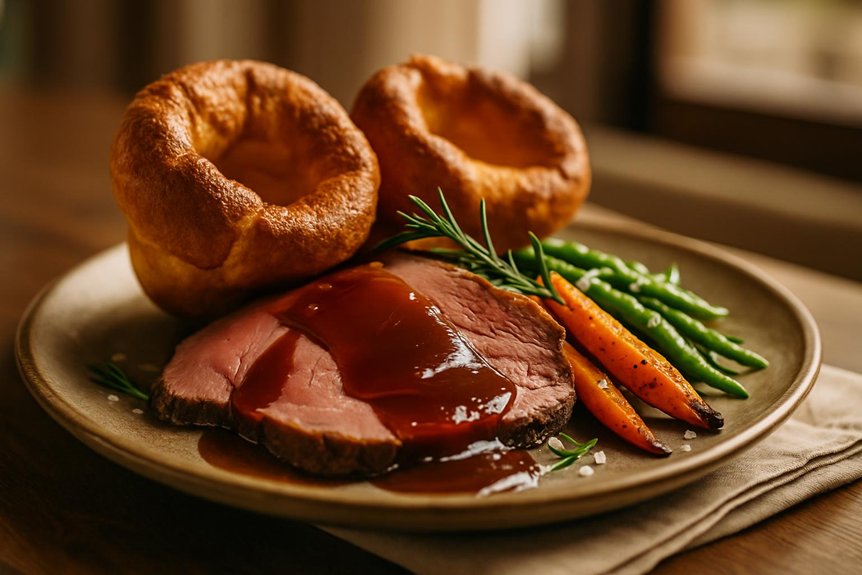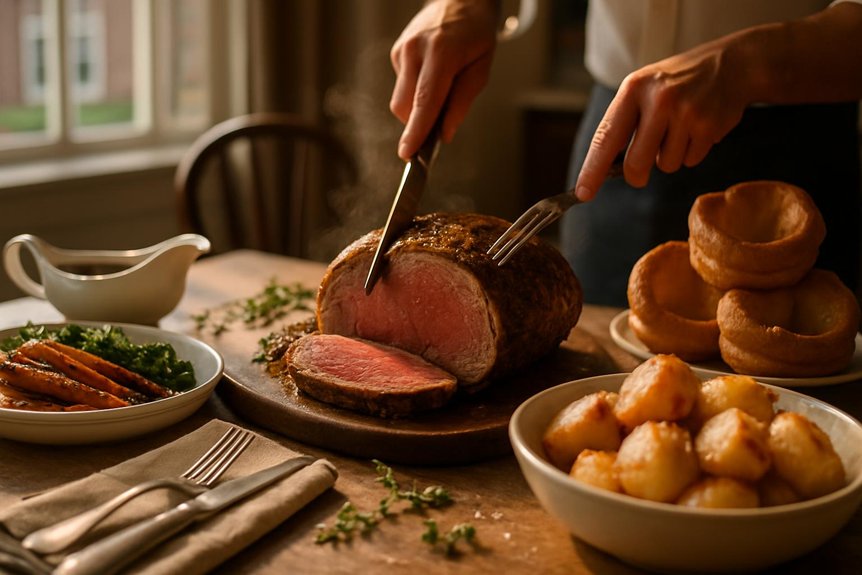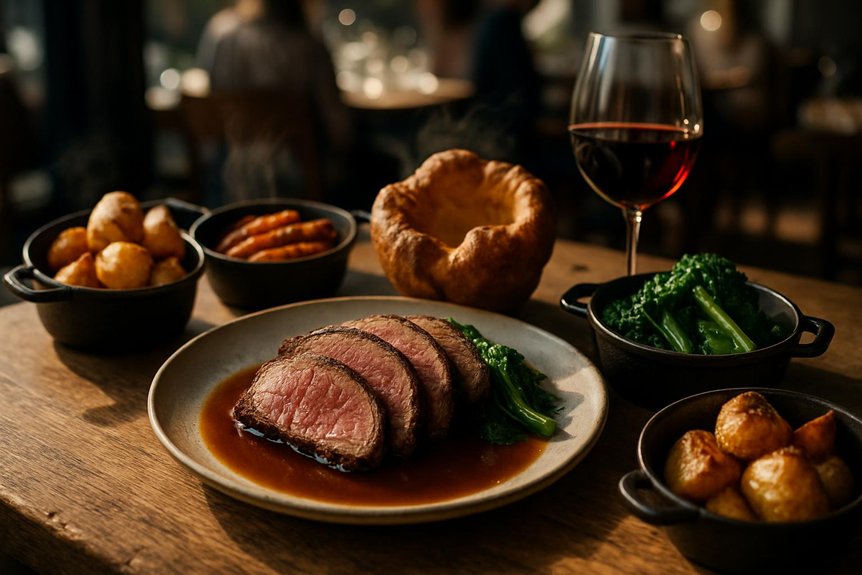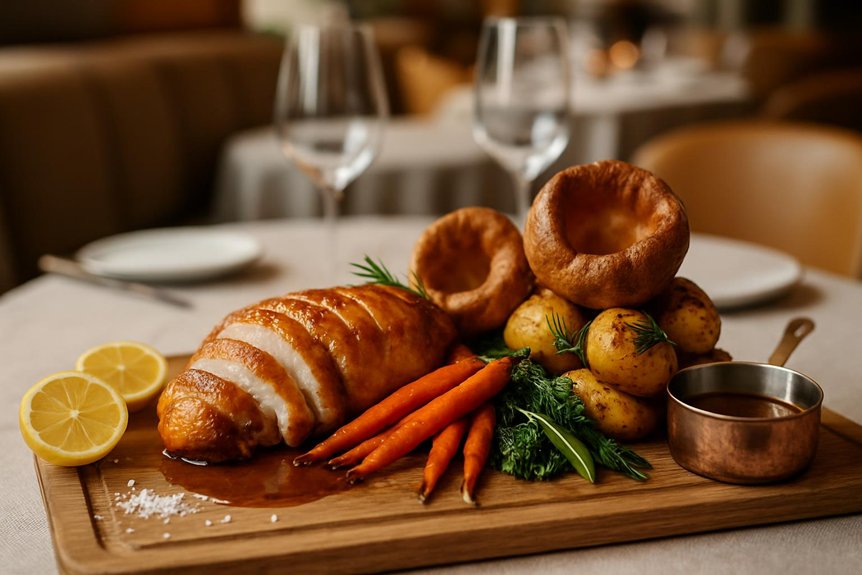

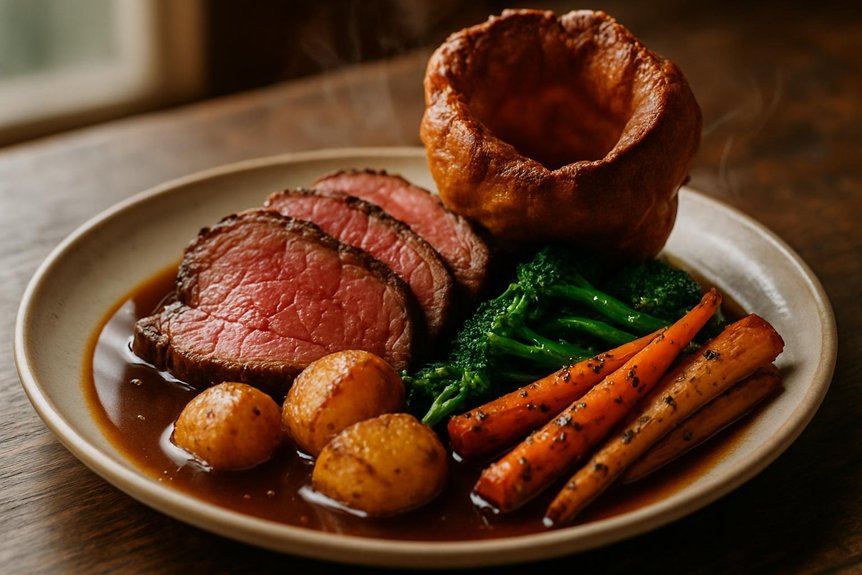
Meraki’s Sunday roast in Fitzrovia blends modern polish with British tradition. The kitchen focuses on quality sourcing, precise cooking, and calm confidence. Plates arrive with blushing meats, crisp potatoes, and seasonal sides that show restraint rather than fuss. A deep, well-made gravy ties it together. Subtle Greek touches add character without crowding the brief. Service is warm, the room inviting. But the real question is what makes this roast feel quietly definitive.
A Modern Take on the Classic British Roast
While tradition anchors the British roast, contemporary London kitchens refine it with technique and restraint. Chefs calibrate textures and timing: crisp-edged potatoes steamed before roasting, Yorkshire puddings aerated through high-hydration batter, and seasonal veg blistered or lightly pickled to sharpen the plate.
Sauces lean on reduced stocks and precise emulsions, offering depth without heaviness. Salt and acidity are measured, allowing herbs, alliums, and roasting aromas to lead.
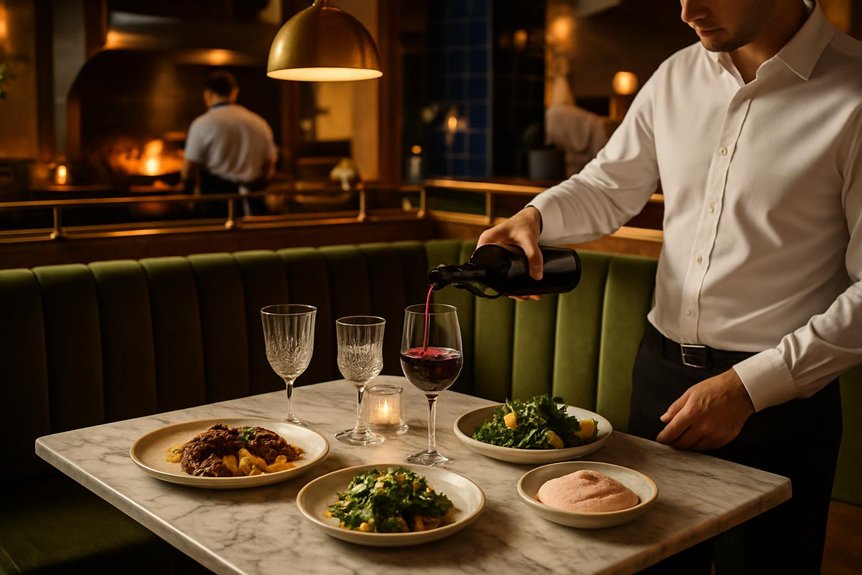
Modern service aligns pacing with considered wine selections—light, bright options to refresh between bites, or structured bottlings to frame the richer elements. At Meraki, the culinary philosophy focuses on traditional Mediterranean ingredients with an innovative twist, ensuring each dish tells a story of creativity and passion.
Dessert pairings echo this balance: citrus or orchard-fruit finales counter savory intensity, while understated creams and custards provide calm. The result respects the ritual yet feels nimble, urban, and exacting.
The Star Meats: From Blushing Beef to Herbed Lamb
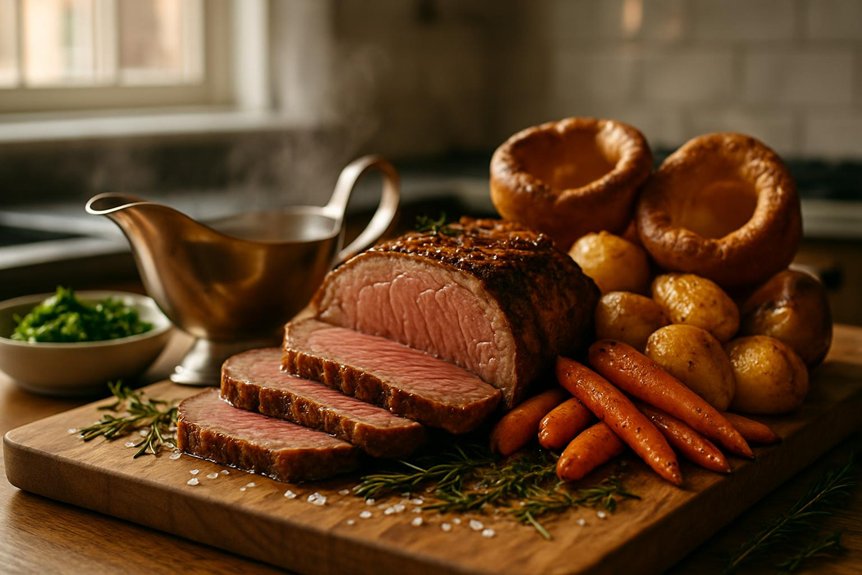
Two cuts define the ritual’s center: beef served blushing and lamb perfumed with herbs.
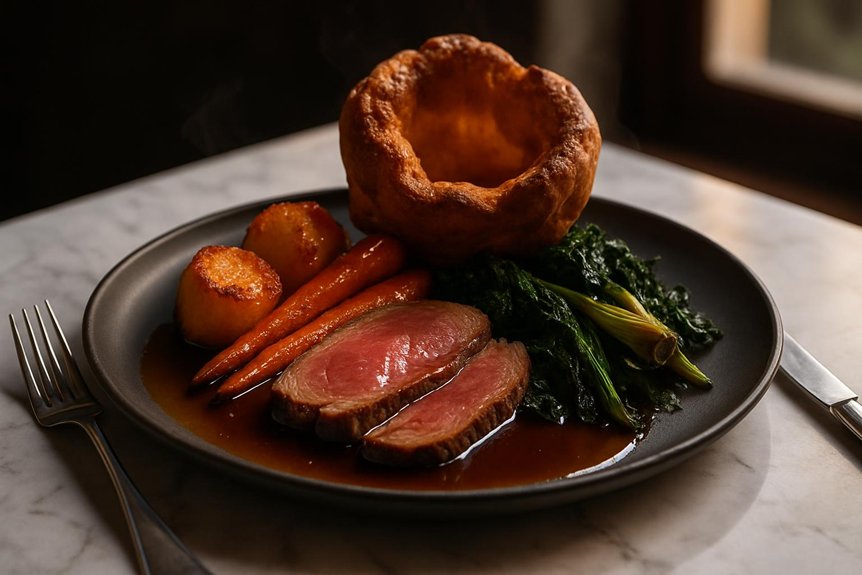
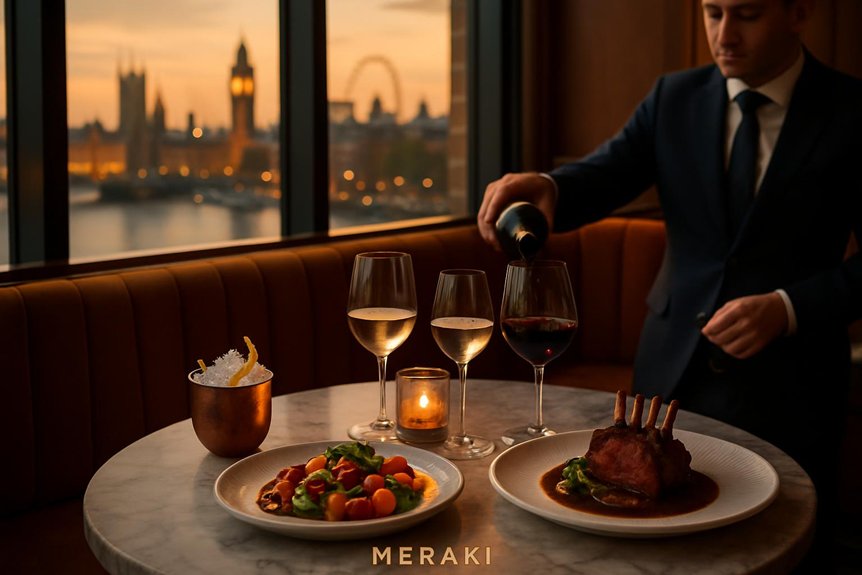
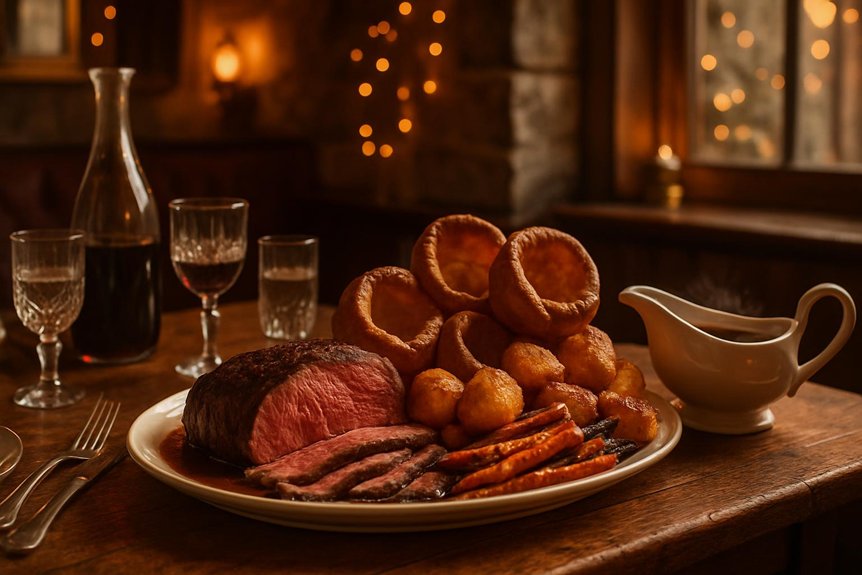
At Meraki, the beef arrives with a rosy core, its juices framed by a delicate sear. The lamb carries a garden brightness, lifted by thyme and rosemary. Technique favors restraint, letting prime sourcing speak in clean, confident slices. Saucing stays measured, a lacquer rather than a cloak. Meraki Bar provides a sixth sensory experience through its unique atmosphere and design, enhancing the dining experience.
1) Wine pairing: a structured Bordeaux flatters the beef’s iron-rich tenderness; a southern Rhône or Greek Xinomavro complements the lamb’s herbal lift; lighter Burgundy suits guests preferring silk over heft.
2) Texture calibration: carving against the grain preserves tenderness; brief resting guards moisture.
3) Dining etiquette: request doneness discreetly, taste before seasoning, and pace bites with conversation to honor the roast’s cadence.
Crispy Potatoes, Seasonal Veg, and Standout Sides
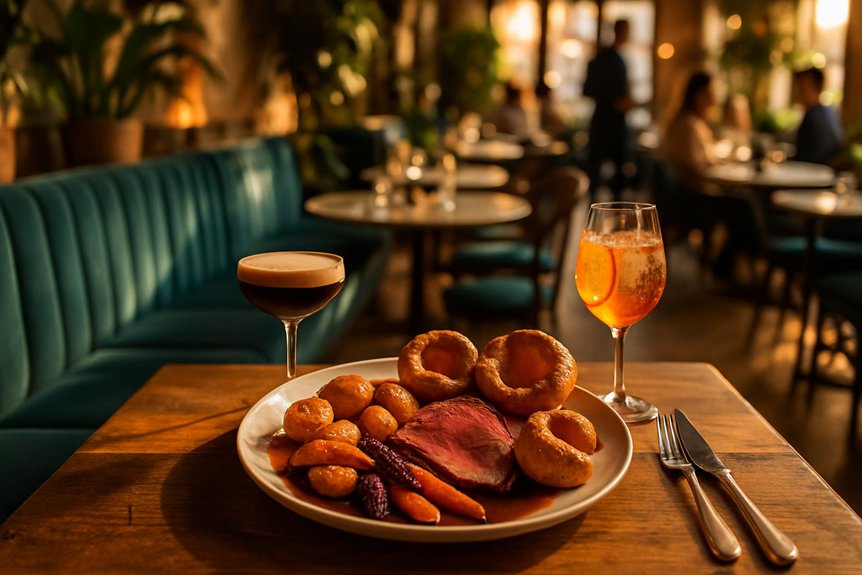
Even as the roasts command attention, the plate’s authority often rests with potatoes engineered for crunch: edges glassy, interiors steamed to fluff, lifted by salt and a whisper of fat. At Meraki, these potato preparations arrive burnished and audibly brittle, the sort that keep their structure under pressure.
They meet bright seasonal vegetable pairings calibrated for snap and sweetness: blistered carrots, buttered hispi cabbage, verdant peas, sometimes charred leeks for gentle smoke.
Standout sides deepen the rhythm without clutter. Yorkshire pudding offers lift and aeration, its hollow ready for whatever the diner prioritizes. Cauliflower cheese leans savory, sharply edged with mature cheddar and restrained nutmeg.
A cucumber-dill salad cools the tempo. Every dish at Meraki is crafted with fresh, locally-sourced ingredients, ensuring each plate is both intentional and memorable, engineered to frame the roast while standing confidently alone.
Gravy Worth Savoring to the Last Spoonful
Gravy becomes the quiet star when its slow-simmered richness carries roasted bones, veg trimmings, and fond into a deep, savory gloss.
The best versions hold a perfect pour—silky, neither watery nor gluey—so it cloaks slices without pooling.
Each spoonful should finish clean, leaving warmth and umami that invite another bite.
Rich, Slow-Simmered Depth
While the roast rests, the real enchantment deepens in the pan. Bones surrender collagen; caramelized fond loosens under a measured deglaze, and aromatics are coaxed to release quiet sweetness. A patient simmer builds structure, letting acidity, salt, and browned notes align into a savory undertow that frames the meat rather than eclipsing it. The kitchen’s restraint reads as confidence: reduction, not excess; clarity, not clutter.
1) Layers: roasted juices, a splash of fortified wine, and vegetable trimmings stack flavor without noise.
2) Technique: skim judiciously, scrape deliberately, and reduce until the aroma turns from sharp to rounded.
3) Service: a discreet ladle enriches each bite, aligning with the chef’s recommendation for a Syrah or Rioja wine pairing that mirrors the sauce’s brooding depth.
Perfect Pour Consistency
From that measured reduction comes the moment of control: setting texture so it flows like silk, not sludge. At Meraki, chefs calibrate viscosity by balancing gelatin-rich stock with a judicious starch polish, whisked until ribbons form and vanish on cue.
The pour coats roast beef without drowning it, slipping into crevices of crispy potatoes and roots, then pooling with a reflective sheen.
Consistency here nods to cultural influences: Mediterranean brightness from a whisper of lemon, British backbone from marrow and pan drippings.
Salt is restrained; umami carries. Heat is moderated to prevent splitting, while resting time lets bubbles settle for a glassy finish.
Beverage pairings respect that glide—structured reds, nutty sherries, or a textured ale—each chosen to mirror the gravy’s measured cadence.
Greek Touches That Elevate the Experience
How do subtle Greek accents transform a classic British roast into something memorable? Observers note the kitchen’s quiet confidence: Mediterranean herbs lift aromas without masking tradition, while an olive oil infusion brings gloss and depth to roasted roots and crisp potatoes. Lemon brightness nudges gravies and pan juices toward clarity, leaving the plate lighter yet satisfying. Nothing feels forced; it’s a calibrated dialogue between isles and Aegean.
1) Seasoning strategy: Mediterranean herbs—oregano, thyme, and bay—are layered early, then refreshed at the pass for volatile aromatics that register on the first bite.
2) Texture engineering: an olive oil infusion softens edges on vegetables, complements rendered fats, and keeps meat juices supple.
3) Acid balance: restrained citrus and vinegar sharpen umami, enhancing drippings without thinning body.
The Setting: Fitzrovia Charm and Warm Service
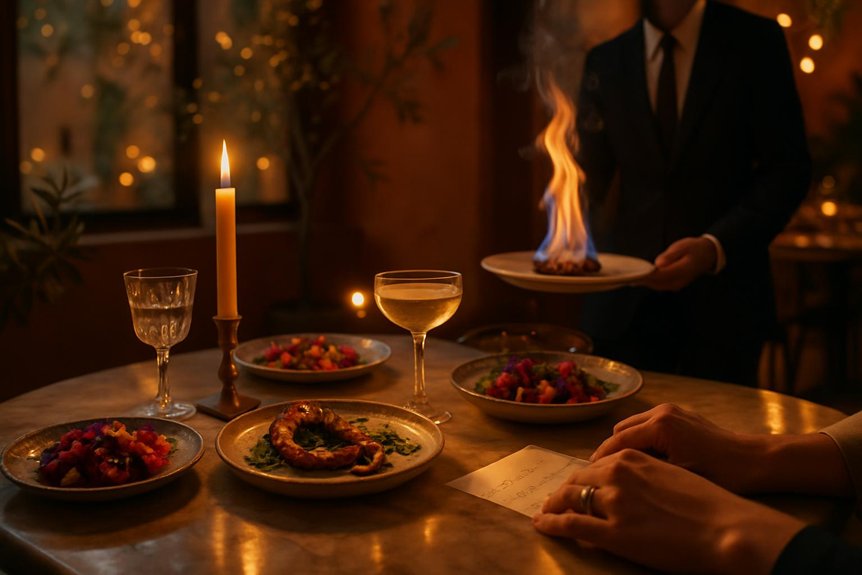
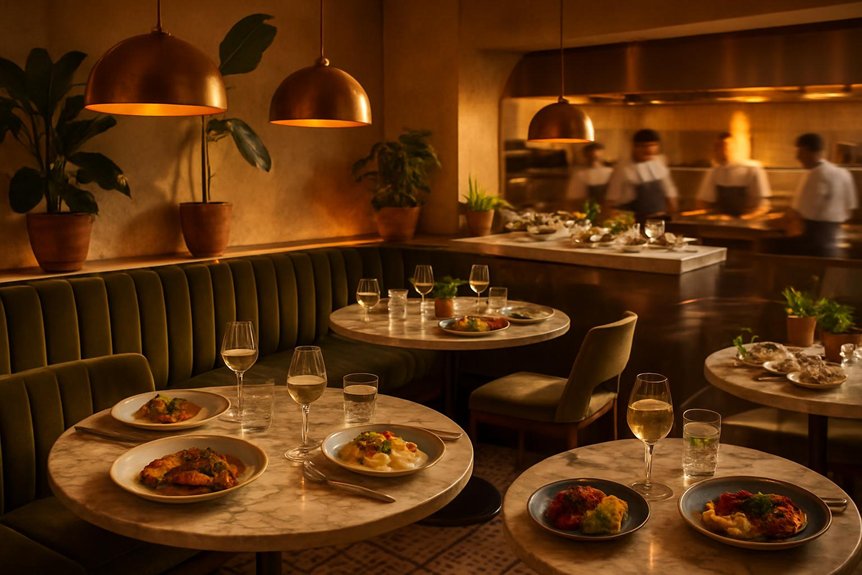
Why does the room feel instantly familiar? The answer lies in Fitzrovia’s low-key elegance: pale woods, soft lighting, and a hum of conversation that signals a confident dining ambiance without theatrics.
Tables are spaced with intent, giving privacy while keeping the energy buoyant. Subtle Mediterranean accents nod to heritage yet stay restrained, allowing the Sunday ritual to take the spotlight.
Service reinforces the mood. Staff friendliness arrives unforced—coats whisked away, water topped up before it’s requested, timings paced as if by instinct.
Suggestions are measured, never pushy, and small adjustments happen quietly. The team reads the table—lively groups get playful banter; reflective diners receive calm attention.
The result is a setting that breathes ease: polished, human, and unmistakably Fitzrovia.
How to Book, Prices, and Best Times to Go
That easy poise extends to the logistics. The restaurant’s booking platform is straightforward, with live availability and instant confirmation.
Reservation tips: secure a table by Wednesday for peak Sunday slots. Walk-ins are possible at the bar, but larger groups should prepay to lock timing.
Prices are transparent: roast mains sit in the mid-to-upper range for Fitzrovia, with set options occasionally undercutting à la carte. Seasonal special offers appear—subscribe to the newsletter to catch them early.
- Booking windows: prime tables go from 12:30 to 2:00 pm. Early birds (11:45 to 12:15) and late roasts (after 3:15) face less competition.
- Budgeting: factor in service and sides. Sharing plates can reduce per-head spend.
- Timing strategy: book around local theatre matinees to avoid surges and improve pacing.
Conclusion
Like a well-tuned clock, Meraki’s Sunday roast ticks through ritual and renewal—steam rising like Sunday prayers, Yorkshire puddings puffed as small golden suns, and gravy flowing like a quiet river binding past to present. Each plate becomes a compass: north for heritage, south for polish, east for Greek brightness, west for British heart. In Fitzrovia’s gentle hum, time slows, conversation ripens, and the roast—confident, balanced, and bright—marks the week’s true midpoint, a hearth disguised as a table.