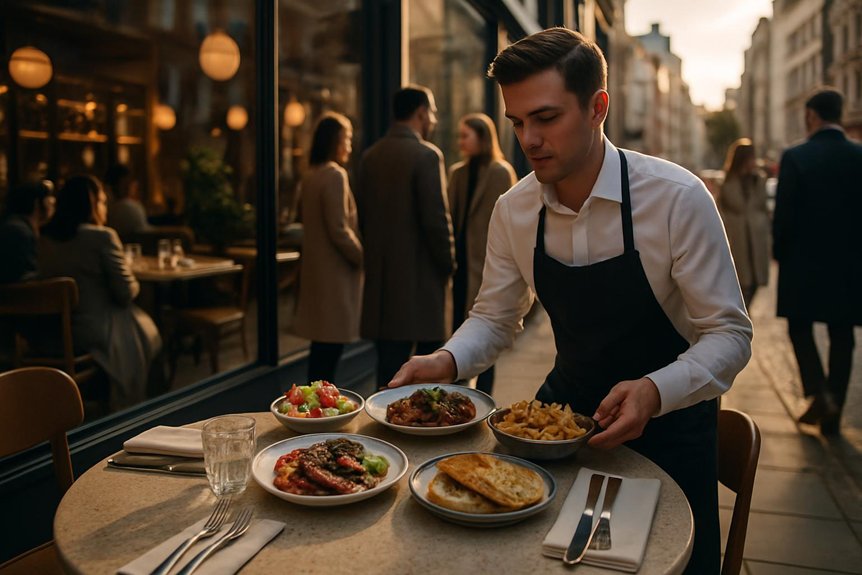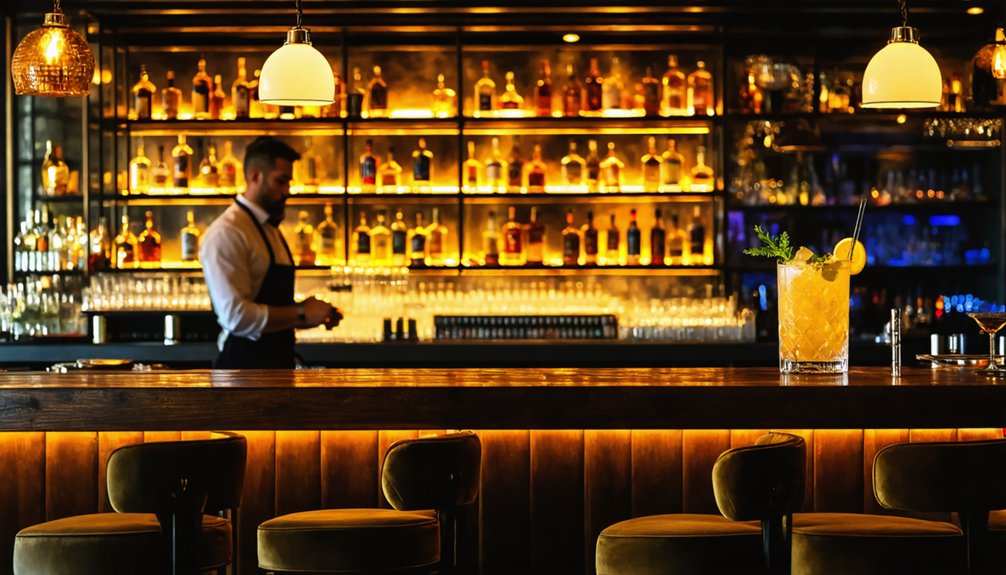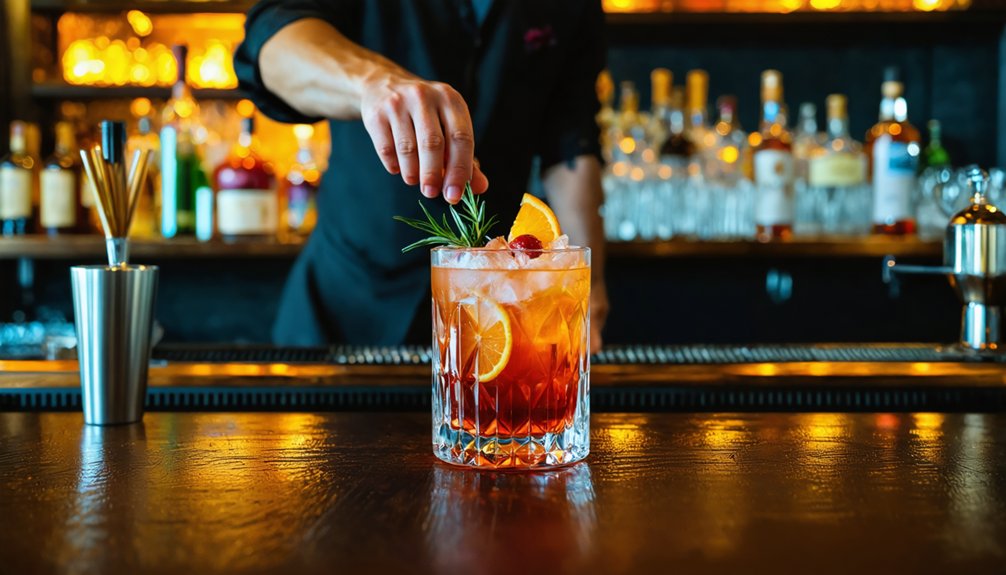

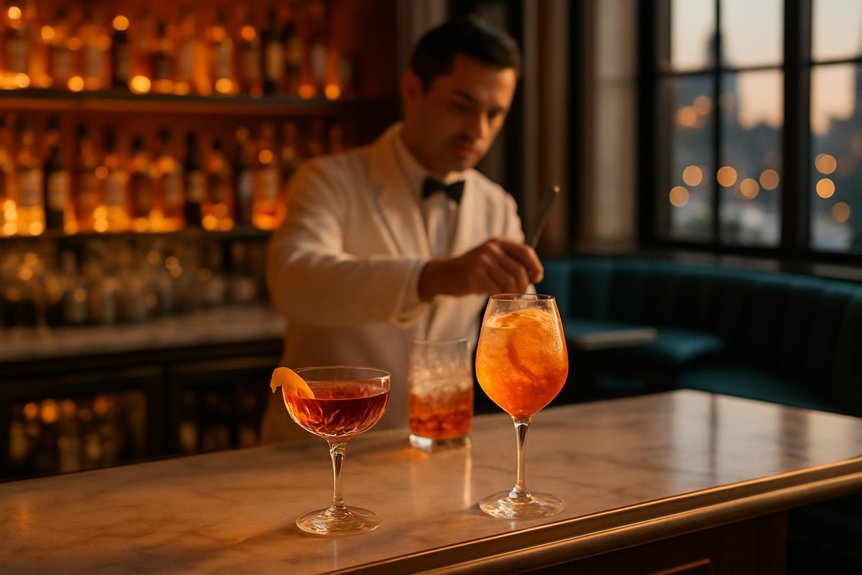
Central London offers a measured progression from bright aperitivo spritzes to brooding Negronis, set across discreet speakeasies, polished hotel lounges, and characterful pubs. Precision meets personality at the bar, with off-menu riffs and rituals that reward attention. Each stop balances atmosphere and craft without excess. Timing, budget, and booking can shape the night as much as the menu. The question is not where to go first, but which signature serve sets the tone for everything that follows.
The Aperitivo Hour: Where to Start Your Evening
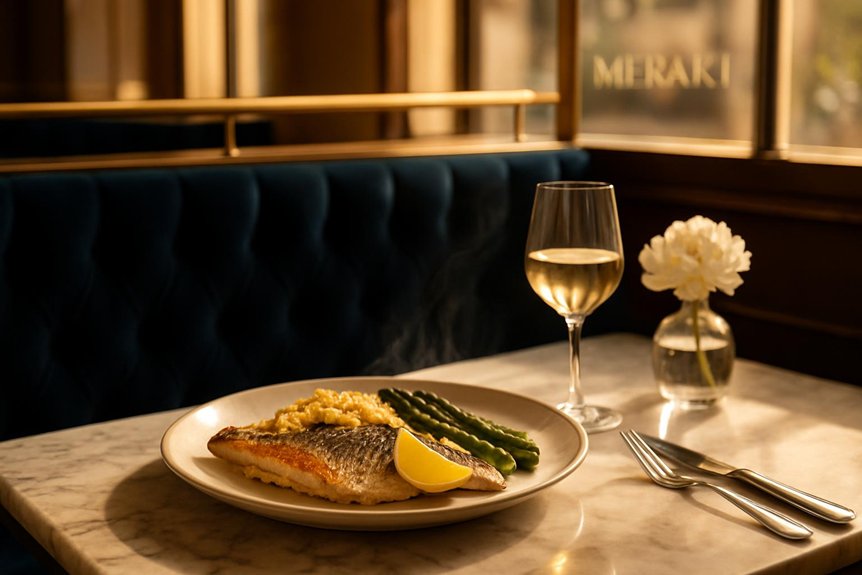
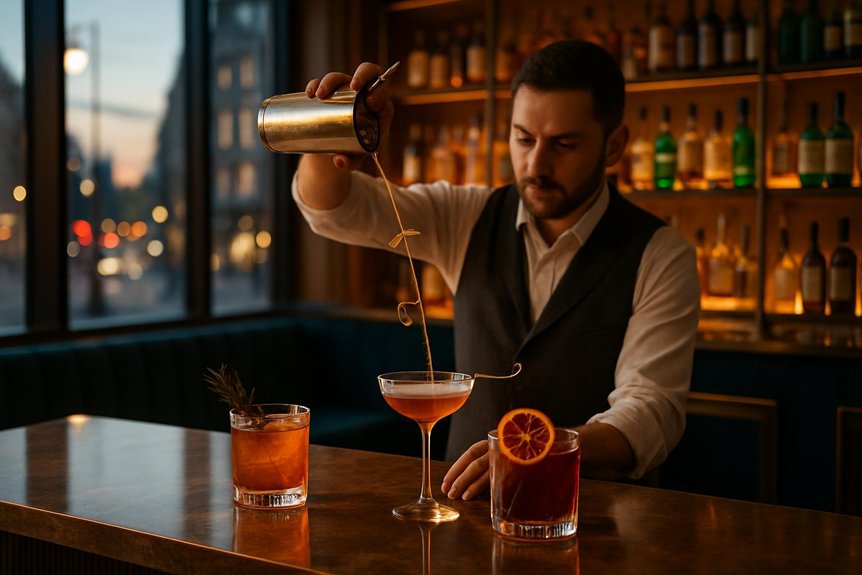
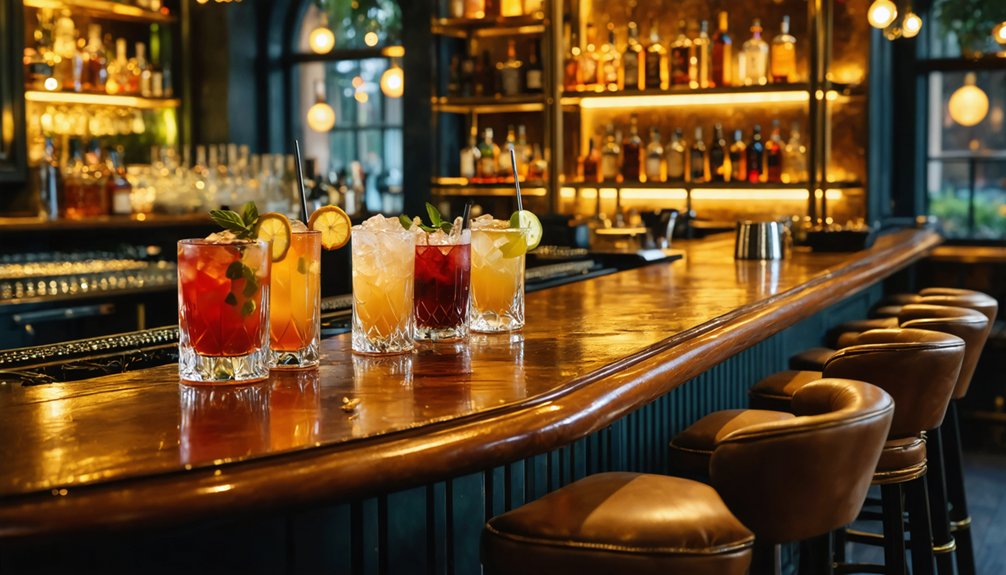
Where does one begin an evening in Central London if not with a well-judged aperitivo? The answer, for a seasoned flâneur, lies in bars that respect its Cultural origins: an Italian pre-dinner ritual designed to awaken appetite, not overwhelm it. Timing matters—arrive between five and seven, when light, low-ABV sips pair with small, savory bites. Selection should favor clarity of flavor and balanced Cocktail ingredients. A bitter-sweet spritz, a precise Negroni Sbagliato, or a vermouth and soda offers refreshment without fatigue. Citrus zest, quality vermouths, and measured amaro provide structure; saline olives or almonds complete the prelude. Choose rooms with calm acoustics and attentive service, where dilution, temperature, and glassware are treated seriously—setting pace, palate, and expectation for the night ahead. Experience the art of mixology at Meraki, where skilled mixologists craft exquisite cocktails that blend innovation and tradition.
Hidden Speakeasies Worth Finding
Central London’s hush-hush speakeasies reward those who can read the clues—think phone booths, bookcases, and unmarked stairwells. Inside, menus lean on polished classics and inventive signatures, from clarified sours to smoky stirred numbers. Expect low-lit rooms, limited seating, and dress codes that favor sharp-casual over streetwear. For a taste of traditional Greek cuisine with a modern twist, Meraki in Fitzrovia offers a unique dining experience inspired by the Aegean islands.
Secret Entrances Decoded
Though the signs are subtle and the doors unmarked, Central London’s best speakeasies reward those who know where—and how—to look. The code starts curbside: note mismatched brass knockers, a lone red bulb, or a doorbell tucked behind a menu box. Many façades mimic tailors, newsagents, or shuttered cafés; staff sometimes expect a brief question to confirm intent.
Inside, secret doorways hide in plain sight—pivoting bookcases, fridge fronts, and mirrored panels. Hidden passageways may follow: a staircase behind a velvet curtain, a corridor past “staff only” signs, or a lift that stops between floors.
Subtle cues help—low bass hum, faint citrus on the air, a trickle of suited guests arriving singly. Patience, quiet confidence, and observation beat guessing every time. A visit to Meraki Restaurant not only offers a unique nightlife experience but also includes dining, dancing, and great vibes every Thursday, Friday, and Saturday.
Signature Speakeasy Cocktails
Even before the lights dim, the city’s hush sharpens around cocktails that justify the chase: menus built on stealth, story, and impeccable balance.
In Central London’s hidden dens, signature pours aren’t gimmicks; they’re precise, memory-sticking compositions. A craft cocktail might braid smoky mezcal with saline sherry and burnt honey, finished with a restrained citrus mist.
Another pairs clarified milk tea with malty Scotch, yielding silk and depth without weight.
Bartenders steer guests toward off-list discoveries via a secret menu—seasonal, experimental, quietly spectacular. Expect amaro-driven twists on classics, martinis with umami tinctures, and highballs calibrated by house sodas.
Ice is cut to spec, garnishes serve function, and sweetness never shouts. Here, the chase concludes in a glass that reads like a map.
Ambience and Dress Codes
While passwords and unmarked doors set the tone, the real mood settles in once inside: low light, hushed acoustics, and seating that prioritizes conversation over spectacle. In Central London’s hidden rooms, the ambiance leans intimate rather than theatrical—velvet banquettes, candlelit tables, and playlists tuned just above a whisper. Bartenders move quietly; glassware clinks become punctuation, not percussion.
Dress code expectations vary but generally lean smart-casual: clean lines, dark hues, and shoes over trainers. Jackets are welcomed; statement streetwear can be turned away at peak hours.
Groups should note capacity is tight, so subtlety matters—no flashing phones, minimal fragrance, voices kept measured.
For those seeking a discreet night, these speakeasies reward effort with unforced elegance, attentive service, and a setting designed for lingering.
Hotel Lounges With Serious Mixology
Because Central London’s grand hotels treat the bar as a stage, their lounges have become laboratories for exacting mixology rather than mere lobby waypoints. Bartenders measure, clarify, and carbonate with discipline; menus read like tasting notes, not cocktail lists. Attention to temperature, dilution, and texture shows in highball effervescence and silken stirred drinks.
Service orchestrates discovery. Guests are guided through spirits flights, low- and no-ABV builds, and even calibrated wine pairing options for bar snacks. Craft beer appears selectively, chosen for yeast character or bitterness to echo a cocktail’s profile.
Ice programs matter: hand-cut blocks, directional freezing, and perfumed mists are used for control, not spectacle. Reservations help, bar counters are prime, and conversation with staff unlocks the most precise pours.
Signature Serves You Can’t Miss
From must-try house classics that anchor each menu to innovative seasonal creations that track London’s shifting palate, the city rewards focused sipping.
Readers should expect heritage recipes sharpened with modern technique alongside limited-time builds that showcase market-fresh produce.
For those who ask, bartender’s hidden gems often surface—off-menu signatures that reveal a bar’s true hand.
Must-Try House Classics
What defines a bar’s soul more clearly than its signature serve? In Central London, house classics anchor the menu, revealing precision, restraint, and lineage. These pours don’t chase novelty; they refine it—spirit-forward Negronis, crisp Martinis, and balanced Old Fashioneds presented with unique glassware that signals intent.
Attention to ingredient sourcing—citrus at peak, single-origin bitters, and carefully chosen ice—ensures each sip lands cleanly and consistently.
- Ask for the house Martini spec; note gin-to-vermouth ratio, dilution, and temperature.
- Compare the venue’s Old Fashioned: sugar type, bitters blend, and preferred bourbon or rye.
- Assess glass choice and ice—Nick & Nora, double rocks, or coupe—plus clarity and size.
- Trace provenance: which vermouths, bitters, or citrus suppliers shape the bar’s classic profile?
Innovative Seasonal Creations
Precision in the house classics sets the stage for what follows: seasonal signatures that rethink London’s pantry with purpose. Across Central London, menus pivot with the harvest—sea buckthorn, forced rhubarb, and Kentish cherries appear in tight, elegant builds.
Techniques lean on molecular mixology not for spectacle, but control: lacto-ferments sharpen citrus-light serves; nitro-chilled foams keep aromatics intact; clarified cordials pull color while preserving bite.
Producers matter. Bars swap generic bases for sustainable spirits—organic grain vodkas, biodynamic gins, and rum from closed-loop distilleries—so the footprint matches the finesse.
A cucumber-leaf highball, saline and spry, pairs garden distillate with verjus; a smoked-hay Old Fashioned draws depth from zero-waste syrup. The result: precise, seasonal drinks that feel inevitable, not experimental.
Bartender’s Hidden Gems
Although menus highlight the headliners, the city’s bartenders tuck away signature pours that regulars order in a hush. These off-menu creations surface when guests signal curiosity, reference cocktail trends, or note a favorite base spirit.
Central London’s best counters reward that openness with calibrated riffs: clarified highballs scented with tea smoke, saline-splashed Martinis, and amaro-driven sours balanced with seasonal ferments. The thrill lies partly in discovery, partly in the setting; low lighting and tactile bar decor frame the reveal, while concise storytelling from the bar team seals memory to flavor.
1) Ask for the bartender’s current “shift drink” riff; it often previews tomorrow’s cocktail trends.
2) Mention preferred spirits and sweetness.
3) Order half-measures to sample broadly.
4) Tip well and credit the creator by name.
Classic Cocktails Perfected
A well-made classic reveals a bar’s philosophy: balance, restraint, and respect for craft. In Central London’s stalwart rooms, the Martini, Old Fashioned, and Manhattan serve as quiet stress tests of precision—proper dilution, chilled glassware, and disciplined citrus oils.
Bars that prize craft spirits showcase terroir and texture, letting juniper, rye, and pot-still character speak without garnish clutter.
Technique leads the experience. Clear ice yields clean structure; measured stirring maintains silk; expressed peels deliver intent, not theatrics.
Cocktail etiquette is understated: order confidently, specify spirit preferences, and trust the house ratios.
Menus nod to canonical builds while allowing micro-adjustments—a softer vermouth, a higher-proof bourbon—to refine the arc of a sip.
Here, the timeless becomes timely through meticulous, repeatable execution.
Neighborhood Gems With Local Charm
Beyond the polished temples of the classics, Central London’s side streets hold bars that trade grandeur for warmth and idiosyncrasy. Here, intimate counters and mismatched stools anchor rooms where regulars swap stories and playlists drift from vintage speakers.
Drinks favor seasonal infusions, modest glassware, and labels from nearby producers. Signage is discreet; provenance is not. Each address seems stitched to local landmarks and neighborhood history, inviting visitors to slow their pace and listen.
- Time arrivals with dusk walks past local landmarks; note how the room changes as commuters fade.
- Ask about the building’s neighborhood history; many menus nod to past tenants or forgotten trades.
- Sit at the bar; conversations reveal off-menu pours.
- Respect the pace—small rooms reward unhurried, attentive drinking.
Bartenders to Watch and What to Order
While menus set the tone, Central London’s best bars are defined by the hands behind the shakers and the judgment behind the jiggers. The city’s standouts balance precision with personality, translating a guest’s mood into a craft cocktail that feels inevitable. Seek bartenders who taste as they build, keep notes on dilution, and handle vintage spirits sparingly but decisively.
At a Martini-forward counter, order a split-base Martini with gin, a whisper of blanc vermouth, and lemon oils expressed tableside.
From agave specialists, ask for a clarified Tommy’s with saline and a restrained smoky rinse. If the backbar shows pre-war bottles, request a minimalist Old Fashioned using a measured dash from the vintage spirits, preserving character.
For aperitivo nuance, an amaro highball showcases restraint and balance.
Late-Night Spots for a Final Round
After the last call elsewhere, Central London still hums with rooms where a final round feels considered, not compulsory. Speakeasy basements keep the music low, the light flattering, and the bartending precise. Spirits-forward menus lean to nightcaps—stirred, silky, and unfussy—while compact kitchens push late night snacks that actually pair: anchovy toasts, sharp cheese, and crisp fries.
Service remains attentive without rush; cocktail etiquette matters, from quiet ordering to letting the bartender guide proof and pace.
- Seek bars with short, classic-leaning lists; late hours don’t require novelty.
- Pair one small plate with each round; salt and fat balance richer pours.
- Sit at the counter to watch technique and request half-strength options.
- Close with amaro or a minimal garnish highball to reset the palate.
Tips for Booking, Budgets, and Best Times to Go
Late nights sorted, practical planning makes Central London bars easier to enjoy. Reservations remain essential Thursday to Saturday; walk-ins are feasible early weekdays or after 10:30 p.m.
For groups, book two weeks ahead and confirm standing versus seated service. Budget smartly: classic cocktails average £12–£16, signatures £15–£20, with service typically added at 12.5%. Pre-dinner happy hours can trim costs; late-night menus often streamline choices.
Peak ambience runs 7–9 p.m.; quieter windows are 5–6:30 p.m. and post-10:30 p.m. Counter seats suit solo visitors observing cocktail ingredient pairings and vintage barware trends.
Note tasting flights or mini serves for exploration without overspending. Check dress codes and time limits. Always scan seasonal menus online; limited runs sell out, particularly on rainy evenings.
Conclusion
As dusk meets last call, their path coincides with whispers of spritz and Negroni, precision and ease. One bar’s secret door aligns with another’s polished cart; a bartender’s wink mirrors a measured stir elsewhere. Coincidence becomes compass: hidden, then grand; signature, then classic; neighborhood hum, then midnight hush. Each pour echoes another, each story finds its twin. By chance and craft, Central London arranges itself—elegant, dynamic—guiding them, again, to exactly where they were meant to arrive.