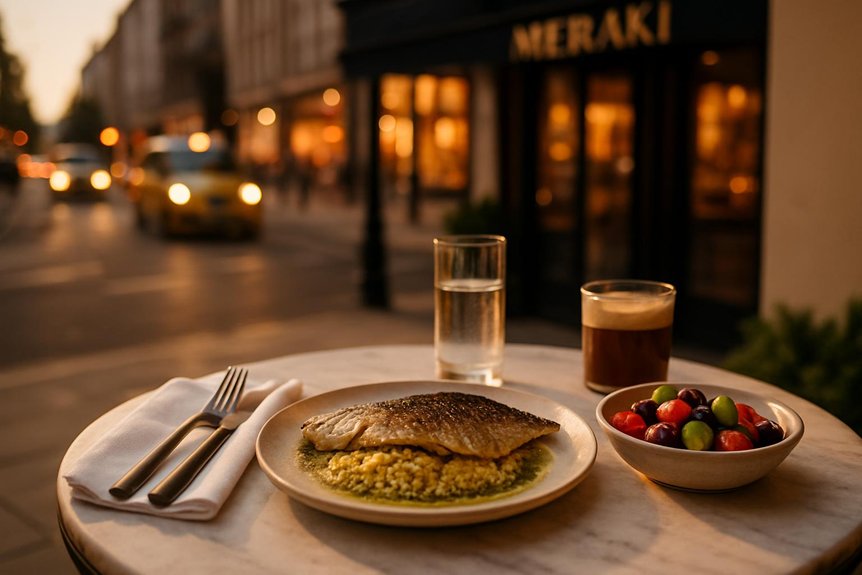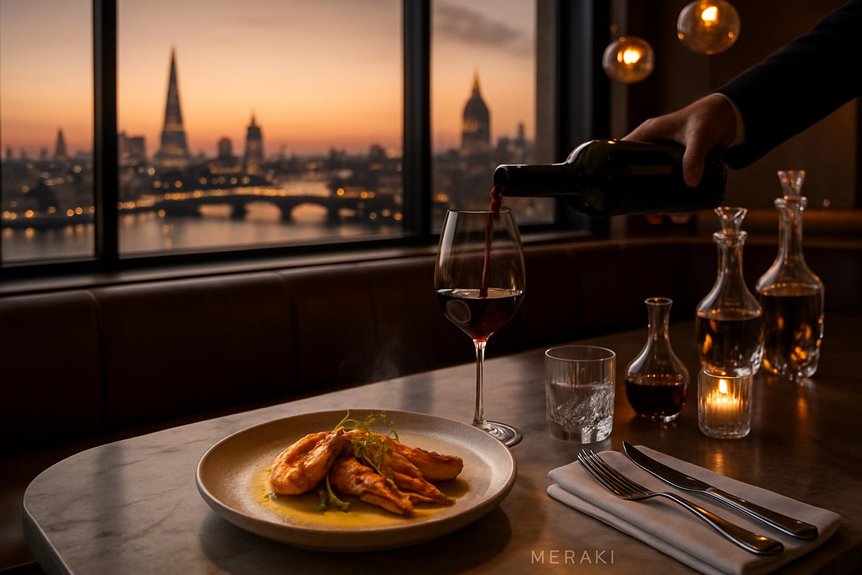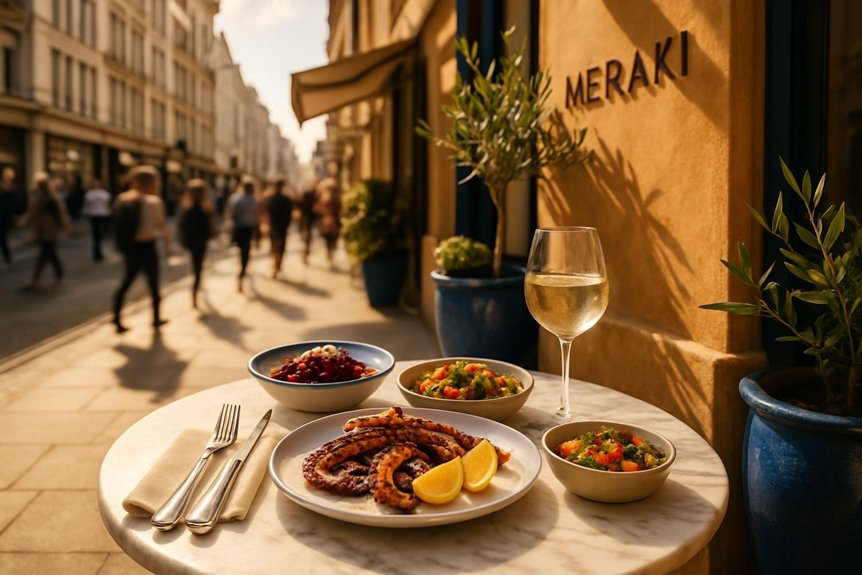

London’s Sunday roast tradition meets modern Mediterranean finesse at The Meraki Table. The menu prioritizes clean flavors, seasonal vegetables, and precisely timed cooking. Meats arrive tender, gravies are layered yet restrained, and Yorkshire puddings keep their structure. Plant-forward options receive equal care. The room is warm without fuss, the sourcing mindful, and the pairings considered. For those weighing an early afternoon or a quieter evening, one question remains: what sets this roast apart from the rest?
A Modern Spin on a Beloved London Tradition
Although rooted in centuries of custom, London’s Sunday roast now reflects the city’s restless culinary energy. Across neighborhoods, chefs reinterpret the ritual with seasonal sourcing, inventive techniques, and menus that welcome fusion flavors without abandoning comfort.
Crisp potatoes might meet miso glaze; heritage carrots could arrive with dukkah; gravies gain depth from slow-fermented stocks. Diners encounter contemporary twists in accompaniments—pickled elements for brightness, smoke for complexity, and herbs that frame richness with lift.
Roast beef, pork, or lamb remains familiar, yet textures are refined: precise resting, coal or wood accents, and vegetables treated as centerpieces. Plant-forward options are no afterthought, showcasing umami layers and robust sauces.
The result is a Sunday table that honors tradition while speaking fluently to modern London. Experience a vibrant atmosphere at Meraki Restaurant with a unique nightlife experience titled “A Night in the Living Room.”
What Sets The Meraki Table’s Roast Apart
Among London’s inventive interpretations, The Meraki Table distinguishes itself through quiet precision and ingredient-led clarity. Its team frames the roast as a calibrated ritual, where timing, heat control, and minimal handling spotlight provenance.
Vegetables arrive at peak texture, their sweetness heightened by restrained seasoning and clean roasting methods. The kitchen’s sauce selection is purposeful rather than expansive, pairing condiments to specific flavor arcs and avoiding palate fatigue.
Attention also turns to pacing and temperature, so each element reaches the table at ideal warmth and crispness. The presentation style is spare, geometric, and unfussy, signaling confidence in raw materials.
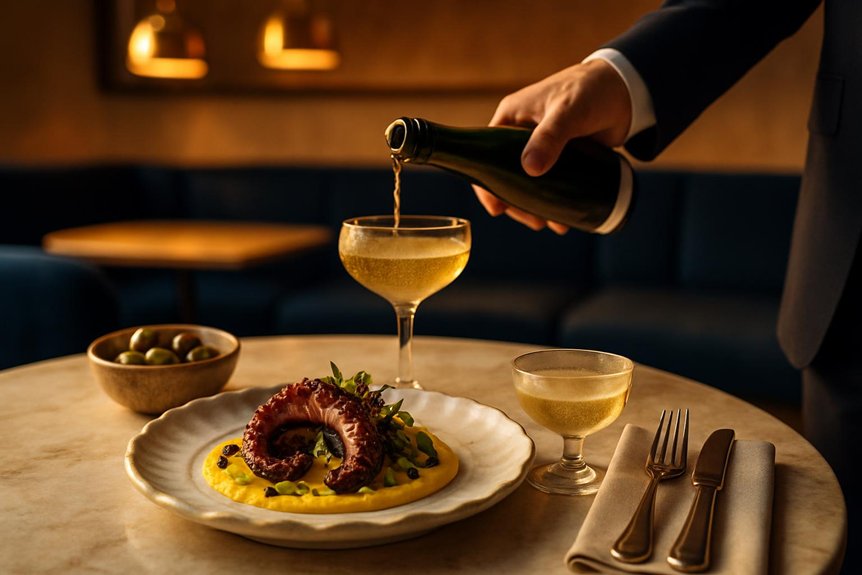
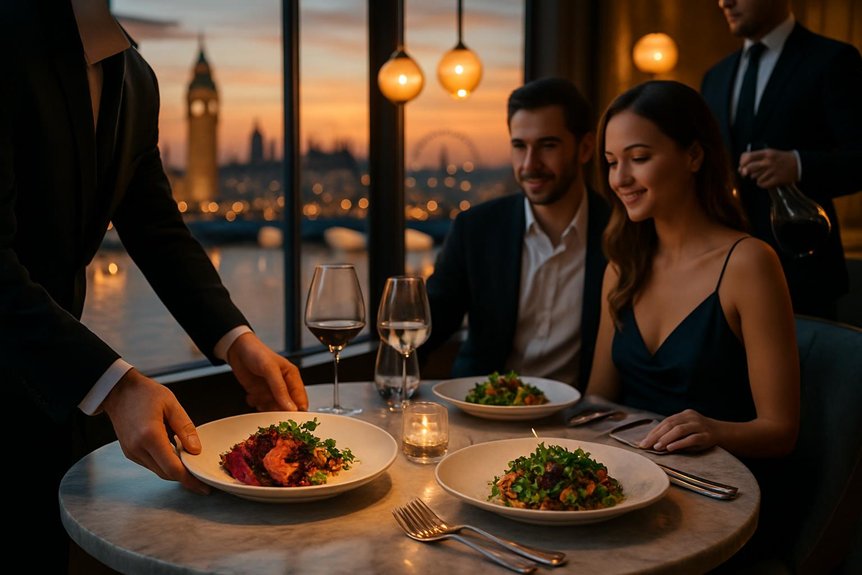
Sustainability principles guide sourcing and waste, reinforcing integrity beyond the plate. Service mirrors the cuisine: attentive, informational, and discreet, offering context without theatrics. The Meraki Table’s menu offers a quirky twist on traditional Greek cuisine, which enhances the dining experience through unique ingredients and exceptional service.
The Stars of the Plate: Meats, Gravies, and Yorkshire Puddings
Even before the plates land, the hierarchy is clear: perfectly rested meats anchor the experience, with gravies and Yorkshire puddings calibrated to amplify rather than distract.
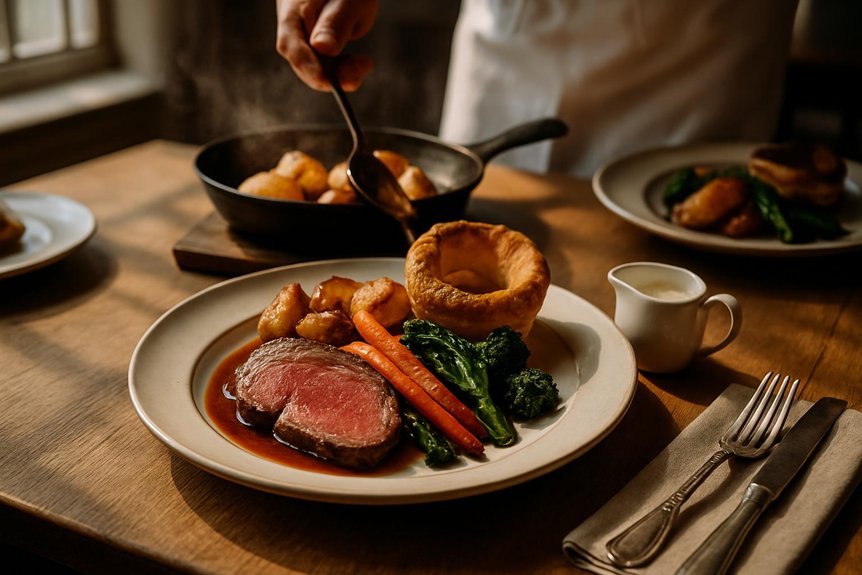
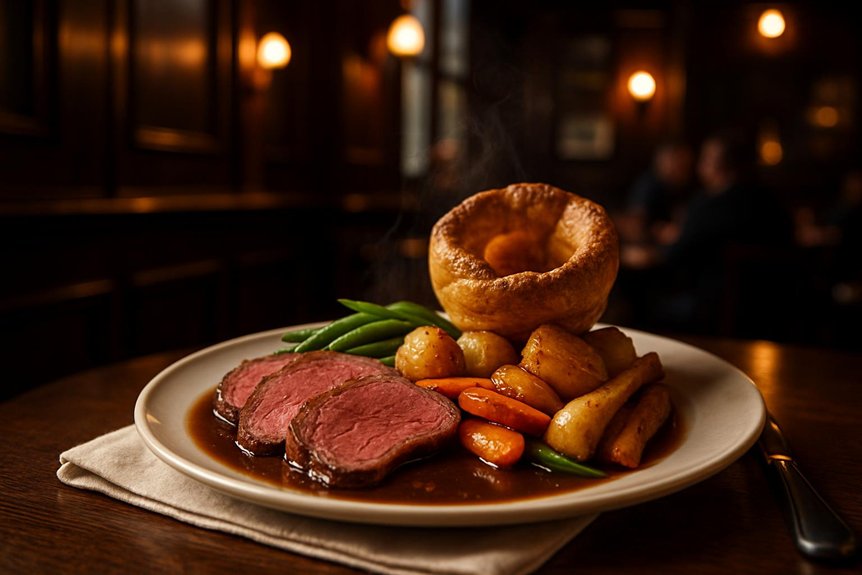
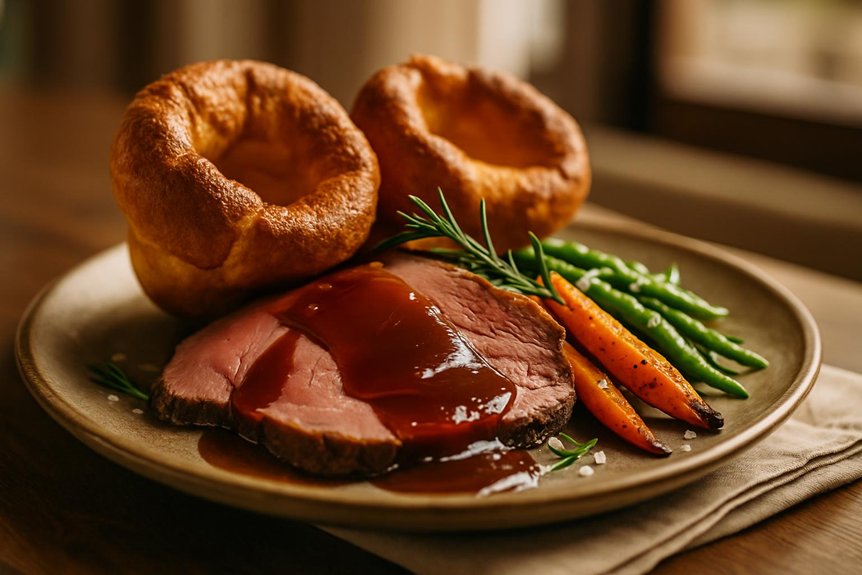
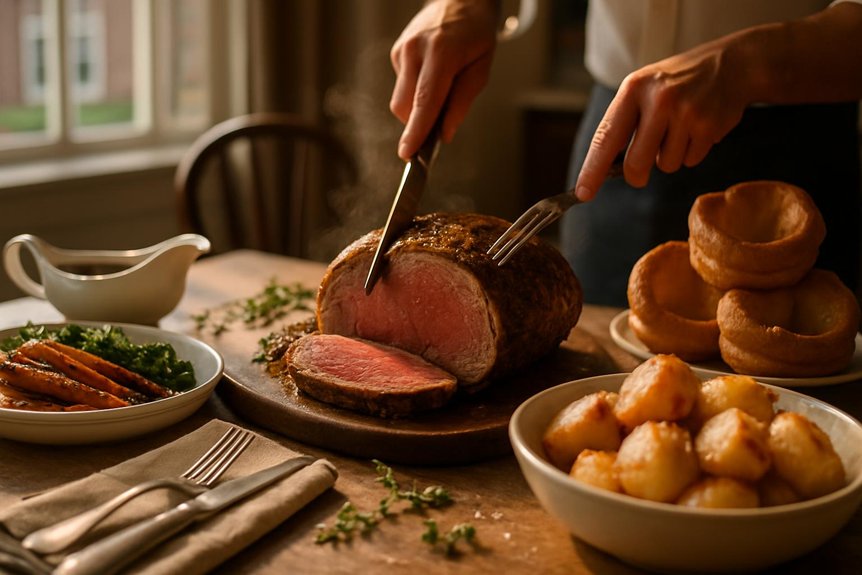
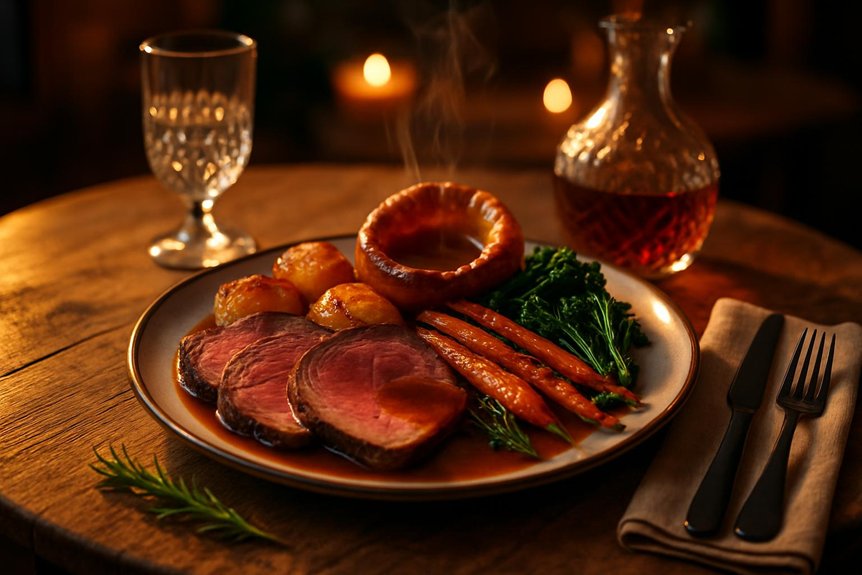
At The Meraki Table, meat preparation begins with sharp sourcing and disciplined seasoning, then moves to controlled heat and generous resting, yielding crust, blush, and succulence. Beef arrives with a deep sear; pork shows crackling like glass; chicken brings burnished skin and tender chew.
Gravy variations follow the cut: marrow-rich jus for beef, apple-brightened pan gravy for pork, thyme-lifted roasting juices for chicken. Each is reduced to gloss, salted with restraint, and ladled to map flavor, not flood it.
Yorkshire puddings stand tall—steam-light cores, lacquered rims—engineered to ferry gravy while preserving crisp architecture.
At Meraki, diners can indulge in the best Sunday roast in London, experiencing a blend of contemporary and traditional Mediterranean flavors that enhance the classic British dishes.
Veg-Forward Feasting for Plant Lovers
How does a roast built for carnivores court the plant-first crowd? At The Meraki Table, it starts with intent: vegetables as protagonists rather than concessions.
The kitchen leans into char, glaze, and umami—slow-roasted roots lacquered with miso, brassicas kissed by smoke, and nutty grains dressed with herb oils. A mushroom-rich gravy layers depth without dairy, landing squarely in vegan comfort territory.
Texture is prioritized: crisp edges, tender centers, and satisfying chew from legumes and ancient grains. Portions are generous, plated with the same ceremony as traditional roasts, signaling parity, not compromise. Sauces avoid hidden animal derivatives, and allergens are clearly flagged.
For diners taking leftovers, compostable packaging underscores a low-waste ethos. The result feels abundant, modern, and unmistakably Sunday.
Seasonal Sides and Golden Roast Potatoes
Plant-led plates set the tone, and the rhythm continues with sides that change with the market and roast potatoes engineered for crunch. Spring brings charred asparagus with lemon oil; summer favors blistered courgettes and tomatoes; autumn leans into maple-glazed roots; winter answers with brassicas kissed by smoke.
Each side is seasoned with restraint, letting produce speak.
The potatoes are a study in texture: parboiled to fissure, shaken for rough edges, then roasted in hot fat until glassy-crisp, with salt added at the final turn. Rosemary or garlic appears sparingly, never masking the caramelized edges.
Servers guide choices toward balance—bright greens against rich gravy, a nutty grain against buttery mash—and note Cake pairing options for dessert.
The Dress code remains relaxed, signaling unpretentious comfort.
Craft Cocktails and Pairings to Elevate Your Roast
Two approaches define the drinks list: classic builds refined for roast-friendly balance, and seasonal signatures keyed to the menu’s produce.
A precise Martini with a citrus twist cuts through rich beef; a sherry-tinged Old Fashioned adds nutty depth to pork.
For lamb, a rosemary gin sour threads herbaceous brightness, while roast chicken finds lift in a clarified lemon highball.
Mixology trends inform restraint: lower sugar, clean acids, and saline or vermouth-driven bitterness keep palates sharp.
Flavor pairings guide each glass—smoke with char, orchard fruit with crackling, pepper with gravy.
Cider spritzes and white Port tonics offer lighter pacing between courses.
Zero-proof options mirror structure: verjus spritzes, tea-based highballs, and smoked apple coolers delivering texture, refreshment, and harmony without distraction.
How to Book and When to Go for the Best Experience
Securing the best Sunday roast often hinges on ideal reservation timing, especially at sought‑after pubs where slots fill weeks in advance.
Readers should weigh peak hours—typically 1–3 p.m.—for atmosphere against earlier or later seatings for calmer service and more flexible pacing.
Guidance on booking windows and off-peak advantages follows.
Optimal Reservation Timing
For London’s prized Sunday roasts, planning ahead is essential: prime tables at renowned pubs and dining rooms often book out 1–3 weeks in advance, and up to a month for headline spots or larger groups.
A clear reservation window helps diners secure preferred seating, coordinate guests, and avoid waitlists. To optimise timing, consider venue release patterns, deposit policies, and flexibility on party size.
1) Check booking releases: many open slots at midnight or a set weekday; set alerts and act immediately at the dining peak dates.
2) Hold options: if possible, reserve two feasible times, then release one promptly.
3) Use notes: flag dietary needs or highchair requests to lock suitable tables.
4) Monitor cancellations: revisit platforms 24–48 hours prior; last-minute seats often reappear.
Peak vs. Quiet Hours
A strategic choice of time can transform a Sunday roast from crowded scramble to unhurried feast. Observing peak versus quiet hours at The Meraki Table guides both booking and expectations.
Late lunch, between 1:00 and 2:30 p.m., sees highest crowd density: atmosphere lively, service brisk, and a tangible buzz shaping the restaurant ambiance.
Early slots—11:45 a.m. to 12:30 p.m.—offer fresher platters, swift courses, and calmer conversation.
Those seeking hushed pacing should target late afternoon, 4:00 to 5:30 p.m., when tables linger and staff provide more attentive touches.
Book at least a week ahead for peak, 48–72 hours for off-peak. Confirm carving specials when reserving; popular cuts can sell out mid-service.
Note family-friendly windows earlier, date-night serenity later.
Conclusion
In the end, The Meraki Table proves that London’s Sunday roast can evolve without losing its soul. With pristine ingredients, deft timing, and Mediterranean nuance, it delivers comfort with polish. From luscious meats and feather-light Yorkshires to veg-forward plates and seasonal sides, every detail sings. Add thoughtful pairings and a warm, unfussy setting, and it’s clear: this is where tradition meets tomorrow. For those seeking the real deal, it’s the best of both worlds—no ifs, ands, or buts.