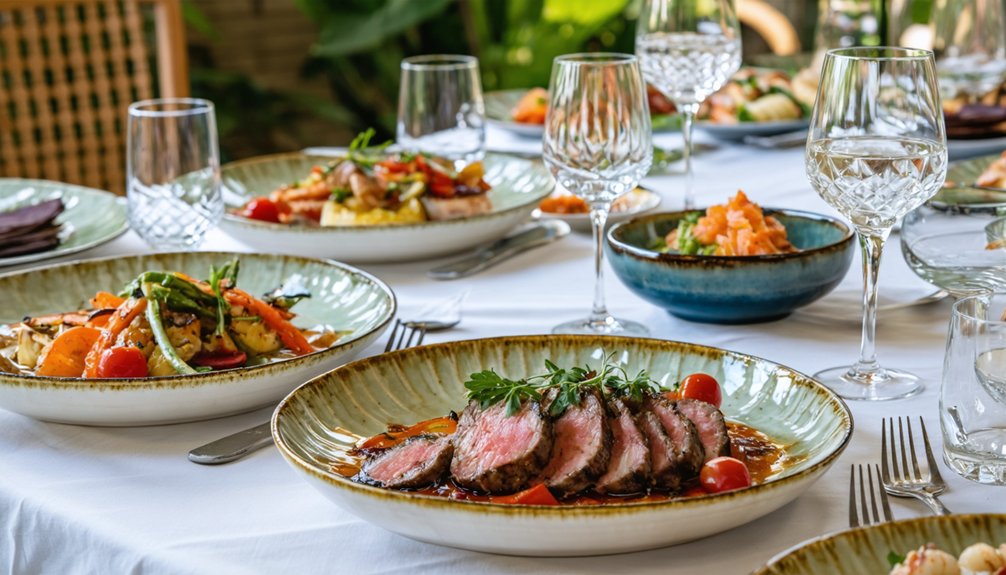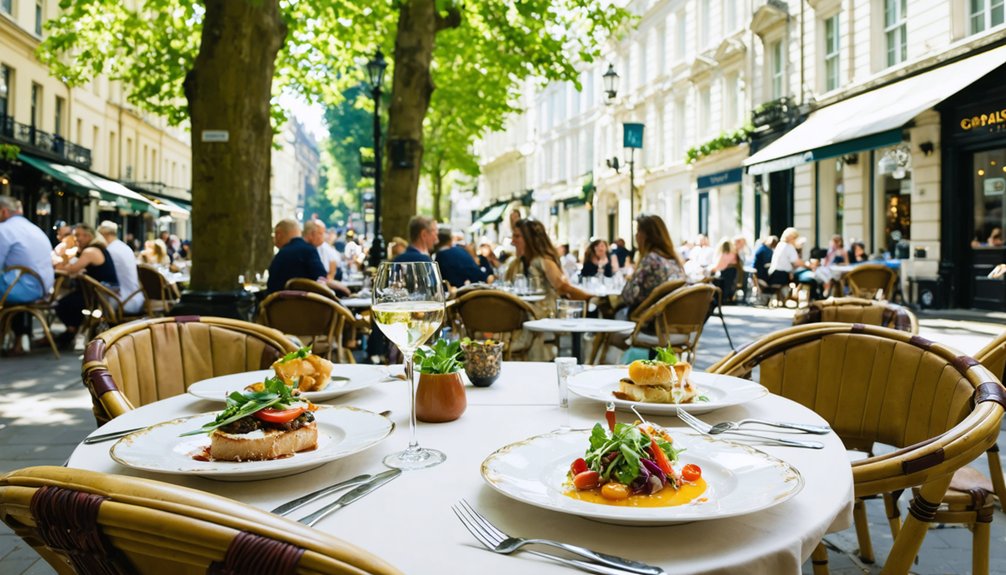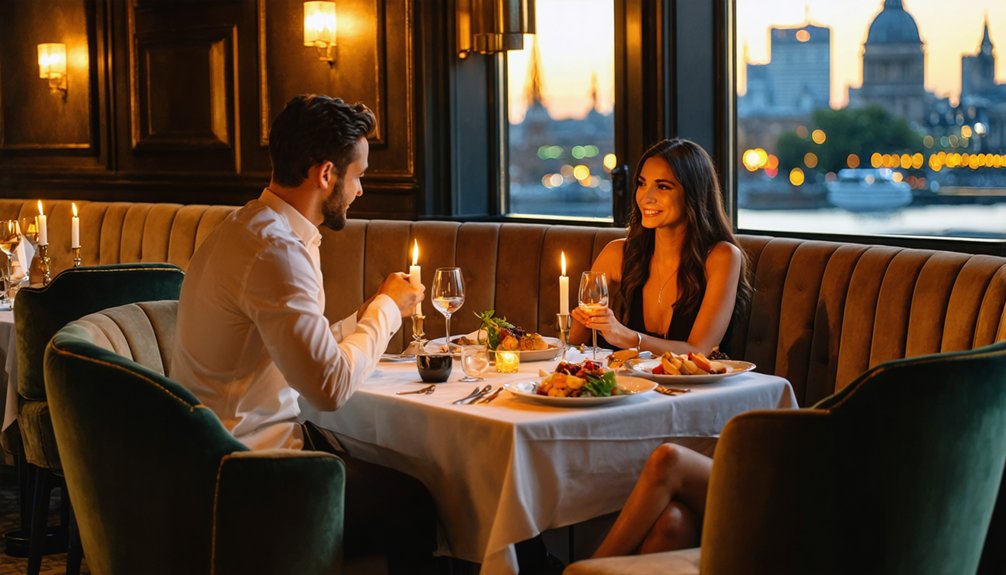

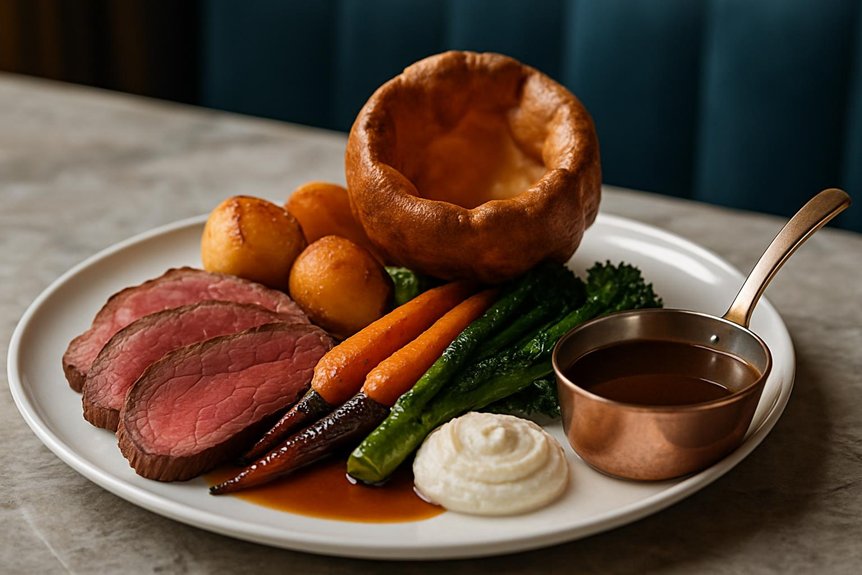
In London’s West End, Meraki approaches Sunday roast with Mediterranean restraint and polish. Sunlit rooms, coastal tones, and textured woods set a calm scene. Heritage beef, lemon-herb chicken, and rosemary-garlic lamb arrive with seasonal sides and bright sauces. Cocktails and a careful wine list mirror the kitchen’s precision. Service is unhurried, timing thoughtful. It feels familiar yet quietly reimagined. What happens when tradition meets this kind of clarity is where the story begins.
A West End Setting With Mediterranean Flair
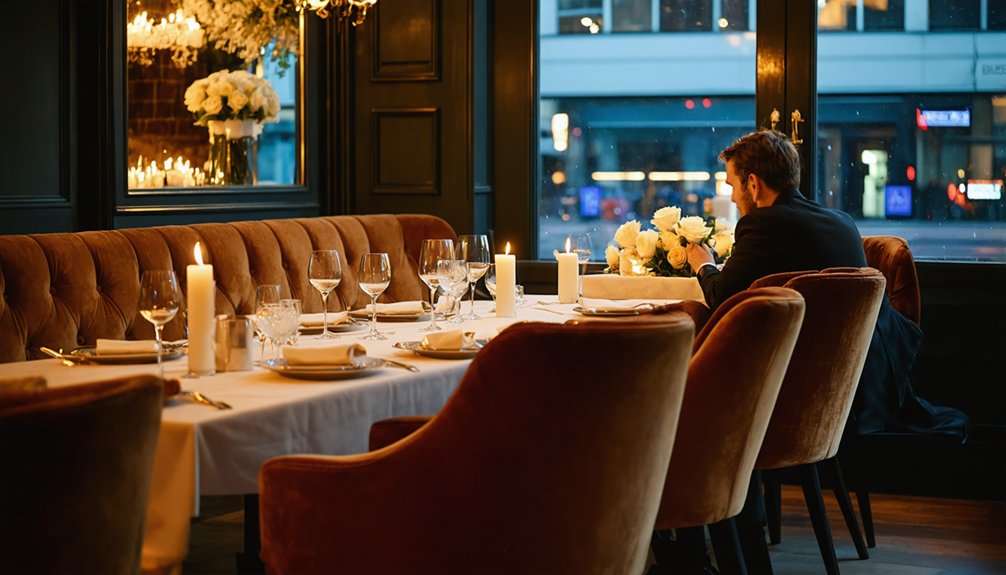
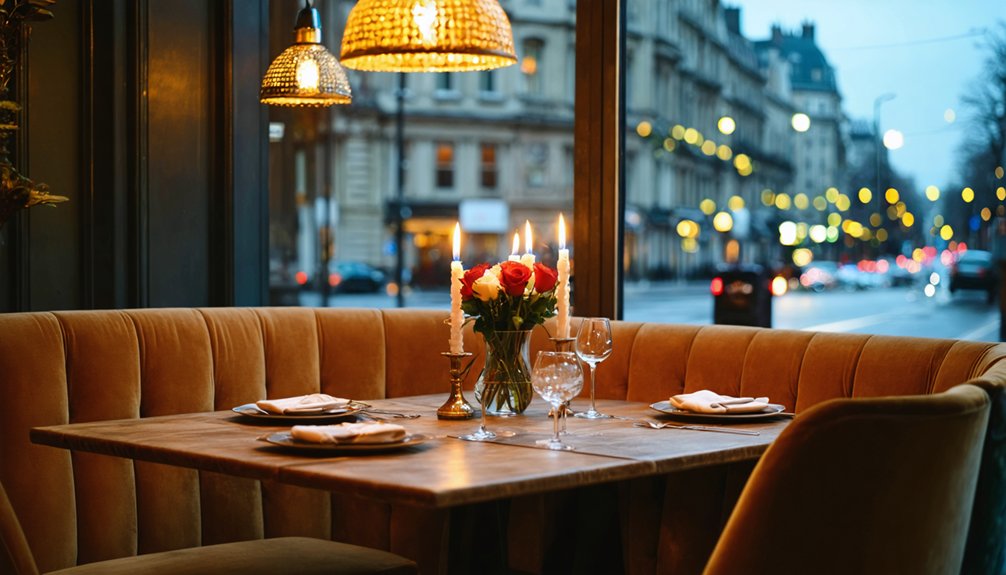
How does a classic West End address meet sun‑lit Mediterranean ease? At Meraki, the answer appears in clean lines, pale woods, and soft coastal hues that temper the district’s bustle.
Natural light spills across marble and linen, while olive trees and ceramic accents nod to Greek islands without pastiche. The room’s pace remains measured, more salon than scene.
Service choreography is discreet and precise, supported by artificial intelligence behind reservations and flow, keeping tables unhurried and acoustics calm.
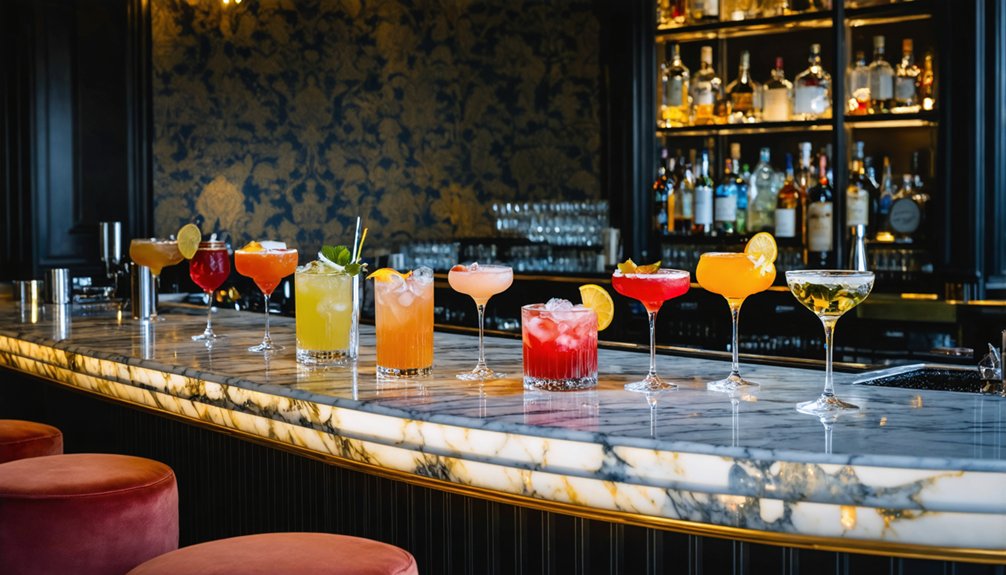
The bar frames the dining room with citrus, herbs, and restrained brass, signaling culinary innovation without theatrics. Open sightlines reveal a confident kitchen cadence, yet the mood stays effortless.
Guests register warmth, proportion, and calm—a Mediterranean sensibility translated for Fitzrovia’s rhythm, poised between refinement and ease. Meraki’s menu offers a quirky twist on traditional Greek cuisine, featuring unique ingredients and exceptional service.
What Makes This Sunday Roast Different
Meraki distinguishes its Sunday roast with Greek-inspired accents—think oregano-bright marinades, lemon-kissed jus, and herb-laced sides. The kitchen centers the menu on seasonal British produce, adjusting garnishes and accompaniments to what is freshest each week. This fusion promises familiarity reimagined through Mediterranean nuance and local sourcing. Meraki offers a relaxed dining experience with options to dine at home, ensuring that the essence of their unique culinary approach can be enjoyed both in the restaurant’s ambiance and in the comfort of your own space.
Greek-Inspired Flavors
While rooted in the comforting ritual of a British roast, this menu veers distinctly Greek through sun-bright flavors, herb-forward seasoning, and Mediterranean sides. The approach frames fusion cuisine as culinary innovation rather than novelty, aligning classic roast rhythms with Hellenic profiles. Succulent lamb arrives scented with oregano, thyme, and lemon zest, its jus brightened with white wine and garlic. Potatoes are roasted with olive oil and rosemary, finished with a squeeze of citrus. Chicken may carry a mellow heat from smoked paprika and sweet pepper, countered by yogurt sauce laced with dill and cucumber. Charred vegetables gain depth from fennel seed and capers. Crumbles of barrel-aged feta and a drizzle of wild thyme honey add saline-sweet lift, anchoring the roast in unmistakably Greek character. The elegant atmosphere at Meraki enhances the dining experience, ensuring that each meal feels special and memorable.
Seasonal Local Sourcing
Greek accents gain substance through sourcing that is firmly rooted in Britain’s seasons. Meraki’s Sunday roast distinguishes itself by treating locality as a discipline, not a trend.
Spring lamb arrives from coastal pastures; autumn roots are roasted for sweetness; winter brassicas anchor the plate with mineral bite. Greek technique frames, rather than masks, British character. The cheese trolley leans on artisanal cheeses from small dairies, paired with Cretan honey or thyme oil.
Bar staff echo the kitchen’s calendar, building craft cocktails from hedgerow syrups and citrus preserves.
- Spring: wild garlic gremolata over new-season lamb.
- Summer: tomatoes with barrel-aged feta; courgette fritti.
- Autumn: heritage carrots glazed with Attiki honey.
- Winter: smoked beets, kefir-labneh, rosemary jus.
Star Roasts: From Heritage Beef to Lemon-Herb Chicken
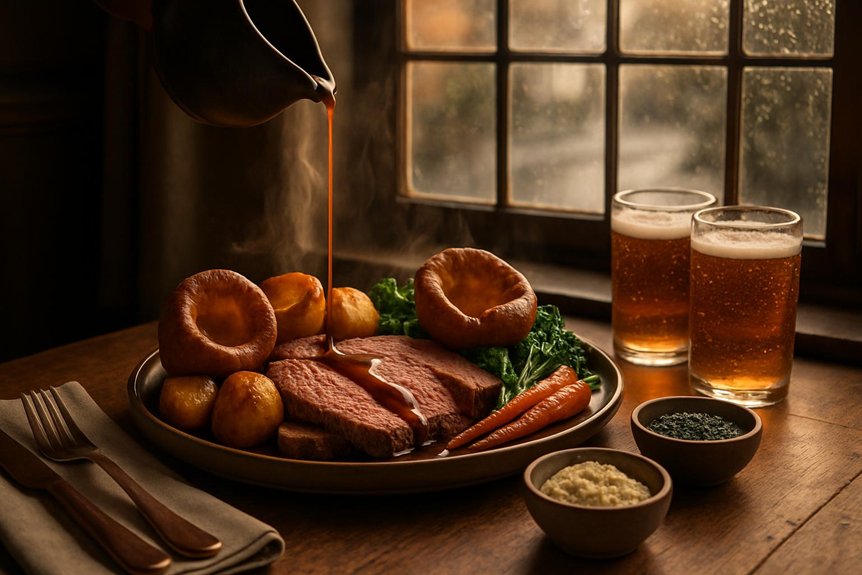
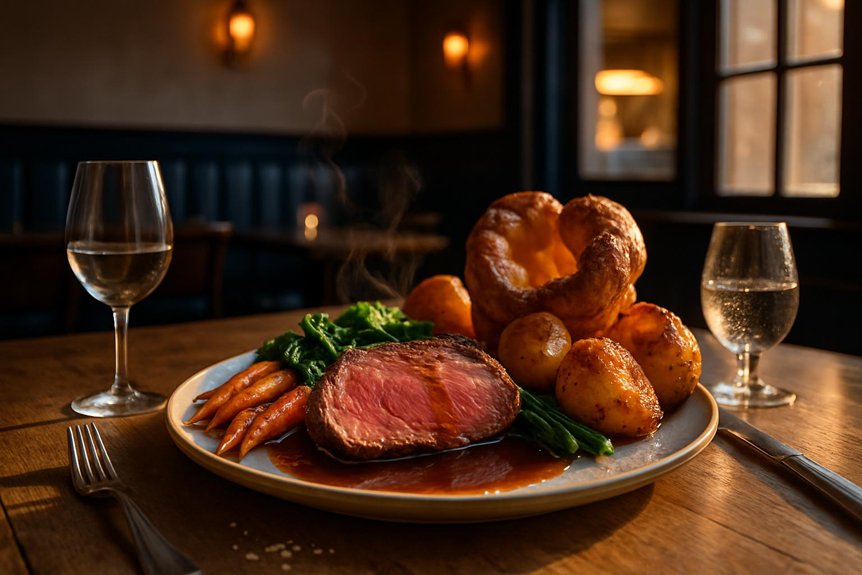
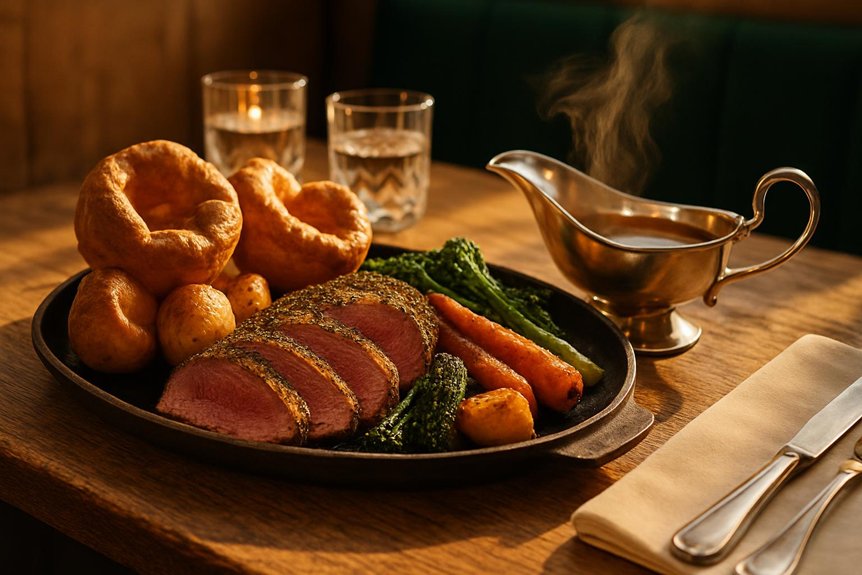
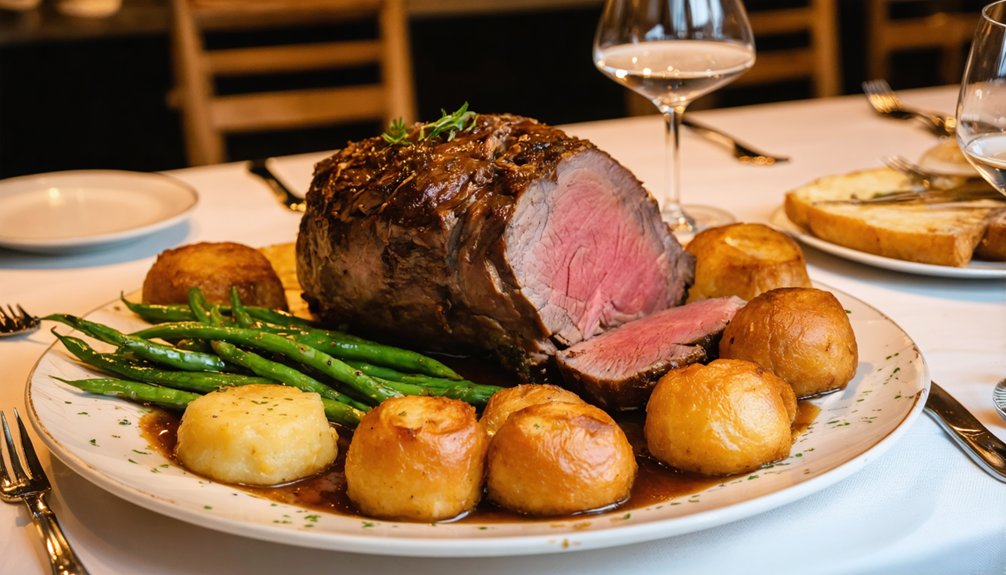
Though the setting nods to classic Brit traditions, the star roasts at Meraki focus on precision and sourcing. Heritage beef arrives deeply marbled, dry-aged for clarity of flavor, then seared and slow-roasted to a blushing, even center.
Lemon-herb chicken is brined, perfumed with thyme and lemon zest, and finished to crisp skin without losing juiciness.
A rosemary-garlic lamb option emphasizes pastoral sweetness over heaviness, sliced thin for balance.
Technique leads the plate: consistent temperatures, restrained seasoning, and sharp carving. Sauces are calibrated to accent, not cloak.
Portions are satisfying yet measured, inviting a leisurely finish with Mystery desserts and Coffee pairings that echo roast aromatics—cacao with beef’s savor, citrus with chicken’s lift.
The result is confident, modern roast craft, anchored in detail.
Seasonal Vegetables, Bright Sauces, Bold Sides
Precision on the meats sets a clear stage for what surrounds them: produce and sides with intent.
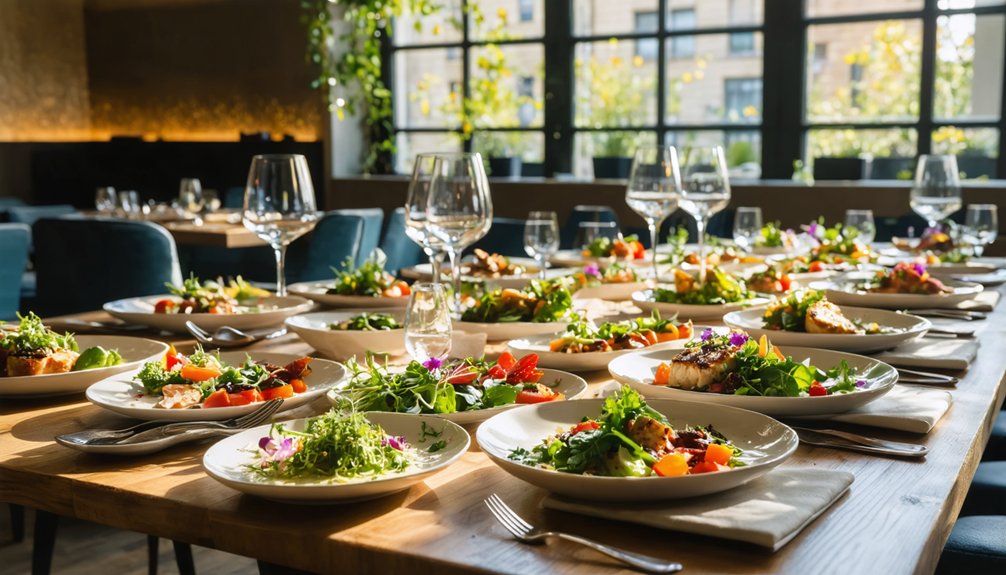
Here, seasonal vegetables lead with texture and restraint—charred hispi cabbage with lemon zest, buttery carrots glazed in caraway, and crushed new potatoes kissed by smoked salt.
Bright sauces act as counterpoint: a verdant herb emulsion, sharp pepperonata, and a light tahini-lemon drizzle.
Artistic plating keeps lines clean, colors sharp, and portions disciplined, prioritizing flavor harmony over excess.
- Vegetables: blistered brassicas, roasted roots, and leafy greens finished with citrus oils.
- Sauces: herbaceous, acid-forward, and subtly spiced to lift rather than mask.
- Sides: crisp Yorkshire shards, sesame-sprinkled flatbread, and olive-oil chips.
- Textural balance: snap, cream, char, and crunch calibrated to complement the roasts.
Wine Pairings and Signature Cocktails
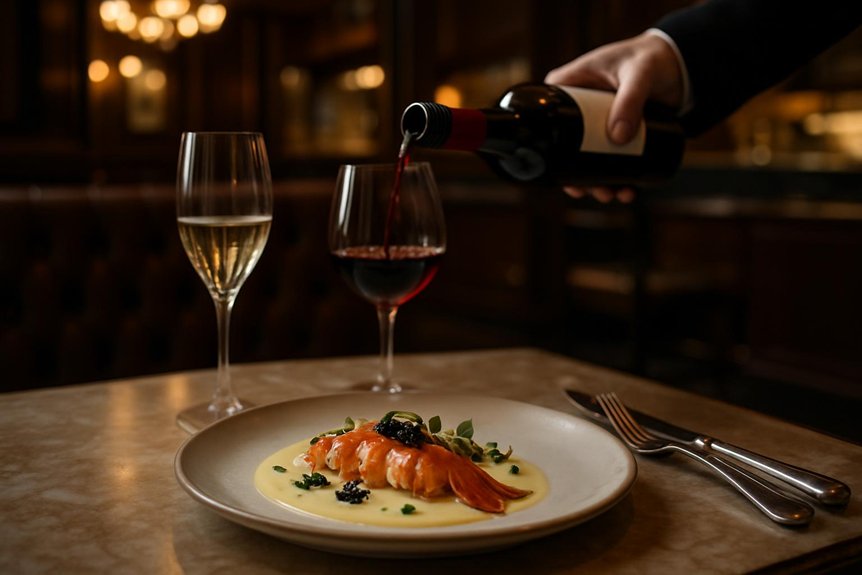
While the roasts anchor the meal, the glassware sharpens its edges: a lean Xinomavro rosé slices through fat with red-berry bite. Assyrtiko brings saline drive to lemon-slick vegetables, and a lightly oaked Chardonnay bridges char and cream.
The sommelier frames wine pairing tips succinctly: match body with intensity, use acidity to reset the palate, and deploy moderate tannin for crusted meats rather than gravy-heavy bites. Syrah with peppery lift flatters char, while mature Rioja adds savory polish.
Signature cocktail trends skew Mediterranean and restrained. A thyme-scented gin martini accented with lemon oil mirrors herb-rubbed beef. A fig-and-masticha highball offers resinous snap without sweetness creep. For citrus-forward plates, a bergamot spritz cleanses between bites.
Low-ABV vermouth cobblers extend the meal without muting roast-driven satisfaction.
Vegetarian and Lighter Roast Options
Guests seeking a lighter plate find that the same palate-cleansing wines and restrained cocktails also elevate plant-led roasts. The kitchen frames vegetables as the main event, treating roots, brassicas, and pulses with the same respect given to prime cuts.
Technique-driven roasting, gentle charring, and bright herb oils keep textures vivid while maintaining balance.
- Roast cauliflower crown with tahini-lemon jus, toasted almonds, and parsley—proof that plant based options can carry umami without heaviness.
- Herbed mushroom-and-barley “Wellington,” flaky pastry encasing a savory core, sliced thin for a lighter finish.
- Charred carrot and fennel with citrus glaze, punctuated by dill and capers for brisk, salty lift.
- Olive oil–crushed potatoes and slow-braised chickpeas, built on sustainable ingredients that foreground seasonality and reduce waste.
Service, Atmosphere, and Timing for the Perfect Afternoon
Service sets a welcoming tone with warm, attentive staff who anticipate needs without intruding.
The chic yet relaxed ambiance balances polished design with unforced comfort.
Arriving in the early to mid-afternoon secures an ideal pace—unhurried, well-timed courses, and a calm dining room.
Warm, Attentive Service
A calm confidence defines the front-of-house at Meraki, where hosts greet promptly and guide arrivals with ease. Service proceeds with an unhurried rhythm, attentive without intrusion. Staff observe dining etiquette discreetly: napkins are reset between courses; water is refreshed before being requested. Table decor is adjusted subtly to accommodate sharing plates, maintaining order while signaling care. Questions about provenance are answered succinctly; recommendations arrive calibrated to appetite and timing, not upsell.
- Servers pace courses to keep roasts crisp and sauces vivid, monitoring the room with quiet checkpoints.
- Specials are described with concise detail, noting cook temperatures and garnish progression.
- Allergens are confirmed twice—at order and prior to service—minimizing disruption.
- Payment is concluded tableside swiftly, allowing guests to depart on schedule without haste.
Chic, Relaxed Ambiance
Soft light settles over textured woods and pale stone, tempering the bustle of Fitzrovia into an easy, unforced calm. The room’s interior decor favors clean lines—chalk-white walls, muted olive banquettes, and brushed brass accents—creating a space that feels polished without pretense.
Tables are spaced to mute conversation, and a low hum of acoustic music keeps the mood measured.
Service glides rather than interrupts: water topped discreetly, plates cleared with a nod, and pacing that respects conversation. The dress code reads smart-casual; trainers pass if paired well, yet jackets never feel out of place.
Natural greenery softens sightlines, while candles warm the marble bar. Afternoon daylight lingers, catching glassware and ceramics, producing a quiet glow that frames the meal.
Ideal Afternoon Timing
When is the sweet spot to arrive? Observers note that 2:15–2:45 p.m. captures the room in gentle afternoon sunshine while avoiding the early rush. Service cadence steadies, the kitchen hits stride, and tables turn with leisurely pacing rather than haste.
By mid-afternoon, conversation settles to a hum, allowing staff to guide courses without crowd-induced delays.
- 2:00 p.m.: Brighter light, lingering families; expect slightly slower seating but fresh roasts carved on the hour.
- 2:30 p.m.: Ideal balance—breads warm, gravies glossy, and servers unhurried yet attentive.
- 3:00 p.m.: Quieter floor, perfect for second glasses; desserts emerge swiftly, coffees timed cleanly.
- 3:30 p.m.: Last-call comfort—reduced noise, but limited specials remain; reservations essential.
This window preserves warmth, clarity, and measured service rhythms without sacrificing choice.
How to Book and What to Expect on the Day
Though spontaneity can work, securing a table at Meraki is simplest via the restaurant’s online reservation system or by calling the host team.
Peak Sunday slots fill quickly, so booking a week in advance is sensible; note dietary preferences and seating requests at the time of reservation.
A confirmation email typically includes timing, location, and cancellation terms.
On the day, guests should arrive five to ten minutes early and check in with the host.
Smart-casual attire suits the setting, and basic dining etiquette is expected.
The service team explains the modern roast format, highlighting cultural fusion touches across starters, mains, and sides.
Bar seating is available for early arrivals.
Bills are itemized; a discretionary service charge may appear, though card and contactless payments are widely accepted.
Conclusion
In the end, Meraki’s Sunday roast reads like a well-composed postcard from the Aegean, mailed first-class by the Royal Mail of flavor. Tradition hums, innovation answers, and somewhere a cassette rewinds, catching the groove of lemon, rosemary, and smoke. Guests linger under soft light, sipping bright wines and clever cocktails, while crisp vegetables and tender meats keep time. It’s unhurried, modern, and warmly precise—an afternoon designed for savoring, and a London ritual newly burnished.