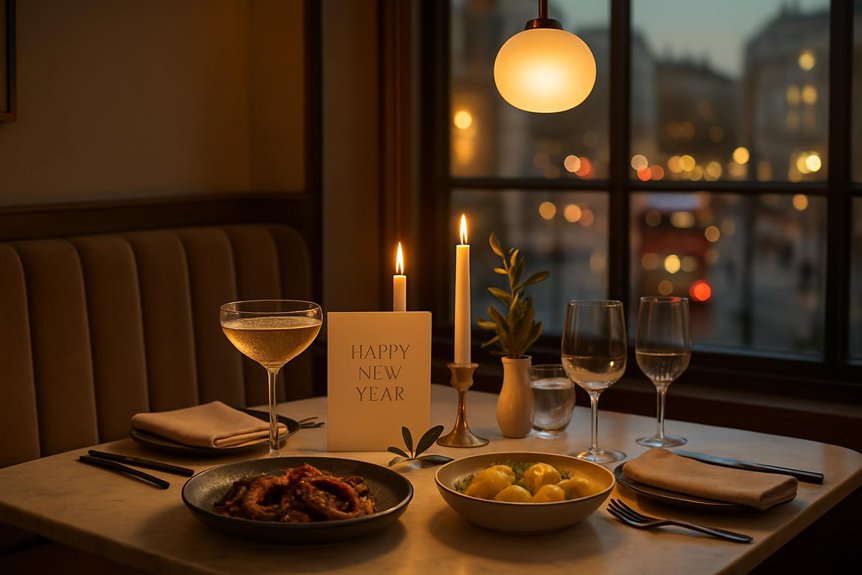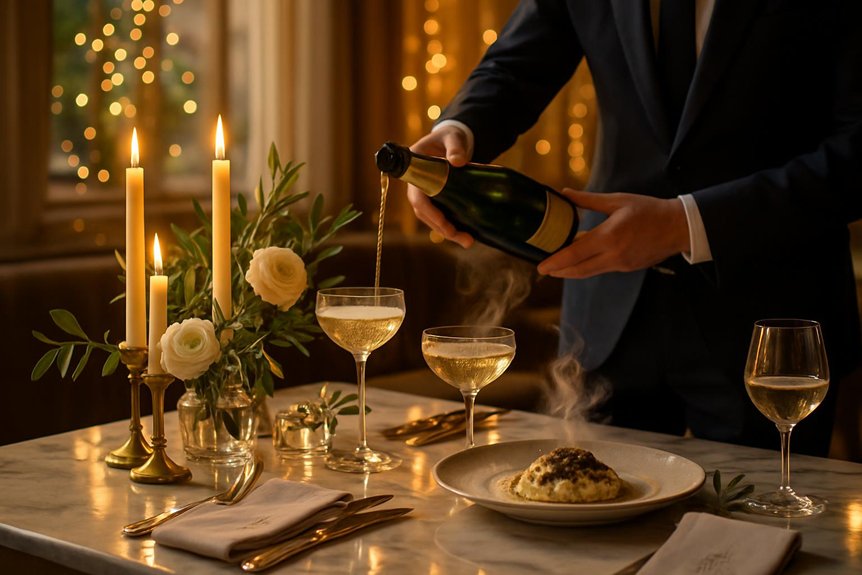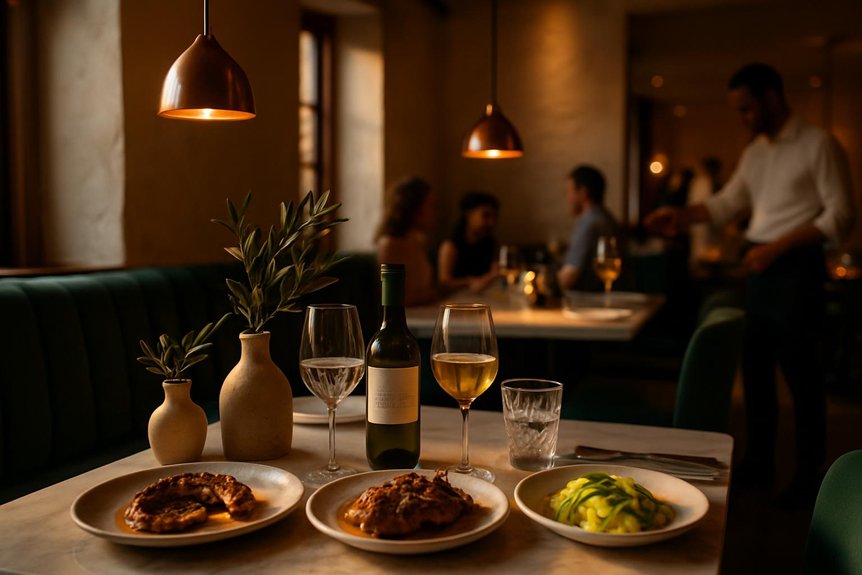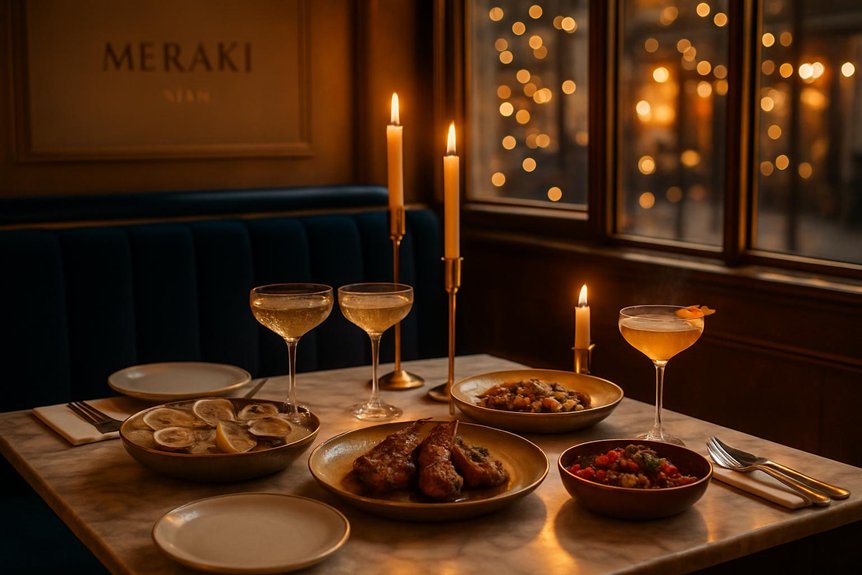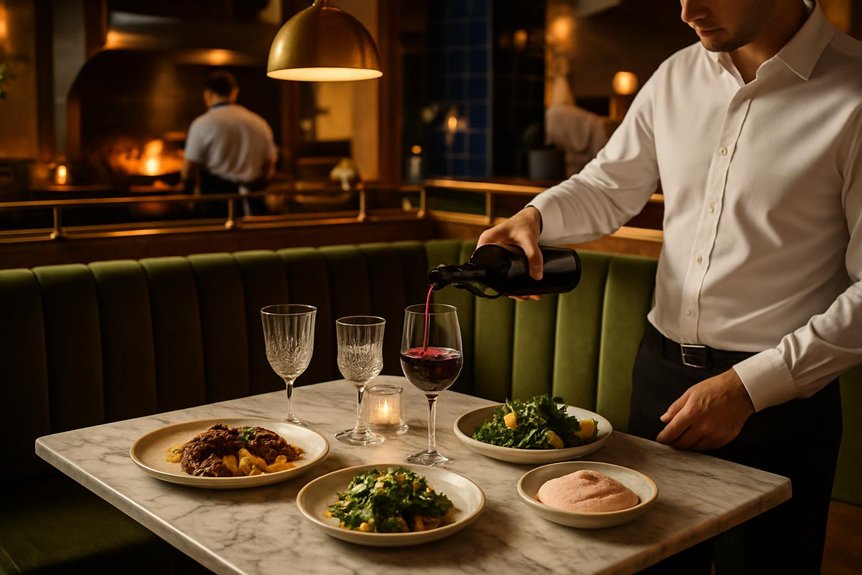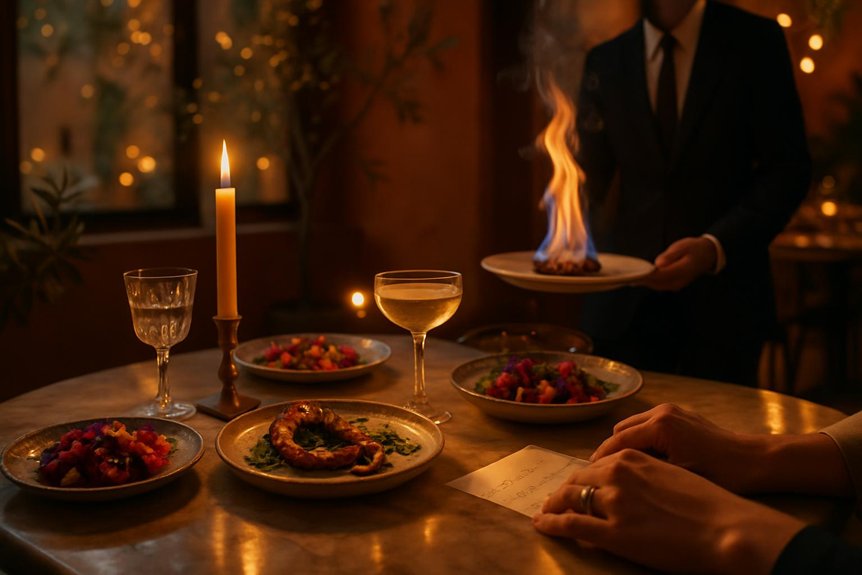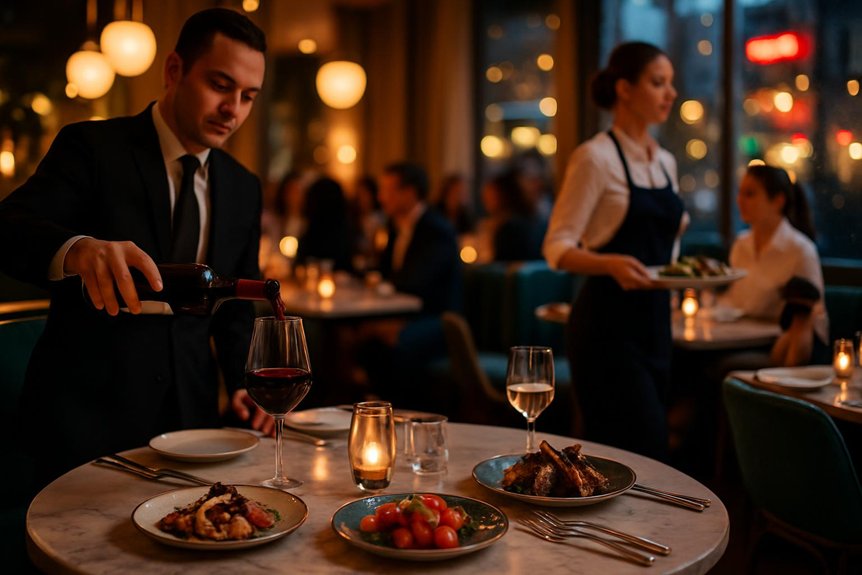

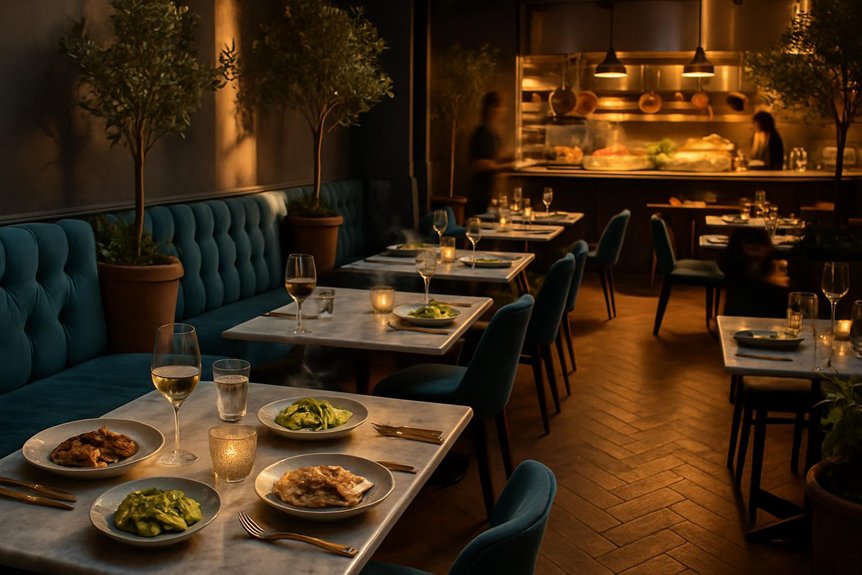
London’s fine-dining scene thrives on precision and provenance, and Meraki quietly exemplifies both. Set in Fitzrovia, it blends modern Greek identity with refined Mediterranean technique. The room is polished yet unpretentious, the produce seasonal, the seafood sustainably sourced and expertly handled. A focused wine list favors benchmark producers, while cocktails mirror the kitchen’s restraint. Service is discreet and assured. For those weighing the city’s elite options, one question remains: what sets Meraki subtly apart?
The Allure of London’s Fine-Dining Landscape
In London, fine dining is defined by contrasts: Michelin-starred grand dames beside experimental chef’s counters, historic townhouses hosting tasting menus, and modern spaces championing sustainable British produce. Across the city, precision and playfulness coexist, as chefs reinterpret classics through culinary innovation while sourcing rigorously from British farms, fisheries, and foragers. The result is a spectrum of experiences where ambiance and decor are as considered as technique: chandeliered rooms whisper tradition; minimalist counters foreground craft; art-filled dining rooms stage seasonal narratives. Service calibrates to setting—measured, discreet, yet attuned to pacing and provenance. Guests encounter disciplined creativity rather than spectacle: flavor clarity, textural tension, and restrained luxury that privileges intent over ornament. Wine programs, often terroir-driven, mirror menus that evolve with micro-seasons. With its innovative cocktail scene, Meraki in Fitzrovia exemplifies how tradition can blend seamlessly with modernity.
Meraki’s Modern Greek Identity
Though rooted in Cycladic simplicity, Meraki channels a polished, urban take on Greek dining that aligns with London’s fine-dining rigor. Its modern Greek identity prioritizes clear flavors, precise technique, and restrained presentation. It translates regional ingredients into focused, contemporary plates.
Fish, vegetables, and olive oil lead, yet the cooking leans on charcoal, acid, and herbs to sharpen depth without excess. The sophisticated ambience and exquisite menu make Meraki an exceptional choice for birthday dinners and other celebrations.
This approach pairs Modern culinary innovation with a steadfast commitment to Greek hospitality. Service is attentive but unfussy, reading the table and pacing dishes to sustain momentum.
Menus evolve with season and provenance, balancing comfort—like elevated meze—with composed dishes that highlight texture and purity. The result is an elegant expression of tradition renewed: authentic in spirit, cosmopolitan in execution, and confident in its point of view.
Location and Ambience in Fitzrovia
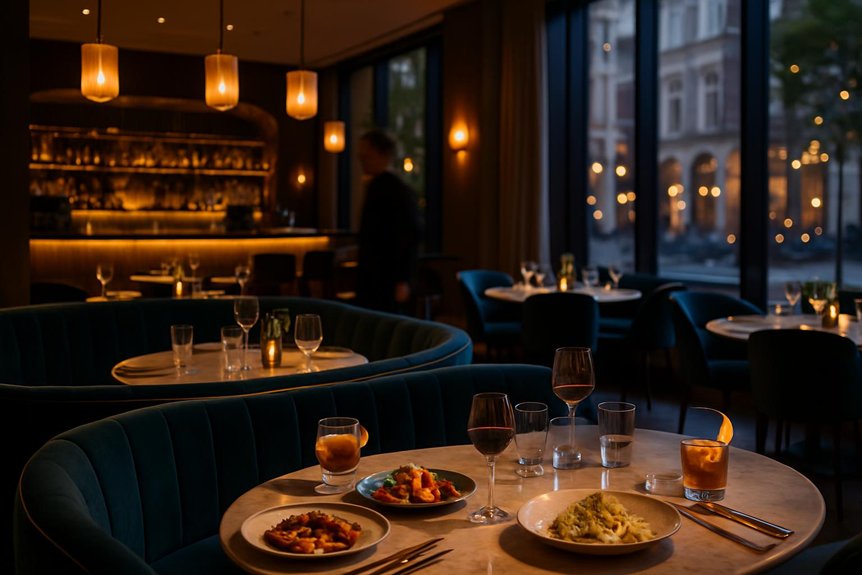
Meraki’s polished Greek ethos finds a natural stage in Fitzrovia, a neighborhood where creative studios meet discreet luxury. Set on a calm street off bustling arteries, the restaurant leverages Fitzrovia charm—brick-front townhouses, gallery windows, and low-lit corners—to frame an urbane, unhurried pace.
Interior tones are sun-baked neutrals with textured stone, pale wood, and considered lighting that nudges conversation without glare. The ambience respects neighborhood history while feeling unmistakably contemporary.
- Street arrival: soft glow through tall panes, subtle signage, and a short step from Oxford Circus yet pleasingly insulated from its rush.
- Seating flow: banquettes and intimate tables balance convivial energy with privacy; acoustics keep voices crisp.
- Bar vignette: marble counter, warm metal accents, and Mediterranean greenery signal transportive calm.
Meraki Restaurant offers a relaxed dining experience with options to dine at home, enhancing its appeal to both locals and international visitors.
Signature Dishes and Seasonal Produce
London’s high-end kitchens frequently anchor their offerings in chef-driven seasonal menus, adjusting plates as markets shift.
Signature Mediterranean flavors—olive oil, citrus, herbs, and coastal seafood—provide a clean, sunlit profile.
Together, these elements signal precision: peak produce framed by confident, regionally informed technique.
Chef-Driven Seasonal Menu
How does a tasting menu tell a season’s story? At Meraki, the answer lies in a chef-driven cadence that alters with the markets, allowing ingredients to peak on the plate rather than in storage. The kitchen refines courses through disciplined tasting, integrating fusion techniques only where they heighten texture or aromatics, never as ornament.
Plating artistry clarifies the narrative: color contrasts signal freshness, while restrained garnishes spotlight provenance and ripeness.
1) What to expect: a compact progression where early courses emphasize crisp acidity and herbal lift, moving toward deeper roasts and slow reductions as temperatures drop.
2) Why it matters: sourcing contracts shift weekly, ensuring minimal lag between harvest and service.
3) How it’s executed: tight portions, precise heat control, and data-tracked supplier lots ensure consistency.
Signature Mediterranean Flavors
A clear Mediterranean thread runs through the menu, defined by bright citrus, wild herbs, and olive oil with real provenance. Signature dishes highlight provenance-driven produce: vine-ripened tomatoes, line-caught fish, and pasture-raised lamb.
Mediterranean spices are applied with restraint—sumac, Aleppo pepper, and smoked paprika lift, rather than mask, the core ingredients.
Cooking techniques are classical and precise. Whole fish is grilled over charcoal for clean, mineral notes; lamb is slow-roasted for tenderness and herb-perfumed edges; vegetables are blistered, then dressed with lemon and thyme for brightness. Cold-pressed olive oil finishes many plates, adding peppery depth.
Seasonal touches—early spring artichokes, late-summer figs, autumn mushrooms—rotate through the menu, ensuring continuity without repetition.
The result is balanced flavor, textural contrast, and honest clarity.
Seafood Craftsmanship at Its Core
London’s top kitchens treat seafood as a craft, beginning with responsibly managed fisheries and traceable day-boat catch.
Chefs employ precision techniques—dry-aging, low-temperature poaching, meticulous curing, and charcoal kissing—to highlight natural texture and sweetness.
The result is focused flavor and clean presentation that reflect ethics as much as skill.
Sustainably Sourced Catch
In the sphere of London’s fine dining, sustainably sourced seafood has become a benchmark of integrity and skill. Meraki’s approach aligns supply with conscience, treating provenance as a core value rather than a garnish.
Partnerships with responsible fisheries and small-scale boats emphasize traceability, seasonality, and minimal bycatch, reflecting rigorous sustainability practices. The result is a menu that respects ecosystems while offering uncompromised flavor, signaling seafood sustainability as both ethical stance and culinary north star.
1) Traceable origins: Each catch is documented from boat to plate, giving diners confidence in species, method, and habitat.
2) Seasonal discipline: Rotating selections protect stocks and highlight peak freshness without strain on marine life.
3) Community stewardship: Supporting local fleets sustains livelihoods, encourages responsible gear, and reduces transport footprints.
Precision Seafood Techniques
Though sustainability frames the ethos, execution rests on exacting technique. At Meraki, seafood craftsmanship begins with temperature control: branzino fillets are dry-brined, air-dried, then seared to render skin crisp without overcooking delicate flesh. Chefs monitor carryover heat, resting portions to lock juices while maintaining clean flake.
Precision techniques drive consistency. Line-caught tuna is trimmed along grain, chilled, and torched for a microsear that preserves sashimi-grade interior. Octopus is tenderized in a controlled simmer, then finished over charcoal for smoke-kissed edges.
Clarified butter and neutral oils are blended to raise sear thresholds and avoid flavor drift.
Seafood presentation reflects restraint—bone-white plates, citrus oils, and calibrated salinity. Garnishes serve structure: pickled fennel for snap, sea herbs for iodine lift, and lemon gel for measured acidity.
Tasting Menus and Culinary Philosophy
While many diners arrive seeking spectacle, the defining feature of London’s high-end scene is discipline: tasting menus that map a chef’s philosophy course by course.
At Meraki, the progression favors clarity over clutter. Each plate advances a narrative of tradition preservation balanced with culinary innovation, using measured portions and calibrated temperatures to keep the palate alert.
Menus shift with micro-seasonal cues, yet anchor themselves in recognizable Mediterranean lines, inviting comparison across visits without repetition.
1) Course architecture: a crisp opener to set salinity and acidity, a mid-palate crest for depth, a quiet interlude, and a focused finale.
2) Technique in service of flavor: restraint with gels, emphasis on texture contrast and clean reductions.
3) Ethos demonstration: heritage recipes reframed, ingredients respected, waste minimized.
Wine Program and Mediterranean Pairings
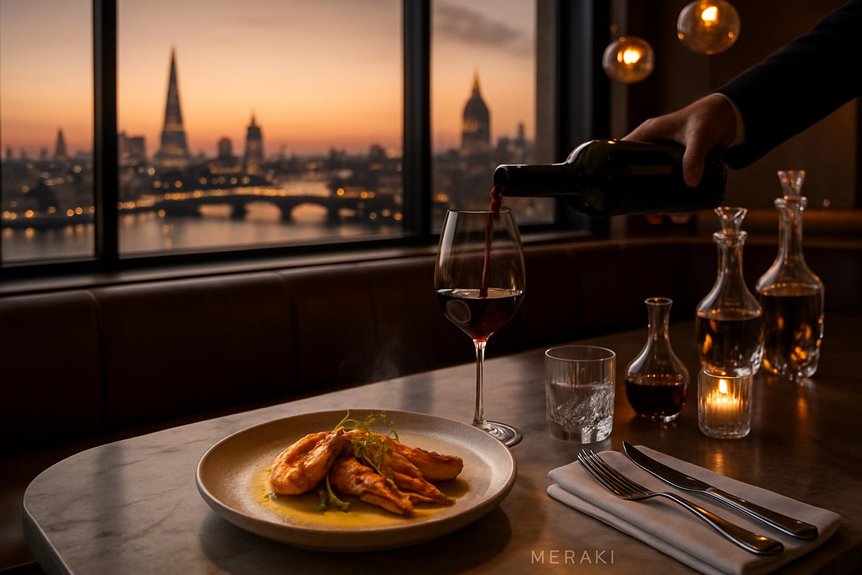
Many top London dining rooms present a curated Mediterranean wine list that highlights benchmark producers from Santorini to Sicily. Guests encounter precise Greek pairings—Assyrtiko with grilled seafood, Xinomavro alongside slow-braised lamb—that sharpen regional flavors.
Sommelier-led tasting flights offer structured comparisons, allowing diners to assess terroir, vintage, and style with measured guidance.
Curated Mediterranean Wine List
A curated Mediterranean wine list anchors the program with varietals that reflect the region’s coastline and climate, prioritizing balance, minerality, and food affinity. The selection spans benchmark Wine regions and emerging coastal appellations, highlighting Mediterranean grapes that deliver saline edges, citrus lift, and herbal nuance.
Whites emphasize texture without heaviness; reds favor freshness over extraction. Sparkling and rosé entries provide versatility across courses, while limited-production bottlings introduce guests to site-driven character and restrained oak.
1) Regional breadth: Focused flights from Santorini, Etna, Provence, Priorat, and the Peloponnese demonstrate volcanic soils, wind influence, and altitude.
2) Style clarity: Crisp, mineral whites; mid-weight reds with fine tannins; method-traditional sparklers.
3) Cellar strategy: Temperature-controlled service, thoughtful vintage rotation, and by-the-glass options encourage discovery without sacrificing typicity.
Perfect Greek Pairings
Though the menu roams the Mediterranean, Greek pairings serve as its compass, aligning regional dishes with precise, terroir-driven wines. At Meraki, the logic is rigorous: saline Santorini Assyrtiko bracing grilled octopus, Nemea Agiorgitiko softening lamb with oregano, and Xinomavro from Naoussa cutting through slow-braised beef.
Mediterranean fusion is anchored by Greek traditions, so olive oil–driven mezze meet citrus-edged Roditis or Moschofilero, while herb-laced fish finds poise with island whites showing volcanic minerality.
Texture matters as much as aroma: skin-contact styles lift tomato-rich keftedes; barrel-kissed Vidiano supports smoky aubergine.
For richer plates, Crete’s Liatiko offers supple red fruit without weight, preserving brightness.
Desserts pair with Muscat of Samos or Mavrodaphne, balancing honey, spice, and nut tones with poised sweetness and clean finishes.
Sommelier-Led Tasting Flights
In this dining room, the sommelier frames the Mediterranean through curated flights that move with the menu’s arc. Selections highlight indigenous grapes—Assyrtiko, Xinomavro, Malvasia—alongside smart Old World counterpoints. Each pour underscores cultural fusion, aligning texture, salinity, and acidity with seasonal dishes.
The pacing is deliberate: crisp to savory to contemplative, with pours sized to maintain clarity on the palate and spotlight artistic presentation.
1) Sea Breeze Flight: saline, citrus-driven whites matched to crudo and herb-led mezze; focus on minerality and precise temperature.
2) Coast-to-City Flight: island rosés through elegant reds, bridging grilled seafood to lamb; balance between fruit purity and spice.
3) Heritage Icons Flight: amphora and barrel-aged selections revealing layered structure; ideal with slow-braised plates and aged cheeses.
Cocktails and the Bar Experience
How does a city of centuries-old pubs now set the standard for cutting-edge cocktails?
At Meraki, cocktail craft meets culinary precision, translating Mediterranean ingredients into balanced, modern drinks. House infusions, clarified juices, and restrained sweetness place flavor clarity first; garnishes serve function, not spectacle.
The bar ambiance favors intimate conversation: warm lighting, measured volume, and seating that prioritizes the shaker’s theater without overwhelming the palate.
Signature pours echo the kitchen’s pantry—thyme-smoked gin, olive-brine saline, bergamot bitters—deployed with disciplined technique. Ice is tailored to dilution curves; glassware is chilled and sized to preserve aroma.
Seasonal menus rotate thoughtfully rather than trend-chasing, allowing returning guests to chart evolution.
Bartenders guide choices with concise descriptors, steering guests toward profiles—bright, savory, or spirit-forward—that fit the moment.
Service, Hospitality, and Atmosphere
While plates and pours may draw the reservation, it is the choreography of service that defines Meraki’s character.
The dining room moves with quiet precision: hosts pace arrivals, servers anticipate rhythms of the table, and sommeliers appear only when needed.
This restraint underscores an atmosphere that is warm without theatrics, shaped by cultural influences that favor generosity, timing, and discretion.
Staff training is evident in consistent greetings, confident menu guidance, and seamless handoffs between courses.
1) Attentive pacing: Dishes land with measured intervals, maintaining momentum without crowding conversation.
2) Informed dialogue: Staff offer succinct explanations, aligning recommendations to tastes and dietary needs.
3) Ambient balance: Lighting, sound, and spacing create intimacy while preserving energy, allowing celebrations and business dinners to coexist comfortably.
How Meraki Compares to London’s Elite Dining Spots
Curiously, Meraki positions itself between Michelin-threaded temples and buzzy chef-led brasseries, trading haute theatrics for calibrated ease. It favors clarity over ornament, yet avoids the casual sprawl that dilutes many fashionable rooms.
Compared with tasting-menu shrines, Meraki’s à la carte approach feels liberating, inviting choice without sacrificing rigor.
Its edge lies in how Ancient traditions are reframed through Modern interpretations: pristine produce, restrained garnishes, and technique that amplifies rather than overwhelms.
Pricing lands below the capital’s most rarefied counters, while service discipline mirrors them.
Wine programming skews thoughtful—Mediterranean-leaning but not doctrinaire—balancing discovery with dependable benchmarks.
Noise levels, pacing, and lighting are negotiated for conversation, not spectacle.
Conclusion
In a city where fine dining glitters like constellations, Meraki shines with a steadier, subtler light. Its modern Greek soul, honed by fire, sea, and season, speaks in confident whispers rather than shouts. Here, provenance has purpose, service moves like silk, and the wine maps a Mediterranean horizon. Against London’s starriest rooms, Meraki feels like a compass—quietly precise, unmistakably sure—guiding seekers toward a truer luxury: craftsmanship without theatrics, elegance without echo, flavor with a memory.