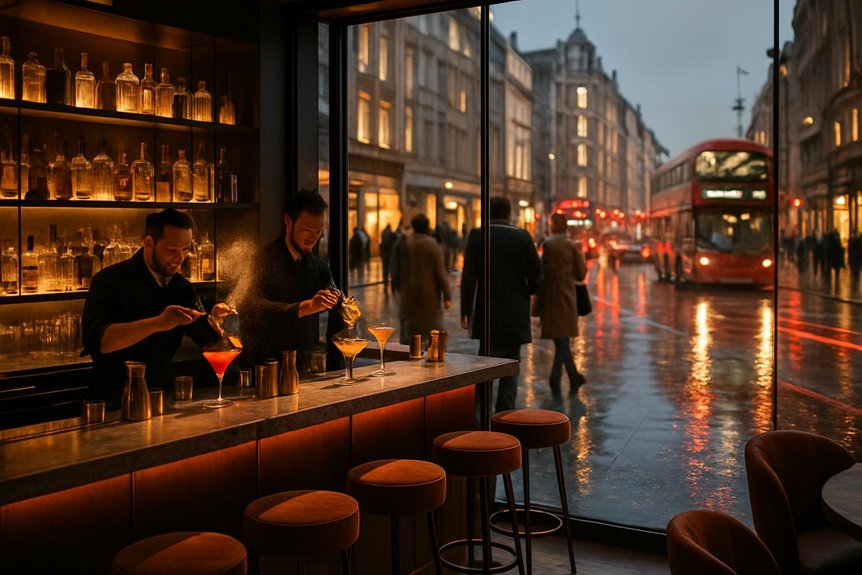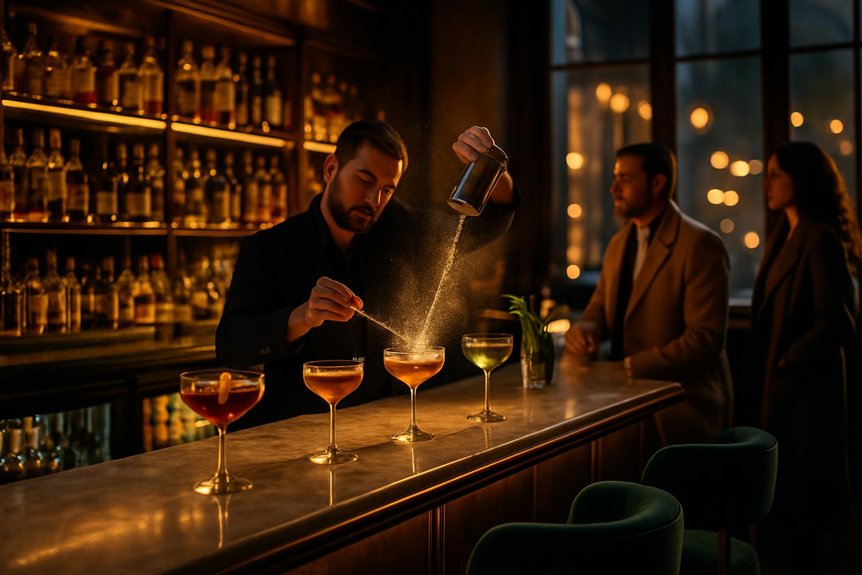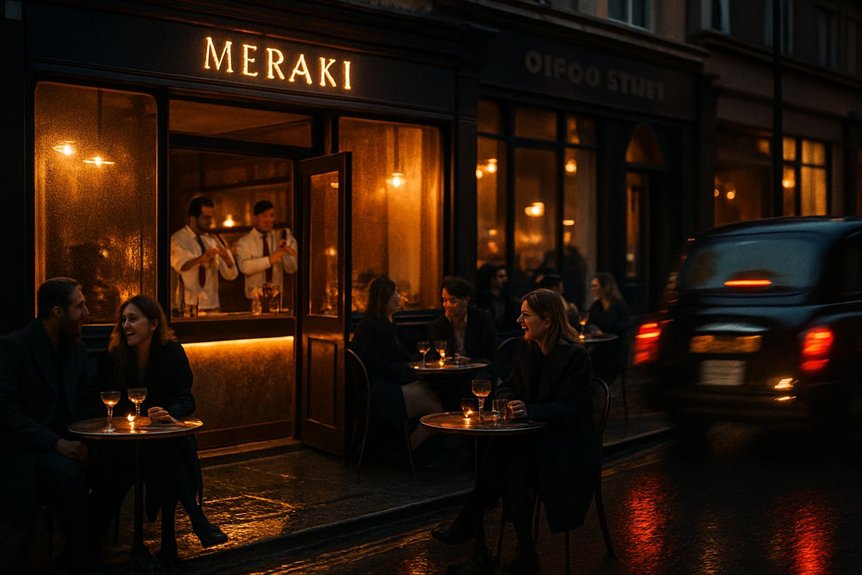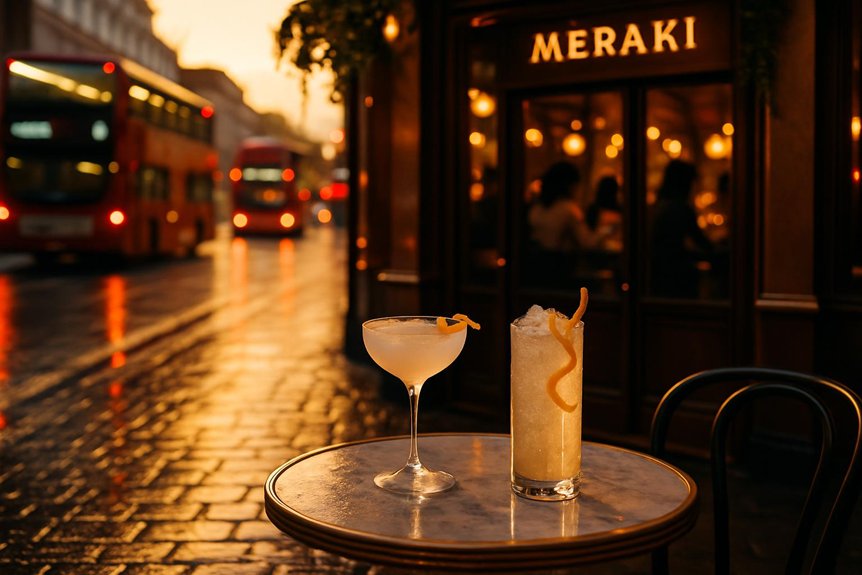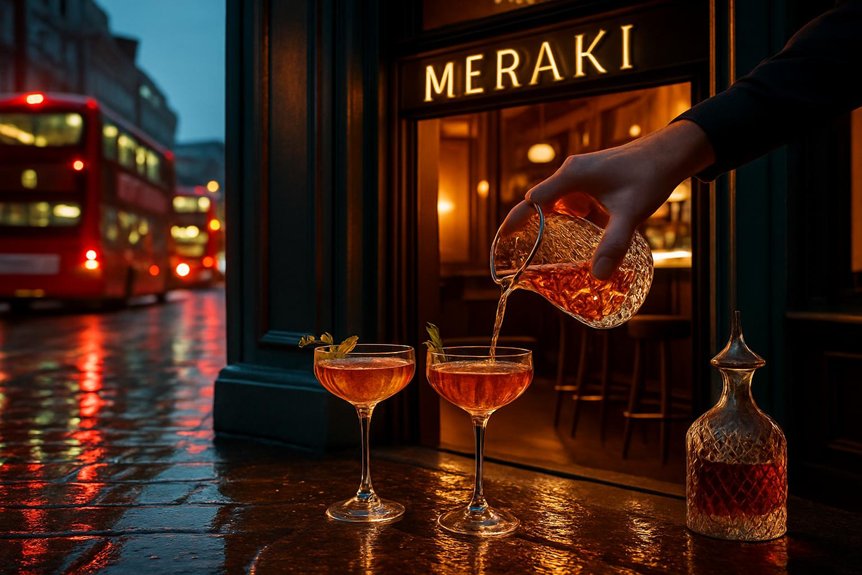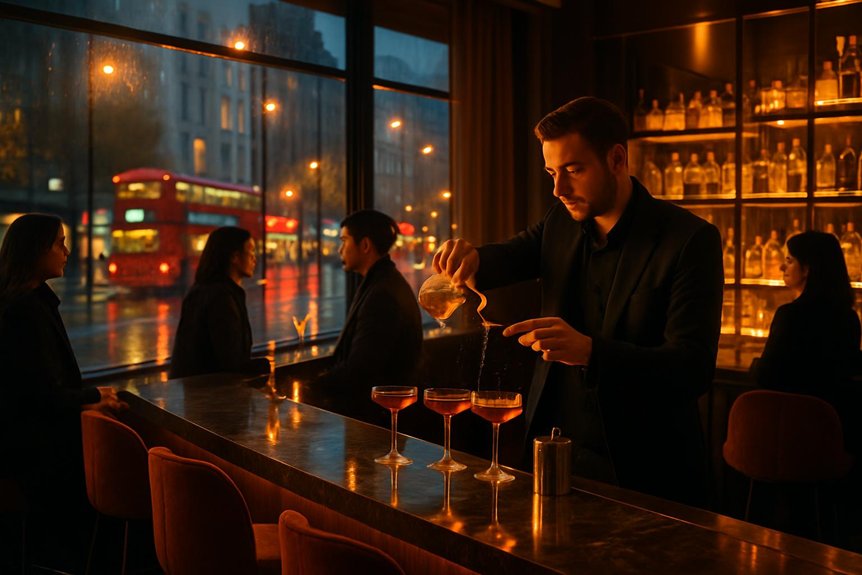

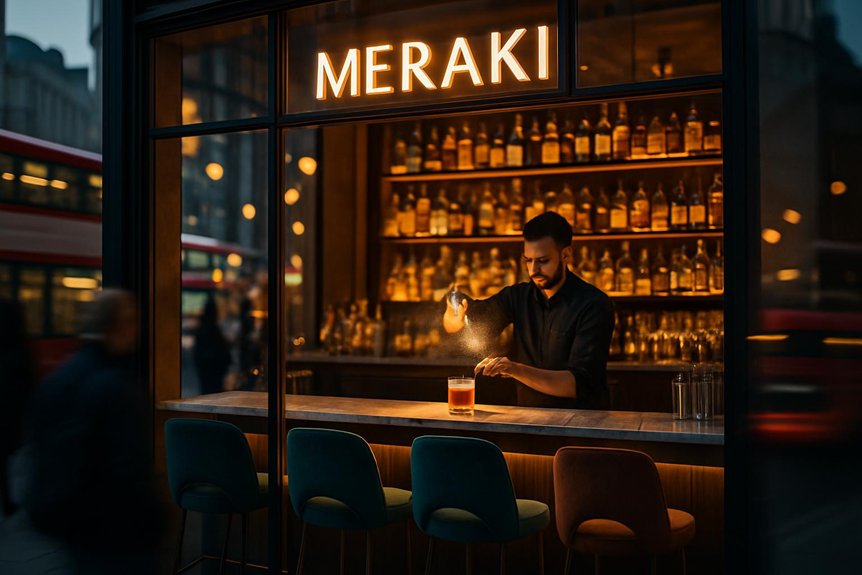
Oxford Street is shifting from quick pours to crafted moments, and Meraki stands at the center of that change. Its Greek-influenced design, precise technique, and seasonal ingredients create a calm authority rather than a spectacle. Service moves quietly, anticipating needs, while curated sound and glassware frame each sip. The result is a bar that feels measured, modern, and exacting. Yet the question remains: what, exactly, makes Meraki the benchmark others now measure against?
Why Oxford Street Is Raising the Bar
How did Oxford Street, long defined by retail, become a destination for discerning cocktail drinkers? The shift began as landlords diversified post-pandemic, welcoming hospitality concepts that complemented a broader urban renewal strategy. Evening footfall increased, encouraging operators to invest in serious bar programs, trained teams, and premium spirits. A retail revival followed, with brands embracing later hours and experiential formats that pair shopping with crafted drinks. Proximity to luxury hotels and theater crowds ensured demand beyond tourists, while improved transport links made after-work visits effortless. Significantly, reputational leaders like Meraki set higher expectations, proving that Oxford Street can sustain quality over novelty. The result is a corridor where commerce and cocktails intersect, signaling a durable, mixed-use future for central London.
Inside Meraki: Design, Ambience, and Energy
Meraki channels a contemporary Greek ethos through clean lines, textured stone, and sun-washed hues. Lighting moves from soft amber at tables to crisp highlights at the bar, while music shifts from Aegean-influenced grooves to late-night uptempo. The room’s flow guides guests from street-facing aperitifs to an energetic core, keeping service smooth and the tempo rising. The Mediterranean-inspired dishes enhance the dining experience, offering a flavorful journey that complements the cocktail offerings.
Contemporary Greek Ethos
A contemporary Greek ethos informs Meraki’s interior from the moment of entry: whitewashed walls, pale oak, and brushed stone evoke Cycladic restraint without pastiche. The palette signals Greek heritage while aligning with contemporary aesthetics; textures are tactile yet disciplined, allowing materials to speak without ornament.
Seating lines are clean, with low-slung banquettes and sculpted stools that reference island carpentry through refined profiles. Ceramics in chalk tones punctuate shelves, and linen accents soften edges without diluting precision.
The bar face uses honed stone, its grain subtly recalling Aegean shorelines. Artworks avoid cliché, favoring abstract compositions that nod to Attic geometry.
The result is an atmosphere of lucid calm, where craft, proportion, and authenticity converge to frame the cocktails and service ritual. Meraki offers a unique nightlife experience with dining, dancing, and great vibes every Thursday, Friday, and Saturday.
Lighting, Music, Flow
Though restrained in palette, the room is animated by a layered orchestration of light, sound, and circulation. Lighting arrives in calibrated tiers: warm washes soften surfaces, pinpoint beams articulate the bar, and neon accents trace edges with a crisp urban glow. This hierarchy guides attention without glare.
Music follows a similar gradient, its tempo lifting through the evening while remaining tuned to conversation. The acoustic ambiance is engineered with discreet panels and textured finishes, absorbing harshness and preserving clarity.
Flow is choreographed through sightlines and spacing. Guests pivot naturally from entrance to bar to banquette, with staff routes interlacing yet unobtrusive. Thresholds are legible, corners inviting, and the central aisle maintains momentum. The result is a steady pulse that sustains energy without fatigue.
Signature Cocktails: Ingredient-Driven Innovation
Oxford Street’s cocktail programs are built around seasonal produce and locally sourced botanicals.
Bartenders prioritize peak freshness, letting ingredients dictate structure and balance.
Modern techniques—clarification, fat-washing, and controlled carbonation—elevate flavors and sharpen each signature pour.
Seasonal, Locally Sourced
In step with the city’s harvest rhythm, Oxford Street’s most forward-looking cocktail bars build menus around peak-season British produce, letting ingredients dictate technique and structure.
The approach is pragmatic: farmers and foragers set the calendar, and bartenders respond with lean, purposeful seasonal cocktails. Rhubarb gives spring a sharp, rosy profile; early berries deliver brightness without excess sugar; autumn orchard fruit introduces layered aroma and gentle tannin.
Herbs arrive in small, fragrant runs, ensuring brevity and focus on local ingredients rather than pantry stand-ins. Citrus is minimized; hedgerow acidity from crab apple, gooseberry, or sorrel fills the gap. Waste is trimmed through small-batch purchasing, and menus pivot quickly, keeping flavors precise, grounded, and unmistakably tied to London’s fields, coasts, and hedges.
Techniques Elevate Flavors
A precision mindset defines how these bars turn local produce into signature cocktails, using technique to amplify rather than mask flavor.
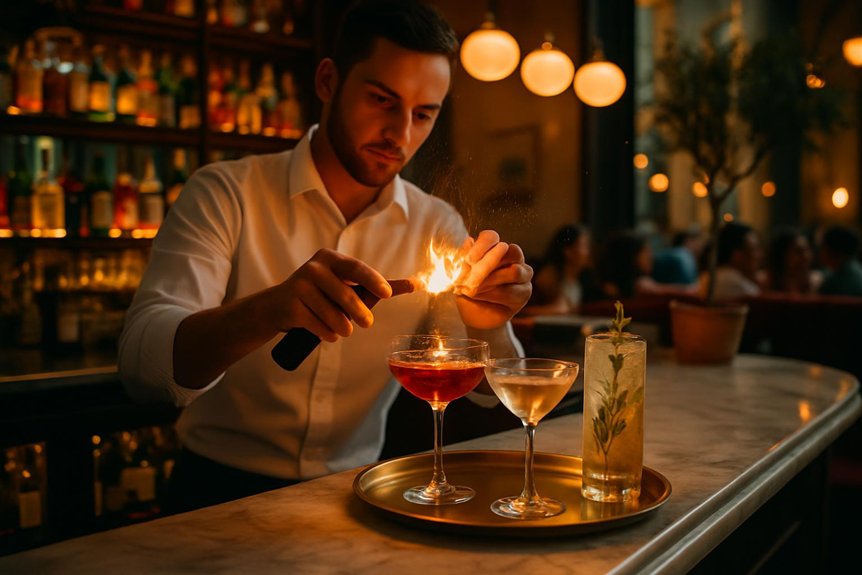
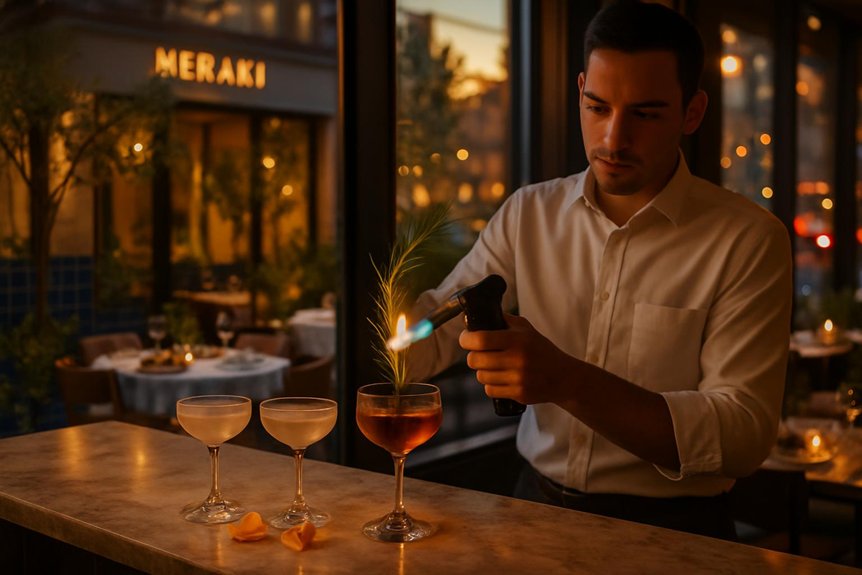
At Meraki, restraint meets rigor: herbs are cryo-muddled to prevent bitterness, citrus oils are clarified for brightness, and saline solutions calibrate perception without overt salinity.
Molecular mixology is applied judiciously—spherified nectarine accents a highball, while nitro-chilled berries lock in aroma.
Flavor layering drives structure. Roasted stone-fruit syrups underpin top notes of garden mint; split-base spirits add depth without heaviness.
Low-temperature infusions capture fragile florals, then carbonated finishes lift texture. Clarification removes haze but preserves volatile compounds, ensuring longer, cleaner finishes.
Each step foregrounds provenance, translating market-fresh ingredients into focused, repeatable expressions that read as modern yet unmistakably local.
Classics, Perfected: Technique and Precision
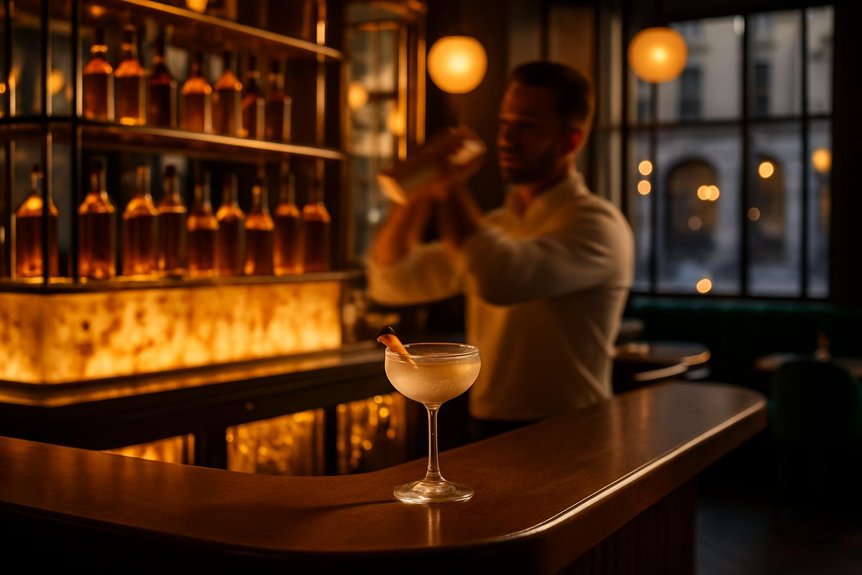
Precision defines Oxford Street’s most respected cocktail bars, where classic recipes are executed with unwavering discipline. Technique sits at the core: measured dilution, exact chilling curves, and calibrated aeration produce Old Fashioneds that glow with clarity and Martinis that land with surgical balance.
Timers and scales replace guesswork; ice density is selected, not assumed. Citrus is cut to uniform acidity; syrups are standardized to Brix.
Barware innovations support this rigor. Weighted shakers optimize kinetic energy, seamless jiggers reduce meniscus error, and fine-mesh strainers deliver crystalline texture. Carbonation stones tune bubbles for highballs with tensile snap.
This is cocktail artistry expressed through constraint—respecting canonical ratios while refining mouthfeel, temperature, and finish. The result is reliability without sterility: timeless formulas, honed to modern exactitude.
Service That Anticipates Your Next Move
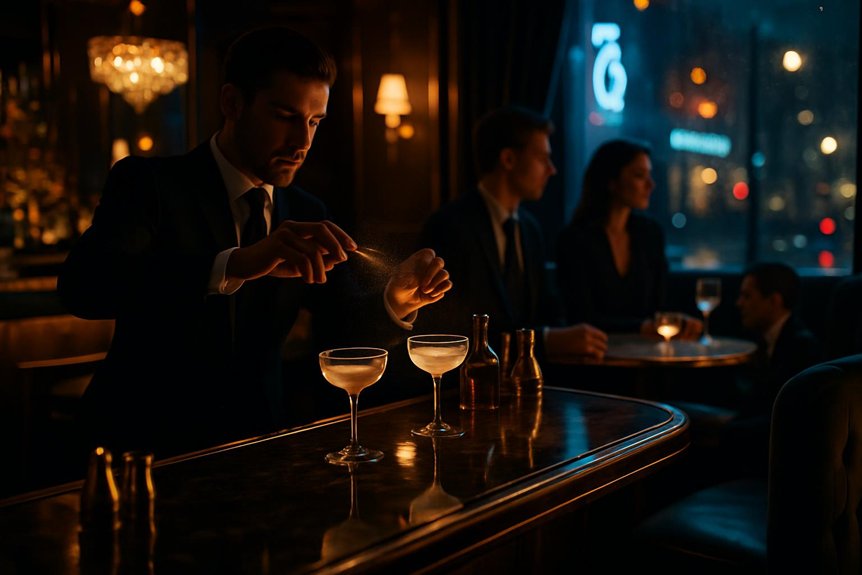
Technique may set the tone, but the guest experience is completed by service that reads cues before they are voiced. At Meraki, bartenders track tempo: a glass is refreshed before condensation fades, a water is replenished as conversation deepens, and seats are adjusted without interrupting flow.
The team interprets posture, pace, and eye contact, guiding decisions without intrusion. Orders are remembered; preferences are quietly refined. A guest’s lean toward citrus prompts a tailored twist, delivered with polished cocktail presentation that aligns with precise bar etiquette.
Napkins arrive when needed, spills are prevented, and pacing adapts to the table’s rhythm. Menus appear at the right moment, and the bill is timed to the guest’s signal, ensuring comfort, continuity, and a sense of being thoroughly understood.
Curated Sound, Lighting, and Glassware
Sound, lighting, and glassware are treated as instruments that tune the room’s character as the night progresses. At Meraki, soundscape curation is deliberate rather than decorative: tempos rise subtly after dusk, bass remains tactile but restrained, and conversational frequencies stay clear. The result is momentum without fatigue.
Lighting design follows a similarly measured cadence. Layers of warm dimming, concealed uplights, and focused pin-spots sculpt silhouettes, highlight liquid color, and keep tables legible without glare. *Gradations* are timed to set shifts, not spectacle.
Glassware completes the triad. Rims, bowls, and stem heights are chosen to guide aroma, preserve dilution, and signal occasion. Crystal weight balances hand feel and temperature control, while finishes remain neutral to let spirits and ice do the visual work.
Pairings and Small Plates That Elevate the Sip
Three principles guide the food: amplify aroma, manage palate fatigue, and reset texture. Meraki’s pairings work as calibrated counterparts to the glass, not distractions. Citrus-cured sea bass, layered with yuzu oil, sharpens high-toned gin botanicals; a sesame tuile adds snap to prevent palate drift.
Warm brioche topped with miso-buttered crab deepens barrel-aged rum notes while a celery leaf salad keeps lift.
Informed by mixology trends, the bar menu design sequences bites by intensity. Saline accents—shiso salt, olive brine pearls—tune sweetness in stirred whiskey drinks. Charred padróns with smoked almond crema provide gentle bitterness for amaro spritzes.
A chilled tomato consommé “shooter” cleanses between spirit-forward rounds. Finally, cacao-dusted blue cheese and fig lacquer echo oxidized sherry profiles without overwhelming the finish.
When to Visit: Peak Times and Hidden Gems
Curiously, timing can define the entire Oxford Street cocktail experience. Observers note clear rhythms: early evenings on weekdays offer breathing room, while late Fridays compress demand into energetic surges.
The best times tend to be Tuesday to Thursday, 5–7 p.m., when bartenders have bandwidth to tailor pours and conversation flows without strain. Weekends trend crowded after 8 p.m., but late Sundays reveal quieter corners.
Veterans speak of secret hours: post-theatre lulls around 10:30–11 p.m., and soft openings on rainy midweeks when casual footfall drops.
- Scout weekday twilight slots for balanced ambience and attentive service.
- Target late Sunday or rainy evenings to find seats without queues.
- Slip into the post-theatre window to catch skilled staff at peak composure.
How Meraki Redefines the West End Cocktail Scene
Why does Meraki feel different the moment a guest steps in? The room signals intent: measured lighting, confident acoustics, and a bar staged like a studio. Bartenders treat each order as a brief, not a script, reflecting mixology mastery without theatrics. Ingredients are season-led, with ferments, clarified juices, and precision ice reinforcing a clean flavor line.
Meraki’s menu reads like an editor’s cut of craft cocktail trends: low-ABV aperitif builds, saline-kissed martinis, and highballs that prize texture over garnish. Technique serves balance—centrifugation to remove noise, carbonating to lift aromatics, and controlled dilution for finish. Service stays unhurried but exacting, guiding guests by palate, not price.
In a crowded West End, Meraki resets expectations by making innovation feel inevitable, not loud.
Conclusion
On Oxford Street, Meraki crystallizes what a modern cocktail bar can be: design-forward, ingredient-led, and choreographed with near-invisible precision. Its seasonal signatures, perfected classics, and anticipatory service converge with curated sound, lighting, and glassware to heighten every sip. Paired small plates deepen the narrative, while timed visits reveal different textures of the room. In a city crowded with contenders, Meraki doesn’t just raise the bar—it launches it into the stratosphere, setting a luminous benchmark for London’s West End.