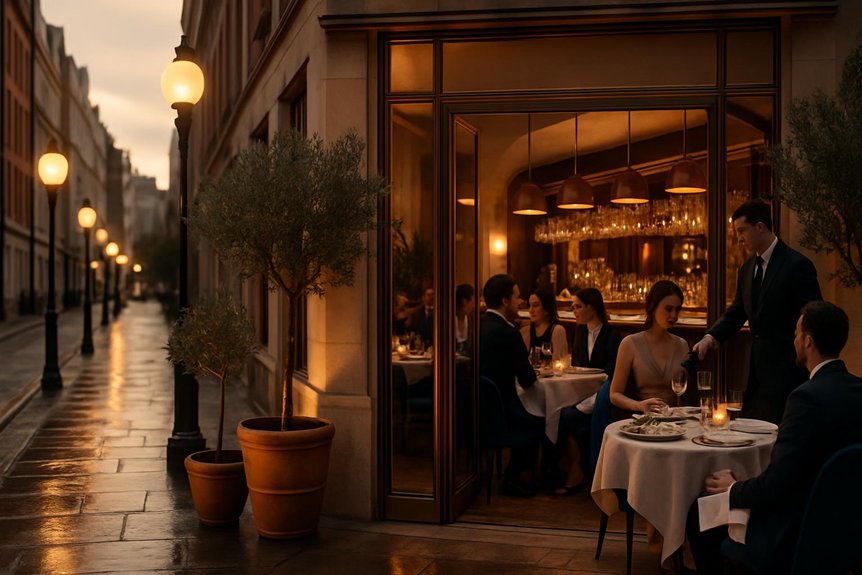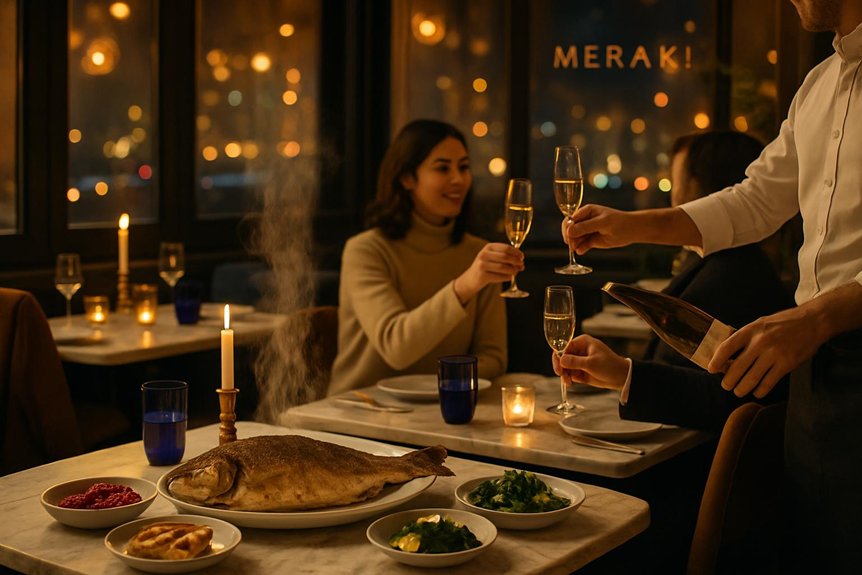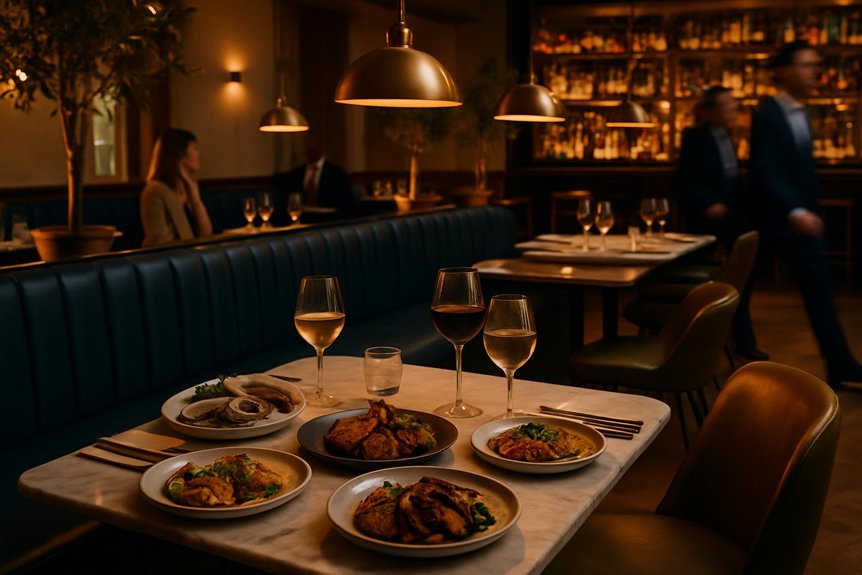

Meraki positions modern Mediterranean luxury within London’s fine dining with quiet confidence. Cycladic minimalism meets West End polish, where textured stone and pale wood frame a restrained stage. The kitchen favors pristine, seasonal produce and coastal techniques—grilling, curing, gentle smoke. Volcanic wines echo the menu’s salinity and lift. Service moves with unforced grace. What distinguishes intention from ornament here is not showmanship, but a series of choices that invite closer scrutiny.
Cycladic Minimalism Meets West End Glamour
How does a Cycladic palette of whitewashed walls and sun-bleached stone reconcile with the theatrical polish of London’s West End? At Meraki, the answer arrives as discipline rather than spectacle.
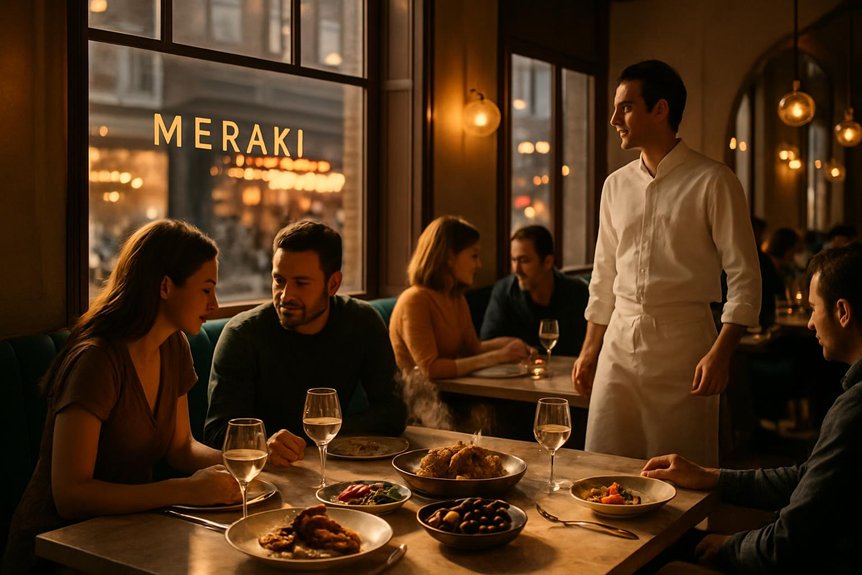
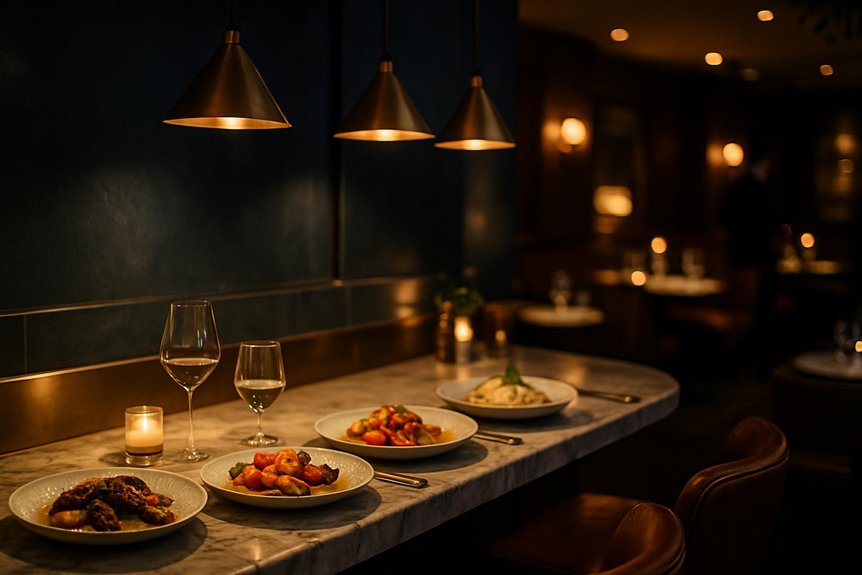
The room honors Mediterranean architecture through planar surfaces, limewashed textures, and restrained geometry, then counterbalances them with discreet metallic trim, plush upholstery, and calibrated lighting cues.
It is an Artistic fusion where calm horizons meet marquee confidence, translating island austerity into urban poise.
Sightlines remain clean; ornament serves function; acoustics soften edges without dimming energy.
Marble reads as landscape rather than luxury, and timber warms without rustic affectation.
The choreography is spatial, not ostentatious, allowing Cycladic minimalism to anchor mood while the West End lends tempo, polish, and a composed sense of occasion.
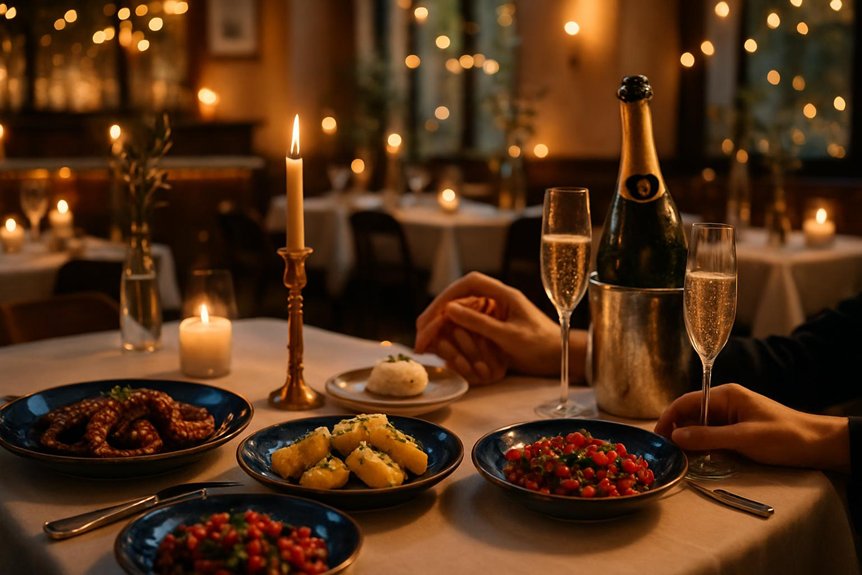
Guests are encouraged to prepare dancing feet for the lively nights of dining and dancing that Meraki offers.
A Produce-Driven Philosophy With Coastal Flair
Why does the menu feel vivid yet effortless? Because Meraki privileges ingredient honesty and temperature precision over ornament. A produce-driven ethos channels the Aegean shoreline, letting briny sweetness, minerality, and clean oils register first.
The kitchen’s Farm to table discipline narrows choices to what is pristine, then frames it with restrained technique—char, citrus, olive, herb. Seasonal ingredients dictate cadence, so dishes change with tide and market rather than trend.
- Sourcing: daily buys from coastal fisheries and small growers secure texture-driven products—firm tomatoes, taut-skinned sardines, peppery greens.
- Technique: fast grilling, gentle curing, and raw preparations preserve salinity and volatile aromas; sauces are light, reductions rare.
- Balance: fat, acid, and smoke are calibrated to highlight produce; garnishes serve structure, not spectacle.
At Meraki, guests can experience Greek-inspired dishes that reflect this culinary philosophy, as seen during events like the Travellers Tales lunch talk with Victoria Hislop.
From Santorini to Sicily: A Curated Wine Journey
From Santorini’s sunlit calderas to Sicily’s Etna slopes, volcanic terroir shapes wines with taut acidity and mineral precision.
The journey continues along Italy’s coasts, where sea breezes temper ripeness to yield focused, saline-driven vintages.
Together, these regions outline a curated progression of texture, energy, and coastal character.
At Meraki, the exclusive tasting menus offer a gourmet journey, meticulously crafted to showcase the artistry of the culinary team.
Volcanic Terroir Expressions
The journey across the Mediterranean’s volcanic arc reveals wines shaped by fire, wind, and salt. At Meraki, this narrative becomes precise: Volcanic terroir communicates tension, salinity, and mineral cut.
From Santorini’s assyrtiko to Etna’s nerello mascalese, lava-infused flavors mean citrus pith, smoke, and ferrous edges rather than heaviness. The list is curated to frame energy over opulence, acidity over oak, detail over volume.
1) Santorini: wind-sculpted bush vines yield steely assyrtiko. Pumice soils imprint iodine and lemon oil. Saline lines sharpen raw seafood pairings.
2) Etna: high-altitude contrade give red cherry, ash, and herbal lift. Tannins are fine, length is linear. Ideal for charcoal-kissed lamb.
3) Lipari and Campi Flegrei: saline whites and lithe reds show fennel, stone dust, and citrus rind. Texture remains brisk and quietly profound.
Coastal Italian Vintages
Heat and salt linger from the volcanic arc, then the coastline takes the lead. From Santorini’s windswept cliffs to Sicily’s sun-soaked coves, the journey favors precision over spectacle.
Citrus, salinity, and herbal lift define these coastal Italian vintages, their textures honed by maritime breezes and basaltic seams.
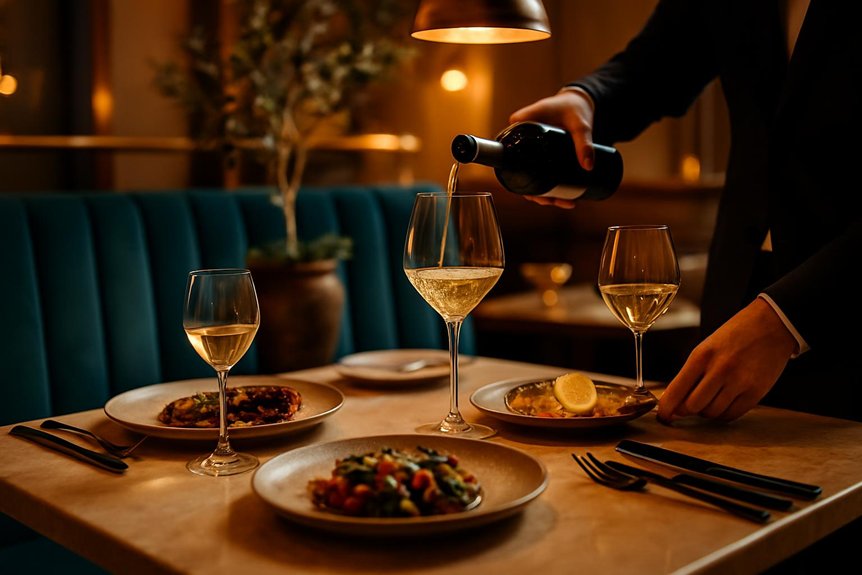
In London, Meraki curates labels that translate shoreline geology into poised structure: Carricante from Etna with tensile acidity, Falanghina from Campania offering pear and sea spray, and Ligurian Vermentino threading pine resin and bitter almond.
Nebbiolo from Valtellina, mountain-bred yet coastal-influenced, adds rose and mineral cut.
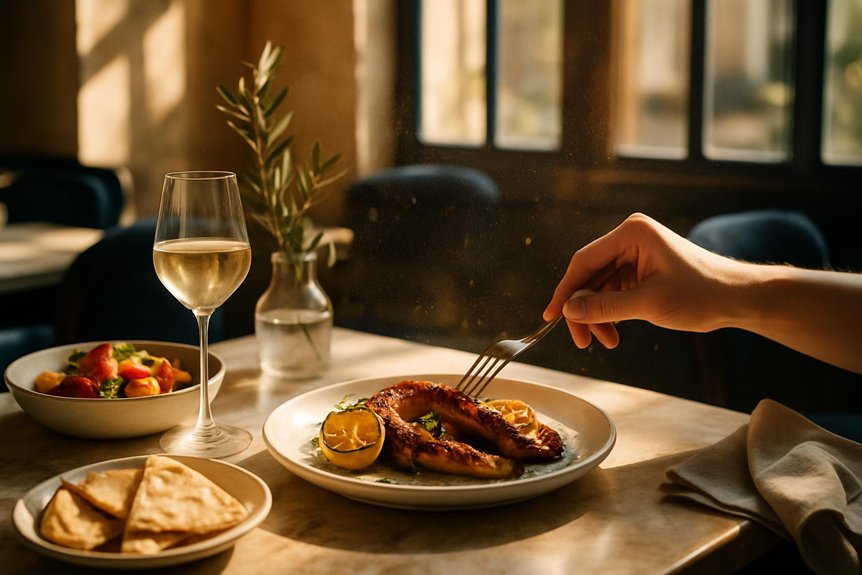
The narrative nods to Mediterranean metallurgy—iron-rich soils shaping tannins—and Coastal artisanal crafts, where amphorae, handwoven basket presses, and restrained oak frame wines that pair cleanly with citrus-cured crudo and charcoal-grilled octopus.
Light, Layered Plates and Jewel-Toned Seafood
Although rooted in tradition, the composition here is contemporary: lithe layers of crisp vegetables, tender grains, and cool herbs set a stage for jewel-toned seafood to gleam.
Portions arrive as measured strata, each bite calibrated to balance salinity, acidity, and gentle smoke.
Fusion plating guides the architecture, yet restraint keeps the Mediterranean heartbeat audible.
Ingredient sourcing is exacting—day-boat landings, hillside greens, and citrus with verifiable provenance—so color speaks with flavor, not garnish.
1) Texture hierarchy: translucent tuna over freekeh, punctuated by pickled fennel and preserved lemon, so soft, chew, and snap move in sequence.
2) Thermal contrast: chilled sea bream with warm saffron barley, aromatic steam meeting iced herb oil.
3) Precision salinity: bottarga dust, olive brine pearls, and sea purslane, tuned to lift sweetness without overshadowing minerality.
Service and Atmosphere: Warmth With Polished Ease
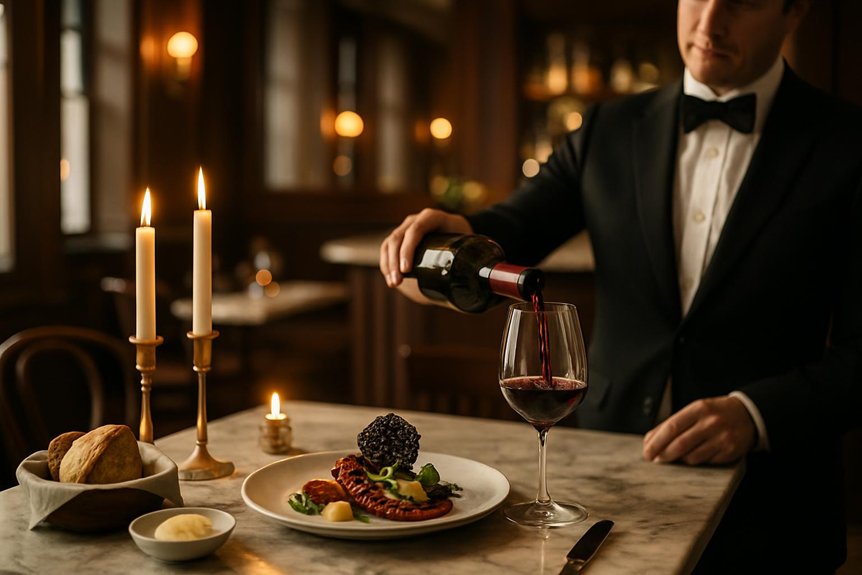
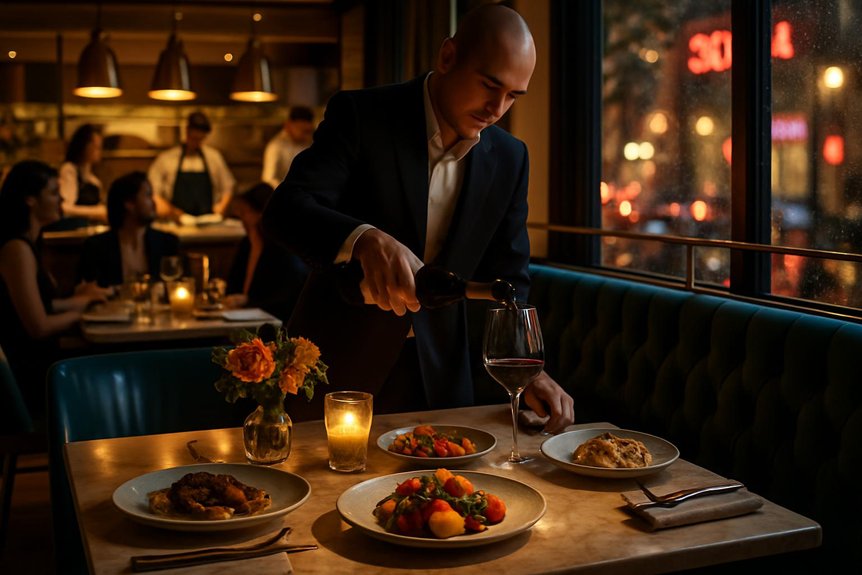
Beyond calibrated plates, service mirrors the cuisine’s quiet confidence. Staff move with unforced rhythm, reading the room rather than scripting it, and translating the kitchen’s intent into quiet cues: a timely wine top-up, a gentle course cadence, unobtrusive clarity about sourcing.
The tone is warm without chumminess, polished without pretense, giving space for conversation and the food’s modern Mediterranean narrative.
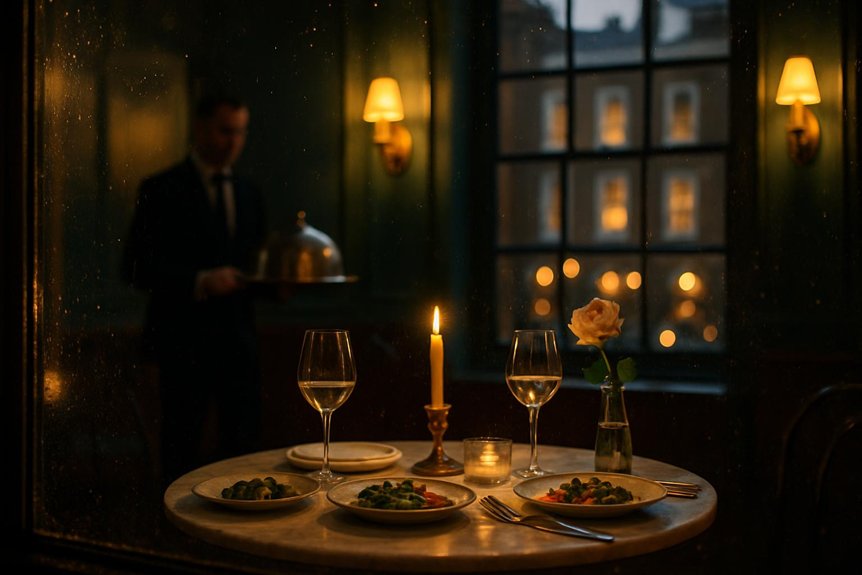
Lighting glows at table height, softened by natural textures; acoustics keep buzz contained. The room’s palette nods to shoreline stone and sunbleached wood, anchoring luxury in tactility.
Menus reference sustainable sourcing plainly, and servers articulate how fusion cuisine influences appear—never as spectacle, but as grounded technique.
The result is an atmosphere of ease, calibrated to make refinement feel effortless.
Why Intention Outshines Excess at the Table
Even in rooms gilded with choice, what resonates is restraint guided by purpose. At Meraki, luxury arrives through Mindful plating and Intentional flavors, not spectacle. The kitchen edits, then edits again, allowing olive oil, cured lemon, and ember-kissed seafood to speak in clear tones. Each element earns its place, forming a narrative of provenance and texture rather than accumulation.
- Scarcity as focus: Limited components heighten contrast—acid to fat, char to sweetness—so nuance becomes memorable rather than muddled.
- Tactile balance: Crisp edges meet supple centers; temperature and salinity are calibrated, proving technique can outshine garnish.
- Cultural continuity: Mediterranean restraint honors season and shore, reinforcing meaning over ornament.
This philosophy reframes indulgence as attention, where discernment, not abundance, defines modern Mediterranean luxury.
Conclusion
In the end, Meraki proves that restraint is the new extravagance. Here, luxury arrives without velvet ropes: a flicker of Cycladic light, a curl of smoke from the grill, a mineral whisper in the glass. The plates look effortless, which, of course, takes enormous effort. Guests chase novelty; they find intention instead. And in a city that loves excess, the quietest gestures speak loudest—salt, citrus, and patience—delivering the most opulent outcome of all: nothing left to add.