
Meraki in Covent Garden presents a calm, sunlit lunch escape with Mediterranean cues and understated elegance. The menu favors seasonal shared plates, supported by precise service and confident cocktail craft. It suits a solo pause, a discreet business meeting, or a relaxed catch-up. The space feels composed, not staged, and encourages unhurried conversation. There is more to contemplate—what to order first, which low-ABV to pair, and the best time to secure a table.
A Slice of Mediterranean Sunshine in the Heart of London
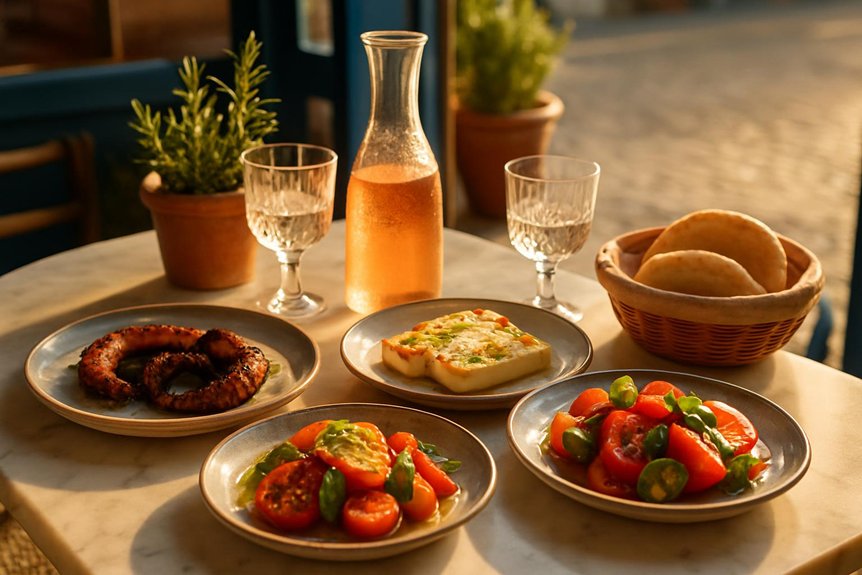
Although the streets outside hum with theatre crowds and market chatter, inside this Covent Garden spot the mood shifts to coastal calm: citrus-bright salads, charred octopus, and olive oil–glossed flatbreads arrive with unfussy confidence.
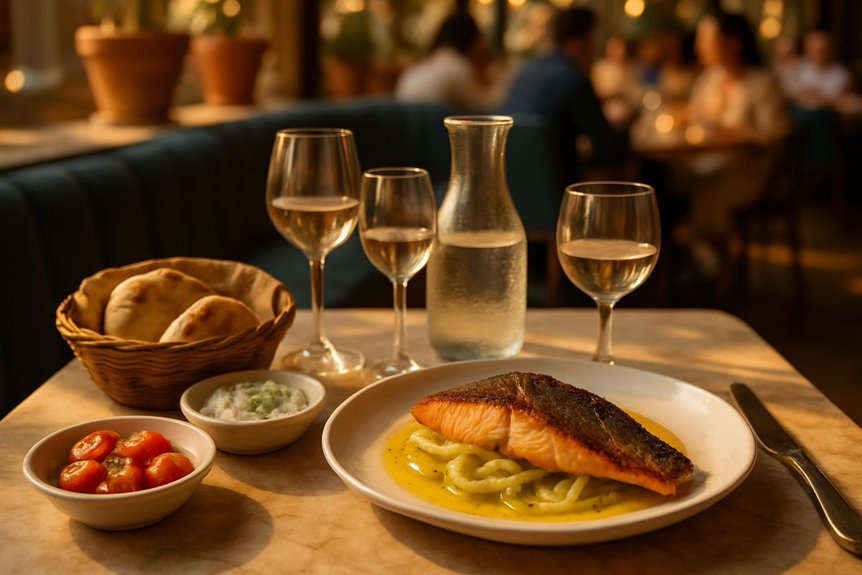
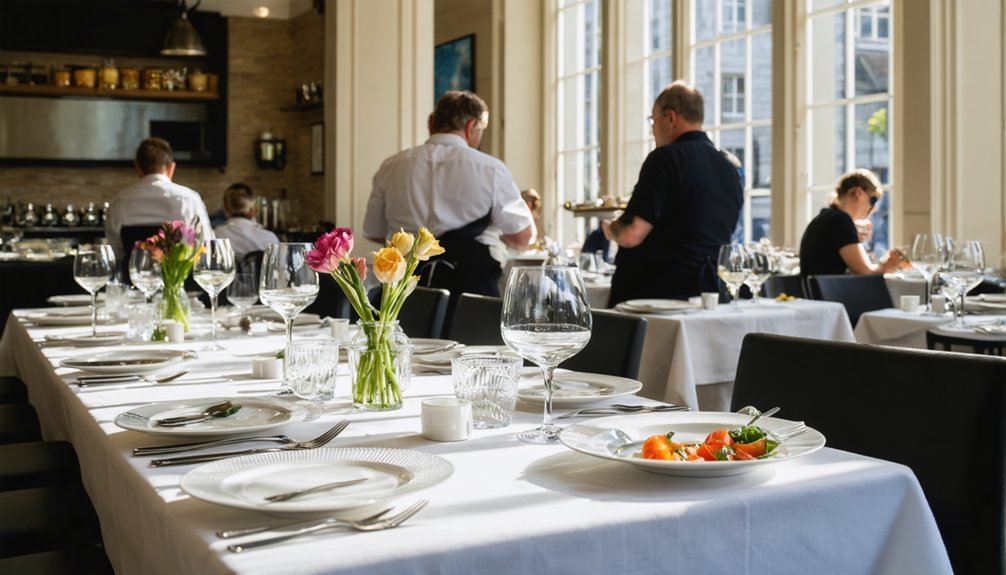
The room leans sunlit and airy, echoing island ease without losing its London ambiance. Soft neutrals, pale woods, and maritime blues create an unfussed backdrop, while low chatter and clinking glasses keep the tempo relaxed.
Mediterranean flavors guide the sensory cue sheet: lemon, oregano, and smoke mingle with briny notes, suggesting shorelines far from WC2.
Service moves with polished ease, never hurried, never showy. Lunch here feels like a brief departure, a reset. The city keeps pulsing outside; inside, the mood lingers on warmth, brightness, and measured simplicity.
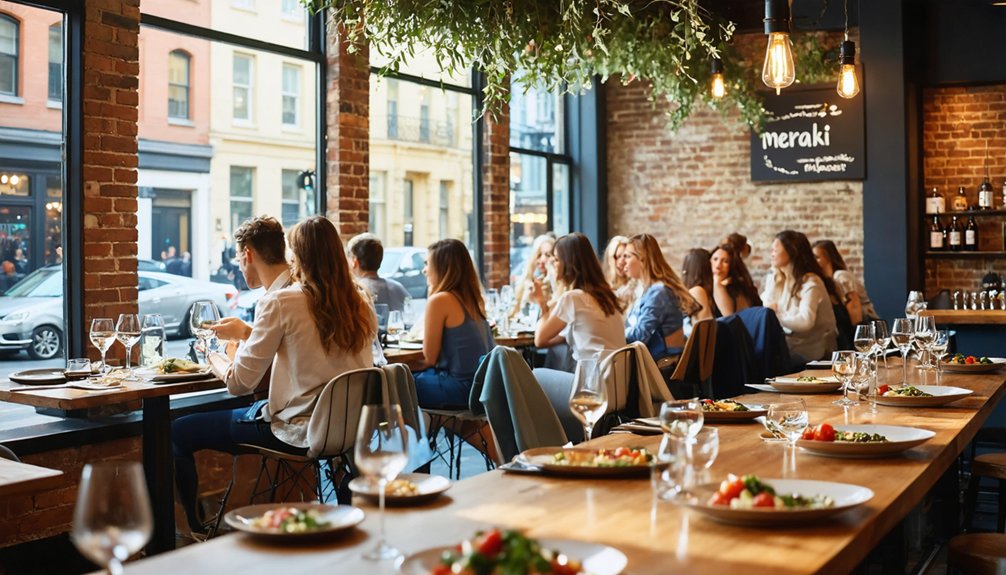
This modern and stylish décor embodies the essence of Mediterranean elegance, similar to what can be experienced in other top Greek restaurants in London.
What to Order: Signature Dishes and Shared Plates
Where to begin? Meraki’s menu rewards curiosity with plates designed for sharing and precision-driven simplicity.
A crisp spanakopita arrives layered and airy, spinach and feta balanced by herb-bright edges.
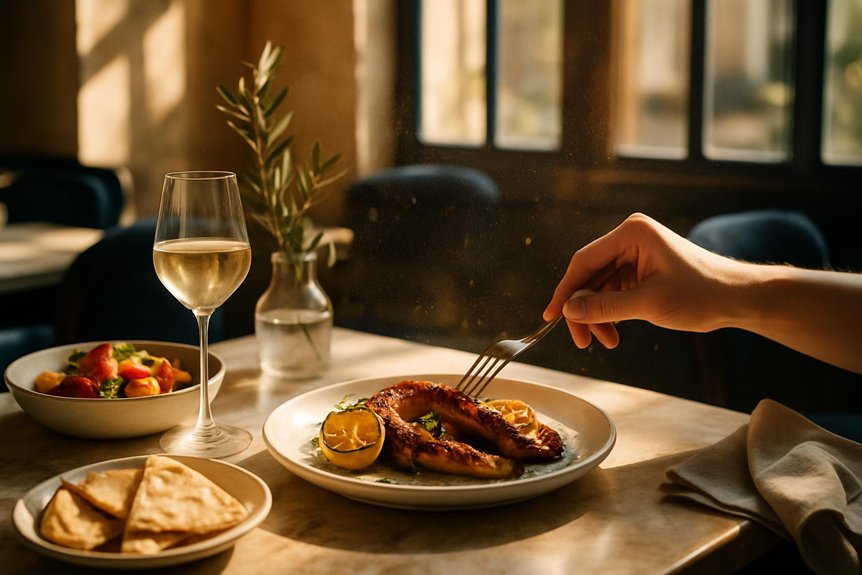
Charred octopus, tender from slow-poaching, gains smoke from the grill, finished with lemon oil and capers.
Lamb kofte, juicy and fragrant, showcases deft cooking techniques, its spice lift countered by cooling yoghurt and pickled onions.
Ingredient sourcing is transparent: seasonal vegetables, day-boat seafood, and responsibly raised meats guide the selection.
Even the taramasalata—silky, saline, restrained—invites another scoop of warm pita.
- Share two starters and one protein to gauge portions, then add a vegetable.
- Ask about daily specials tied to seasonal ingredient sourcing.
- Balance textures: crisp, creamy, charred, and fresh.
For an award-winning food experience, don’t miss the chance to explore Meraki Bar and Living Room Bar for unique after-work drinks.
Cocktail Craft and Refreshing Sips to Pair
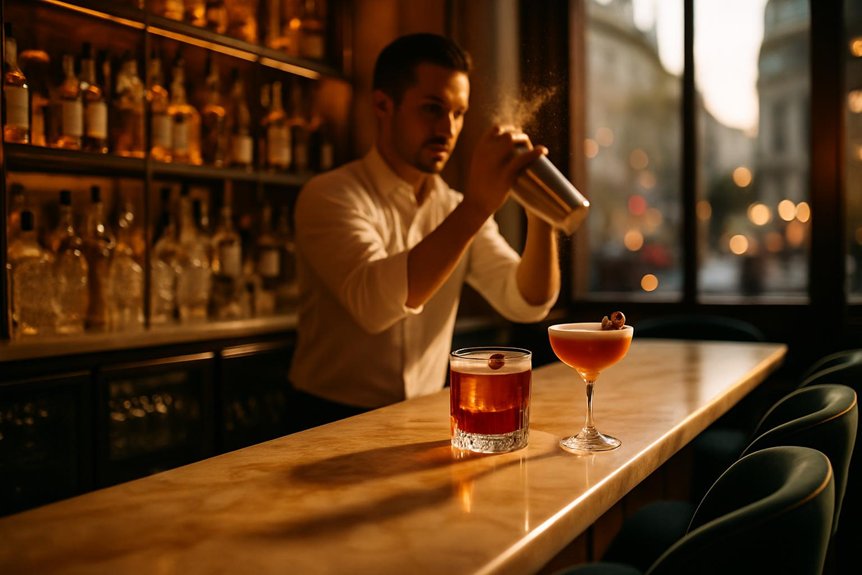
A considered drinks list complements the menu with signature Greek-inspired cocktails that echo island botanicals and citrus. Seasonal spritzes and tonics bring crisp, aromatic refreshment suited to a midday pace. For lighter sipping, low-ABV and zero-proof options offer balance without sacrificing flavor. At Meraki, sustainability and creativity are key components, ensuring each drink is not only delightful but also environmentally conscious.
Signature Greek-Inspired Cocktails
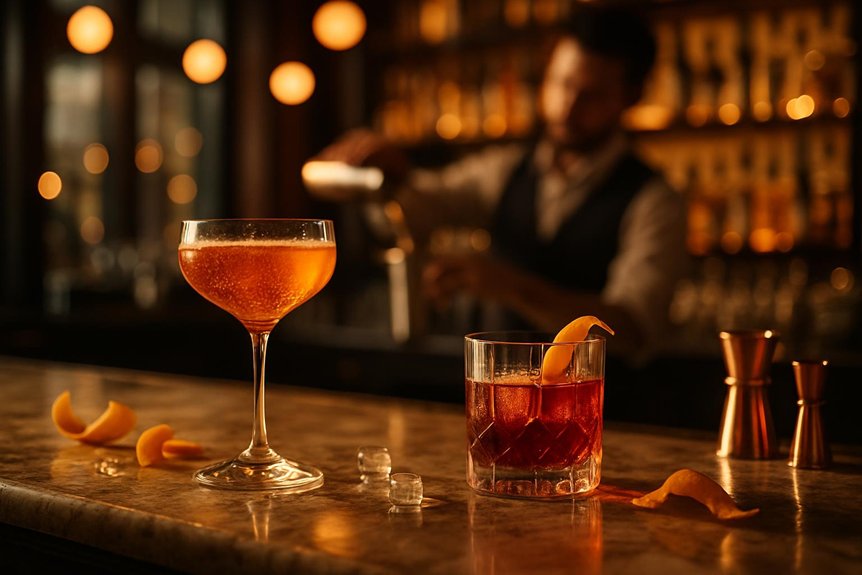
Even before the plates land, the bar signals a Greek accent with confident, clean flavors. Meraki’s signatures draw on island botanicals, resinous pine, wild herbs, and citrus.
A gin kissed with mastiha leans crisp and saline; an olive-oil–washed vodka martini turns silky without heaviness; a thyme-honey sour balances lemon brightness with subtle florality. Each pour stays food-friendly, inviting tapas ideas and clever wine pairing crossovers for guests who mix courses and sips at lunch.
- Seek balance: pair herb-led cocktails with briny small plates, saving richer blends for grilled meats.
- Contrast textures: silky, oil-washed spirits complement crunchy bites; high-acid mixes cut through creamy dips.
- Pace the meal: start light and citrusy, progress to aromatic, then finish with a restrained, bitter-tinged refresher.
Seasonal Spritz and Tonics
From signatures rooted in Greek botanicals, the menu widens into seasonal spritzes and tonics built for midday refreshment. Each glass favors lift over heft, using citrus peels, wild herbs, and sparkling minerals to frame clean, brisk profiles.
Seasonal ingredients steer the color and aroma: blood orange in late winter, green strawberry and basil in spring, sun-warmed peach by early autumn. Bitters are measured, vermouths are chilled, and tonic selections are chosen for fine bubbles and restrained sweetness.
These drinks reward thoughtful beverage pairing. A thyme-lemon spritz cuts through grilled octopus; a bergamot tonic brightens sea bass crudo; a peach-rosemary highball flatters charred courgette and feta.
Balance remains the brief—acidity first, sweetness second, dilution precise—delivering clarity that complements Meraki’s lunch tempo.
Low-Abv and Zero-Proof Options
While lunch sets a lighter pace, the bar meets it with deftly engineered low‑ABV and zero‑proof builds that keep focus sharp. Bartenders lean on fortified wines, bitters, and Zero proof spirits to layer texture without the blur, matching fresh Mediterranean plates with crisp acidity and herbal lift.
Citrus cordials, saline spritzes, and tea infusions add structure, turning Mocktail pairings into purposeful companions rather than substitutions.
A fino-and-tonic accented with thyme mirrors grilled seafood; a chamomile highball, brightened with bergamot, flatters salads and mezze.
For zero‑proof, a juniper–rosemary distillate shaken with verjus and cucumber delivers snap and poise.
Each pour respects the midday tempo: refreshment, clarity, and clean finishes.
- Ask for course-by-course Mocktail pairings
- Choose Zero proof spirits with herbal backbones
- Prioritize dry styles to protect palate and pace
Atmosphere and Design: Bright, Airy, Effortless
Bathed in natural light that spills through generous panes, the space reads as calm and uncomplicated. Pale woods, soft stone, and clean lines create an interior decor that favors restraint over ornament.
Subtle greenery softens edges without crowding the room, while banquette seating keeps sightlines open and fluid. Ambient lighting is tuned to complement daylight rather rather than compete with it, warming corners as the sun shifts.
Textures—linen, rattan, brushed metal—add quiet depth, and a muted palette emphasizes spaciousness. Sightlines draw the eye from street to dining room to a modest open prep area, reinforcing a feeling of continuity.
Art is minimal, chosen for tone rather than message, allowing the architecture to lead. The result feels composed yet effortless, inviting unhurried lunches.
Service With Heart: Hospitality That Shines
Service sets the tone the moment guests step through the door, with a warm, attentive welcome that feels effortless.
Staff read the room, anticipating needs without hovering.
Personal touches—remembered names, tailored suggestions, a quiet check-in—make the experience feel genuinely cared for.
Warm, Attentive Welcome
How quickly does a place feel like a favorite when the greeting is genuine? At Meraki, the host’s eye contact, prompt acknowledgment, and calm tone set the pace. Guests are guided without fuss, coats taken smoothly, and seating offered with measured ease. The room’s hum stays unbroken, yet individuals feel noticed.
This is service excellence expressed in the first sixty seconds, where small courtesies become the signature. Water arrives without prompting; menus follow swiftly; timing feels assured. Hospitality vibes aren’t performed loudly—they’re coordinated like a quiet cue, aligning team movements with guest needs.
The welcome becomes an anchor for the lunch ahead, reassuring newcomers and rewarding regulars.
- Note how swiftly staff acknowledge arrivals
- Observe seamless seating and menu handoff
- Notice water service before requests
Personal Touches Throughout
Though the welcome sets the tone, it’s the quiet, personal gestures that deepen loyalty at Meraki.
Servers remember names, seating preferences, and pacing, adjusting courses to conversation rather than the clock.
Subtle mood lighting shifts through lunch, bright enough for menus yet soft enough for ease, while table settings are refreshed between dishes with unobtrusive efficiency.
Allergies and dietary notes are handled without ceremony.
Refills arrive before a request.
Special occasions get discreet recognition—perhaps a handwritten note or a petite sweet—never a spectacle.
Coat checks, bag stands, and phone chargers appear as needed, then vanish.
Staff communicate silently, trading signals to maintain flow.
The effect is polished but human: hospitality that anticipates, adapts, and lets the guest lead the moment.
Perfect for Any Lunch: Solo, Business, or Friends
Why does this Covent Garden spot work so well for any midday plan? Because Meraki balances pace, privacy, and personality.
A solo diner finds calm corners, swift service, and a menu that rewards curiosity through cultural fusion and culinary innovation.
Colleagues appreciate clear acoustics and composed timing between courses, easing conversation without rushing it.
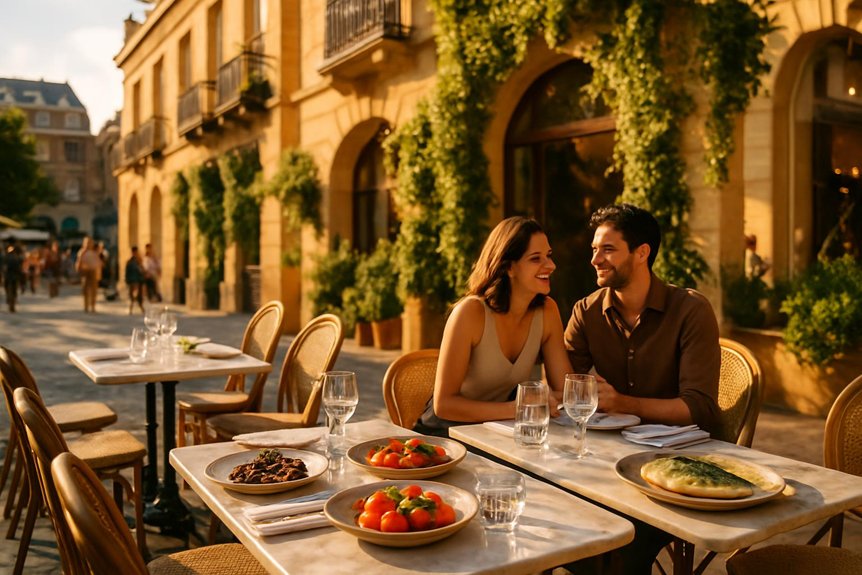
Friends get energy from shared plates and a bright room that encourages lingering, yet keeps things efficient enough to fit a lunch hour.
- Choose a mix of small plates and one signature main to keep the table lively without overordering.
- Sit near natural light for a relaxed tone; request a quieter nook when confidential talk matters.
- Pair a light spritz or herbal soda with seafood or grains to keep focus sharp.
How to Book and When to Go
For peak ease, reservations are best made online a few days ahead, with lunchtime tables turning fastest Tuesday to Thursday. Walk-ins are accommodated at the bar, but prime tables disappear quickly around 12:30–1:30 p.m. A confirmation email typically arrives within minutes; modifications are smoother via the booking portal than by phone.
Those aligning visits with cultural festivities in Covent Garden should book further in advance, as footfall rises before matinees and seasonal markets. Weekends draw browsers and families; earlier seatings secure quieter service.
During local traditions such as street performances and holiday light switch-ons, mid-afternoon slots offer calmer dining after the rush. For business lunches, aim for 12:00 sharp.
Solo diners find flexibility at the counter, while small groups benefit from preordering set menus.
Conclusion
In the end, Meraki proves lunchtime isn’t merely eating—it’s a curated performance of sunlit serenity and artisanal olives. He watches as executives negotiate over whipped feta, friends congratulate themselves for sharing, and solo diners pretend the low-ABV spritz is a personality. The service glides, dishes sparkle, and the Mediterranean mood whispers that time is infinite—until the bill arrives, a gentle reminder that transcendence pairs nicely with a service charge. Still, he lingers. Discovery, after all, requires dessert.