
In London’s crowded fine-dining scene, Meraki earns attention with modern Greek cooking and cool restraint. It sits in Fitzrovia, pairing sleek Mediterranean design with precise technique and seasonal British produce. Plates show clarity and balance rather than flash. Service is polished, the wine list thoughtful, and the room hums without fuss. For those weighing where elegance meets substance, a closer look at what sets Meraki apart becomes hard to ignore.
The Allure of Fitzrovia’s Modern Greek Gem
Though Fitzrovia brims with acclaimed kitchens, its modern Greek standout draws attention for the way it reframes Hellenic flavors with urbane restraint. Seasonal British produce meets Cycladic clarity, yielding dishes that honor historical influences without mimicry: line-caught fish kissed by oregano smoke, vine leaves packed with lemon-laced grains, and lamb lifted by wild thyme and mountain tea.
The kitchen prizes texture and salinity, balancing brine, citrus, and herbal resonance with disciplined technique.
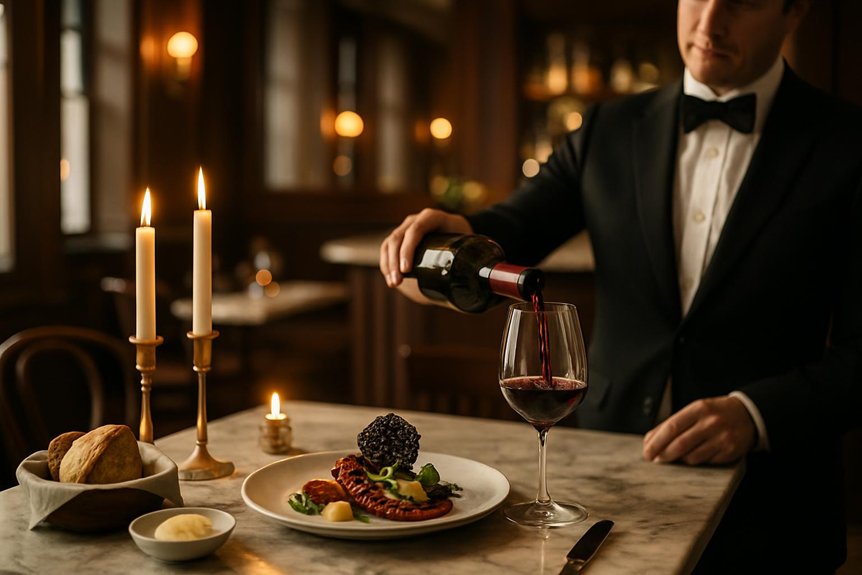
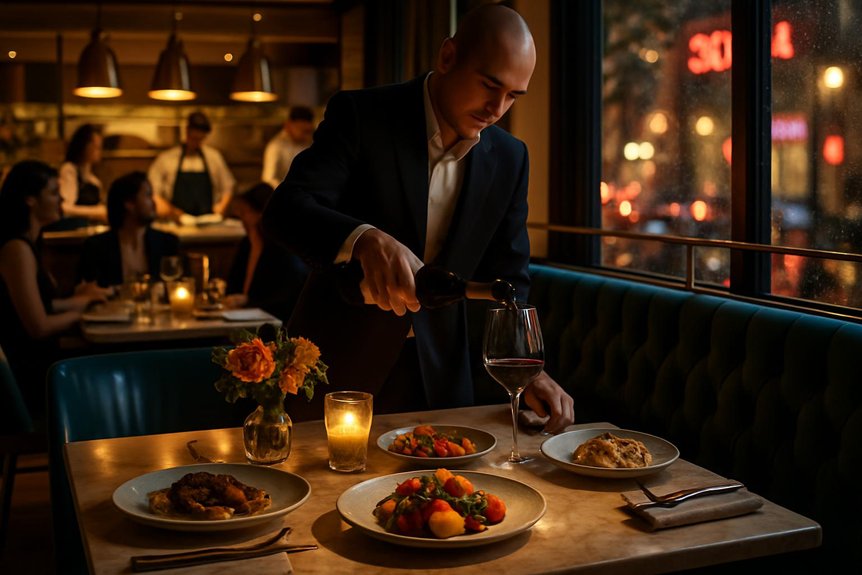
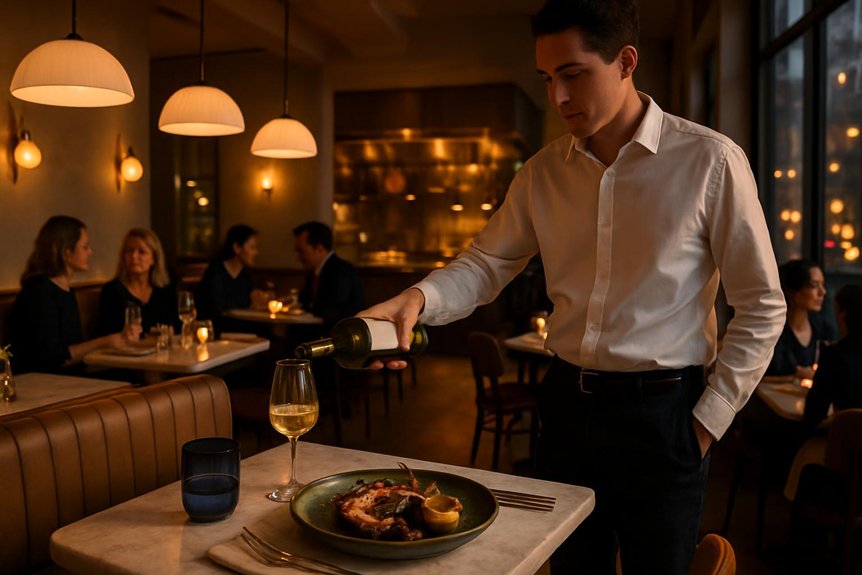
Service codifies dining etiquette without stiffness. Staff pace courses to protect temperature and texture, describe provenance succinctly, and calibrate pours to the salinity of the food.
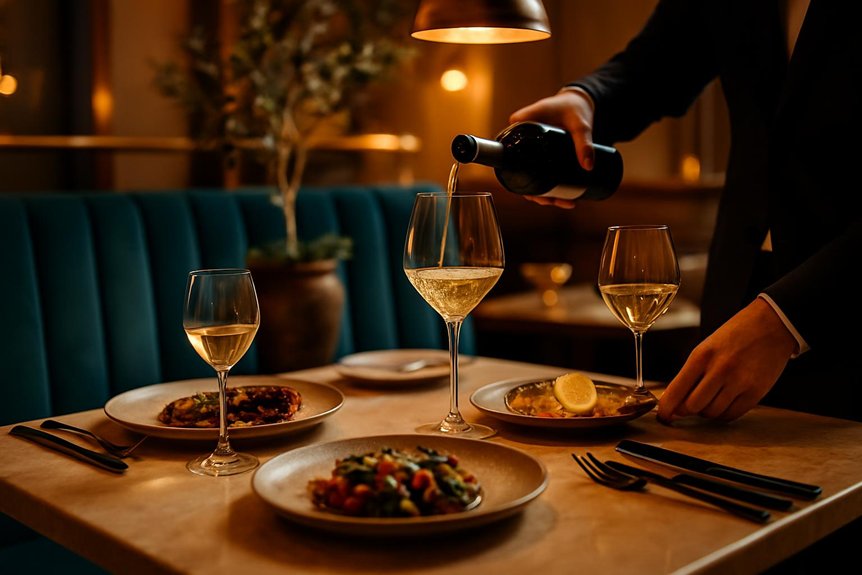
The wine list leans Greek—Assyrtiko, Xinomavro—alongside judicious Old World picks, spotlighting minerality and lift.
Desserts temper sweetness with yogurt tang and pine honey restraint.
Meraki is renowned for its exceptional service, ensuring a seamless and personalized dining experience that enhances the overall allure of the restaurant.
Design, Atmosphere, and Effortless Elegance
Contemporary Mediterranean chic informs clean lines, sun-washed hues, and tactile natural materials.
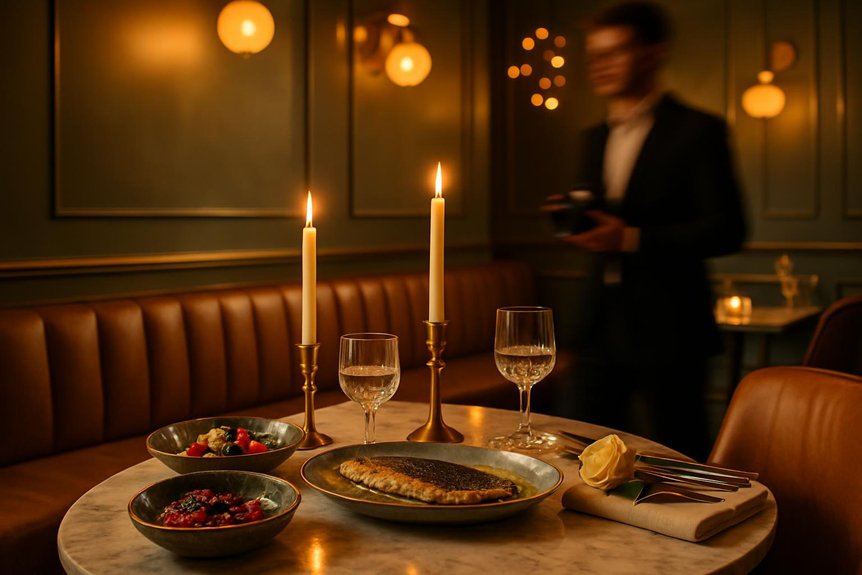
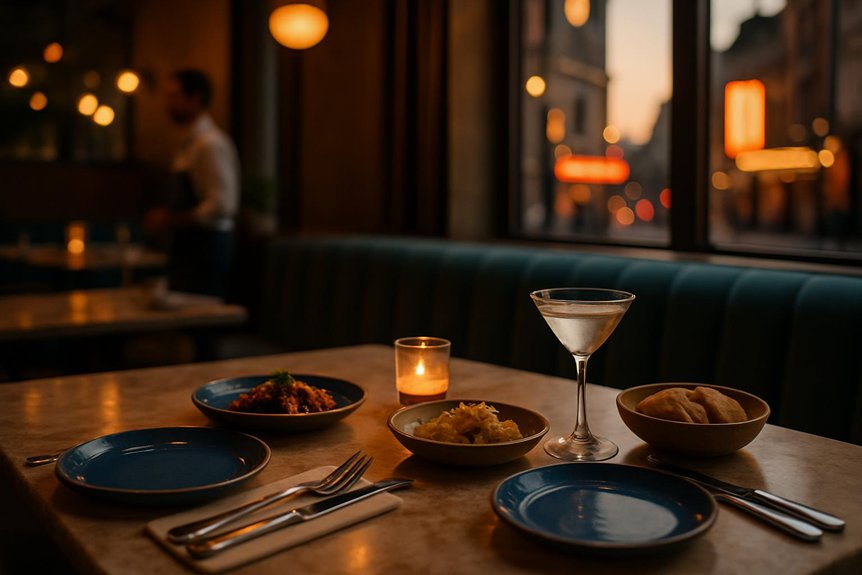
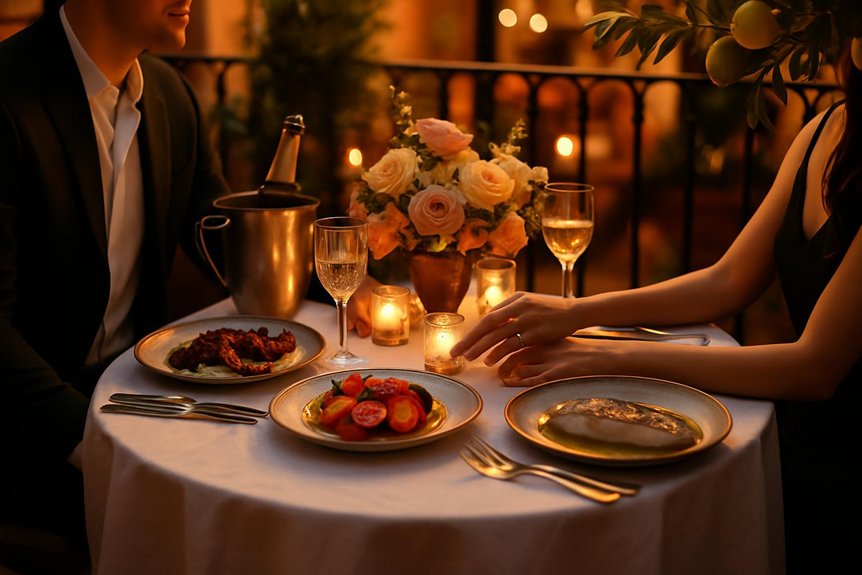
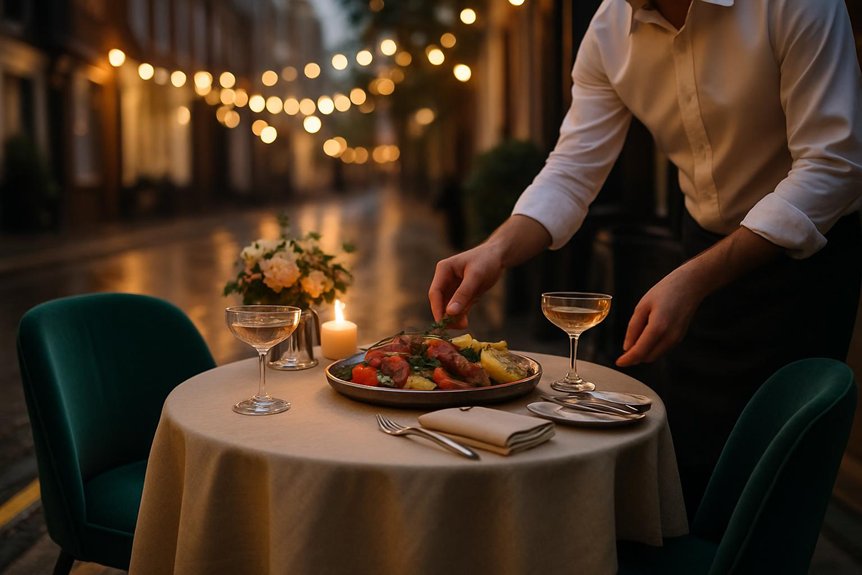
A warm, intimate ambiance softens the polish with candlelit glow, close-set tables, and hushed acoustics.
Together, they project effortless elegance that feels composed yet welcoming.
With a cosmopolitan Greek atmosphere inspired by the Aegean islands, Meraki offers a distinctive dining experience that combines tradition with modern flair.
Contemporary Mediterranean Chic
How does London translate Mediterranean ease into urban sophistication? At Meraki, the answer appears in clean lines, sun-washed textures, and restrained glamour. Pale oak, softened stone, and brushed metals form a canvas that foregrounds both craft and comfort.
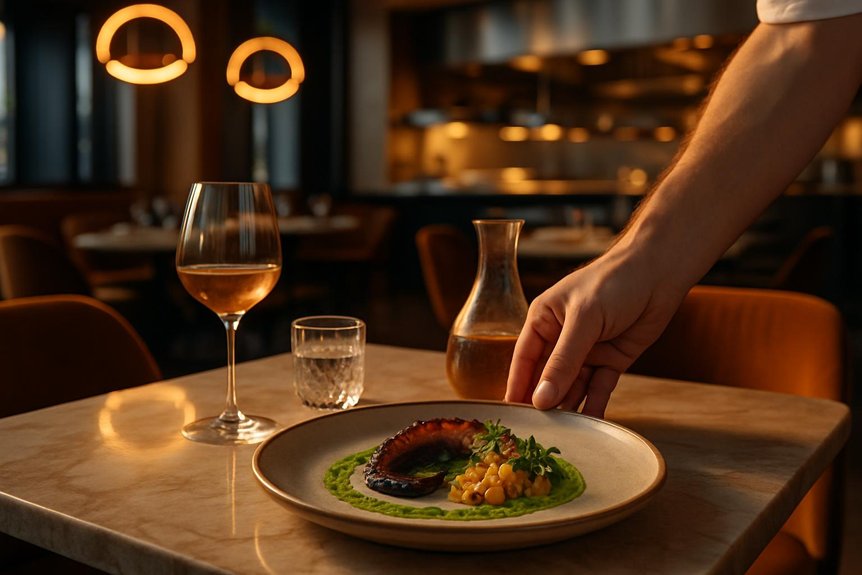
Light is curated rather than lavish, guiding attention to artful plating where flavor fusion meets visual discipline. Nothing feels ornamental; everything serves function and mood.
The palette borrows from Aegean coasts—chalk, sand, muted azure—yet resists pastiche. Contemporary furniture sits low and sculptural, creating a discreet rhythm between tables and open sightlines to the kitchen pass.
Ceramics are tactile, linens crisp, and glassware thin enough to disappear. The result is a poised environment: Mediterranean vernacular distilled for London’s pace, signaling elegance through proportion, materials, and calm restraint.
The signature cocktail, Mediterranean Sunset, exemplifies the venue’s commitment to flavor harmony, blending tradition with modern innovation.
Warm, Intimate Ambiance
If Meraki articulates Mediterranean chic with measured clarity, London’s warm, intimate rooms speak in hushed tones and soft edges. Here, the lighting is decisively low, casting a gentle glow across brushed plaster and pale woods.
The cozy decor favors tactile textures—linen, leather, hand-thrown ceramics—arranged with restraint to encourage conversation rather than spectacle.
Tables are spaced for privacy, shaping an intimate setting without feeling secluded. Music stays understated, a subtle rhythm beneath the clink of glassware.
Staff move quietly, calibrating the room’s tempo with unobtrusive poise. Design choices lean toward natural palettes and curved lines, emphasizing ease over ornament.
The effect is effortless elegance: a space that recedes, allowing flavor, company, and time to gather their own quiet intensity.
Seasonal Mediterranean Produce at Its Peak
London’s top dining rooms increasingly anchor menus on peak-season Mediterranean produce. These ingredients are prized for their clarity of flavor and texture.
Sourcing is time-sensitive, with suppliers moving tomatoes, artichokes, and citrus at the precise moment of ripeness.
Chef-driven provenance shapes the plate, as kitchens cite specific growers and regions to signal intent and guarantee consistency.
Peak-Season Sourcing
Why do the city’s most exacting kitchens lean so hard into seasonality? Peak-season sourcing answers with clarity: ingredients harvested at their apex deliver superior texture, aroma, and clarity of flavor. Meraki exemplifies this discipline, leveraging sustainable sourcing to secure produce when it is naturally abundant and least manipulated.
The approach reduces waste, maximizes local ingredient benefits, and sharpens the restaurant’s Mediterranean identity without relying on heavy technique.
- Shorter supply chains preserve freshness and reduce transit impact.
- Produce at peak ripeness requires minimal intervention to shine.
- Consistent quality lowers the need for additives or heavy seasoning.
- Market-driven menus adapt swiftly to weather and harvest cycles.
- Traceable purchases support growers who prioritize soil health and biodiversity.
The result: cleaner plates, brighter flavors, and dependable excellence.
Chef-Driven Provenance
From sourcing at peak ripeness emerges a more exacting idea: chef-driven provenance, where named farms, boats, and mills are curated as deliberately as techniques.
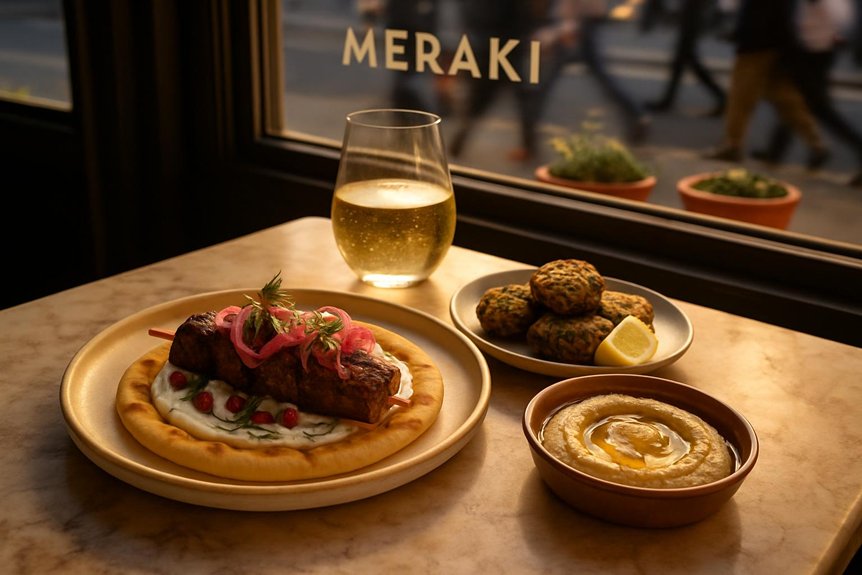
At Meraki, the Mediterranean is mapped through relationships: an olive mill in Kalamata pressed within hours, a Cycladic cheesemaker known by name, day-boat landings logged alongside tides. This is Farm to table without slogan, an operating system for ingredient sourcing.
Menus shift with micro-seasons: courgette flowers only when pollen-sweet, tomatoes when skins are taut, wild herbs when volatile oils peak. Provenance is cited, not for romance, but for accountability and repeatable flavor.
Kitchen choices—salt-baking, charcoal, raw dressings—honor exact origins. Guests read supply chains in plain language, then taste the difference: cleaner profiles, tighter textures, and a disciplined, sunlit clarity.
Signature Dishes and Must-Try Plates
How best to navigate a fine-dining menu in the capital? Begin with signatures that reveal intent: Meraki’s kitchen favors fusion flavors executed with restraint, then framed by meticulous plating artistry.
Each plate balances brightness, texture, and temperature, guiding diners through a focused progression of highlights without excess.
- Crudo of sea bream with citrus kosho and olive oil pearls, a cool, saline opener.
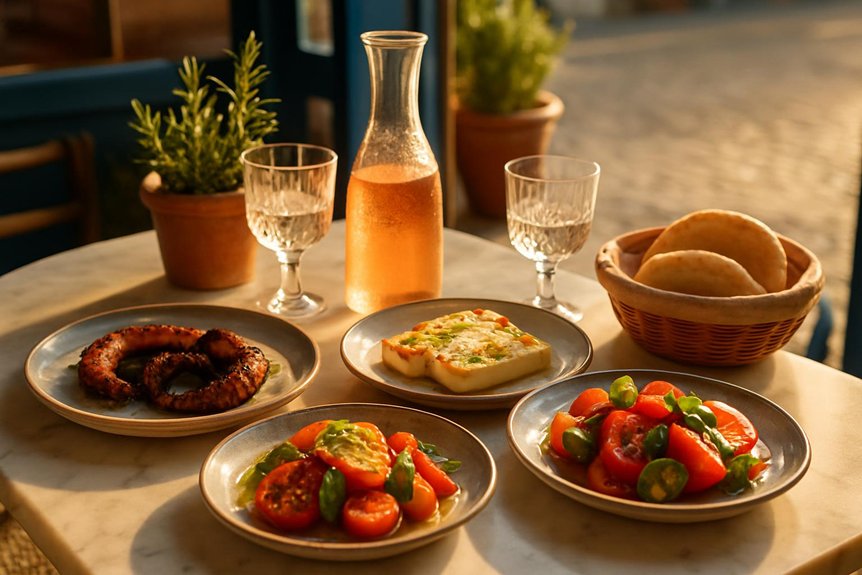
- Charred octopus over smoked aubergine, caper leaf, and lemon—smoke meeting brine.
- Hand-rolled pasta folded with wild mushrooms, thyme, and aged cheese for earthy depth.
- Lamb cutlets with oregano chimichurri and roasted peppers, delivering herb-laced savor.
- Honey-thyme baklava with whipped yogurt and pistachio dust, a crisp, fragrant finale.
These dishes map Meraki’s point of view: elegant, seasonal, and confidently contemporary.
Service, Wine Program, and Hospitality
Most signals of hospitality arrive subtly yet consistently: a door held before the hand reaches, napkins reset between courses, water glasses never chasing empty.
At Meraki, staff maintain an attentive cadence without intrusion, calibrating pace to the table’s mood. Briefing is evident: servers know provenance, cooking methods, and allergens, and convey it succinctly.
The wine program focuses on Greece and its diaspora, balanced by classic European benchmarks. Selections highlight indigenous varieties—Assyrtiko, Xinomavro, Agiorgitiko—alongside Burgundy, Barolo, and grower Champagne.
Pairings are nimble, respecting both grilled seafood and herb-led mezze, with Coravin pours enabling discovery.
Hospitality extends through luxury amenities and personalized service: discreet stool for handbags, temperature-aware decanting, and post-meal digestifs suggested with restraint.
The tone feels polished, modern, and quietly generous.
When to Go and How to Book
That level of polish also influences timing and access, as peak hours showcase the room at full hum but require foresight. Observers note that Meraki rewards planning: tables during Friday and Saturday prime time can vanish weeks ahead, while midweek early evenings balance atmosphere with ease.
Reservation tips center on flexibility—adjusting party size, accepting counter seating, or aiming for late services. Walk-ins are possible, though less predictable, especially for larger groups. For special occasions, pre-ordering set menus or noting dietary needs streamlines the experience.
- Best times: Tuesday–Thursday, 6–7 pm or after 9 pm
- Reservation tips: book two to three weeks out for weekends
- Use the restaurant’s site first; call for last-minute seats
- Consider bar seating for spontaneity
- Confirm 24 hours prior to avoid release
Conclusion
As evening settles over Fitzrovia, Meraki glows like a candle behind glass—olive-gold oils catching light, stems of chilled glasses beading softly, a hush threaded with clink and laughter. Plates arrive like postcards from the Aegean: sun-warmed tomatoes, sea-breeze salinity, herb gardens after rain. Service moves in quiet arcs, the wine list a compass. It’s a place for marking time—birthdays, reunions, quiet triumphs—where modern Greek clarity meets London elegance, and the night lingers, bright and forgiving.