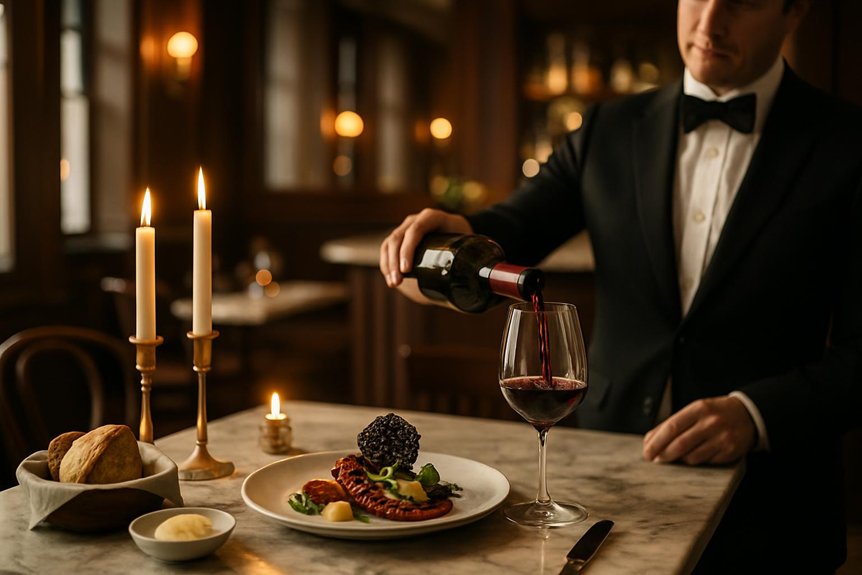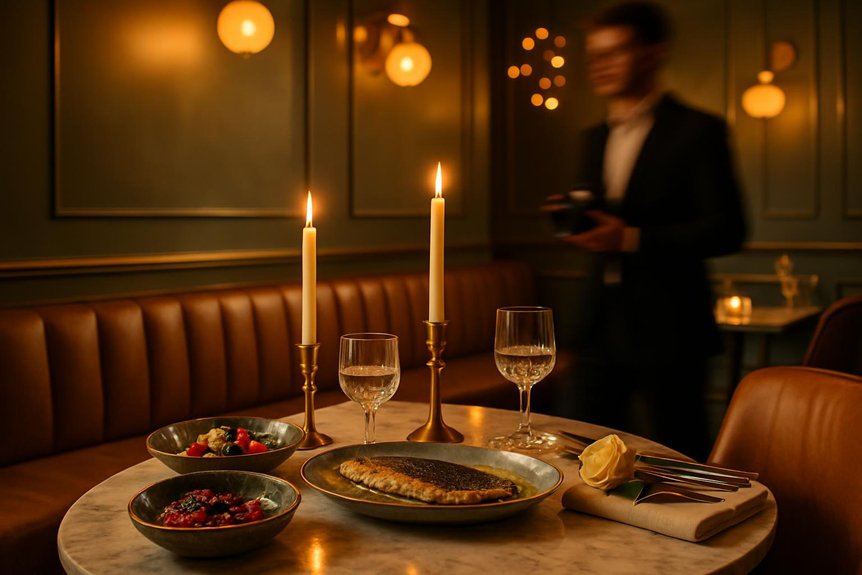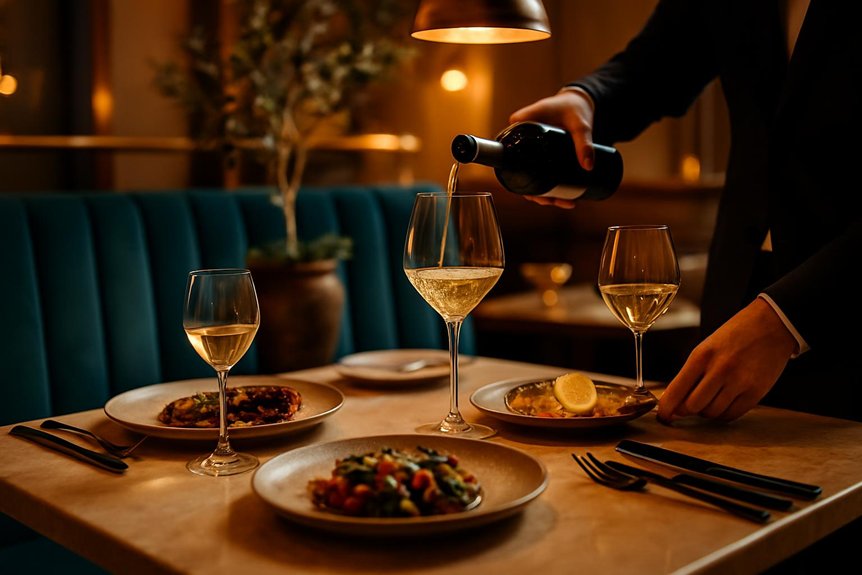

In Fitzrovia, Meraki presents a quiet study in modern Mediterranean luxury. The room whispers with textured stone, warm light, and confident service. Plates show precision and provenance, from signature seafood to charcoal-kissed lamb. Cocktails lean elegant; the cellar speaks fluently. Power lunches glide into date-night allure, while chef’s counters hint at theatre. Private rooms suggest discretion and influence. For those charting London’s finest tables, the next move becomes clear—though timing and access are everything.
Meraki: A Mediterranean Jewel in Fitzrovia
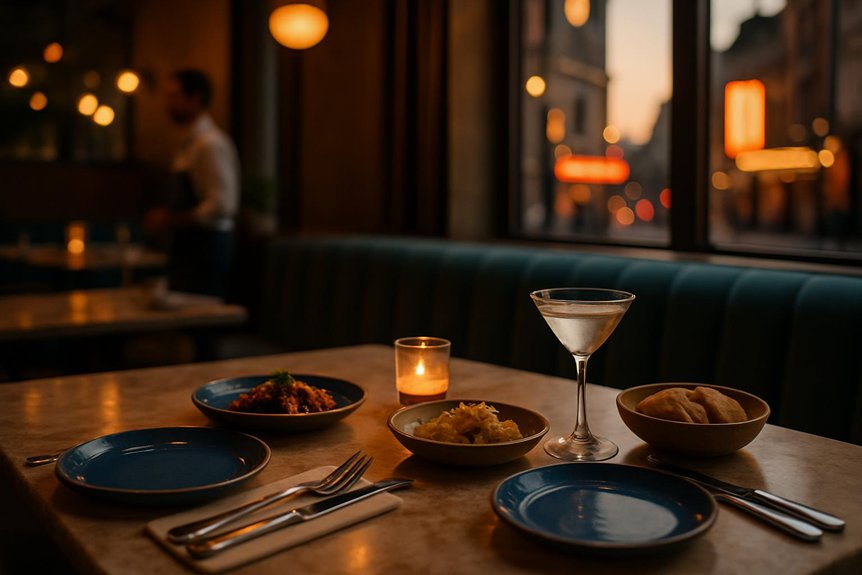
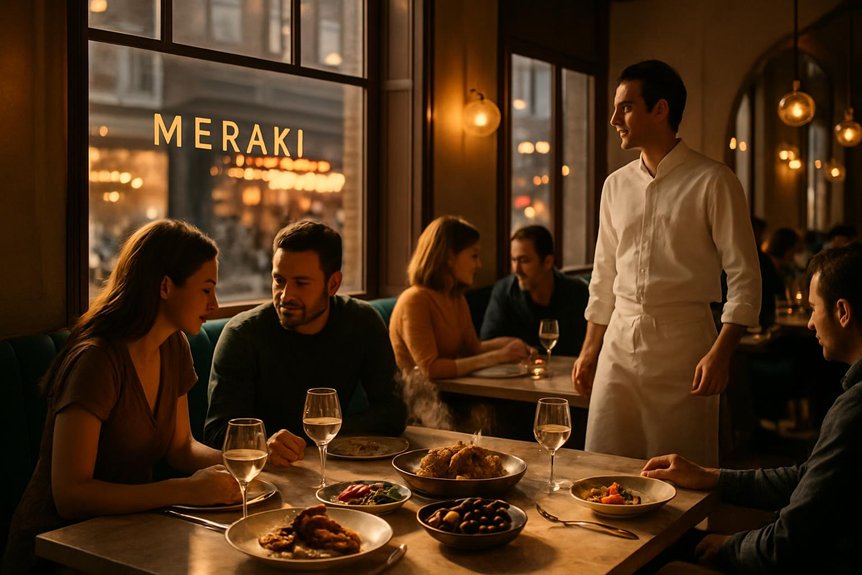
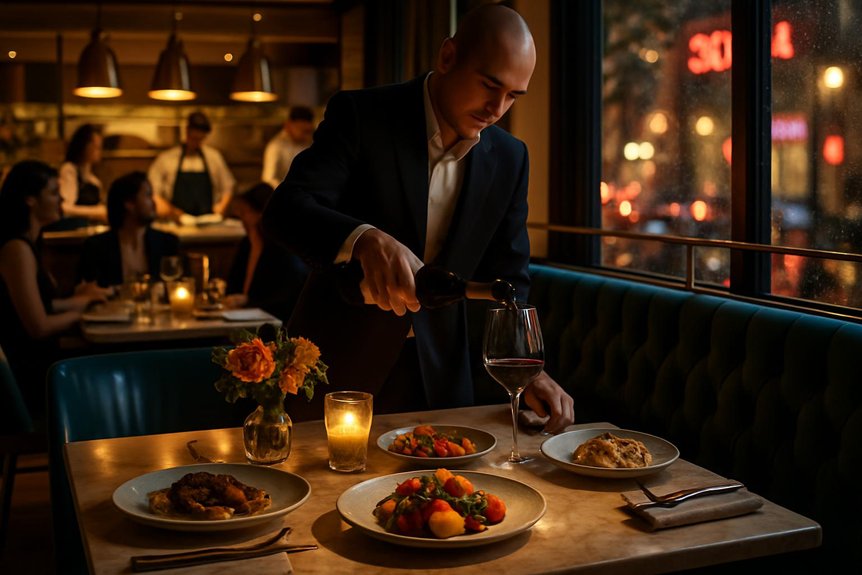
How does a Mediterranean escape unfold in the heart of Fitzrovia? At Meraki, the answer reveals itself through polished design, attentive pacing, and an inviting Mediterranean ambiance that frames every moment. The room balances sun-washed tones with contemporary edge, while lighting and texture create a calm, upscale mood.
Service is precise yet unobtrusive, guiding guests without hurry.
Coastal flavors appear as a constant refrain: citrus, olive oil, wild herbs, and a whisper of smoke from the grill. The bar extends the theme with bright, saline-leaning cocktails and a focused selection of Mediterranean wines, encouraging leisurely exploration.
Seating options—banquettes, counter spots, and intimate tables—support different occasions, from quiet rendezvous to celebratory gatherings. Meraki’s harmony of setting, rhythm, and taste defines a refined Fitzrovia retreat.
Meraki, located near Oxford Street, offers an exquisite midday meal experience perfect for those looking to indulge in vibrant Mediterranean cuisine.
Signature Dishes That Define the Experience
That polished rhythm finds its clearest expression on the plate, where a handful of signatures anchor the Meraki experience. The kitchen frames local ingredients with Mediterranean clarity, letting pristine produce and seafood carry the message.
A seabream crudo, brushed with citrus oil and wild oregano, balances salinity and perfume with quiet confidence. Slow-braised lamb shoulder, glossed with thyme jus and served beside lemon potatoes, shows depth without heaviness.
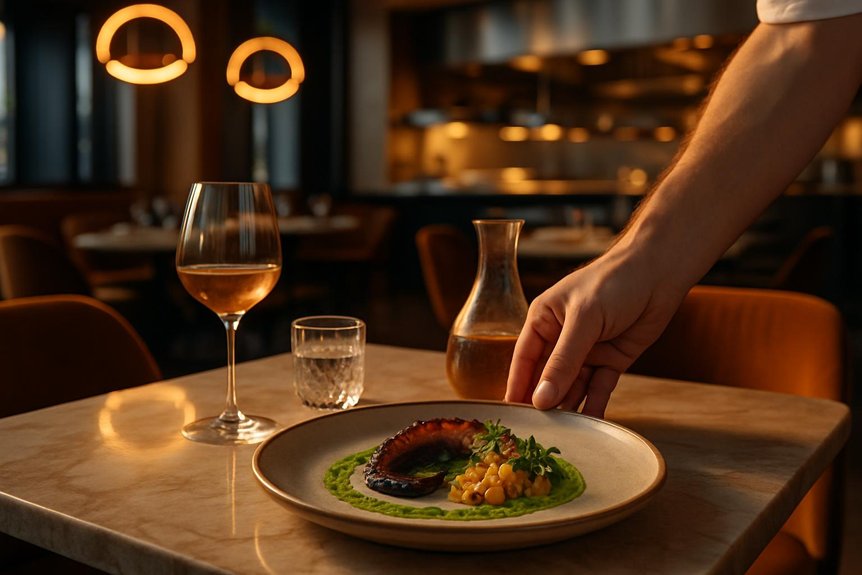
Ailofo—grilled octopus with smoked aubergine—layers tenderness and char for poised contrast. Truffle-scented orzo arrives al dente, its richness checked by sharp kefalotyri.
Each dish reflects culinary artistry through restraint: clean lines, calibrated acidity, and disciplined seasoning.
Desserts follow suit, notably a honey-thyme panna cotta, shimmering with Greek provenance and modern precision.
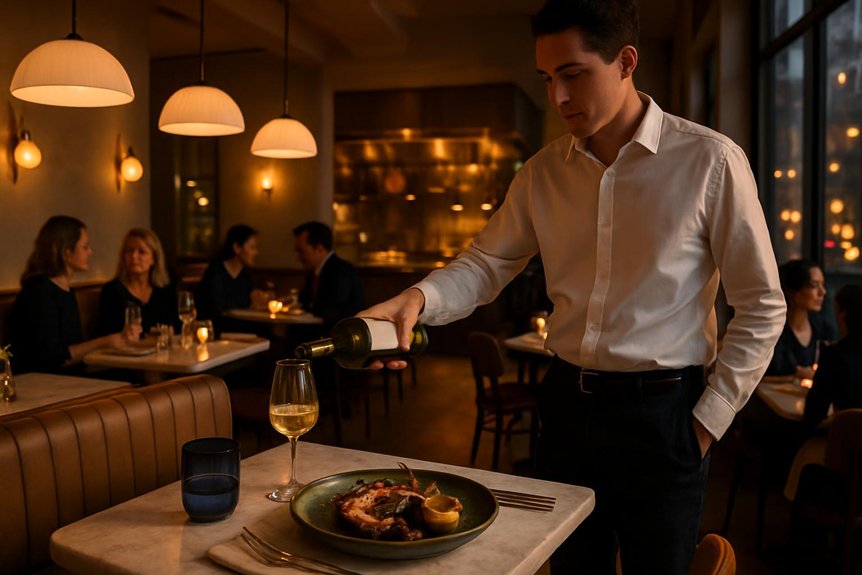
Meraki’s award-winning food is complemented by a curated selection of wines, enhancing the luxuriant dining experience.
The Art of the Dining Room: Design, Ambience, and Detail
Even before the first course arrives, the room sets a measured tone: light pooled in warm tiers, music restrained to a low murmur, and textures chosen for calm.
Chairs support the posture without intruding; linens mute the clink, guiding conversation. Table settings are composed with geometric discipline—knife angles parallel, stemware aligned for unobtrusive reach, porcelain scaled to the menu’s cadence.
Lighting atmospheres segment the space: amber near banquettes, cooler focus on center tables, and discreet highlights for art. Sightlines ensure privacy without isolation, while materials—stone, oak, brushed brass—absorb noise and reflect warmth.
Scent is neutral by design, allowing flavors to lead. Service paths are invisible, yet efficient, preserving flow. Every detail reinforces intention: focus, ease, and quiet anticipation. The romantic atmosphere at Meraki encapsulates this philosophy, where each element harmoniously contributes to an unforgettable dining experience.
Cocktail Culture and Cellar Secrets
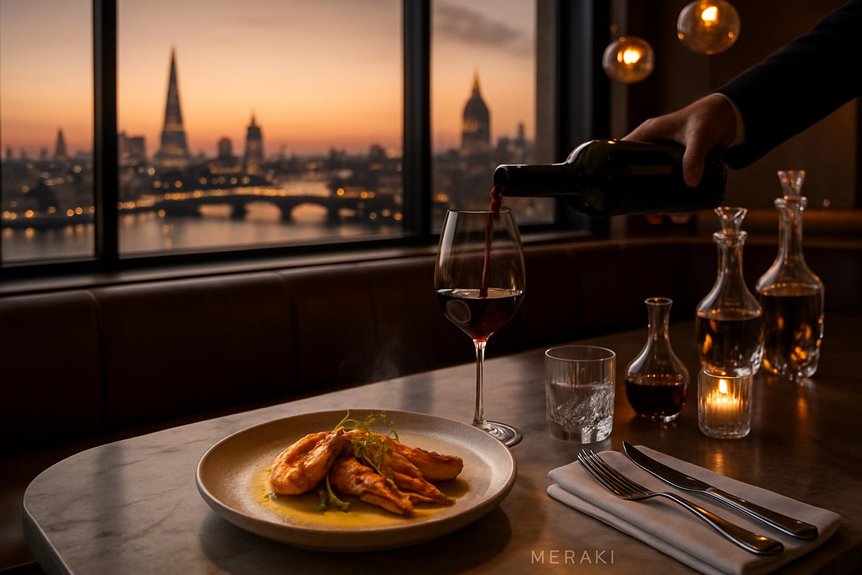
From this measured calm, the first pour sets a new tempo. Glassware chills, bar lights lower, and the room pivots from conversation to anticipation. London’s finest bars orchestrate a rhythm of mixology innovations: clarified classics, smoke-kissed botanicals, and zero-waste tinctures. Technique remains invisible; balance, impeccable.
Beneath the floor, cellar vaults hold vintages and rare spirits, each label catalogued with the care of a museum. Sommeliers and bartenders speak a shared language—terroir, texture, finish—translating archives into the glass.
- Seasonal infusions reframe heritage cocktails
- Low-ABV builds match finesse with longevity
- Temperature control fine-tunes mouthfeel and aromatics
- Decanting aged spirits mirrors wine service ritual
- Provenance-led pairings bridge bar and cellar
The result is disciplined indulgence: restraint, revealed through precision and quietly radical craft.
Power Lunches and Business-Class Hospitality
How does midday ambition taste when plated with discretion? In London, the answer arrives on crisp linens at precisely the right pace.
Power lunches favor menus engineered for clarity: seasonal crudo, heritage vegetables, and line-caught fish signal sustainable sourcing without sermon. Service is discreet, timetables respected, and acoustics tuned for strategy, not spectacle.
Meraki and its peers frame the day’s negotiations with calibrated indulgence: olive-oil glossed salads, flame-licked meats, and grains that fortify rather than lull.
Sommeliers propose restrained wine pairing flights—minerality for seafood, supple reds for char—measured to keep minds sharp. Private rooms balance privacy with natural light; chargers humming silently nearby.
Dessert is optional, coffee essential. Deals conclude as plates clear, leaving only a clean ledger and a calendar moving forward.
Date-Night Destinations With After-Dark Allure
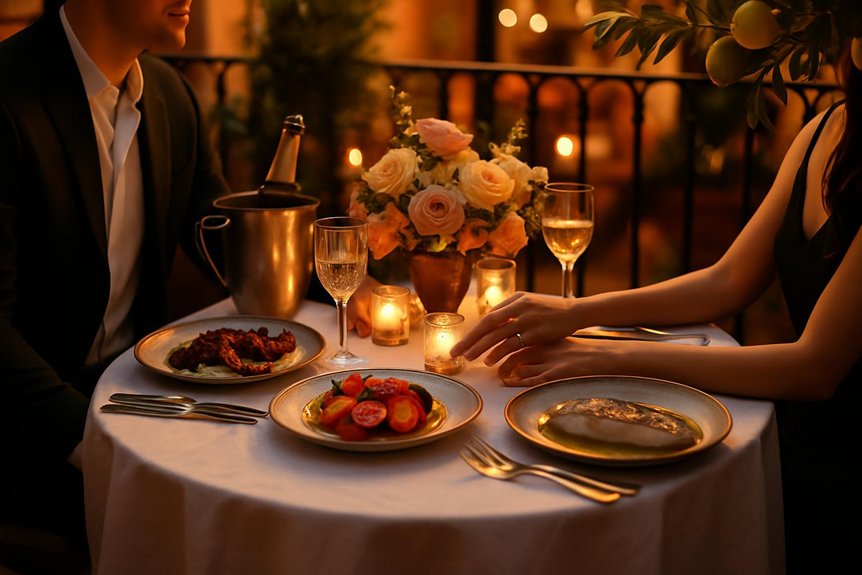
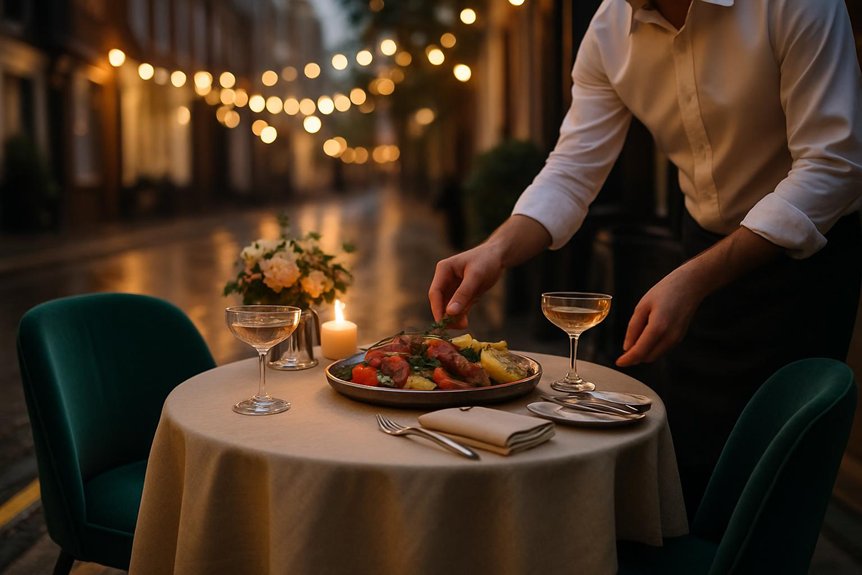
As the briefcase closes, the city loosens its tie. London’s date-night map glows with intimate corners and polished service, where discreet lighting, low soundtrack, and confident kitchens set the tone. Meraki holds court with Mediterranean ease—warm hues, shared plates, and a pace designed for conversation. Bartenders lean into twilight with signature infusions, while sommeliers guide pairings that lift the evening’s arc.
The common thread: romantic atmospheres and late night menus that keep time elastic without rushing the table.
- Velvet banquettes, candlelit sightlines, and hushed acoustics
- Seasonal sharing plates emphasizing texture and brightness
- After-hours cocktails built around herbaceous and citrus notes
- Late night menus offering refined comfort alongside elegance
- Attentive pacing that privileges connection and lingering glances
Chef’s Counters, Tasting Menus, and Culinary Theatre
London’s luxury scene now turns to intimate chef’s counters where craftsmanship unfolds at arm’s length. Multi-course tasting journeys map a precise progression of flavors, technique, and seasonality.
For theatrical impact, immersive culinary theatre blends performance, storytelling, and plating to transform dinner into spectacle.
Intimate Chef’s Counters
For diners seeking proximity to the craft, London’s intimate chef’s counters offer a front-row seat to culinary precision. Here, conversation moves between flame and plating, with chefs narrating techniques while ingredients shift from mise en place to masterpiece.
The mood is observant, not performative; focus lands on knife work, heat control, and disciplined timing. Menus often pivot nightly, reflecting market finds, sustainable sourcing, and Global fusion influences shaped by the city’s diversity.
Seats are limited, etiquette is understated, and the reward is direct insight into decision-making at pace.
- Live-fire stations and sashimi bars showcasing micro-techniques
- Hyper-seasonal produce prepared à la minute
- Seamless coordination between chef, sommelier, and guest
- Small-format courses optimized for counter service
- Elevated yet unobtrusive hospitality amplifying the craft
Multi-Course Tasting Journeys
Though courses arrive in procession, the experience is less ceremony than narrative—each plate a chapter that builds structure, contrast, and surprise. In London’s luxury dining rooms, tasting menus act as quiet frameworks for intent: measured pacing, calibrated textures, and temperatures that reset the palate with purpose.
Meraki and its peers pursue Culinary innovation without theatrical excess, letting technique speak through clarity. Broths steeped with citrus oils, line-caught fish paired with fermented grains, and charcoal-kissed vegetables articulate provenance and restraint.
Sustainable sourcing underpins the sequence, guiding seasonality and limiting waste through precise portions and intelligent cross-utilisation of trims.
Wine or zero-proof pairings trace the arc—salinity to minerality, orchard to umami—elevating passages. Service remains unintrusive, synchronised to the kitchen’s cadence, encouraging focus on flavor and form.
Immersive Culinary Theatre
How does a dining room become a stage without slipping into spectacle? In London’s luxury scene, immersive culinary theatre answers with restraint and precision. Chef’s counters compress distance: heat, knife work, and plating become narrative beats, while tasting menus pace the plot.
At Meraki, the choreography favors clarity—farm to table provenance is stated, not shouted, and sustainable sourcing shapes each course’s arc. The result is intimacy without intrusion; service guides, chefs interpret, guests witness.
- Chef’s counter seats reveal craft without breaking rhythm
- Tasting menus sequence flavor like acts and interludes
- Farm to table ingredients anchor authenticity and seasonality
- Sustainable sourcing informs textures, techniques, and portions
- Soft lighting and paced service create focus, not spectacle
Here, theatre enhances flavor; drama serves the plate.
Insider Reservations, Private Rooms, and VIP Touches
Securing insider reservations, discreet private rooms, and tailored VIP flourishes separates routine fine dining from truly elevated experiences in London. The city’s top rooms prioritize exclusive access that bypasses waitlists and delivers seats at peak hours, often coordinated through dedicated guest relations teams.
Private salons absorb the city’s noise, offering cloistered spaces for negotiations, proposals, or simply unhurried conversation, with menus sequenced to the guest’s tempo. Sommelier-led pairings arrive with quiet precision; chefs personalize off-menu courses based on preferences recorded over time.
Personalized service extends beyond the table: pre-arrival notes, chauffeured arrivals, monogrammed menus, and curated playlists refine the mood. For loyal patrons, discreet recognition—preferred tables, signature glassware—signals membership in a rarified circle where hospitality feels effortless and impeccably timed.
Where to Go Next: London’s Luxe Restaurant Circuit
Next on the agenda is mapping a route through the Mayfair Fine-Dining Trail, where marquee names sit within a few blocks of each other.
From there, the circuit shifts to hidden chef’s counters that trade on intimacy and precision.
Together, they offer a curated path from headline glamour to behind-the-pass theater.
Mayfair Fine-Dining Trail
Three square blocks can deliver a snapshot of Mayfair’s haute cuisine: discreet townhouses hiding Michelin-starred tasting rooms, chandeliered dining halls staffed like embassies, and counter-only kitchens where the chef’s whisper sets the tempo. The trail rewards punctual reservations and an appetite for precision.
Sommeliers steer pairings from local wine curiosities to grand marque vintages, while dining rooms double as private galleries, their art collections quietly rivaling nearby institutions. Service is choreographed; courses arrive like exhibits in sequence, each plate calibrated for texture and restraint.
- Grand hotel dining: caviar carts, guéridon service, hushed flourish
- Townhouse tasting menus: minimalism, seasonality, quiet theater
- Cellar-focused stops: verticals, decanting rituals, rare pours
- Rooms with significant art collections curated to theme
- Bars adjacent to dining rooms spotlighting local wine flights
Hidden Chef’s Counters
Though tucked behind unmarked doors and marble bars, London’s hidden chef’s counters offer front‑row seats to luxury in motion: seats capped, reservations scarce, and every course plated within arm’s reach. Diners watch precision unfold—knife work, saucing, and quiet choreography—while chefs narrate provenance and technique.
These counters favor sustainable sourcing and farm to table intent, often showcasing day‑boat fish, regeneratively raised meats, and heritage vegetables in tight, evolving menus. The intimacy edits out excess: twelve courses become eight, flavors sharpen, pacing steadies.
Crystal stemware, warm wood, and focused lighting replace grand rooms.
Where to go next on the luxe circuit: seek counters attached to flagship kitchens, residency pop‑ups, and late‑night omakase tiers—places where exclusivity follows craft, not spectacle.
Conclusion
In the end, Meraki crystallizes London’s appetite for cultivated pleasure—where provenance, precision, and poise converge. It speaks to a city where dining is performance and patronage; consider that London counts more than 70 Michelin-starred restaurants, a tribute to its competitive brilliance. From chef’s counters to private salons, its narrative threads luxury without ostentation. For connoisseurs, Meraki is both destination and springboard—an elegant waypoint in a circuit of rarefied rooms, impeccable service, and enduring, memory-making cuisine.