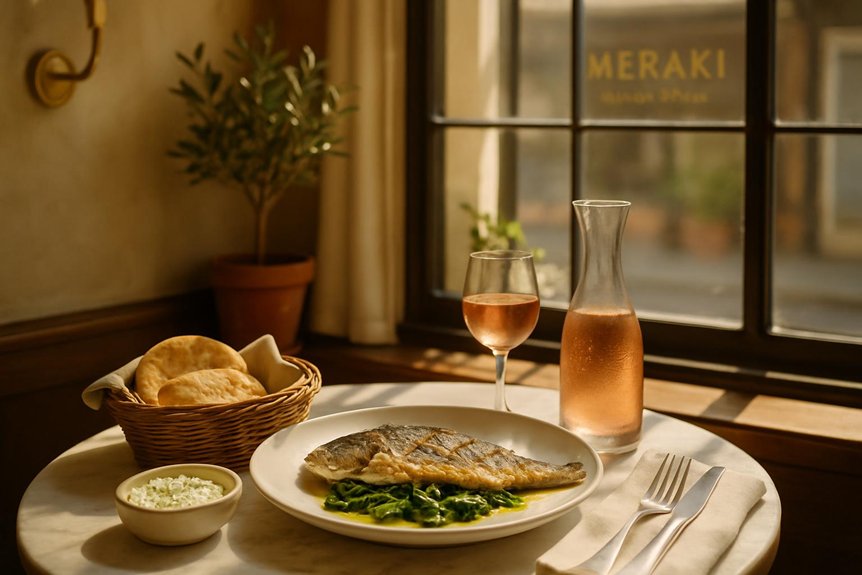

Tucked off Goodge Street, Meraki sets a calm stage for cocktails with Greek polish and city edge. The room is warm, the lighting measured, the hum steady. Behind the bar, technique leads. House infusions whisper of pine, citrus, and spice. Seasonal mixers shift the tone without fuss. Plates arrive to match, not compete. It feels precise but unpretentious. There’s a moment when the first sip lands—and hints at what the next hour might reveal.
A Night at Goodge Street: The Vibe and the Venue
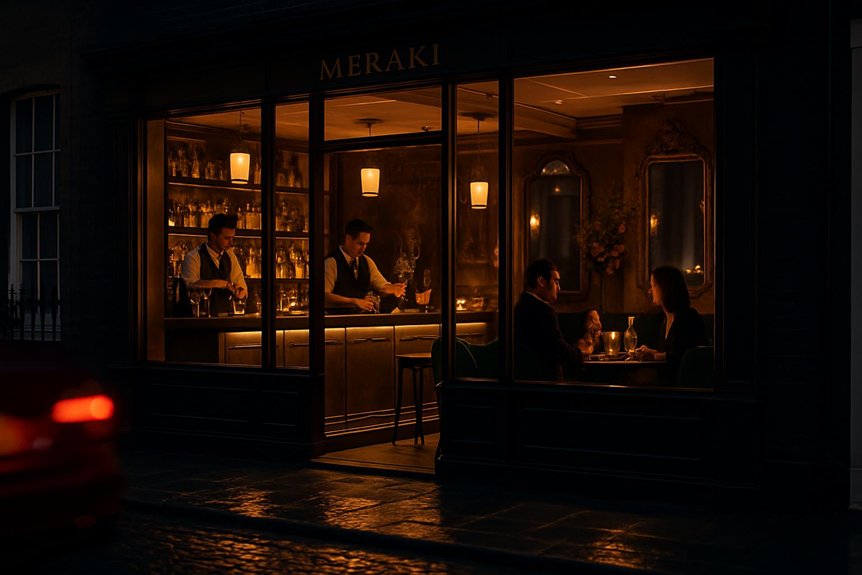
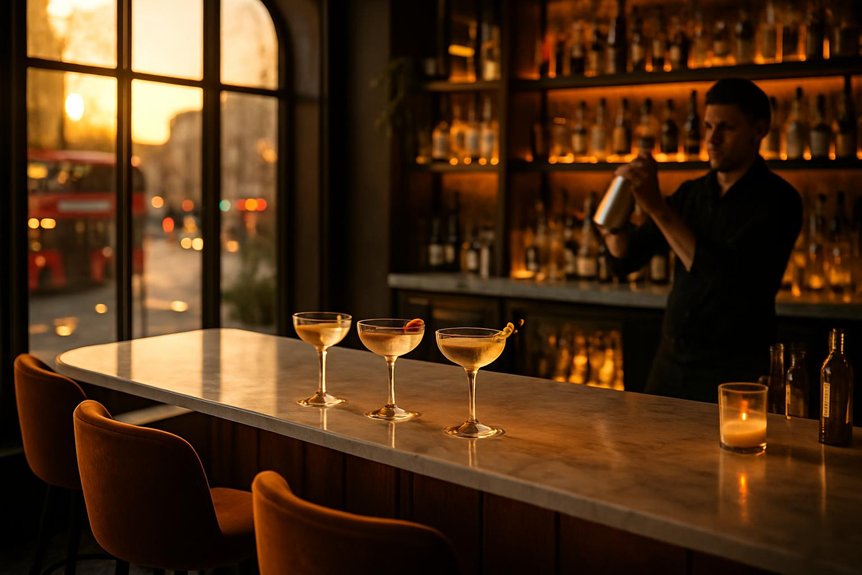
Although tucked just off the main drag, Meraki’s Goodge Street bar announces itself with a warm, amber glow and a low thrum of conversation. The room balances polished marble with weathered brick, inviting without demanding attention. Soft lighting silhouettes intimate booths, while tall windows frame passing foot traffic from local neighborhoods.
Music sits at a conversational murmur, steady and unobtrusive.
A curated backbar nods to cocktail history through discreet placards and vintage glassware, yet the atmosphere remains unpretentious. Guests drift between barstools and small tables, finding easy rhythms in the measured pace of service and the steady flow of arrivals.
The crowd feels mixed—after-work regulars, curious weekend wanderers—drawn by an unfussy elegance that suggests a reliable rendezvous rather than a spectacle. Meraki’s Goodge Street location also embraces sustainability and creativity in its offerings, ensuring that the cocktails are as environmentally conscious as they are delicious.
Behind the Bar: Craft, Technique, and Talent
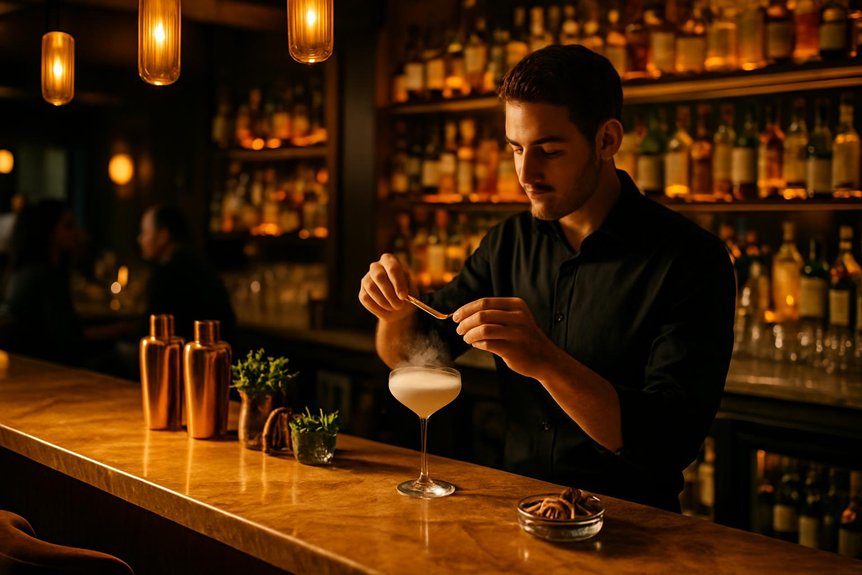
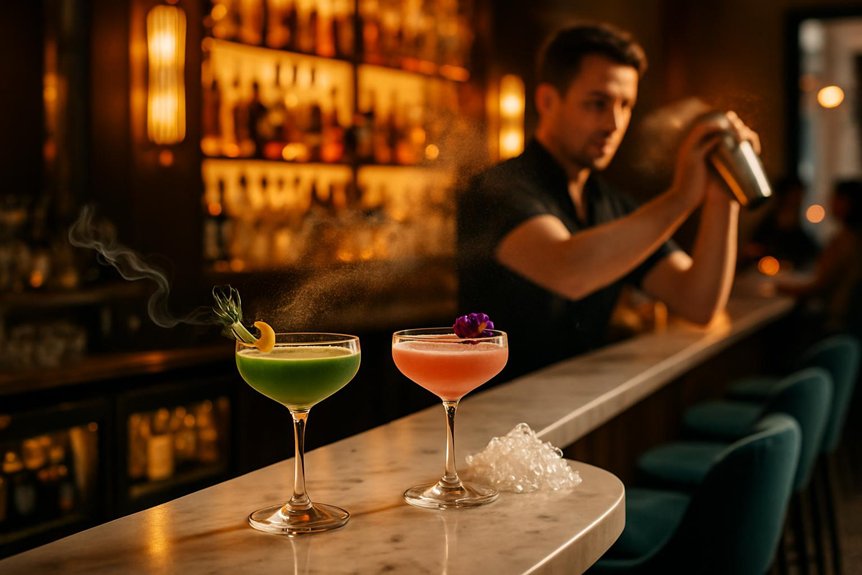
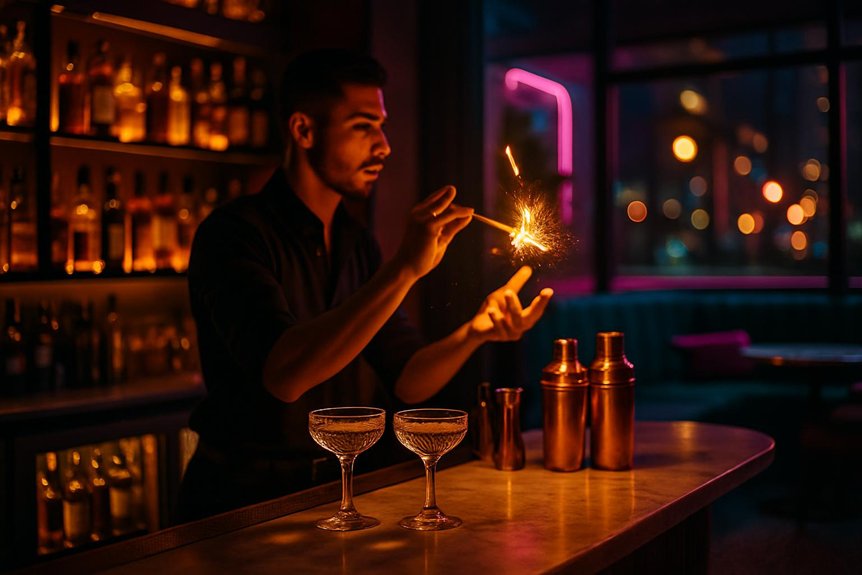
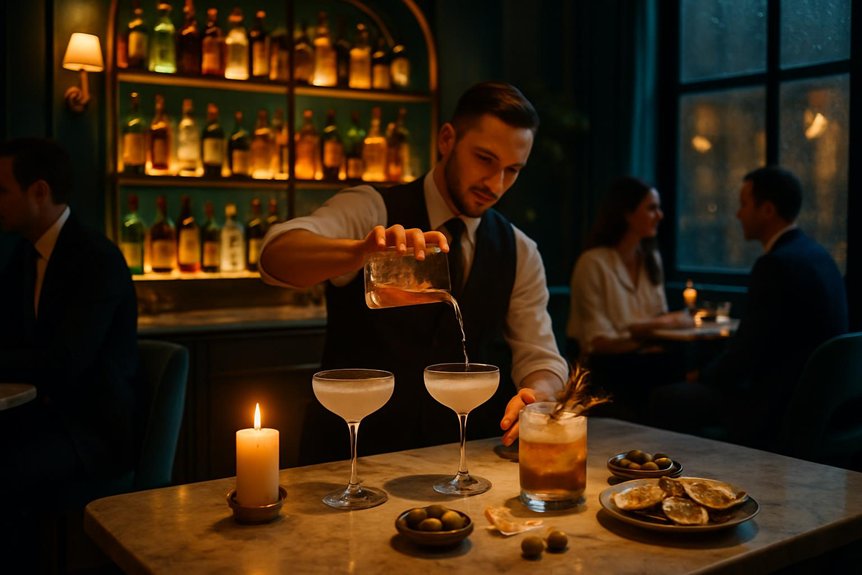
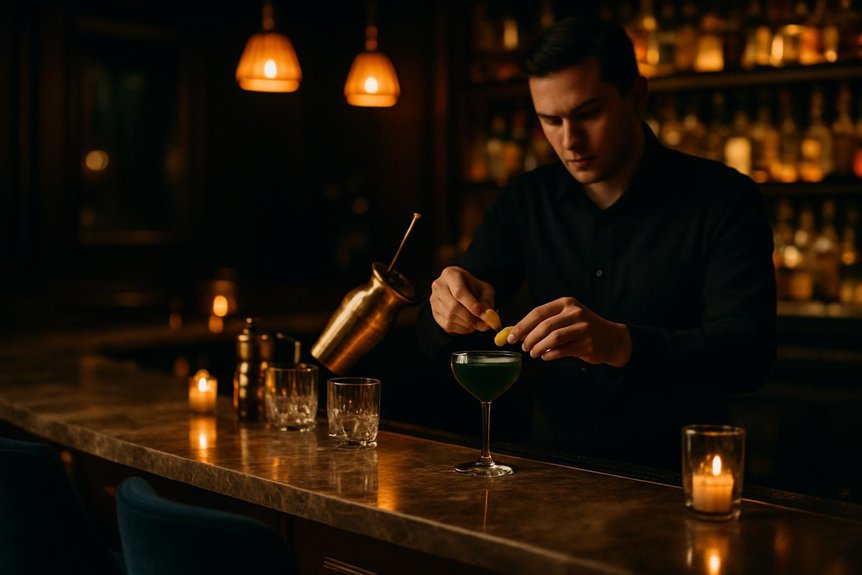
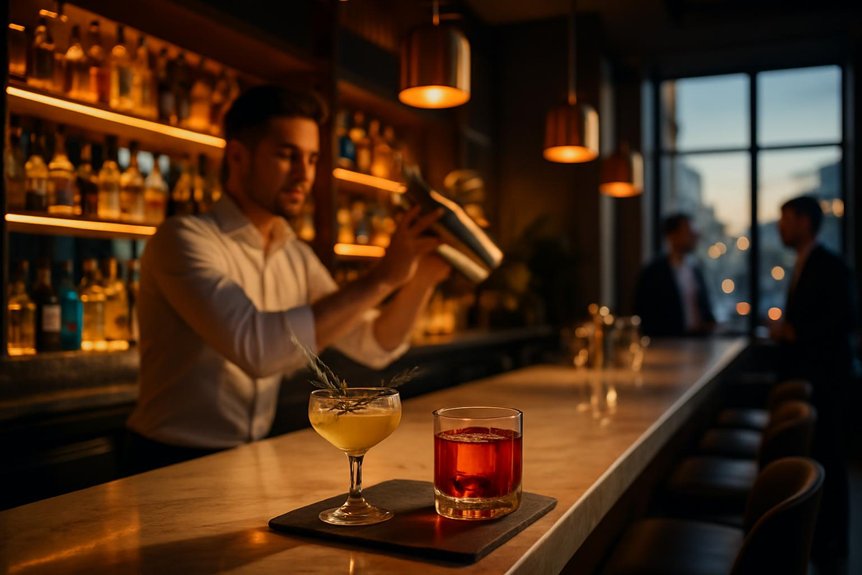
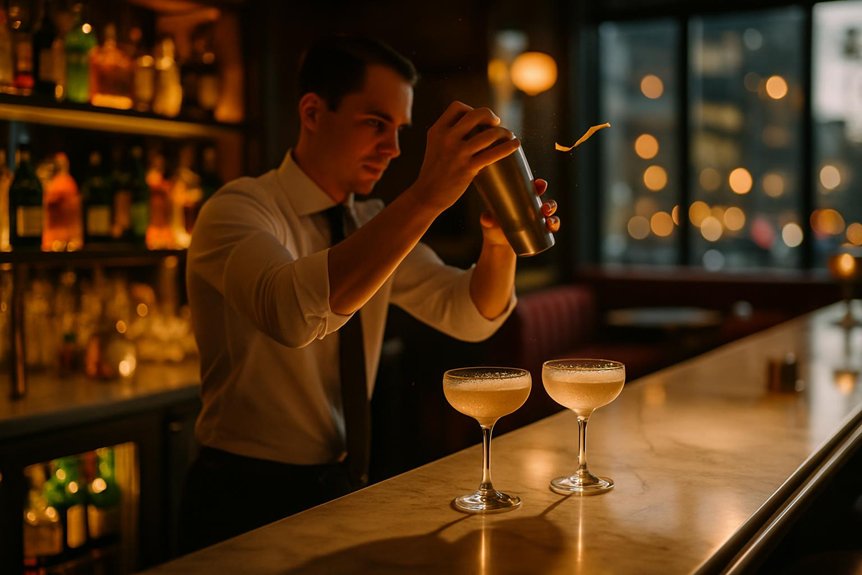
Even before a drink is ordered, the choreography behind Meraki’s Goodge Street bar signals intent. Movements are economical: tins chill, jiggers align, and glassware flashes under a quick rinse. It reads as discipline rather than spectacle, a prelude that frames the work to follow. Bartender techniques shape pace and texture. A hard shake aerates citrus with crisp edges; a silent stir threads spirit and dilution to a satin finish. Expressed oils are measured, not flung; ice is cut to purpose, not habit. Precision builds momentum toward cocktail presentation that communicates structure: frosted coupes for lifted aromatics, heavy rocks for contemplative sips. Garnishes are architectural, never decorative; a twist lands where the nose will meet it. The result is coherence—technique translating directly into flavor clarity. At Meraki, the cosmopolitan Greek atmosphere creates an inviting backdrop, blending the elegance of Aegean inspiration with the vibrant energy of London.
Seasonal Sips: Ingredients at Their Peak
Meraki turns to peak-season produce picks, letting ripe berries, stone fruits, and fragrant herbs set the tone. The bar’s chalkboard lists limited-time cocktail highlights that change as markets do. Each glass offers a brief window where freshness leads and garnish follows. At Meraki, the inviting interior design sets the stage for a memorable cocktail experience, enhancing the ambiance and overall enjoyment.
Peak-Season Produce Picks
How do cocktails change when ingredients are at their apex?
At Meraki’s Goodge Street bar, peak-season produce dictates clarity of flavor and restrained technique. The team selects fruits and herbs when sugars, acids, and aromatics align, then builds drinks that highlight rather than mask.
This approach nods to cocktail history while integrating a bar design that speeds gentle prep and swift service.
- 1) Citrus: Early winter bergamot and blood orange sharpen highballs, reducing added sweeteners and brightening bitters.
- 2) Berries: Late spring strawberries provide pectin-rich body for cobblers; brief maceration preserves perfume.
- 3) Herbs: Summer basil and shiso are flash-churned in crushed ice to release volatile oils without bruising.
Peak sourcing minimizes interference: fewer syrups, lighter dilution, and colder service to preserve aroma and texture.
Limited-Time Cocktail Highlights
Why do certain drinks appear only for a fleeting window? At Meraki’s Goodge Street bar, the answer lies in ripeness and restraint.
Bartenders build concise menus around fruit and herb peaks: blood orange in late winter, gariguette strawberries in spring, and sun-warm tomatoes in August. Each limited-time cocktail highlights a single, pristine note, supported by restrained sweetness and salinity.
A basil-washed gin sour might run just two weeks, crowned with a precise cocktail garnish—micro basil and lemon oils—mirroring the bar decor’s seasonal stems. Another week, a shiso-plum highball appears, bright, saline, and gone by the next delivery.
Guests learn to order now, not later. Scarcity protects flavor integrity and keeps the room’s rhythm dynamic, ensuring each visit tastes timely, never generic.
Signature Infusions: Botanicals, Bitters, and Beyond
Meraki’s bartenders showcase house-made botanical infusions that shape the bar’s distinctive profile. Their artisanal bitters display careful extraction, balance, and texture.
Together, these elements enable unexpected flavor pairings that feel precise rather than gimmicky.
House-Made Botanical Infusions
Where do the flavors in Meraki’s cocktails gain their quiet complexity? Observers note a disciplined practice of house-made botanical infusions: herbs, peels, and florals steeped with purpose. Botanical blending guides proportion and harmony, while precise infusion techniques control extraction, ensuring clarity rather than muddle. Temperature, dilution, and contact time are adjusted like dials, creating layers that read as calm yet resonant in the glass.
1) Selection: Ingredients are chosen for aromatic spectrum—volatile top notes (citrus zest), structured mids (juniper, rosemary), and grounding bases (orris, chamomile), each vetted for compatibility.
2) Process: Small-batch macerations are logged, filtered, and re-tasted, narrowing variables to repeatable profiles without fatigue or bitterness.
3) Integration: Infusions are folded into spirits and syrups modestly, letting texture, lift, and finish align with the drink’s intent.
Artisanal Bitters Craftsmanship
If infusions lay the groundwork, bitters supply the edges and contours. At Meraki’s Goodge Street bar, artisanal bitters are approached as precise botanical creations, designed to define structure and finish.
The bar team builds tinctures from layered peels, seeds, roots, and barks, then calibrates intensity through measured maceration and proof. Each batch is logged, tasted, and corrected to maintain clean, repeatable flavor profiles.
Citrus pith concentrates brightness without sweetness; gentian and quassia contribute disciplined bitterness; cacao nibs and smoked tea add subtle depth. Dropped by the dash, these elements knit spirits, acidity, and dilution into coherent form.
The result is control: lift for a highball, backbone for a stirred classic, or composure for low-ABV builds—always precise, never intrusive.
Unexpected Flavor Pairings
Though rooted in classic technique, the program courts surprise by pairing elements that rarely share the same glass. At Meraki’s Goodge Street bar, unexpected alliances—savory herbs with tropical fruit, smoked tea with alpine pine, cacao with saline—are calibrated through fusion techniques that chase flavor harmony rather than novelty.
Bartenders map volatile aromatics, texture, and finish, then stitch them with restrained sweetness or a bracing bitter edge.
1) Balance over shock: each contrast is anchored by an intermediary—often citrus oils, saline, or a measured bitter—to keep lines clean and purposeful.
2) Texture as a bridge: silky fat-wash, effervescence, or tannic grip guides disparate notes into cohesion.
3) Memory-driven design: familiar anchors—vanilla, citrus, orchard fruit—invite trust, allowing bolder infusions to land with clarity.
Classics Reimagined: Twists on Timeless Favorites
Even as nostalgia lingers in the glass, Meraki’s bartenders pivot from rote tradition to sharp, inventive craft.
Their menu studies cocktail history without reverence, treating the Old Fashioned, Martini, and Daiquiri as living frameworks. Sugar becomes saline honey or cocoa nib syrup; citrus oils are misted, not muddled; bitters shift from angostura to saffron and cardamom.
Technique is crisp and exacting. Split-base spirits add depth, clarified juices sharpen balance, and controlled dilution keeps finishes clean.
Glassware trends are leveraged for purpose: slender Nick & Noras for aromatics, heavy rocks for texture, stemless coupes for temperature retention.
Garnishes speak quietly—dried stone fruit, smoked tea vapors, a single brined cherry—signaling intent.
The result feels recognizably classic yet unmistakably contemporary, disciplined rather than decorative.
Mediterranean Spritzes: Bright, Fresh, Effortless
From disciplined reworks of the canon, the bar loosens its collar for Mediterranean spritzes that prize lightness and clarity. The approach favors lifted aromatics, brisk bubbles, and salty-sunlit accents. Citrus peels, seaside herbs, and restrained bitterness sketch a silhouette that feels effortless yet deliberate.
Mediterranean flavors lead the palate without weight, while cocktail innovation keeps sweetness trimmed and texture taut. These spritzes read as refreshment with purpose—built for pacing conversation and brightening early evening light. Each glass lands crisp, then drifts into mineral finish, leaving space for food and city tempo.
1) Balance: acidity first, then measured bitterness, finally a whisper of fruit.
2) Texture: fine sparkle over a dry core, no syrupy drag.
3) Sense of place: olives, thyme, and coastal zest evoke travel.
Spirit-Forward Originals: Bold Flavors With a Story
How do the lights dim and the tempo steady when the menu pivots to spirit-forward originals? Here, the ice thins, the glassware narrows, and aromas speak first. The bartenders frame each pour as a chapter in craft cocktail history, drawing on classic blueprints yet pushing proof and texture. Smoke, salinity, and bitter botanicals set the tone, while restrained sweetness lets the base spirit lead.
Names hint at origin stories—coastal trade routes, market spices, midnight gardens—giving each drink a narrative spine. The room mirrors the mood: bar decor trends favor patinated metals, low amber glow, and tactile coasters that anchor slow sipping.
Technique remains visible but unshowy: measured stirs, controlled dilutions, deliberate garnishes. The result is clarity—bold, direct, and memorably composed.
Pairing the Pour: Small Plates and Perfect Matches
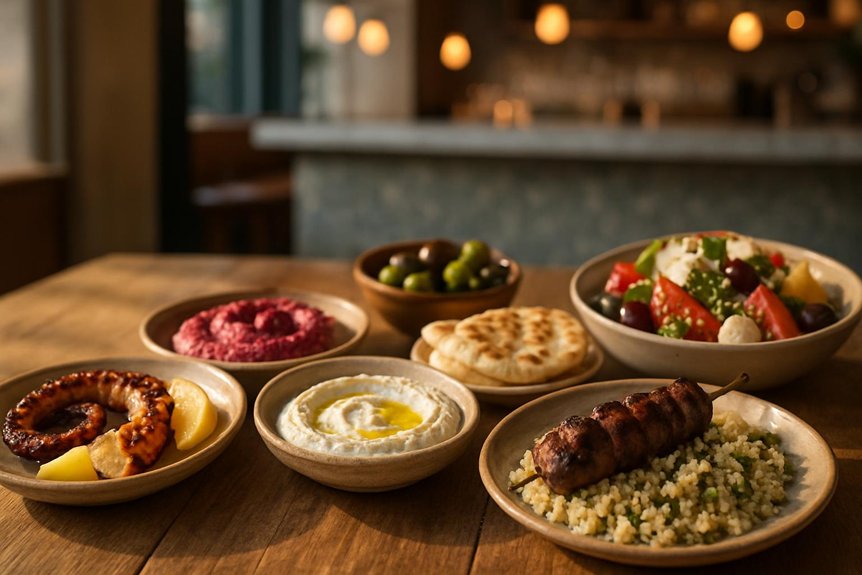
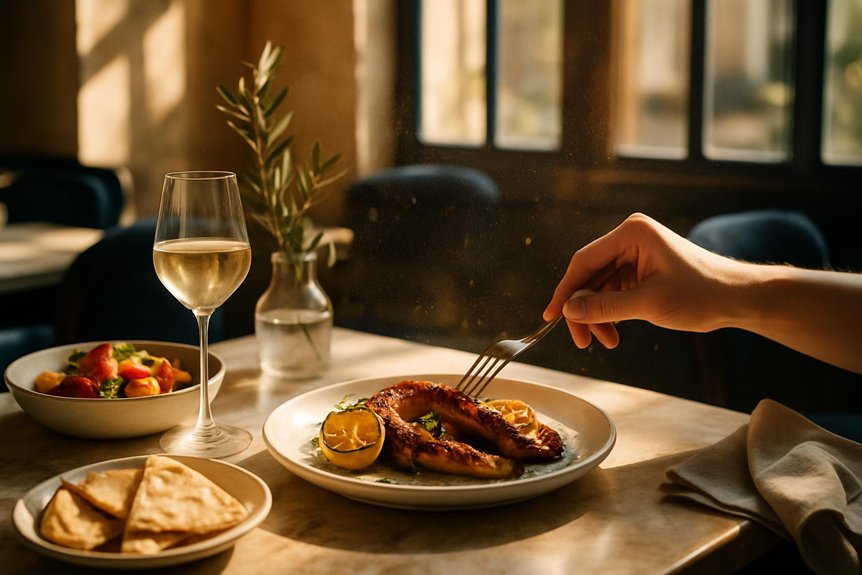
As those spirit-forward originals settle into the room’s amber hush, the next consideration is what shares the spotlight on the plate. He observes that Meraki pairs salt, acid, and texture with intent: citrus-bright crudo lifts juniper notes; sesame heat steadies smoky agave; charred vegetables echo barrel spice.
Portions stay small to preserve tempo, not appetite, while glassware styles guide aroma and pace. Current mixology trends favor clean lines and chilled stems, so the plates answer with crisp edges and quick finishes.
1) Balance: fat buffers proof, acidity resets the palate, crunch punctuates silken sips.
2) Echo: herbs in garnish repeat flavors on the plate, creating through-lines without monotony.
3) Contrast: bitterness meets sweetness; heat meets chill—allowing both cocktail and bite to sharpen each other.
When to Go: Hours, Energy, and Reservations
While the room glows consistently low-lit, the bar’s rhythm shifts with the clock. Early evening, from 5 to 7, offers calm seats, attentive service, and space to observe cocktail trends and precise mixology techniques at the counter.
The crowd thickens after 7:30, when playlists rise and conversation swells; prime time runs 8 to 10, ideal for atmosphere but tighter on tables.
Weeknights suit relaxed dates and solo sips; Fridays and Saturdays draw a lively, buzzy flow.
Last orders typically fall around midnight on weekdays and later on weekends, but check posted hours for seasonal tweaks.
Reservations are recommended for groups or peak hours; walk-ins fare better at the bar.
Note time-limited seating policies, and confirm counter spots if watching the shaker show matters.
Conclusion
As the evening winds down, the bartender’s final stir coincides with a couple’s first toast and a friend’s chance reunion at the door—small serendipities that define Meraki’s Goodge Street bar. The glow, the craft, the seasonal bite all align by happy accident, proving the venue’s charm isn’t staged; it’s discovered. Whether planned or stumbled upon, guests leave with the same conclusion: Meraki turns ordinary nights into stories worth retelling, one precise pour at a time.