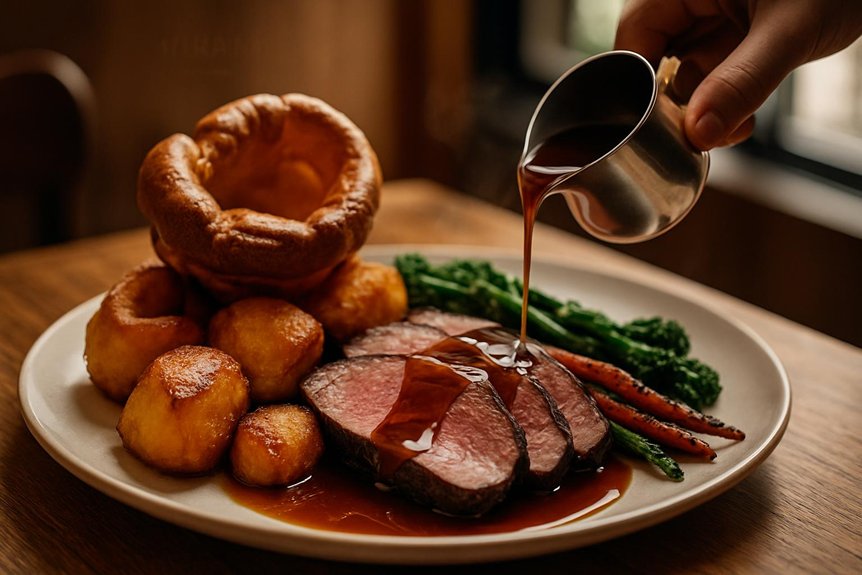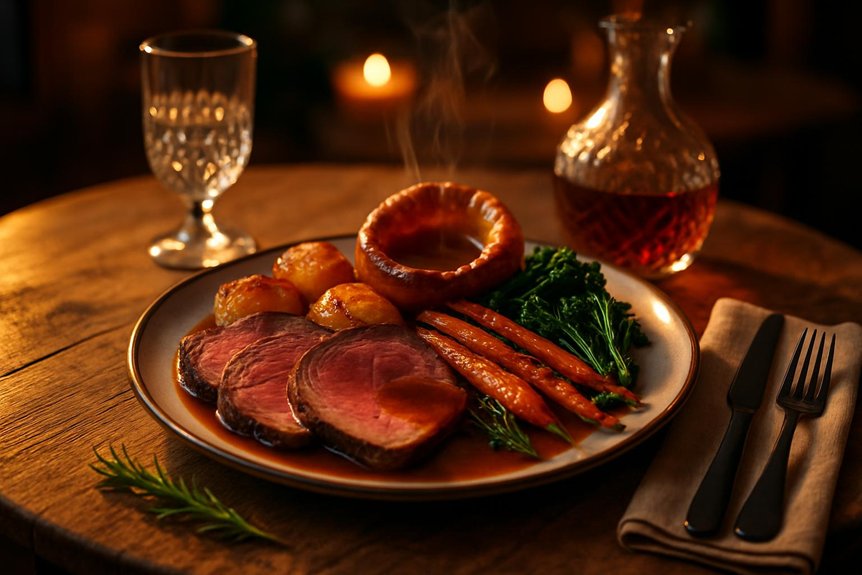

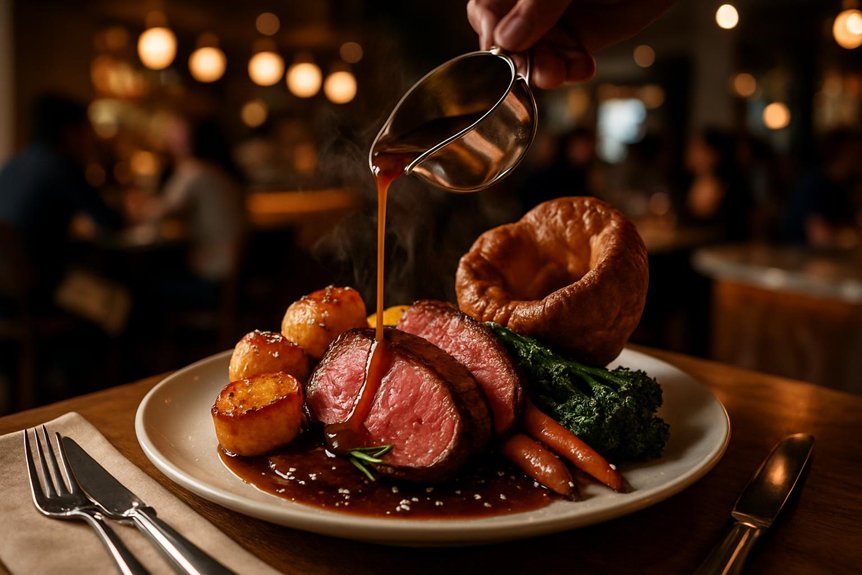
In Fitzrovia, Meraki offers a Sunday roast that feels unhurried yet purposeful. The room hums with conversation, art on the walls, and calm, attentive service. Slow-roasted beef and heritage pork share the table with Greek-accented sides and careful seasonal touches. Wines and cocktails are chosen with restraint rather than flash. It’s a place for a long lunch, if you can secure a table. What sets it apart begins with the first platter.
The Fitzrovia Setting and Atmosphere
Though central London hums nearby, Fitzrovia maintains a measured pace that suits a lingering Sunday. Streets lined with Georgian and Victorian facades project historical charm without affectation.
While discreet courtyards and mews temper the urban grid, galleries, studios, and quietly confident townhouses suggest a neighborhood that values craft over spectacle.
Inside, dining rooms lean toward Artistic decor: textured walls, curated lighting, and restrained color palettes that frame conversation rather than command it.
The ambience favors unhurried meals, with soft acoustics and thoughtful spacing that keep bustle at the threshold.
Independent shops and bookish corners punctuate the walk to the table, reinforcing an easy rhythm.
The overall setting offers calm continuity—urban, cultured, and subtly elegant—ideal for settling in as the afternoon stretches.
Visitors to Fitzrovia can explore diverse dining options, including the Meraki Bar Launch that brings a taste of Mykonos with its bohemian gypset vibe.
What Makes This Sunday Roast Stand Out
While many London roasts chase nostalgia, this one distinguishes itself through precision and restraint. The kitchen edits tradition rather than embellishing it, letting quality and technique carry the plate.
Vegetables arrive with clear intent—char, snap, and a measured gloss—avoiding heaviness. Sauces are lucid and balanced, built for lift rather than ballast. Even the pacing feels disciplined, with temperatures and textures landing in sync.
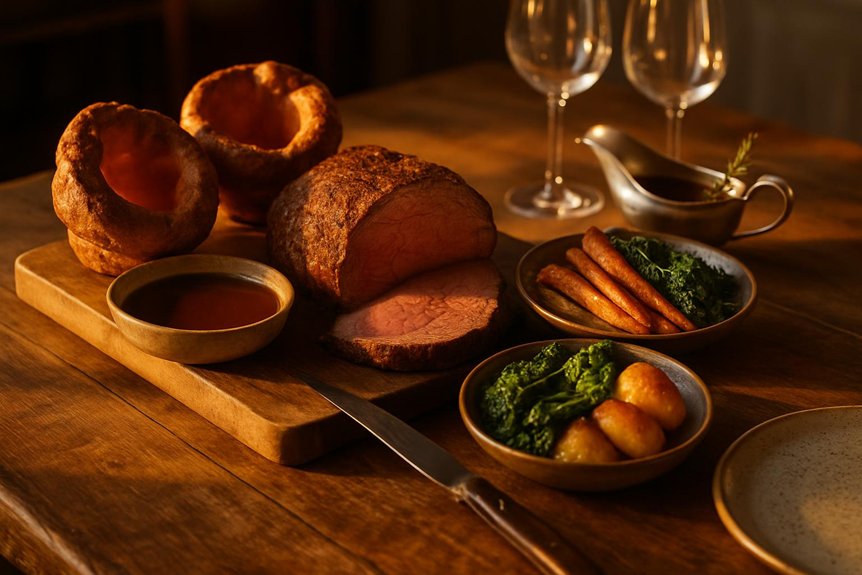
- Yorkshire arrives aerated, structurally crisp but not brittle, designed to wick jus rather than drown it.
- A basket of local artisanal bread sets the tone: crackling crust, warm crumb, and cultured butter that underscores ingredient-first thinking.
Sustainability is not a slogan; sustainable sourcing informs every choice, from seasonal brassicas to low-waste prep, keeping flavors bright and the conscience lighter. Meraki’s commitment to eco-friendly practices ensures that every dining experience is as responsible as it is luxurious.
The Meats: From Classic Cuts to Contemporary Choices
Even before the gravy speaks, the roast’s authority comes from its meat. At Meraki, the meat selection balances steadfast British tradition with a contemporary edge.
Slow-roasted beef rump arrives ruby-centered with a peppered crust; heritage pork boasts crackling that shatters cleanly; free-range chicken carries succulent depth beneath bronzed skin. For modernists, lamb shoulder is pulled to tender strands, while a char-grilled sirloin offers smoky brightness without losing Sunday heft.
Precision governs the cooking techniques. Dry-aging concentrates beef flavor, overnight salting sets pork rind for superior blistering, and controlled resting guards juices across every cut.
Chicken is brined, then finished high-heat for snap and sheen. Sauces are reduced to amplify, not mask. The result: meats that lead the plate with quiet confidence. Meraki’s exceptional roast beef paired with Yorkshire puddings is highly recommended by diners for its rich flavor and tenderness.
Greek-Inspired Sides and Seasonal Produce
Some roasteries nod to the Aegean with olive oil–roasted vegetables that carry oregano and sea salt.
Herbed lemon potatoes bring crisp edges and bright acidity alongside richer meats.
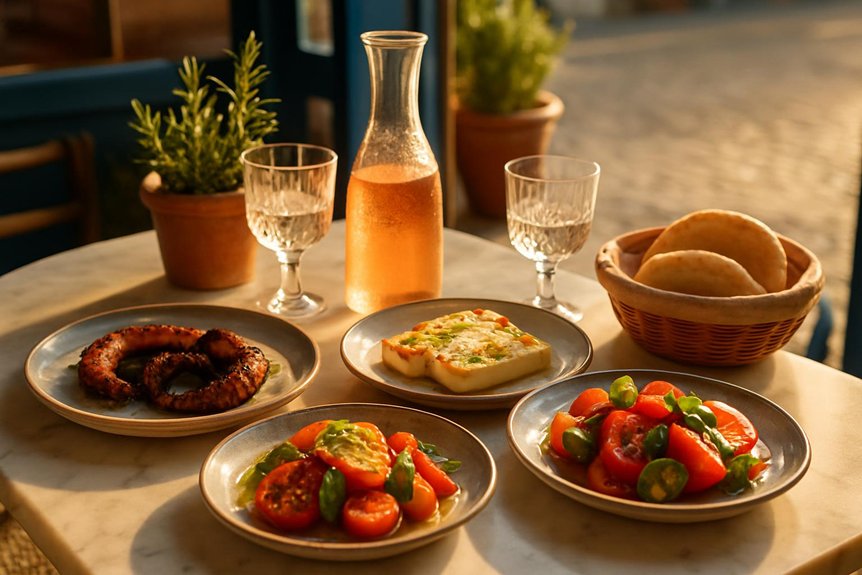
Seasonal mezze accents—think beet tzatziki, charred peppers, or marinated olives—round out the plate without weighing it down.
Olive Oil-Roasted Veg
How better to counterbalance rich roasts than with olive oil-roasted vegetables that nod to the Greek table? At Meraki, trays of olive oil roasted veg arrive bronzed and aromatic, letting seasonality drive the medley—think courgettes, peppers, fennel, and sweet onions.
A restrained drizzle of fruity Greek extra-virgin olive oil, sea salt, and oregano coaxes depth without heaviness, offering healthy options that still feel celebratory.
Charred edges intensify sweetness, while low-and-slow roasting keeps textures tender yet structured.
A finish of lemon zest and parsley brightens the tray, aligning with Mediterranean sensibilities without overshadowing the roast.
Smart pairing: the vegetables’ herbal warmth complements lamb or beef gravies, adding contrast and lift.
Simple, sunlit flavors bring balance, crafting a side that satisfies without excess.
Herbed Lemon Potatoes
While roasts anchor the table, herbed lemon potatoes bring a bright, Greek-accented counterpoint.
At Meraki, the tray arrives steaming, edges bronzed, and interiors plush, proof that simplicity can carry Sunday.
The potatoes are roasted with lemon juice, zest, and good olive oil, then finished with oregano, dill, and a flick of rosemary, delivering herbaceous flavors without heaviness.
A restrained garlic note and a whisper of thyme keep the profile clean.
This is lemon infused cuisine used with intent: acidity lifts the richness of beef or lamb, while crisped surfaces give textural relief.
Sea salt and cracked pepper punctuate each bite; parsley adds a final green snap.
The result is unfussy, sunlit comfort—Greek in spirit, London in setting, and perfectly tuned for roast-day balance.
Seasonal Mezze Accents
Herbed lemon potatoes set the tone for brightness, and the same Greek spirit carries through a spread of seasonal mezze that flank a London roast with restraint and purpose. The platter shifts with the market: charred courgettes with mint oil, roasted beetroot with thyme honey, and silky taramasalata sharpened by lemon zest. These sides don’t compete; they calibrate richness, layering fusion flavors without blurring identity.
Meze textures—crunch, cream, and char—act as precise counterpoints, a quiet study in culinary innovations anchored in Hellenic simplicity.
- Whipped feta with winter herbs and smoked chilli, offering salinity against rosy beef
- Grilled aubergine with pomegranate molasses, balancing sweet acidity and char
- Horta-style greens with olive oil and citrus, cleansing the palate between bites
Drinks to Pair: Wines, Cocktails, and More
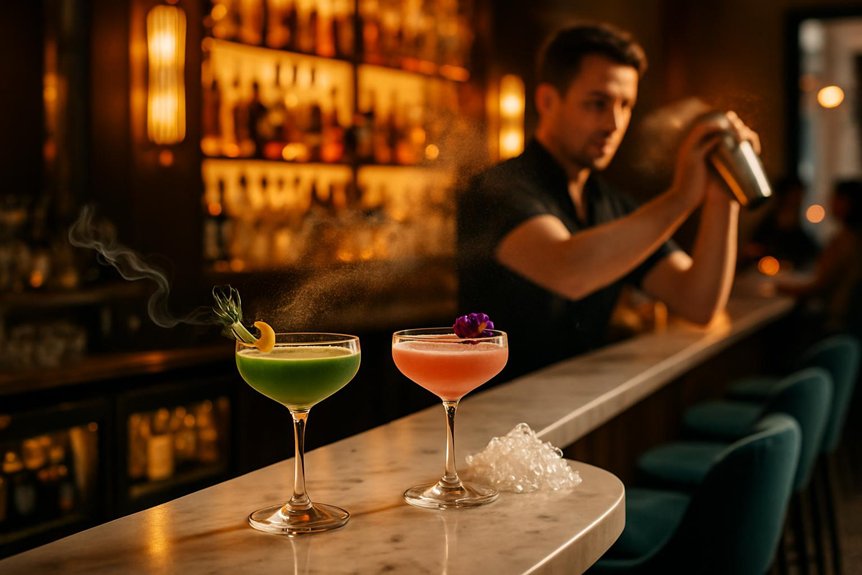
Craving balance with all that rich roast? Meraki answers with precise pairing wines and creative cocktails designed to refresh the palate and frame the meat’s depth.
A structured Xinomavro or refined Barolo mirrors beef’s savor, while a plush Rioja softens edges.
For lamb, a fragrant Agiorgitiko or northern Rhône Syrah supports herbal notes; roast chicken appreciates mineral Santorini Assyrtiko or aged white Rioja.
Pork belly finds contrast in dry German Riesling or crisp English sparkling.
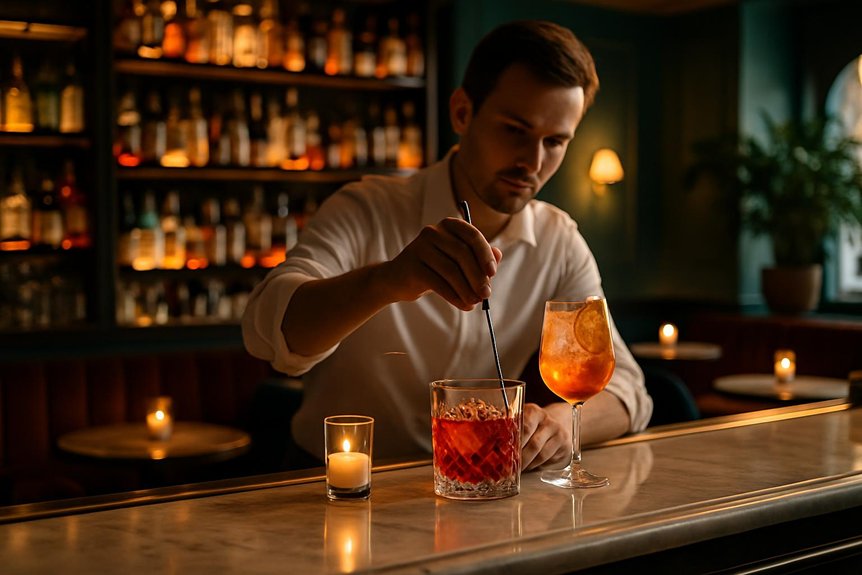
Creative cocktails lean citrus and herb. A clarified lemon highball with thyme resets between bites; a rosemary gin sour cuts fat without shouting.
For smoke-kissed dishes, a mezcal–amaro spritz brings bitterness and lift.
Low-ABV options—vermouth and tonic, fino sherry with grapefruit—keep flavors clear and focused.
Service, Pace, and the Long Lunch Experience
Service sets the tone, with warm, attentive hosting guiding guests from first pour to last gravy boat.
An unhurried dining rhythm encourages lingering plates and easy conversation rather than clock-watching. Many rooms foster a family-style sharing vibe, turning roasts and sides into communal centerpieces.
Warm, Attentive Hosting
While plates and pints set the scene, it’s the hosting that determines whether a Sunday roast lingers in memory. At Meraki, the welcome feels assured rather than showy: coats whisked away, names remembered, preferences clocked without prompting.
Hosts translate holiday traditions into a cosmopolitan register, guiding guests through culinary fusion without overshadowing the roast itself. Service anticipates needs, offering small calibrations that keep conversation central and interruptions minimal.
- Thoughtful touchpoints: water refreshed before being asked, condiments placed precisely, extra gravy arriving as if scheduled.
- Knowledge in service of ease: concise menu cues, smart wine suggestions, and confident pacing from greeting to final pour.
- Genuine warmth: check-ins that resolve, not prolong; a steady presence that frames the meal and lets the table take the spotlight.
Unhurried Dining Rhythm
If Sunday roast is a ritual, its tempo is the liturgy, and London’s best rooms keep time with restraint. Service sets a measured cadence: menus land without haste, orders are taken once conversation settles, and plates arrive in considered intervals.
The pacing nods to historical context, when Sunday dining stretched between church bells and twilight, yet it also accommodates culinary innovation—crisped potatoes returned to the pass for a final crunch, gravies reduced to the right gloss, greens refreshed just before service.
Staff read the table’s rhythm rather than impose it. Wine top-ups are quiet, not performative; clearing happens only after the last appreciative pause. Desserts are suggested, not sold.
The effect is a long lunch that breathes, allowing flavors—and decisions—to unfold naturally.
Family-Style Sharing Vibe
Amid platters set down for reaching hands, the city’s best roasts favor a communal spread that sets the tone for an unhurried afternoon. Service moves at a considerate pace: gravy boats circle, carving boards return, and sides replenish without prompting. The room’s vintage decor and glimpses of street art create a relaxed backdrop, suggesting conversation should linger as long as the roast potatoes.
Servers read the table rather than the clock, spacing courses to match the rhythm of shared plates. Larger cuts—sirloin, pork belly, whole cauliflower—invite slicing, swapping, and second helpings. It’s a long lunch designed for company, not ceremony.
- Generous boards encourage table-wide tasting
- Refills offered subtly, not rushed
- Surroundings blend street art flourishes with warm vintage decor
How to Book and When to Go
Because tables fill quickly at sought-after pubs, booking at least one to two weeks ahead is prudent, and a month out for top roasters or large groups is safer. The essential Booking tips: set alerts on reservation platforms, call venues for last-minute cancellations, and confirm roast availability—some kitchens switch to limited menus after 6 p.m. Walk-ins are possible at the bar, but waits can stretch beyond an hour.
For best visiting times, aim for the first lunch sitting (noon–1 p.m.) for crisp potatoes and peak Yorkshire puddings, or late afternoon (3–4:30 p.m.) for a calmer room. Avoid the 1–2:30 p.m. crush.
On match days, expect slower service near stadium pubs. Note children’s seatings, dog policies, and pre-ordering for sharing joints.
Conclusion
As afternoon light slips across Fitzrovia’s facades, Meraki’s Sunday table becomes a compass: roast meats as true north, Greek-accented sides the cardinal winds. Glasses catch the glow like small lanterns, guiding unhurried talk and second helpings. Service moves as a quiet metronome, setting the tempo for lingering. Here, the classic is not replaced but rethreaded—an heirloom quilt sewn with new cloth. Those who book ahead are rewarded with time itself, plated warmly, to be shared.