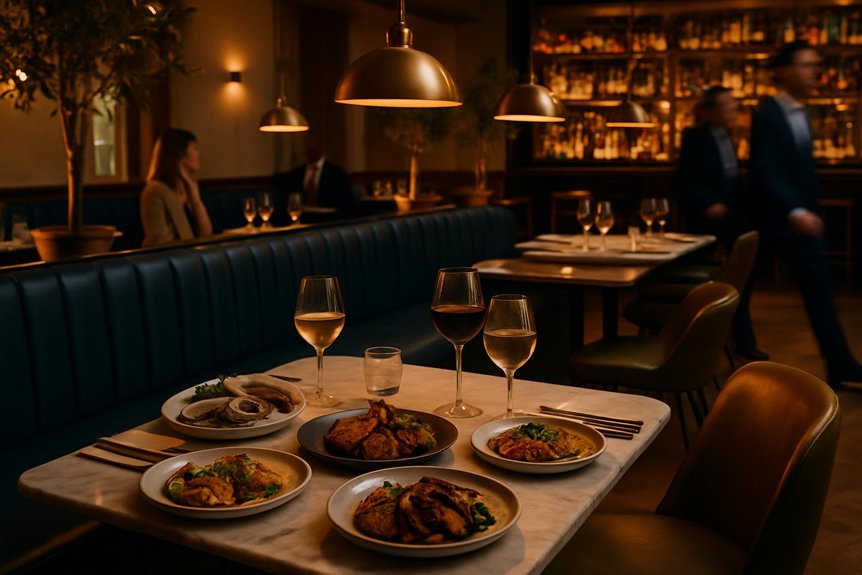

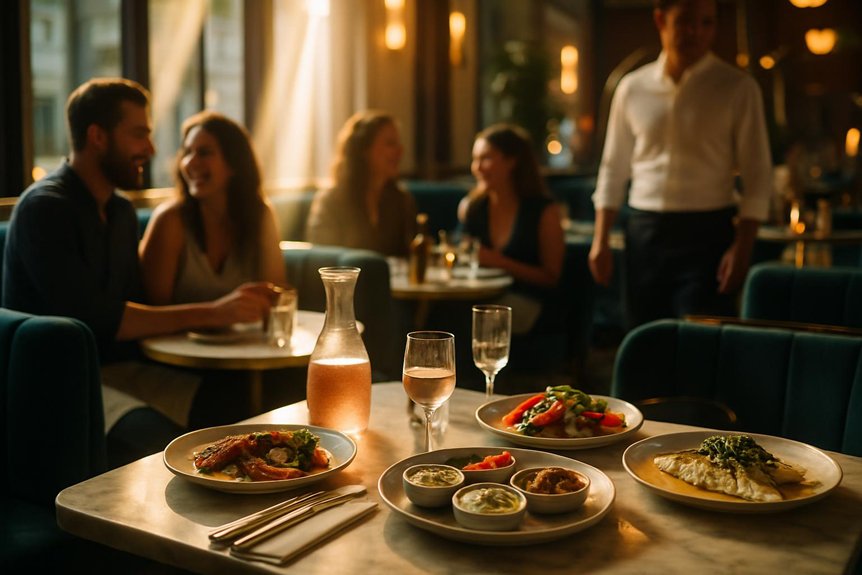
Just north of Oxford Street, Meraki offers a focused take on Greek-inspired dining in a bright, buzzy setting. Seasonal plates shift weekly, highlighting market produce with clean, layered flavors. Small dishes invite sharing, while charcoal-grilled mains anchor the table. Crisp Mediterranean wines and unfussy cocktails keep the pace brisk. It suits a quick bite or an unhurried lunch. The question is what to order first—and what not to miss when the menu changes again.
A Fitzrovia Hotspot With Greek-Inspired Flair
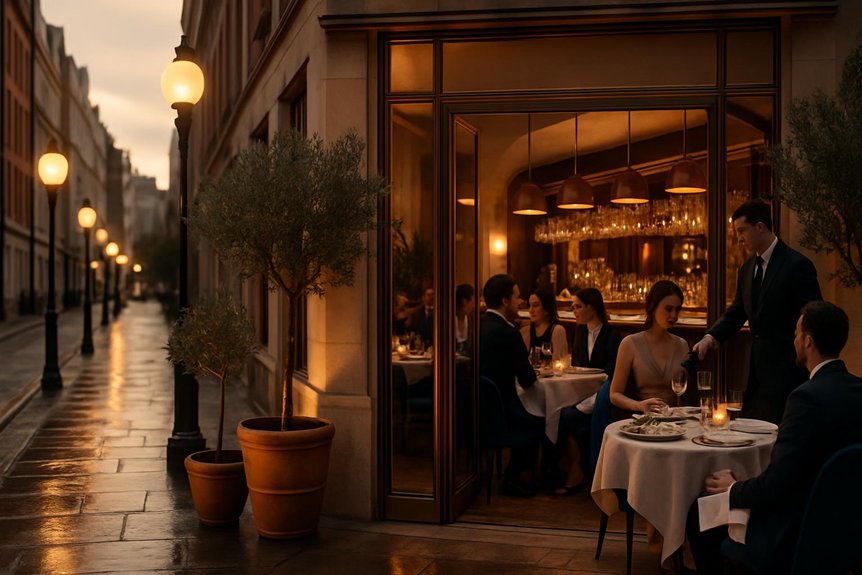
Though tucked just north of Oxford Street, this Fitzrovia spot hums with midday energy, channeling a modern Greek sensibility without slipping into cliché.
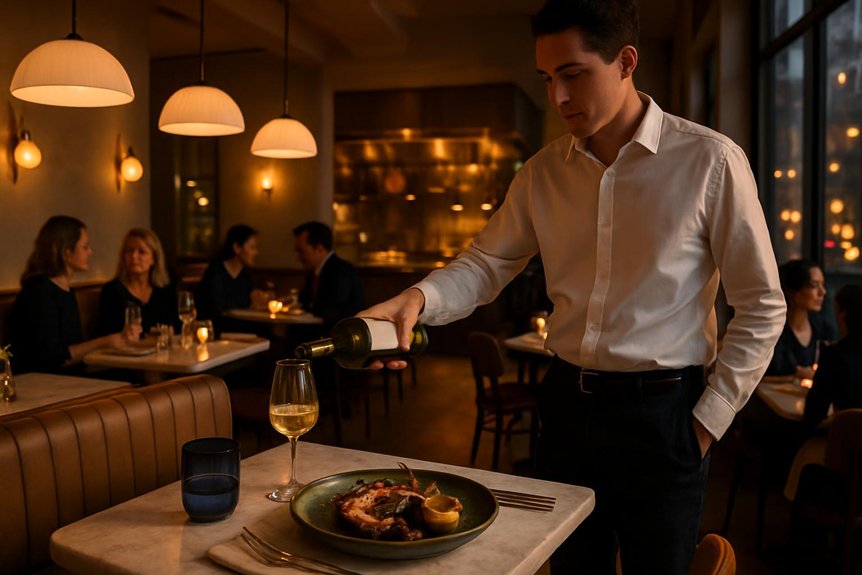
The room balances pale woods, textured stone, and soft light, evoking island ease without theatrical props. Service moves with brisk assurance, keeping the tempo crisp for business lunches and casual meetups alike.
Its identity sits neatly within Fitzrovia history: creative studios, publishing houses, and bohemian haunts once fed this neighborhood’s appetite for cosmopolitan flavors.
Here, Greek culinary traditions are interpreted with restraint—clean olive oil notes, bright citrus, charred vegetables, and pristine seafood take precedence over heaviness. Meraki translates to the love and soul put into work, reflecting the dedication in every dish.
Wine choices lean Mediterranean, favoring minerality and fragrance. The result feels grounded, urban, and unmistakably current, yet respectful of roots and setting.
Seasonal Menus That Change Weekly
As the market shifts, the kitchen rewrites its playbook each week, letting peak produce steer the offering. The result is a cadence of seasonal menu updates that reflect what’s tasting best now—crisp brassicas in cold snaps, herb-bright courgettes in warm spells, stone fruit when orchards peak.
Dishes arrive, evolve, and retire before complacency sets in.
This rhythm hinges on daily deliveries and close relationships with growers and fishmongers. Weekly chef specials act as a canvas for technique and restraint: a flash-cured catch with citrus and fennel, or charcoal-kissed lamb with wild greens. By focusing on sustainability and creativity, Meraki emphasizes the importance of using fresh, high-quality ingredients to create a memorable culinary journey.
Guests learn to trust the edit rather than chase a signature. Regulars return to be surprised, not to repeat. The approach keeps lunch energized, relevant, and tuned to London’s seasons.
Small Plates Built for Sharing
If weekly menus set the tempo, the small plates carry the melody, designed to be ordered in clusters and passed around the table. The kitchen favors crisp edges, warm centers, and punchy accents that invite a second forkful. Portion sizes are calibrated for two to three bites each, encouraging variety without fatigue. Sharing etiquette is straightforward: one plate at a time, clockwise, with spoons provided for sauced dishes to keep flavors clean. Texture contrasts: charred, fried, and silky components arranged to layer crunch over softness without heaviness. Pace and sequencing: brighter, hotter plates first; deeper, richer notes later, allowing conversation and appetite to align. Drink pairings: saline spritzes and light-bodied wines that cut through oil, reset the palate, and keep momentum. Enjoy Meraki’s lively atmosphere with a smart dress code that enhances the stylish and enjoyable dining and dancing experience.
Market-Led Salads With Bright, Fresh Flavors
The menu pivots to market-led salads that spotlight seasonal produce at peak ripeness.
Zesty dressings—citrus, herb oil, and sharp vinegars—are explained through their role in cutting richness and lifting sweetness.
Texture and color are balanced with crisp leaves, tender grains, and bright accents for a plate that looks and eats with energy.
Seasonal Produce Spotlight
Why do these market-led salads feel so alive? Because the kitchen edits with the seasons, not the calendar. Leaves arrive crisp at dawn; herbs are pinched minutes before plating. Foraging fungi slip into the mix when damp forests teem, while roasted winter squash brings caramel warmth that steadies the bowl. Nothing is ornamental; every element earns its place.
- Texture: Peppered cress, shaved kohlrabi, and toasted seeds create a snap–chew contrast, letting soft squash and tender mushrooms play against bite.
- Temperature: Room‑warm vegetables meet chilled greens, so aromatics bloom while freshness stays intact, giving balance without heaviness.
- Provenance: Growers near Oxford Street’s orbit supply micro‑batches; chefs adjust ratios daily, swapping leaves when weather shifts, preserving vibrancy and keeping waste lean.
Zesty Dressings Explained
From leaves this alive, brightness has to match.
At Meraki, zesty dressings act as the quiet engine of flavor, guiding market-led salads without overpowering them. Chefs layer acidity and aromatics, using citrus infusions to lift herbs and tender greens while keeping natural sweetness intact. Lemon oil, grapefruit zest, and yuzu echo seasonal produce, then soften through a whisper of honey or ripe pear purée.
Salt is restrained; mineral flakes appear at the end to keep lines clean.
In zing vinaigrettes, balance is solved mathematically: one part sharp, two parts supple, finished with a volatile note—tarragon, mint, or coriander stem.
Emulsions stay light, shaken to glisten rather than coat. The result reads bright, saline, and crisp, letting each bite finish clear, not heavy.
Texture and Color Balance
A salad’s appeal sharpens when textures converse and colors hum in chorus. At Meraki, market-led plates build appetite through crisp-leaf snap, creamy folds, and toasted edges, letting textural harmony frame bright produce. Color contrasts—emerald herbs, ruby tomatoes, sunlit citrus—guide the eye before the first bite, promising freshness and rhythm.
- Crunch calibration: fennel and cucumber bring clean fracture; seeds and nuts add bass notes; a soft counterpoint arrives via whipped feta or avocado, ensuring bite without abrasion.
- Juicy relief: tomatoes, citrus, or melon supply hydration and lift, soaking into grains or beans while preserving structural integrity.
- Bitter-sweet balance: radicchio, blood orange, and honeyed vinaigrette triangulate tension; charred zucchini or peppers add smoke, rounding edges and prolonging finish without overwhelming delicacy.
Charcoal-Grilled Mains and Signature Sides
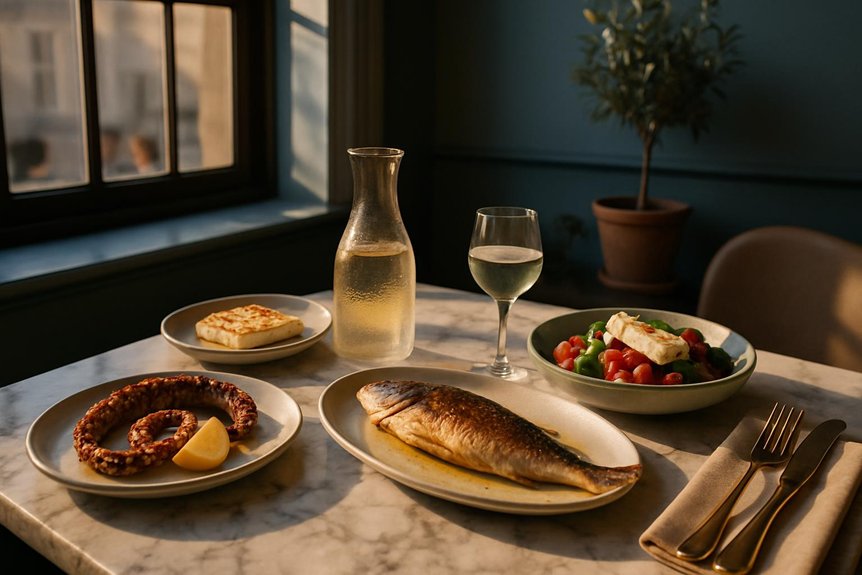
The grill takes center stage with a focused lineup of charcoal-kissed mains and tightly curated sides. Charcoal grilling defines the menu’s rhythm, giving lamb cutlets a smoky rim and sea bream a delicate char that preserves moisture.
Chicken skewers arrive lacquered yet lean, while a marinated rib-eye carries a deep embered crust without masking its minerality.
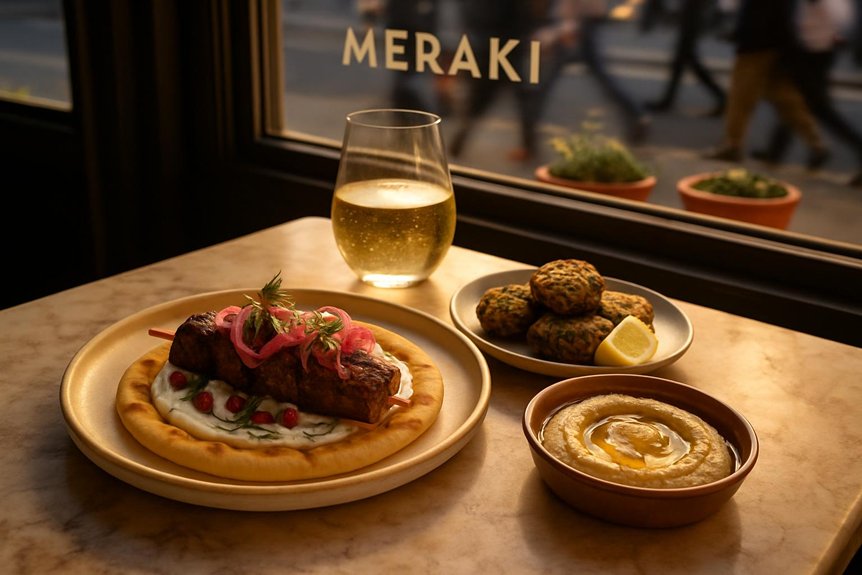
Signature sides keep the pace: lemon-dressed potatoes with crisp edges, grilled courgettes brushed with herb oil, and a tomato salad sharpened by brine and crushed oregano. Pita, warmed on the grate, picks up faint smoke for scooping tahini and tangy yogurt.
Portions aim for balance rather than heft, encouraging combinations that highlight the grill’s clean heat and the kitchen’s disciplined, produce-first approach.
Crisp Wines and Sunny Cocktails to Match
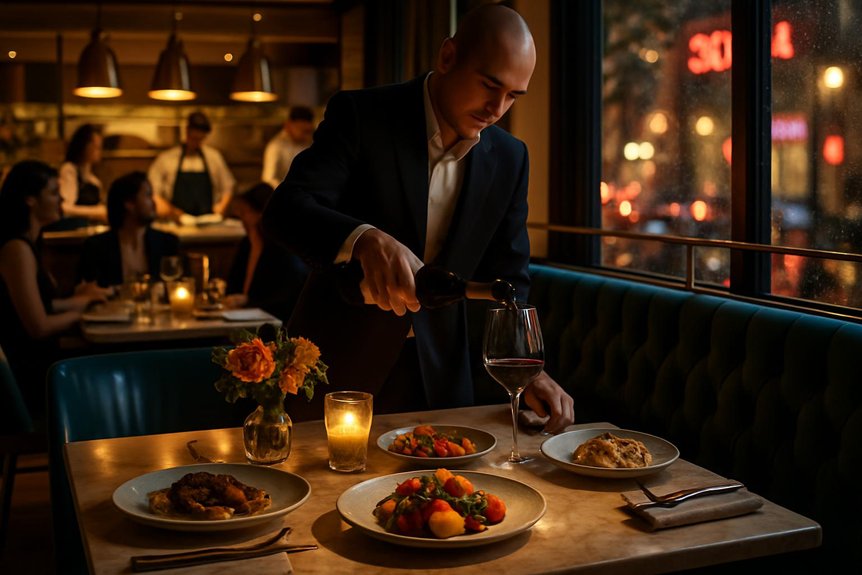
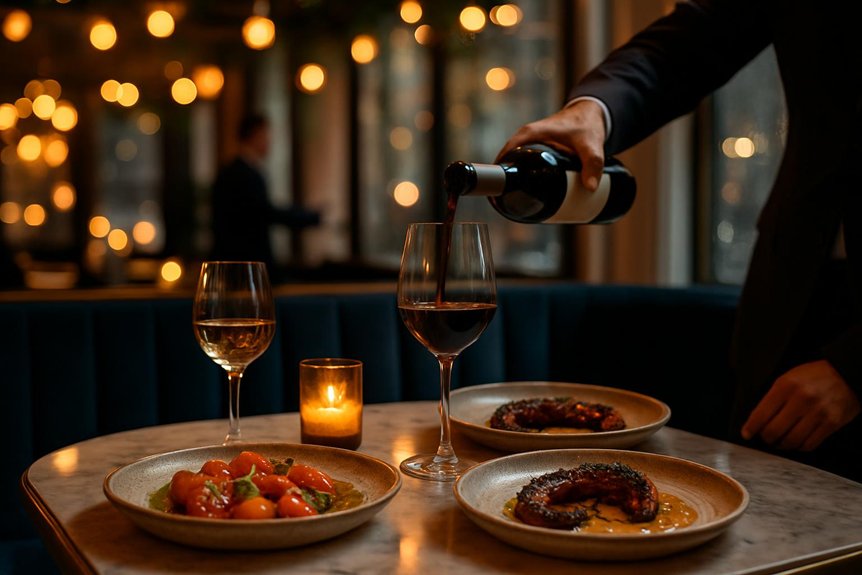
Though the grill sets a smoky baseline, the drinks list cuts clean through it with bright acidity and restrained sweetness. The sommelier steers toward mineral, citrus-etched bottles that refresh between bites, keeping heat and char in balance.
A tight wine pairing roster favors Mediterranean whites and cool-climate rosés, while the cocktail selection emphasizes sunlight—zest, herbs, and a gentle sparkle—over syrup.
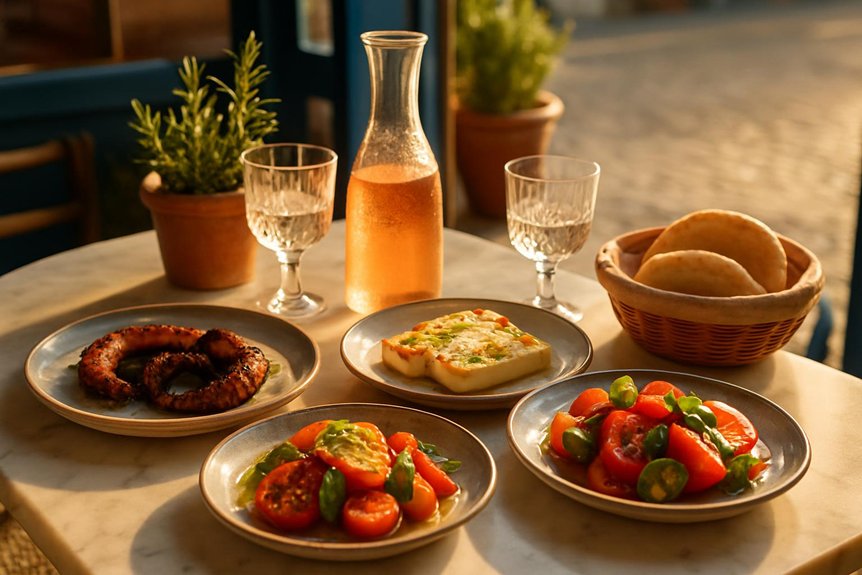
- Assyrtiko or Santorini blends deliver saline snap for octopus and courgette. Their linear finish sharpening each mouthful.
- A Provençal rosé, pale and dry, bridges grilled chicken and lemon potatoes. Its red-berry lift without weight.
- For cocktails: a bergamot spritz, thyme-laced gin sour, or watermelon highball. Each offers lift, suppressed sugar, and a palate-cleansing finale.
How to Make the Most of a Lively Lunch Near Oxford Street
Timing is key: arrive just before the noon rush for energy without queue fatigue, or later for a fuller buzz.
Seasonal plates—like spring asparagus, summer tomatoes, or autumn game—offer the brightest flavors and best value.
For ambience, bar perches suit solo or chatty lunches, banquettes temper noise for groups, and window seats balance people-watching with comfort.
Timing for Peak Buzz
When does Oxford Street’s lunch hour truly hum? Observers note the lunch timing tightens between late morning rush and early afternoon pause.
Peak hours reliably crest from 12:15 to 1:45, when retail staff breaks overlap with office schedules and visitors flood in from nearby galleries and shops. Those aiming for the liveliest ambience should target the first swell after noon; those seeking quicker seating should edge just before or after.
1) 11:45–12:10: Pre-peak glide. Lines are shorter, servers have bandwidth, and conversation builds without crowd pressure—ideal for a swift, energized stop.
2) 12:15–1:45: Peak hours. Expect higher table turnover, elevated noise, and brisk pacing; secure a booking or join a waitlist early.
3) 1:50–2:20: Post-peak exhale. Buzz lingers, service steadies, and tables flip at a manageable rhythm.
Seasonal Dishes to Try
Amid the midday bustle, seasonal plates near Oxford Street reward diners who order with the calendar in mind.
At Meraki, the kitchen’s shortlist shifts with seasonal food trends while staying anchored to local farm offerings. Early spring favors vivid salads with peas, lemon-dressed herbs, and sharp feta; late spring moves to grilled asparagus, soft eggs, and wild garlic oil.
Summer highlights chilled tomato crudo, courgette fritti with oregano honey, and charcoal-kissed octopus. Autumn leans into roasted squash, brown butter sage gnocchi, and mushrooms with thyme.
Winter brings citrus-cured fish, slow-braised lamb with rosemary, and quince-touched desserts.
Diners should scan daily chalkboard specials, ask for what’s just arrived from suppliers, and split two small plates plus one centerpiece to sample breadth without excess.
Best Seats and Ambience
Often the most satisfying lunches near Oxford Street come from choosing seats that balance buzz with comfort.
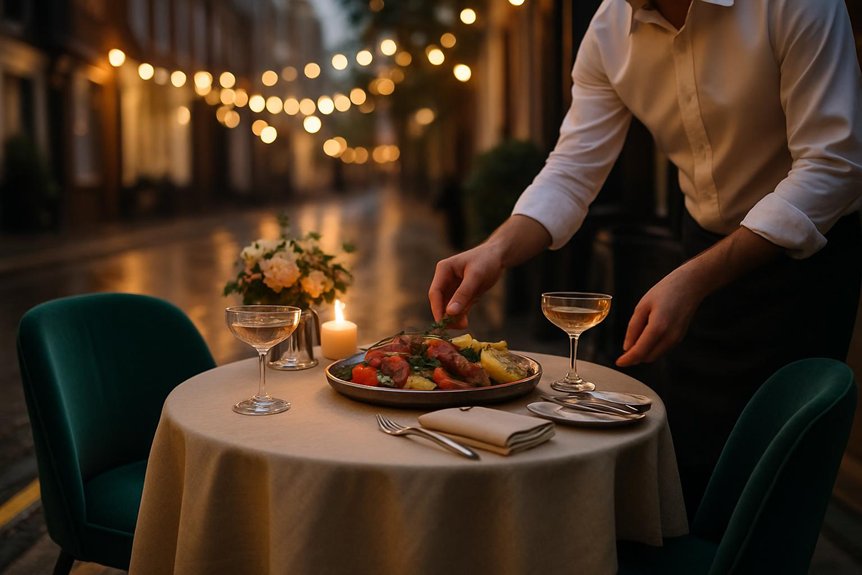
At Meraki, the room’s energy shifts by zone: Sunlit terraces suit daytime diners seeking brightness and people-watching, while snug corners dampen chatter and frame quiet conversations.
Tables near the open kitchen feel animated yet still refined, ideal for a quick, observant meal.
Music sits at a conversational level, and soft textures absorb clatter without muting the lively mood.
- Sunlit terraces: Best for solo diners, light-leaning orders, and brisk lunches; natural light flatters dishes and keeps pace lively.
- Snug corners: Prime for longer catch-ups and wine; acoustics favor low-voice dialogue.
- Counter or mid-floor tables: Great for seasonal plate sampling, staff interaction, and timely service cadence.
Conclusion
As the afternoon hum swells, Meraki’s sunlit room holds its breath. Plates clear; glasses catch the last gleam, yet the promise lingers—will the next sip be citrus-bright, the next bite smoky-sweet? Seasonal whispers hint at tomorrow’s menu, a fleeting chorus of market-fresh cravings. Diners glance toward the open kitchen, half-sated, half-curious, drawn by charcoal and chatter. Just north of Oxford Street, lunch doesn’t end—it hangs deliciously in the air, asking: what will they taste next?