
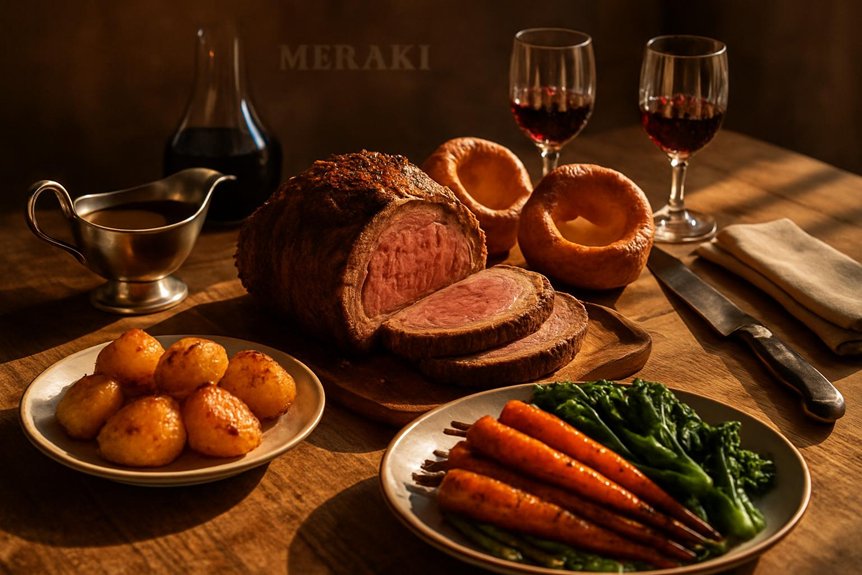
London’s Sunday roast crowd keeps returning to The Meraki Table for a reason. The technique is disciplined. The menu changes with the season. Dry‑aged beef, heritage poultry, and a quiet wild card set the tone. Potatoes arrive crisp-edged, Yorkshires tall and light, greens vivid. Service is attentive without fuss. The room is understated, almost secretive. There is a catch, though—one that shapes when to go, what to order, and how not to miss out.
Why The Meraki Table Is London’s Sunday Obsession
Although London is crowded with roast contenders, The Meraki Table has become the city’s Sunday fixation for its exacting craft and unshowy confidence. The appeal lies in disciplined technique, quiet hospitality, and a room calibrated for comfort rather than spectacle.
Diners note pacing that respects conversation, a measured soundtrack, and service that anticipates needs without hovering.
A concise dress code signals occasion without stuffiness; smart-casual fits the mood. The wine pairing approach is similarly restrained: European-leaning, temperature-precise, and geared to balance rather than overwhelm.
Seasonal sides are handled with equal rigor, and sauces arrive lucid and properly reduced. Reservations are honored to the minute, walk-ins are managed candidly, and the bill reads fair for the workmanship delivered—making repeat visits feel inevitable.
Guests can enjoy a vibrant atmosphere with dining and dancing experiences every Thursday, Friday, and Saturday at Meraki Restaurant.
The Roast Line-Up: Beef, Bird, and Seasonal Surprises
While the room resists theatrics, the plate does not: the Sunday roster moves with purpose from a deeply browned, dry-aged beef sirloin—rosy to the edge, capped with crisp fat—to a corn-fed bird with glassy skin and thyme-scented juices.
The beef speaks in mineral bass notes, carved thick and resting in its own lacquer; the bird answers with herbal lift and a whisper of smoke. Farmhouse charm frames the intent, yet a Modern twist sharpens the details: marrow-kissed drippings, juniper-brushed crusts, and precise resting times that keep fibers silk-silken.
Seasonal surprises rotate with the market—venison saddles in frost months, spring lamb with sweet, young fat, occasionally a cider-brined pork collar. Portions are generous, pacing judged, and the carving remains clean and calm.
The Mediterranean cuisine at Meraki is known for its vibrant flavors and seasonal ingredients, offering a refreshing twist to traditional roast offerings.
Sides That Steal the Show: Potatoes, Yorkshires, and Greens
The meats set the tone, but the supporting cast seals the memory: potatoes shatter at the edge and cloud within, lifted by goose fat and a lick of salt. Yorkshire puddings rise like bronzed sails, airy yet sturdy enough to catch the gravy. Greens arrive bright and assertive, offering bite against richness.
Precision matters: parboiled Maris Pipers roughed up, then roasted hard; batter rested cold, tins blistering hot; brassicas kissed by smoke or butter.
A new sentence with sustainable sourcing and the rest of the sentence.
- Crisp-factor: double-roast potatoes using steam-dry and shake methods, then finish with thyme and garlic.
- Lifted Yorkshires: long rest, high hydration, and sizzling fat; consider alternative toppings like horseradish cream or chive oil.
- Greens with intent: charred hispi, buttered kale, or lemony cavolo nero; simple cooking techniques preserve snap and hue.
Gravy, Drinks, and Desserts: The Finishing Touches
On comes the finale: gravy that binds, drinks that lift, and desserts that linger.
At the Meraki table, the gravy arrives glossy and deeply reduced, pulled from roasting juices with a disciplined hand—salt kept taut, acidity balanced, herbs restrained so the meat remains the lead.
A second jug may appear: lighter, pepper-forward, suited to poultry and greens.
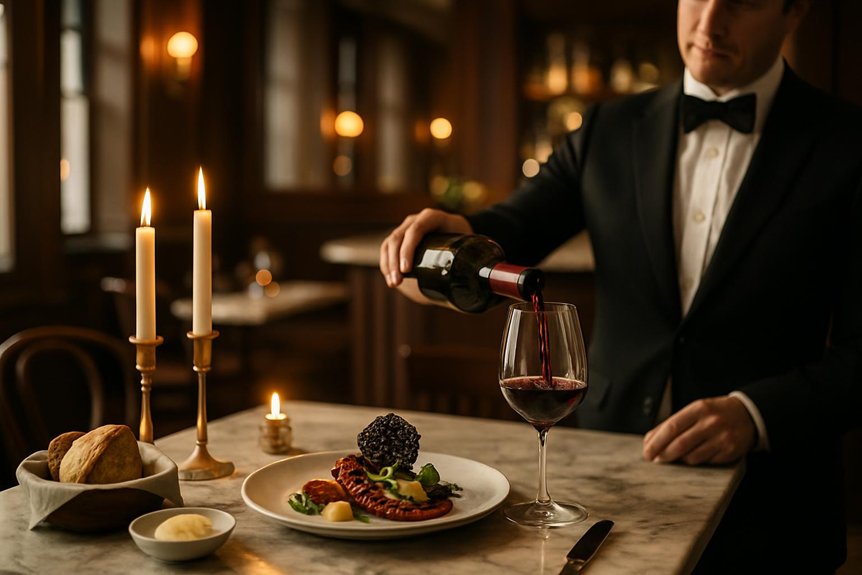
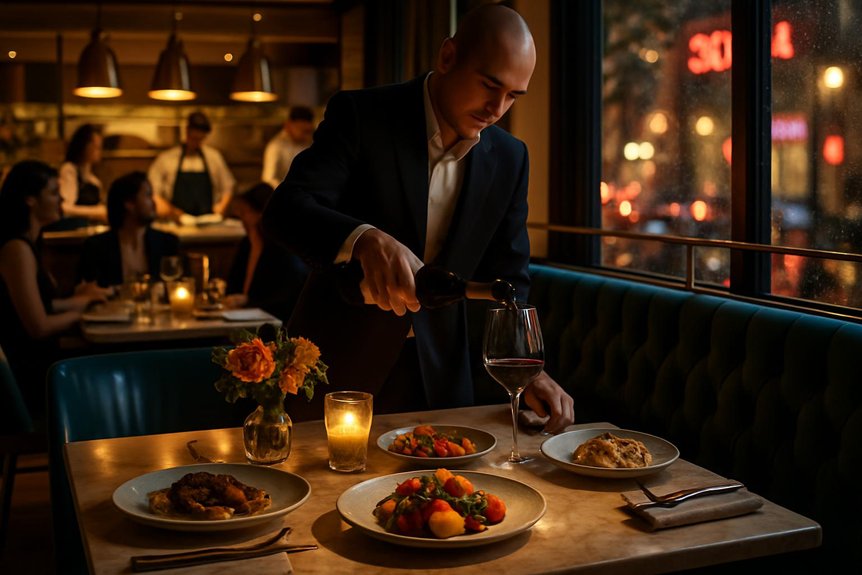
Drinks follow the cue. Wine pairings lean precise: a supple Pinot Noir for beef, structured Syrah for lamb, oaked Chardonnay for chicken, and a crisp Albariño alongside pescetarian plates.
Low-ABV spritzes cleanse without fatigue; a bitter-edged amaro readies the close.
Dessert options seal the memory: sticky toffee with burnt-sugar edge, lemon tart sharpened by crème fraîche, and a velvet chocolate pot with sea salt.
Atmosphere, Service, and What to Expect
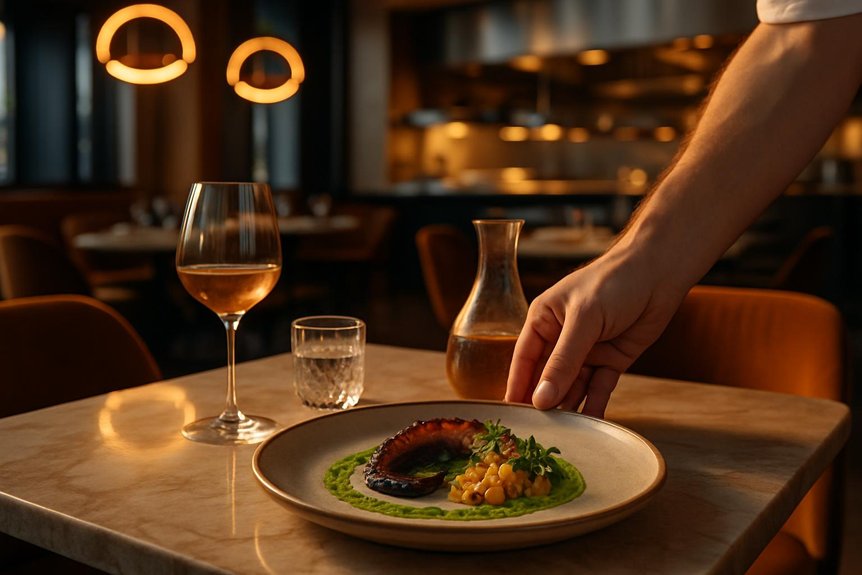
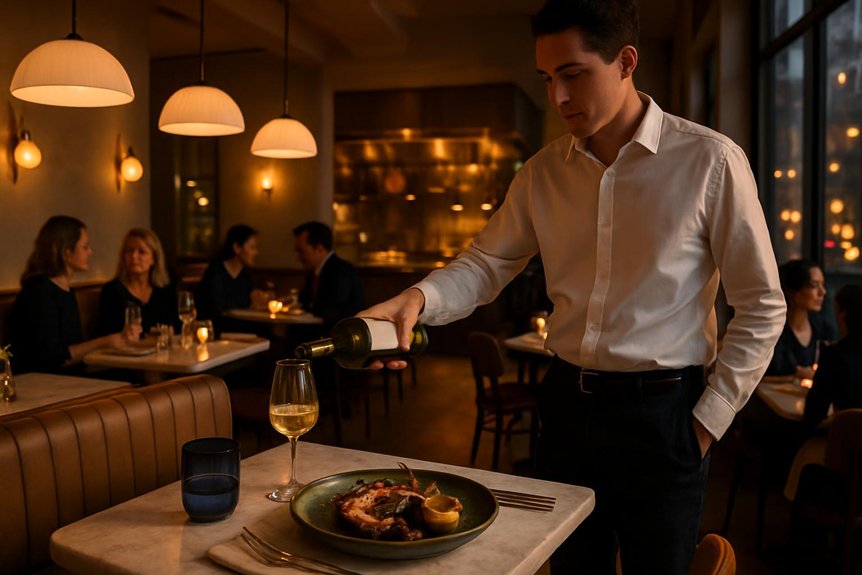
Beyond the plate, the atmosphere skews warm and unfussy: low amber light, a soft murmur of conversation, and tables spaced to keep chatter intimate without crowding.
Staff move with quiet efficiency, offering guidance without hovering. Menus arrive promptly, and pacing favors a leisurely roast while keeping courses aligned. Wine pairing suggestions are succinct and confident, calibrated to both classic cuts and vegetarian options.
Discreet hospitality: coats whisked away, waters refilled, and specials described with crisp timing.
Soundscape: clink of glassware and low vinyl, never competing with conversation.
Seating rhythm: couples tucked into alcoves; families set at broader banquettes.
Expect a roast-forward experience that still flexes: gluten-aware sides, thoughtful non-alcoholic pairings, and seasonal garnishes.
The tone is welcoming, convivial, and reliably consistent.
How to Book, When to Go, and What It Costs
Warm service is easier to enjoy with a plan: reservations are strongly advised, especially for noon to 2:30 p.m. sittings and roast-only Sundays. Online booking opens four weeks ahead; walk-ins are rare after midday. Groups should confirm dietary needs when reserving, including vegetarian options and children’s portions.
Peak demand runs from late September through December and on bank holiday weekends. Early birds at 11:30 a.m. find calmer rooms; late tables after 3 p.m. suit longer, quieter meals.
Weekday lunch offers a trimmed roast menu for those avoiding the rush.
Pricing is transparent: set roasts typically include trimmings, with supplements for larger cuts. Expect a surcharge for sharing platters and premium sauces. Thoughtful wine pairings are offered by the glass, carafe, or bottle.
Conclusion
In the end, The Meraki Table doesn’t just serve a roast; it honors a ritual. It prizes discipline, it celebrates seasonality, it rewards patience. Guests come for crisp potatoes, stay for silken gravy, return for quiet warmth. The room is intimate, the service attentive, the wine thoughtful. Book ahead, arrive hungry, leave content. What remains is simple: craft over chaos, comfort over clamor, refinement over fuss—Sunday, restored to its fullest, one perfect plate at a time.