
Weekday lunch in West End calls for a balance of speed and substance. Meraki answers with clear menus, quick counter flow, and sustainable packaging. Bowls, salads, and grilled proteins land fast without feeling rushed. Smart swaps keep it light or hearty as needed. Timing matters, and so does ordering strategy. For those maneuvering tight breaks, there’s a simple way to skip the wait and still get something worth sitting down for.
Where Fresh Meets Fast: Why Meraki Works for Weekdays
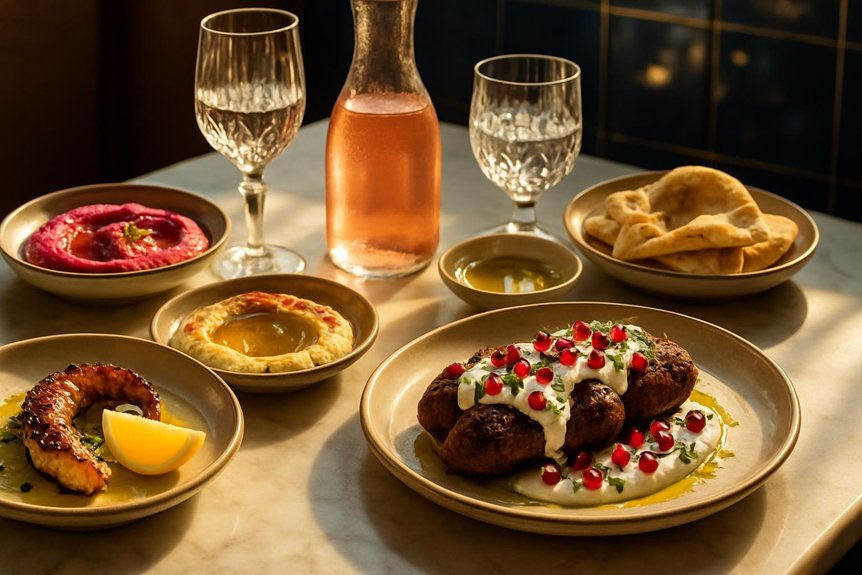
Why does Meraki fit the weekday rhythm so well? It meets tight schedules without compromising standards. Orders move quickly from counter to table, yet the kitchen keeps focus on local ingredients and sustainable practices. Commuters, office teams, and solo diners get reliable speed, predictable portions, and clean flavors that energize rather than weigh down the afternoon. The succulent lamb recommended by visitors and locals alike showcases Meraki’s commitment to quality and flavor. The layout streamlines decision-making: clear menus, transparent prep, and efficient pickup. Seasonal sourcing keeps the palate engaged across the week, while consistent pricing helps with routine budgeting. Packaging favors minimal waste, and the staff communicates wait times accurately, reducing uncertainty between meetings. Meraki’s calm, bright space supports brief breaks or focused catch-ups, and the service cadence—swift, courteous, unobtrusive—aligns neatly with the practical beats of a workday.
Bowls, Salads, and Grills: Pick Your Perfect Midday Match
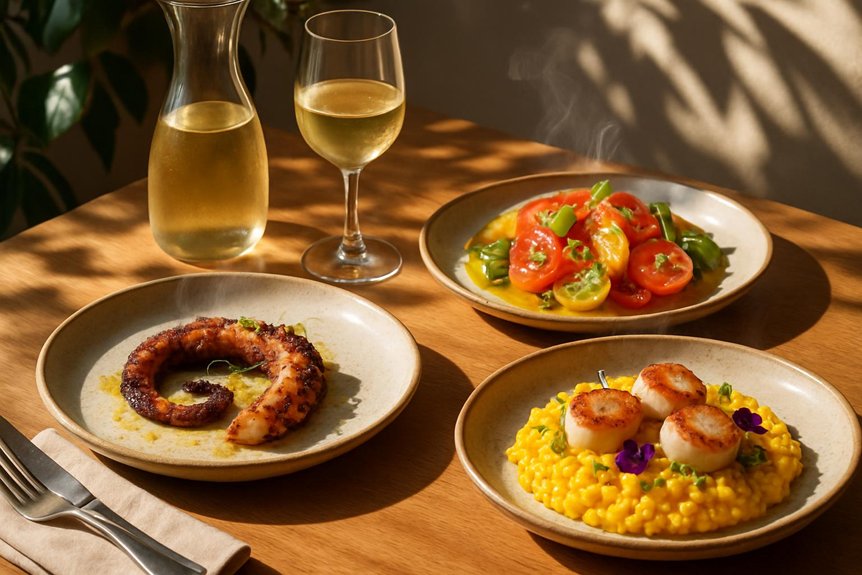
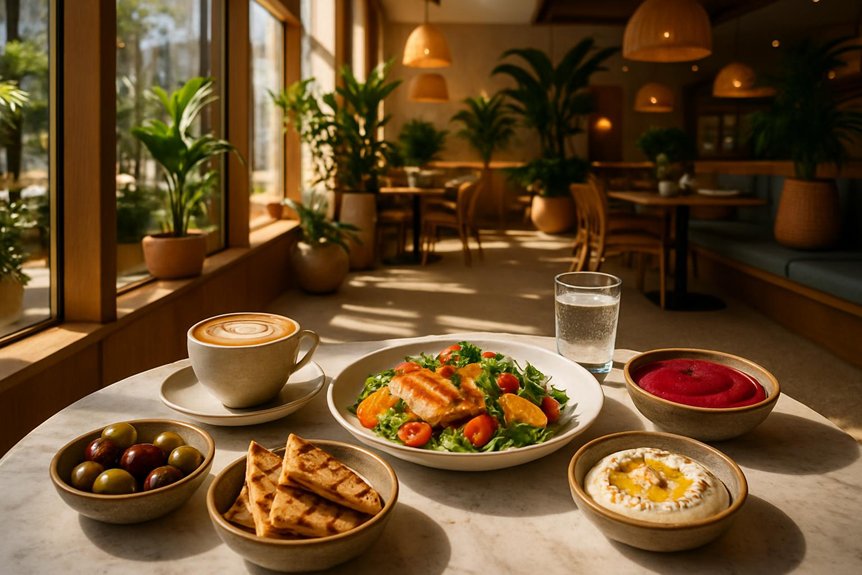
With the pace set, attention turns to what fuels that rhythm: a focused trio of formats—bowls, salads, and grills—that cover light, balanced, and protein-forward needs.
Bowls assemble grains, greens, and warm toppings into cohesive bites; they suit diners who want texture without heaviness.
Salads lean crisp and vivid, layered with herbs, citrus, and sharp dressings for a clean reset at noon.
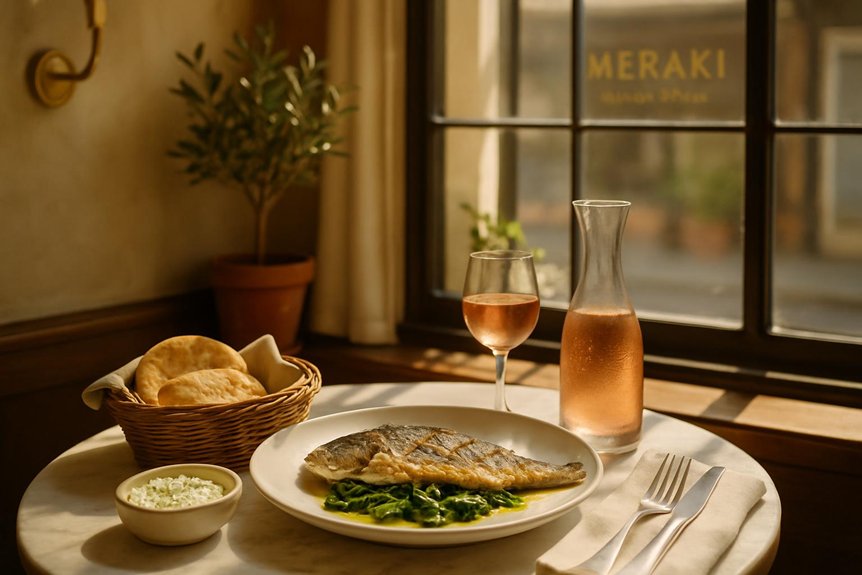
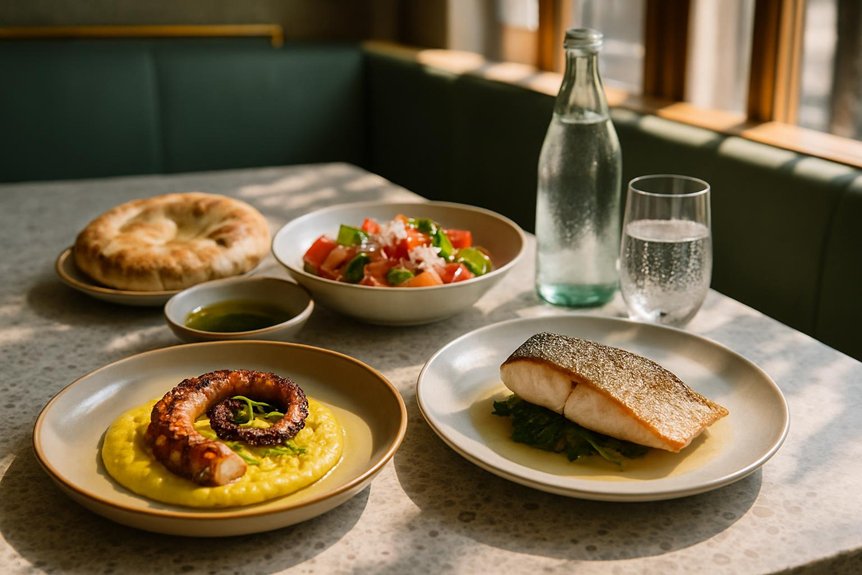
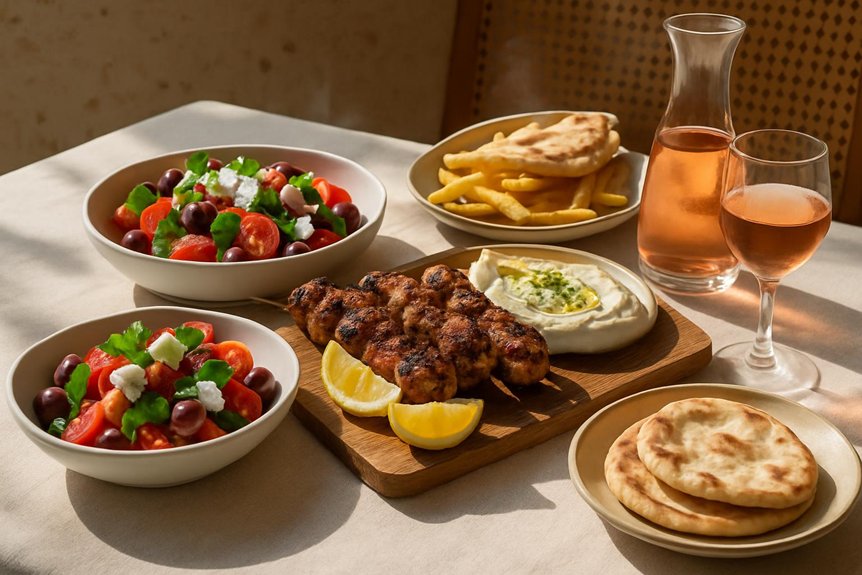
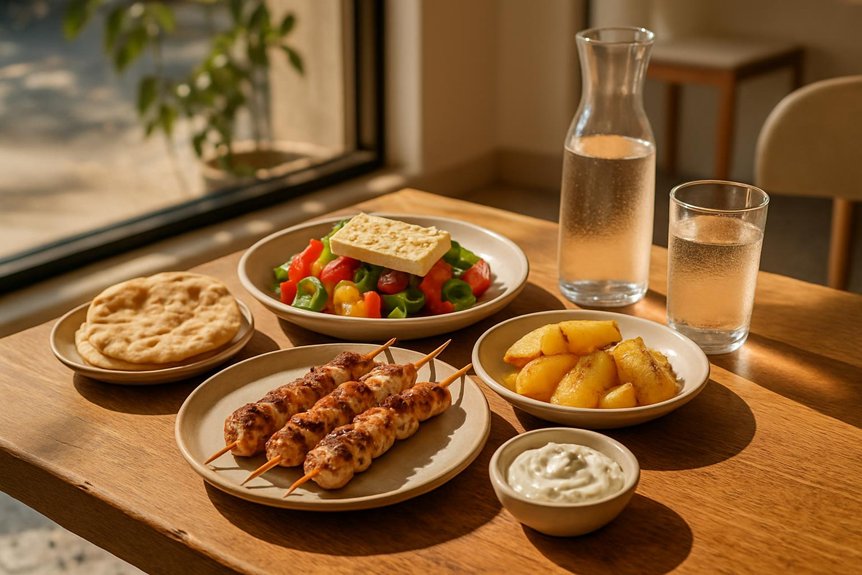
Grills deliver seared focus—chicken, halloumi, or fish—anchored by char and minimal garnish.
A curated blend of artistic influences enhances the dining atmosphere, making choices feel intuitive and purposeful.
Across the room, the dining atmosphere is unhurried yet purposeful, letting choices feel intuitive.
Portions stay smart, not sleepy.
Seasonal produce shapes rotations, while chef specialties signal confidence: a lemon-za’atar chicken bowl, a fennel-citrus salad, a smoky harissa grill.
Each format offers clarity, pace, and sustenance for a West End workday.
Quick Bites to Go: Efficient Ordering and Takeaway Tips
Even on a tight clock, efficient takeaway in the West End starts before stepping inside: scan menus online, note peak times, and choose items that travel well. Ordering ahead via apps or direct calls reduces queue time and clarifies pickup windows.
Clear, short instructions—no cutlery, extra napkins, dressing on the side—speed assembly and improve food presentation on arrival.
For hot items, request vented lids to prevent sogginess; for chilled items, ask for components packed separately. Verify order names and pickup shelves to avoid delays. Payment saved in-app accelerates handoff.
Packaging sustainability matters: select venues using compostable containers, minimal plastics, and recyclable bags. Carry a reusable tote for stability during transit.
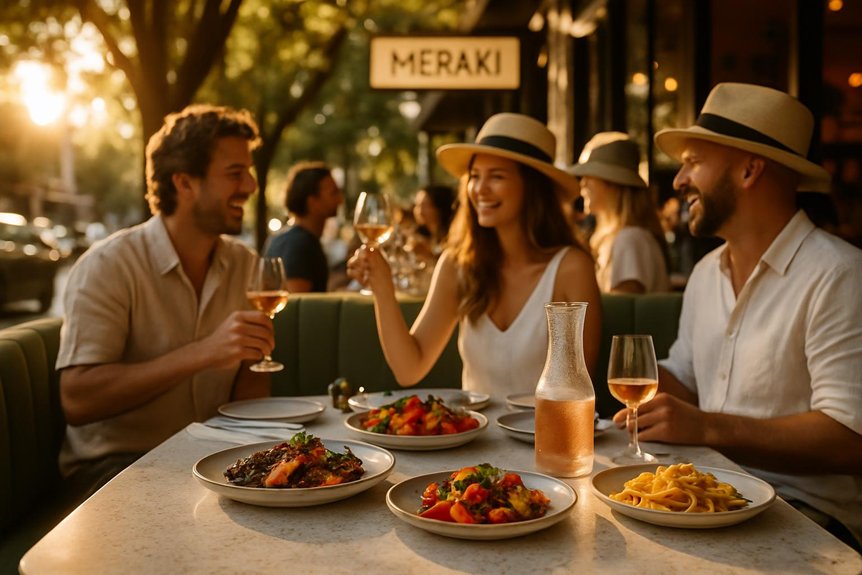
Finally, confirm condiments and receipts at the counter before leaving. For a vibrant dining experience with great vibes, consider visiting Meraki Restaurant on the weekends.
Eat Light or Indulge: Smart Swaps and Add-Ons
Although lunch can skew either virtuous or lavish, smart choices in West End cafés hinge on small, deliberate tweaks. Diners trade fries for herb-dressed greens, swap brioche for seeded sourdough, or request half portions without losing flavor.
Lean proteins—grilled fish, rotisserie chicken, marinated tofu—anchor bowls, while rich aioli becomes citrus yogurt or olive oil vinaigrette.
For indulgence, add-ons matter: truffle pecorino on flatbreads, confit mushrooms, or a spoon of romesco transforms simple plates. Extras like pickled vegetables, fresh herbs, and toasted seeds amplify texture without heaviness.
Many counters list dietary accommodations clearly—gluten-free buns, dairy-free cheeses, low-carb sides—streamlining decisions.
Drinks follow suit: unsweetened spritzers over sodas, or a small affogato as a measured dessert.
Sustainable packaging supports mindful choices beyond the plate.
Best Times to Visit: Beat the Rush and Savor the Moment
Smart choices matter, but timing shapes the experience just as much. In West End, the late-morning window, 11:15 to 11:45, offers a calm start before office crowds arrive. Seats are easier to secure, servers have time to guide choices, and the kitchen’s first batches are at peak freshness.
For a slower rhythm after the rush, 1:45 to 2:15 brings quieter rooms and unhurried conversation.
Those slots also invite cultural experiences: street musicians emerge, gallery doors open, and neighborhood markets hum without gridlock.
Diners gain health benefits, too—shorter waits reduce stress, steady blood sugar comes from eating earlier or later than the surge, and lingering promotes mindful eating.
Avoid 12:15 to 1:15 when lines swell; if necessary, book ahead and request outdoor seating.
Conclusion
In the West End, lunch apparently demands a stopwatch and a spreadsheet—unless it’s Meraki. Here, efficiency pretends to be indulgence: bowls, salads, and grilled proteins arrive quickly, yet taste suspiciously like someone cared. Smart swaps do the heavy lifting; sustainable packaging whispers virtue. Arrive at 11:23 or 1:52, because spontaneity is overrated. Order ahead to savor the luxury of not waiting. He leaves satisfied, of course—because nothing says leisure like perfectly scheduled deliciousness.