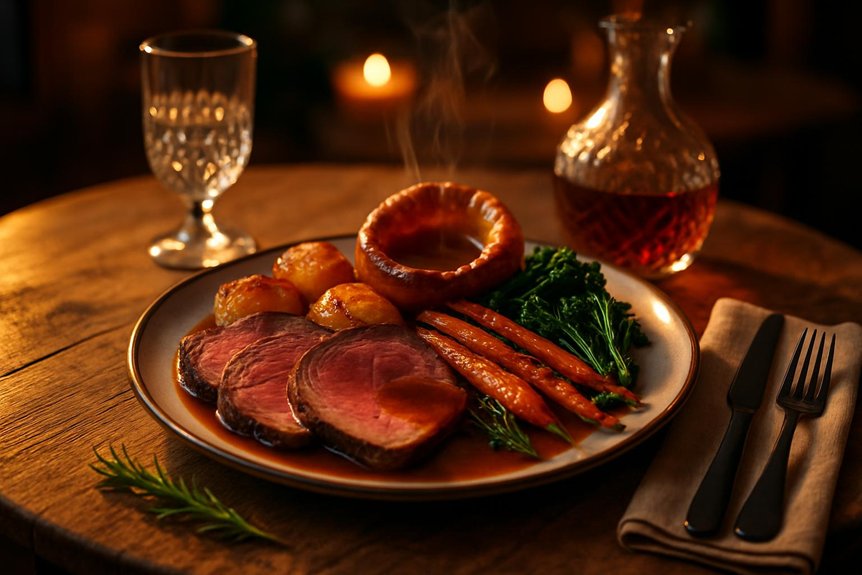

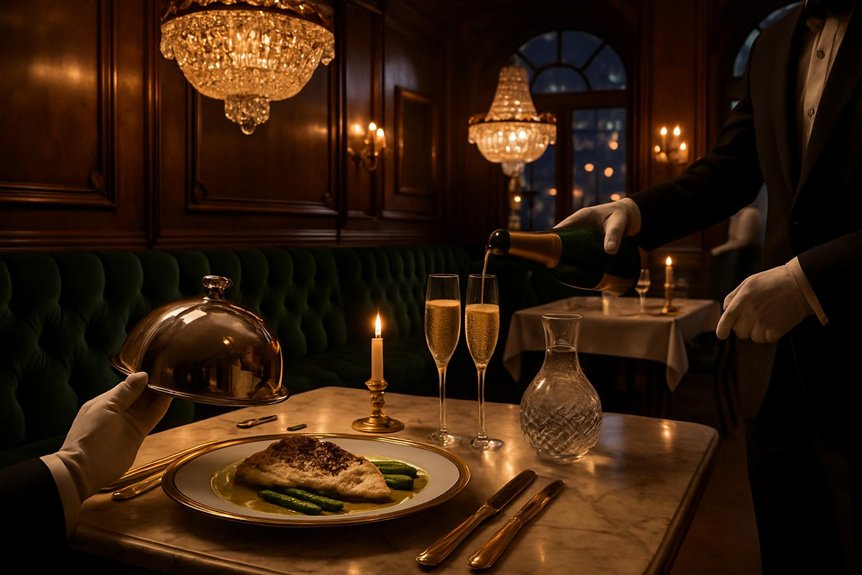
London’s most rarified dining rooms balance heritage with modern polish. Menus shift with the seasons, treating British produce with quiet precision. Service is discreet, yet intuitive. Wine programs run deep, guided by practiced sommeliers. Rooms glow with sculptural light, soft textures, and artful restraint. From Michelin stalwarts to sky-high salons and townhouse hideaways, each setting frames a different expression of luxury. The question is which address best matches a mood, a moment, and a measure of taste.
Michelin-Starred Icons of Refinement
Though London’s dining scene evolves constantly, a handful of Michelin-starred institutions continue to define its pinnacle of refinement. These dining rooms prioritize disciplined craft, service choreography, and culinary innovation that respects provenance. Menus evolve with the seasons, revealing quiet confidence rather than spectacle.
Chefs distill bold ideas into exacting techniques, yielding gourmet presentations that balance color, texture, and restrained luxury. Wine pairings are curated with scholarly rigor, supporting flavor arcs without overshadowing the plate. Interiors—minimalist or heritage-rich—frame the ritual with measured elegance.
Reservations demand foresight, yet the experience remains unhurried, attentive, and precise. From finely tuned tasting menus to à la carte signatures, each course communicates intention. The result is an urbane benchmark: cuisine that rewards focus, memory, and return visits.
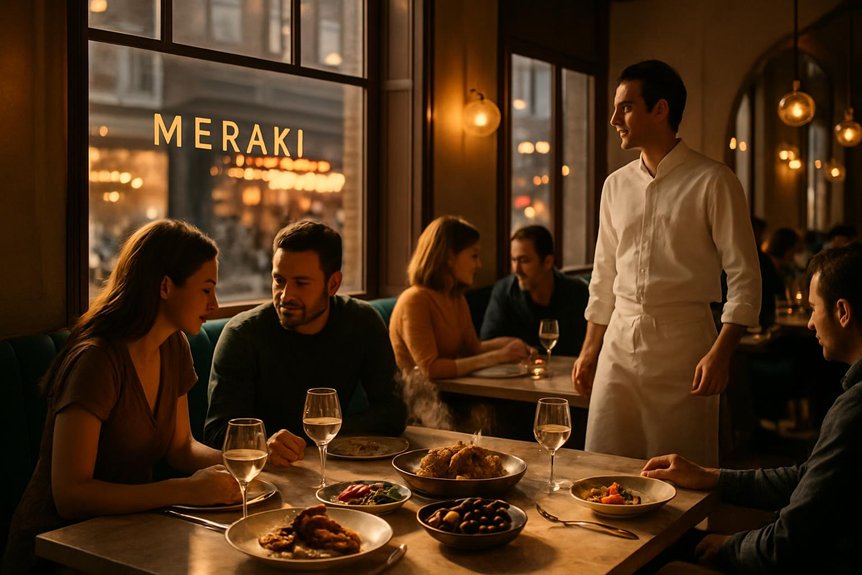
For those seeking a blend of relaxed dining with a touch of luxury, Meraki Luxury Restaurant offers a refined experience inspired by Mykonos and Greek cuisine.
Sky-High Dining With Panoramic Views
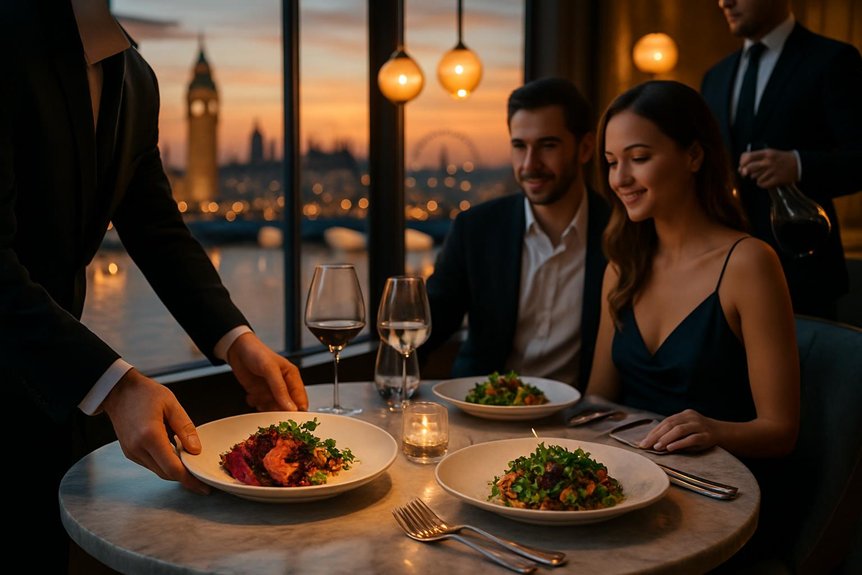
From iconic rooftop venues overlooking the Thames, the city’s skyline becomes part of the experience.
Sunset tasting menus synchronize seasonal courses with shifting colors over glass and steel.
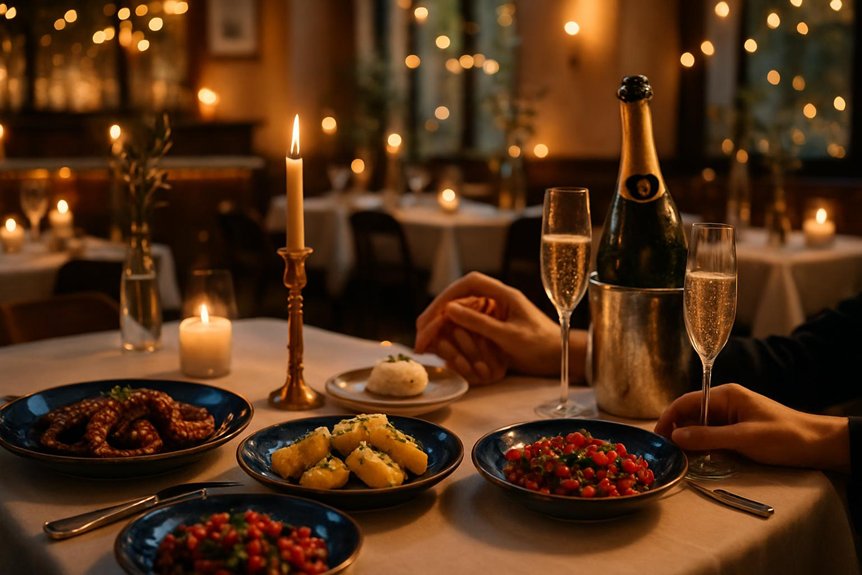
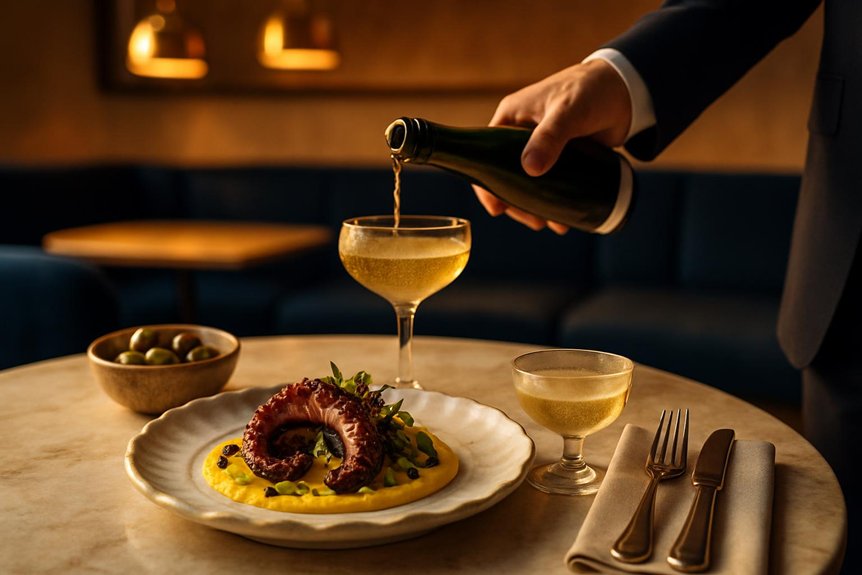
Flutes of Champagne punctuate the panorama, pairing sparkle with sweeping views.
For those seeking a taste of Greece, Suzi Tros offers a culinary adventure inspired by Northern Greek cuisine, perfect for a vibrant lunch date.
Iconic Rooftop Venues
A constellation of rooftop restaurants elevates London’s fine dining scene, pairing accomplished kitchens with sweeping skyline vistas. These iconic venues marry culinary rigor with architectural spectacle, drawing patrons for precision-cooked tasting plates, polished service, and meticulous wine lists.
Glass-clad dining rooms flow onto outdoor terraces, where seasonal cocktails balance brightness and texture, echoing the kitchens’ ingredient-led focus. Design is purposeful: wind-sheltered perches, sculptural bars, and discrete lighting ensure comfort without diluting the drama of the view.
Menus lean toward contemporary European technique with global accents, emphasizing day-boat seafood, grass-fed meats, and peak-produce garnishes. Sommeliers curate verticals alongside boutique growers, while bartenders layer bitters and house infusions to complement altitude and weather. Meraki Bar, a hidden gem beneath a modern Greek restaurant, offers an intimate and stylish experience with its unique design and eclectic menu.
Reservations are essential, dress codes are enforced, and table placement—corner banquettes or rail-side stools—defines the experience.
Sunset Tasting Menus
As the sun drops behind London’s skyline, chefs time multi-course sequences to the shifting light, aligning crisp aperitif bites with golden hour and richer plates with twilight.
Menus pivot from citrus-cured dayboat fish to slow-braised mains, each course plated to mirror the sky’s gradient.
Panoramic dining rooms frame the Thames and landmarks, their tables set with luxury floral arrangements that echo the season and soften urban lines.
Service choreography prioritizes pacing: interludes arrive as the horizon deepens, while pre-desserts reset the palate before nightfall.
Guests often consult discreet guides on sunset photography techniques, capturing silhouettes without disrupting neighboring tables.
Thoughtful lighting avoids glare on glass, preserving color fidelity in both vista and cuisine, and ensuring each course lands at its visual peak.
Champagne and Skyline Views
Why does Champagne taste different at altitude? Subtle pressure changes and drier air can soften acidity, heighten aromatics, and emphasize finer bubbles—effects that make high-rise terraces compelling.
From glass-walled lounges to cantilevered dining rooms, London’s sky-high venues frame the City skyline like a stage set, inviting celebratory pours and quiet contemplation.
Menus pair prestige cuvées with oysters, caviar, and precise canapés to anchor the palate. Sommeliers suggest grower bottles and late-disgorged releases, while bars complement the effervescence with vintage cocktails tuned for altitude: lighter sugar, brighter citrus, restrained dilution.
Panoramic views extend from St Paul’s to The Shard, amplifying spectacle without overshadowing service. Sunset to after-dark, illuminated landmarks mirror the flute’s rising bead—a seamless union of craft, setting, and occasion.
Townhouse Restaurants With Intimate Allure
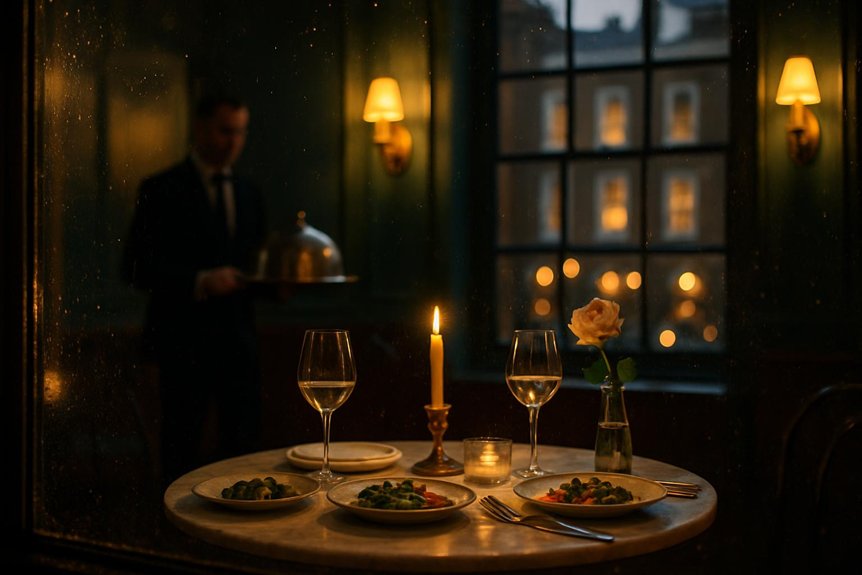
In London’s historic townhouses, dining rooms glow with period charm and restrained luxury.
Chef-led tasting menus unfold with precision, often tailored to the season and the setting.
Discreet, attentive service sustains an intimate pace, turning a meal into a quiet study in refinement.
Historic Townhouse Settings
A hush settles behind Georgian facades where townhouse restaurants turn history into theater. Within tall sash windows and marble fireplaces, guests read the city through plaster cornices and parquet floors. These rooms honor historic architecture while quietly advancing heritage preservation, balancing restorations with discreet modern comforts.
Dining unfolds across drawing rooms, studies, and garden-level salons, each space calibrated for privacy and softened conversation.
Service moves with house-like ease: coats vanish into paneled vestibules, aperitifs appear beside a mantel, and candlelight draws attention to period detail. Seasonal flowers, muted textiles, and restrained art allow the bones to speak.
Courtyards and mews views extend the intimacy beyond the threshold. In these settings, luxury is measured not by spectacle, but by proportion, patina, and time.
Chef-Led Tasting Menus
How does intimacy sharpen when a chef authors the evening course by course? In London’s townhouse restaurants, tasting menus become a narrative, paced with precision and seasonal intent.
The chef curates each chapter, aligning Farm to Table sourcing with meticulous technique, so diners trace provenance across a measured arc of flavors.
Contemporary Fusion threads through these menus, not as spectacle, but as disciplined dialogue—British shellfish meeting yuzu, heritage beet lifted by miso, game tempered with fermented notes.
Courses are calibrated for contrast and crescendo: a delicate opener, a mineral middle, a roast or braise that anchors, then a clean, resonant finale.
Beverage pairings follow the same arc, framing textures and temperatures.
The result is a focused, intimate journey, authored in real time by its originator.
Discreet, Intimate Service
Though the rooms are hushed, service signals carry clearly: a door eased open at the right moment, a napkin reset between courses, a glass refreshed without a word.
In London’s townhouse restaurants, staff move like stagehands, invisible yet precise, orchestrating comfort without intrusion.
Hosts guide guests to private booths screened by velvet or wood, shielding conversation while keeping sightlines to the room’s glow. Menus arrive quietly; questions are answered in low tones, with personalized service calibrated to each table’s pace.
Coat checks reappear before guests stand, taxis are summoned before dessert ends, and chefs’ signatures reach the table exactly warm.
Lighting, acoustics, and spacing are tuned to promote calm. Attention lands where needed, then recedes, ensuring luxury is felt rather than announced.
Seasonal British Produce Elevated to Art
While seasons turn across the British Isles, London’s most exacting kitchens translate their rhythms into dishes of restrained elegance. Spring’s first asparagus meets cultured butter and elderflower; summer’s Isle of Wight tomatoes are balanced with smoked eel and lemon verbena.
Autumn brings Girolles and cobnuts folded into silken sauces; winter favors native scallops, roasted game, and brassicas sharpened by pickled sea herbs. Seasonal flavorings are calibrated, not crowded, allowing provenance to lead.
This quiet confidence draws on British culinary heritage while embracing exacting technique: dry-aged Herdwick lamb is paired with mint oil distilled in-house; Wye Valley rhubarb is poached with heather honey and finished with clotted-cream custard.
Precision sourcing, minimal intervention, and immaculate plating convert market finds into enduring, urbane statements.
Chef’s Tables and Immersive Tasting Journeys
Even beyond the dining room’s polish, London’s chef’s tables distill the city’s culinary ambition into a front‑row narrative.
Here, guests witness choreography: knives whisper, sauces reduce to a gloss, and courses land with clockwork grace. The experience feels intimate yet exacting, revealing technique and intent in real time.
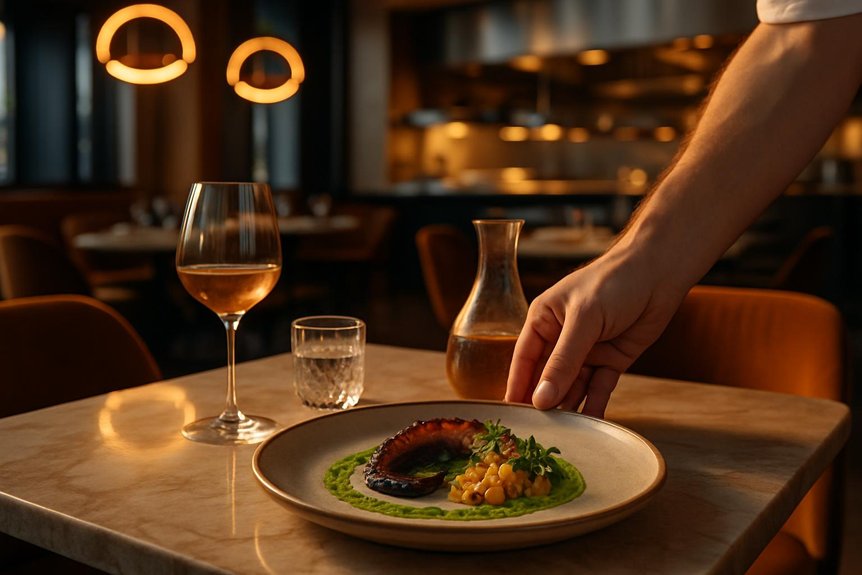
Menus often chart a journey from farm to table, spotlighting heritage breeds, day‑boat fish, and vegetables pulled from nearby soils. Chefs build momentum through textures and temperatures, weaving smoke, pickling, and slow aging with flashes of molecular gastronomy—spherified coastal herbs, feather‑light foams, or liquid‑nitrogen chilled fruits.
Pacing is deliberate; storytelling is spare and sensory. Seats are limited, dialogue brief but revealing, and every course tightens the focus on provenance, craft, and calibrated surprise.
Wine Cellars and Sommelier-Led Pairings
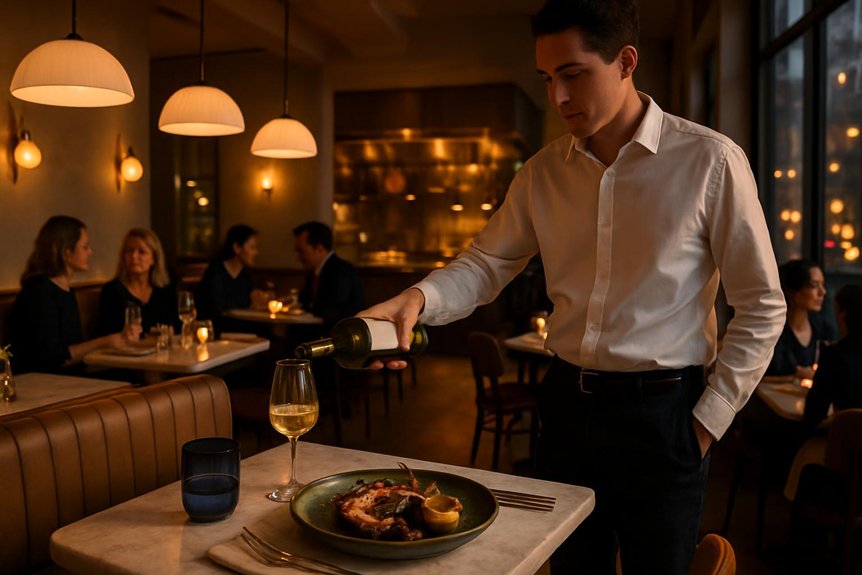
A deep cellar often underpins London’s most luxurious dining rooms, where temperature‑steady vaults guard verticals of Bordeaux, grower Champagne, rare Jura, and cult New World bottlings.
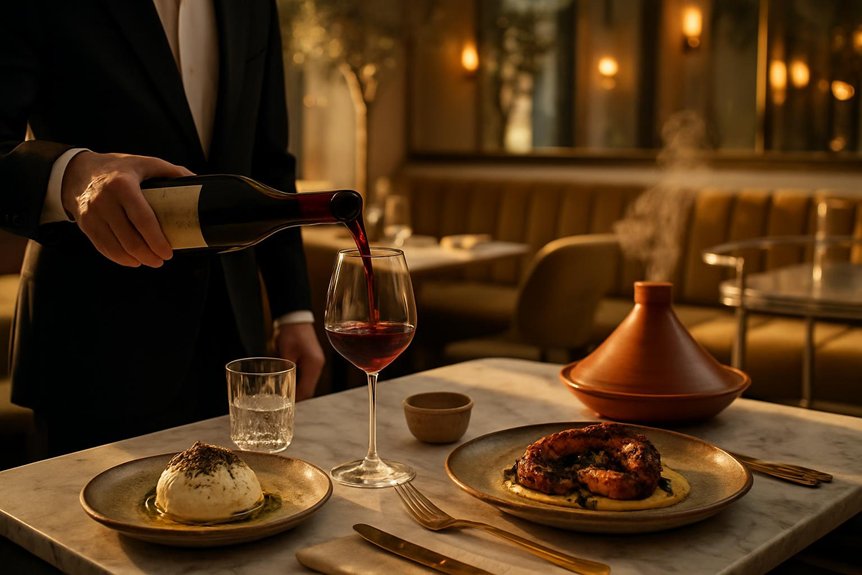
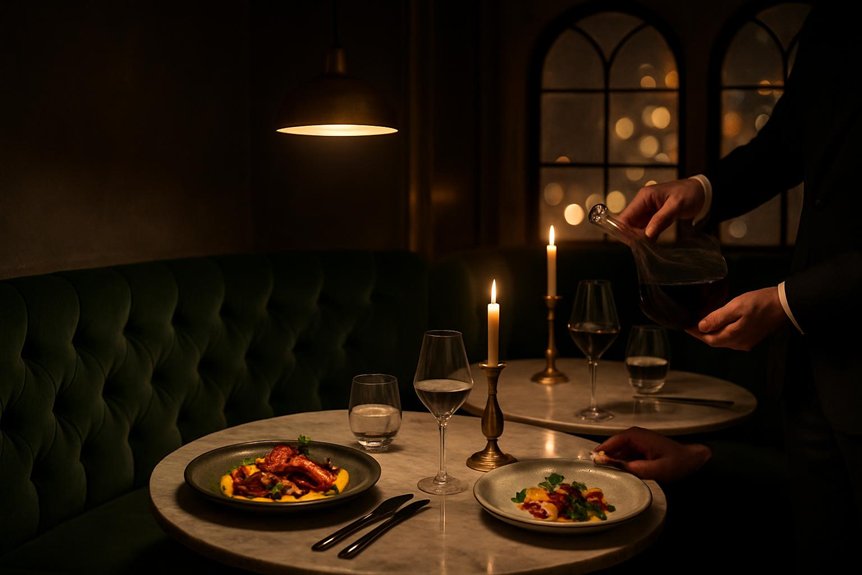
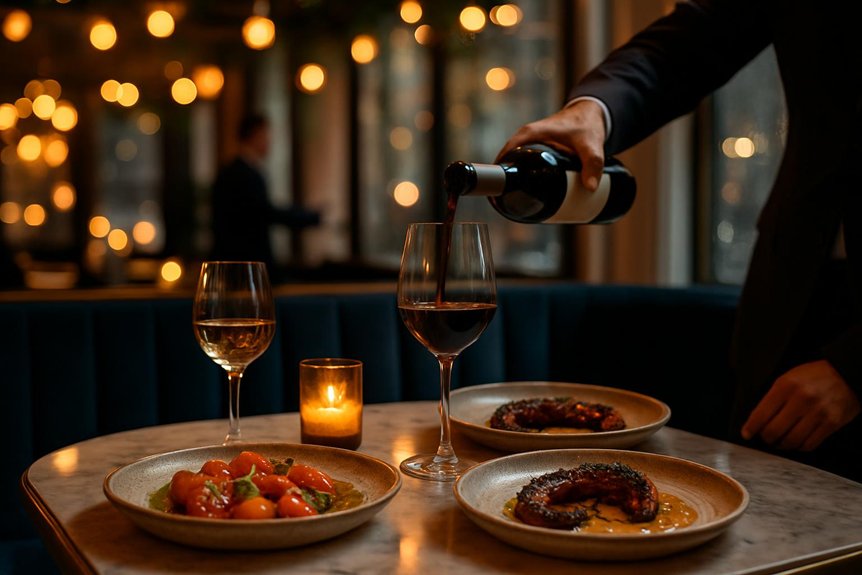
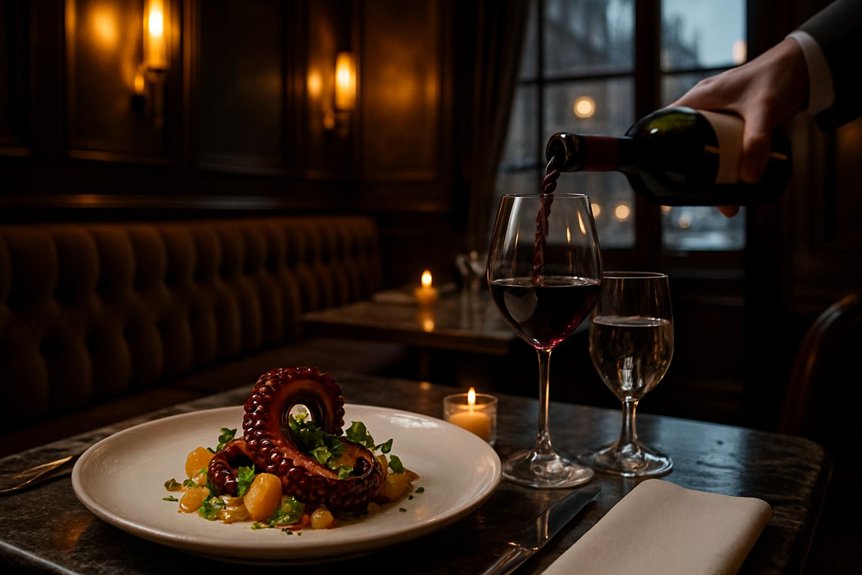
Here, sommeliers choreograph pairings with quiet exactitude, reading acidity, texture, and umami to elevate complex courses. They decant with restraint, present vintage corks as discreet provenance, and calibrate pours to the arc of the menu, from saline aperitifs to contemplative digestifs.
Access is often personal and instructive: a brief wine masterclass before service, a flight comparing lieux-dits, or a blind pour that spotlights structure over label.
The finest programs value sustainability—cellar rotation, careful storage, and minimal waste—while maintaining depth and rarity.
The result is precision-led hospitality where the glass serves the plate, never eclipsing it.
Opulent Interiors and Design-Forward Spaces
Precision in the glass finds its counterpart in rooms conceived as total works of art. In London’s finest dining rooms, design-forward spaces frame culinary performance with architectural intent.
Marble, lacquer, and hand-finished woods meet sculptural lighting, creating a calm hierarchy of sightlines from entrance to table. Acoustics are tuned for conversation; textiles soften edges without dulling energy.
Opulent interiors avoid pastiche, instead layering heritage details—cornicing, parquet, patinaed mirrors—with contemporary restraint. Color palettes are deliberate: deep oxbloods and forest greens for intimacy, pale stone and brass for luminosity.
Seating geometry privileges comfort and posture, while generous spacing preserves privacy. Art programs are curated, not decorative, giving rooms narrative coherence.
Every surface speaks to craft, ensuring atmosphere enhances, rather than distracts from, the plate.
Celebratory Destinations for Special Occasions
When milestones call for ceremony, certain London dining rooms rise to the moment with poise and theatre. Champagne trolleys, polished service, and tailored menus frame proposals, anniversaries, and milestone birthdays with polished aplomb. Festive decorations are curated rather than crowded, ensuring photographs look timeless and the atmosphere remains refined.
Many venues offer private dining rooms, allowing hosts to control ambience, music, and pacing while preserving the spectacle.
- Bespoke tasting menus align with dietary requests, pairing courses with rare vintages for seamless celebration arcs.
- Signature dessert presentations—tableside flambés or sculptural pâtisserie—deliver dramatic finales fit for toasts.
- Dedicated event concierges coordinate flowers, live musicians, and keepsake menus, reducing planning friction.
- Flexible seating plans accommodate intimate gatherings or large parties without compromising sightlines, acoustics, or service tempo.
Hidden Gems Offering Discreet Indulgence
Beyond grand rooms built for applause, discretion has its own allure in London’s luxury scene. Behind unmarked doors and hushed stairwells, a quieter opulence prevails, designed for those who value privacy over spectacle. These hidden speakeasies pair rare spirits with artful canapés, offering low-lit corners where conversation and craftsmanship take precedence.
Underground culinary escapes expand the palette with chef-led counters, omakase nooks, and intimate tasting salons that limit covers to preserve calm. Service is intuitive, menus precise, and provenance meticulous.
Expect caviar warmed by beurre monté, sashimi cut to a whisper, truffles shaved at table without ceremony. Wine lists skew to small allocations and late releases.
Reservations are discreetly managed, and departures feel unannounced—luxury expressed not loudly, but with measured restraint.
Conclusion
As if by quiet design, the city’s finest tables seem to converge at the moment appetite meets wonder. A skyline glints just as a flute is poured; a sommelier appears precisely when curiosity stirs. Plates mirror seasons, interiors echo memory, and in the hush between courses, chance feels orchestrated. Whether in a townhouse salon or sky-high perch, London’s luxury dining becomes the place where refinement and serendipity meet—briefly, perfectly—before dissolving into an unforgettable aftertaste.