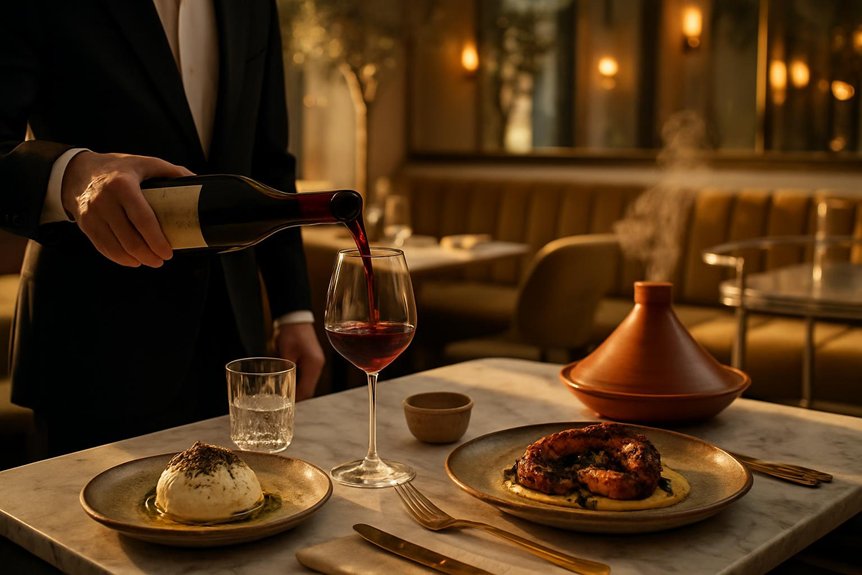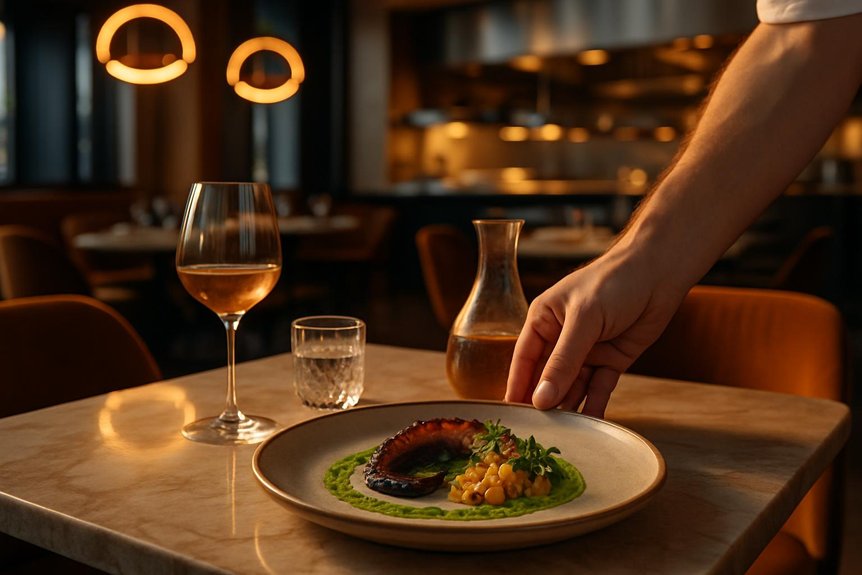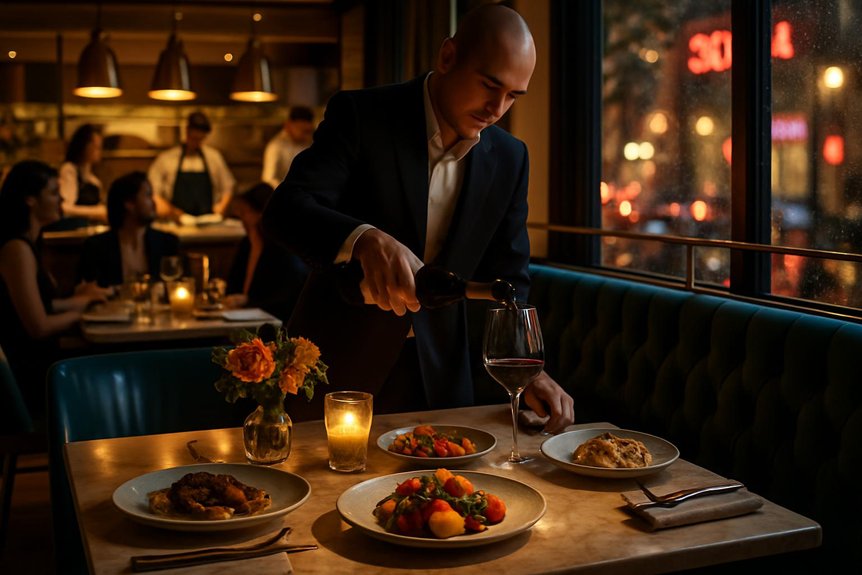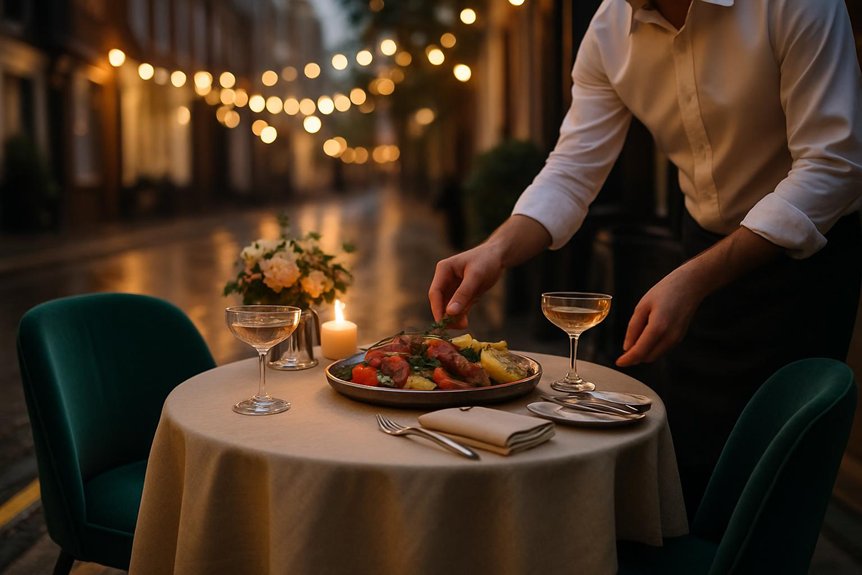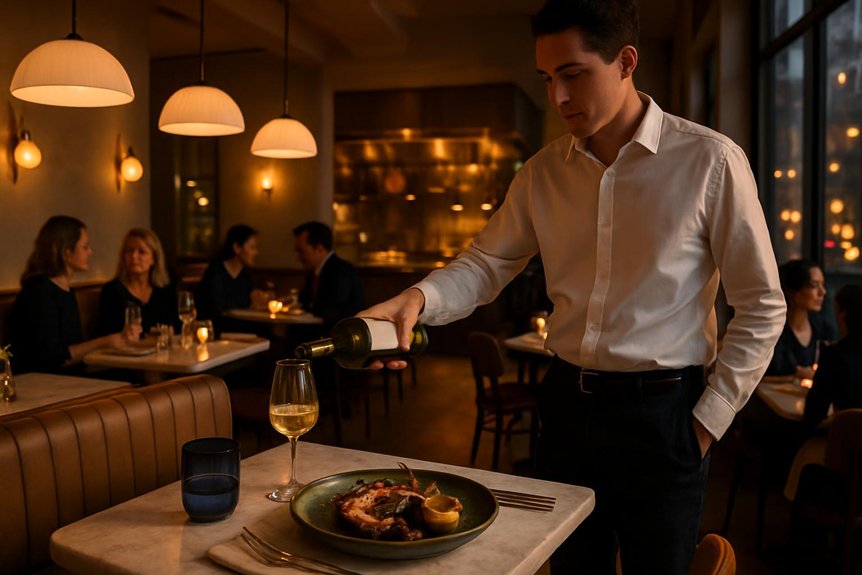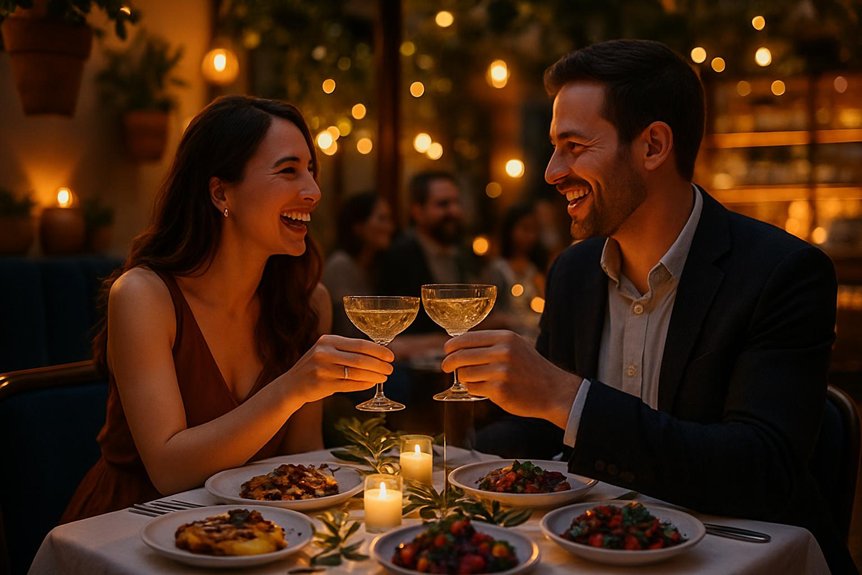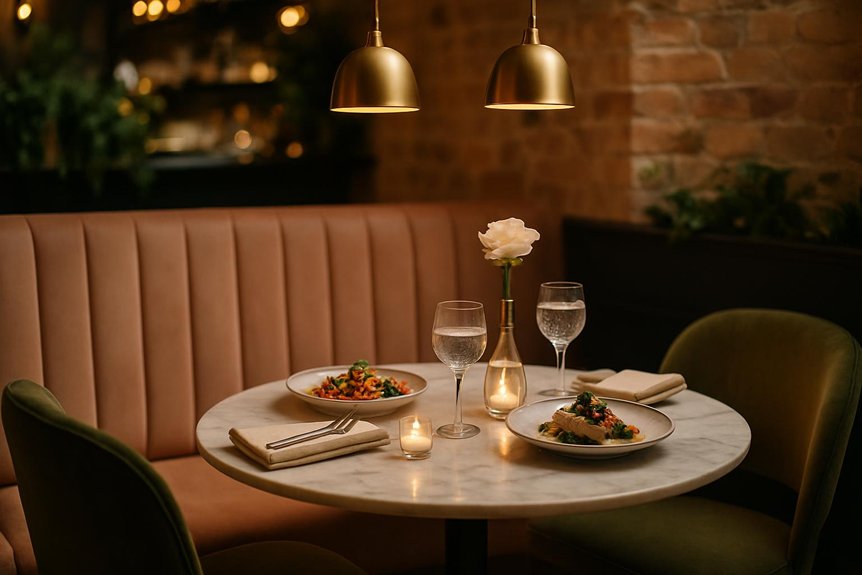

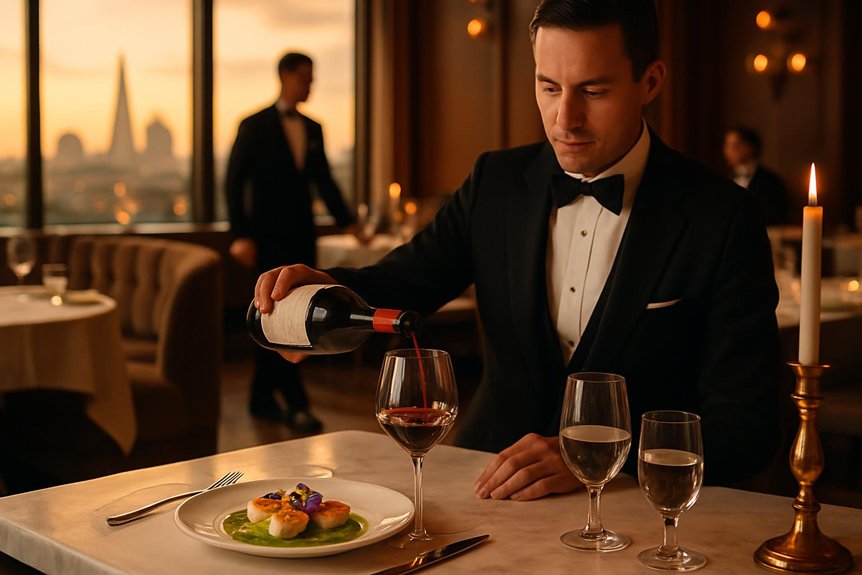
London’s top tables reward planning and a steady palate. Stars still matter, but so do hidden counters where chefs set the pace. The room, the cart, the glass—each detail signals intention. Securing a seat takes timing, tactics, and an eye on cancellations. Order well, pair smarter, and mind the etiquette. Mayfair whispers; Shoreditch hums. The difference shows on the plate and in the check—yet that is only the start.
The Michelin Map: Where Stars Still Shine
How does London continue to command global attention for fine dining? The Michelin map answers with a constellation spanning Mayfair, Shoreditch, and Notting Hill, where kitchens show technical discipline and a sharpened sense of place. Tasting menus advance seasonal clarity, often leaning Farm to table without rustic posturing, while precise wine pairings move beyond trophy bottles to highlight terroir and balance.
Legacy institutions refine classical sauces beside contemporary rooms that prize texture and restraint. Meraki recognized for its exceptional roast beef paired with Yorkshire puddings exemplifies how traditional British dishes are elevated with modern flair. Seafood counters and modern grill rooms deliver exacting sourcing, rigorous timing, and confident fire control. Desserts echo the savory arc—less sugar, more structure.
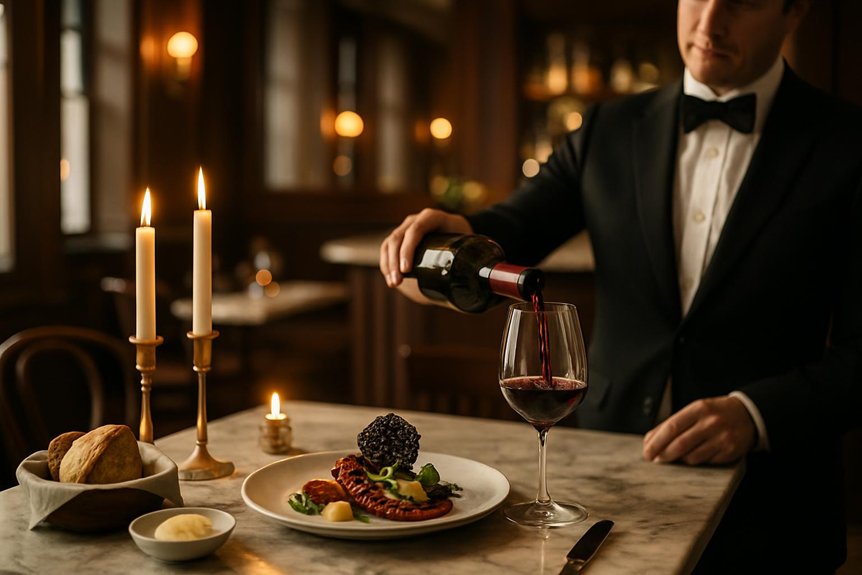
Service remains unobtrusive yet anticipatory, guiding pace and pairings. Across these rooms, consistency anchors creativity, and the city’s stars prove longevity can still feel new.
Hidden Counters and Chef’s Tables Worth the Chase
Securing elusive omakase seats and discreet chef’s counters can open the city’s most focused tasting experiences.
From menu tweaks to off-menu bites, close chef interaction often yields perks that the main dining room never sees.
Practical booking tactics—waitlists, late releases, weekday slots, and punctual refresh checks—significantly raise the odds.
For those seeking a relaxed dining experience, restaurants inspired by cultures like Greek cuisine offer an exceptional blend of flavors and ambiance.
Elusive Omakase Seats
While London’s dining scene sprawls with marquee reservations, the city’s most coveted seats are often hidden behind sliding doors and unlisted counters. Omakase counters limit access to a handful of places each night, with waitlists that open briefly and disappear faster than a release drop. Allocation typically favors regulars, credit-card holds, and punctual confirmations. The draw is precision and momentum: courses land in rapid succession, calibrated to the temperature of rice, the snap of shellfish, and the fragrance of freshly grated wasabi. Menus pivot around seasonal ingredients, with off menu surprises inserted when the catch merits it. Securing a perch demands homework—monitoring newsletters, following reservation platforms, and embracing late cancellations. For those patient enough, the experience rewards focused, unbroken dining. In addition to the elusive omakase, London offers exclusive tasting menus at high-end restaurants like Meraki, where seasonal ingredients and innovative culinary techniques create a memorable gastronomic journey.
Chef Interaction Perks
At the city’s hidden counters and chef’s tables, proximity translates into access: cooks plate courses inches away, narrate sourcing in real time, and tailor bites to a guest’s pace and preferences. The vantage point reveals technique, spontaneity, and the micro-adjustments that rarely reach the dining room.
Sommeliers often hover nearby, steering wine pairings to match off-menu improvisations or unusual aging experiments. Questions are encouraged; brief chef interviews between courses surface the logic behind a preserve, a ferment, or a rare cut.
Portions can shift, sauces get reworked, and garnishes appear as live demonstrations, turning a meal into a focused masterclass. Photographs feel secondary; the draw is direct calibration—texture, temperature, timing—guided by the team’s read of the counter and the guest’s palate.
Booking Hacks and Timing
That kind of calibration from the pass is only possible if a seat is secured in, and for London’s hidden counters that means learning their rhythms.
Demand spikes 28 and 14 days out, when allocations refresh; cancellations surface at 9 a.m., noon, and 5 p.m. Waitlists move fastest midweek, especially Tuesdays and late Sundays after 8:30 p.m.
Chef’s tables tied to tasting menus open briefly after last seating is set; refresh the booking page at :58 past the hour.
Sign up for newsletters; some release codes before public drops.
Call after lunch service when reservationists have bandwidth.
Accept partial parties—adding one at the door often works.
Track Michelin stars but target rising rooms pre-list announcement.
Finally, follow sommeliers; wine dinners unlock otherwise closed seats.
Splurge-Worthy Dining Rooms and What Sets Them Apart
Beyond mere sustenance, London’s most splurge-worthy dining rooms deliver theater, precision, and provenance in equal measure. What distinguishes them begins with luxury interiors: acoustically tuned rooms, sightline-perfect seating, and tactile materials that soften light and emphasize plate color.
Service choreography follows—teams move silently, courses land at identical angles, and temperatures hold across the table. Provenance is narrated without sermonizing; menus map producers, aging times, and harvest dates.
Best-in-class wine cellars underpin the experience, pairing rarities with unexpected by-the-glass pours via Coravin and pristine stemware programs.
Kitchens showcase technical clarity—stocks bright, sauces lucid, pastry exacting—while pacing maintains momentum without rush. Art and scent are curated, not performative.
The result is composure: a room where detail accumulates into calm, and indulgence feels inevitable, not ostentatious.
Reservation Playbook: Timing, Cancellations, and Insider Moves
Securing a table at London’s top restaurants hinges on knowing prime booking windows, typically when monthly calendars open and again at midday refreshes.
Smart diners monitor waitlists and pounce on last‑minute cancellations, especially 24–48 hours before service.
A few insider moves—flexible party size, off-peak slots, and polite calls to the host—often tip the odds.
Prime Booking Windows
When do London’s most coveted tables reliably open up? At most Michelin-starred rooms, prime slots release at midnight 30 or 60 days out; a few open at 9 a.m. local time on the same cycle.
Friday and Saturday 7–9 p.m. vanish first, while Sunday lunch and early-week dinners linger longer.
Public holidays and major events compress availability, whereas late summer offers marginally easier access.
For culturally significant dates—Ramadan evenings, Diwali, Lunar New Year—demand spikes in venues reflecting those cultural traditions.
Guests requiring dietary accommodations gain leverage by booking earlier windows, since kitchens plan bespoke menus in advance.
Smaller parties secure more peak-time options than groups.
Time-zone tactics help: set alerts the day before in US time.
Finally, chef’s counters post inventory slightly earlier than dining rooms.
Waitlist and Cancellations
Although prime slots vanish quickly, the waitlist is a reliable second path—if used with intent. Observers note that London’s top rooms favor guests who engage in clear reservation rituals: concise communication, flexible timing, and prompt replies.
Listing multiple acceptable dates and party sizes widens the net. Notifications often drop midday or late afternoon; responsiveness wins the seat.
- Join the official waitlist online and by phone, then reconfirm politely during off-peak hours to stay visible.
- Offer a time window (e.g., 6–9 p.m.) and accept counter seating; flexibility accelerates movement.
- Share a local number and monitor alerts; respond within minutes.
Effective cancellation strategies matter, too. Cancel early to avoid penalties, rebook immediately if plans shift, and monitor last-minute releases after storms, rail strikes, or major events.
What to Order: Signature Dishes and Smart Pairings
Even in a city teeming with marquee menus, the smartest orders focus on a restaurant’s defining plates and the pairings that elevate them. The savviest diners scan menus for dishes that built a chef’s reputation: a signature seafood course, a heritage breed roast, or a precision vegetable plate.
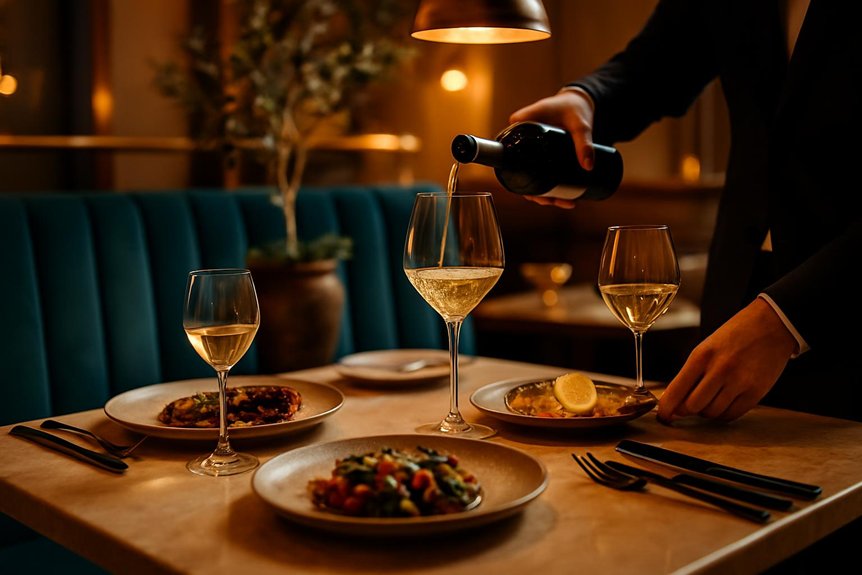
They then align Wine pairings to accentuate texture and provenance—aged Champagne with raw shellfish, Jura with creamy sauces, Barolo for game, or cool-climate Pinot for duck.
Seasonal specials are often the purest expression of a kitchen’s technique; ordering one alongside a core classic reveals range.
Balance matters: a rich main benefits from a citrusy starter and a bright, mineral wine.
Dessert selections should echo or contrast earlier flavors—salted caramel after smoke, citrus tart after cream.
Service, Dress Codes, and Etiquette That Matter
Despite the city’s breadth of styles, London’s top rooms share a few unspoken rules: service is polished yet discreet, dress skews smart (jacket or sharp knit, leather shoes; elegant separates for women), and punctuality is expected. Formal attire signals respect for the room; trainers and loud logos risk a frosty welcome.
Hosts appreciate concise requests; allergies and tasting-menu preferences should be flagged in advance. Tipping etiquette is straightforward: where a 12.5% service charge is added, extra is optional; without it, 12–15% suffices.
- Arrive five minutes early; latecomers may lose courses or the table.
- Speak softly; phones stay silent and off the table; photography should be unobtrusive.
- Trust the brigade: let servers pace the meal; query, don’t correct, and send issues privately.
Neighborhood Flavor: From Mayfair Majesty to East-End Edge
Polish and protocol set the tone; place does the rest. In Mayfair, dining rooms whisper with old money: marble foyers, tuxedoed service, and cellar lists that read like private collections.
Chefs lean classical, plating precision with restrained flair; trolley theatrics finish with artisanal desserts flamed or carved tableside, paired with local wine from English vineyards to soften the hauteur.
A few stops east, Shoreditch and Hackney push contrast. Brick-and-neon rooms thrum, playlists replace hushed carpets, and tasting menus riff on global larder and zero-waste craft.
Natural-leaning local wine flights sit beside ferments and small-batch spirits. Desserts experiment—koji caramels, miso ganache—still unmistakably artisanal.
Knightsbridge keeps couture gloss; Soho favors late-night spontaneity. In London, postcode dictates mood, not standards.
Conclusion
In the end, London’s haute dining rewards diligence and discernment. The guide’s tactics—early alerts, waitlist agility, and strategic walk-ins—matter when tables disappear in minutes; one reservation platform reports peak hot-ticket releases vanish in under 120 seconds. From Mayfair’s lacquered calm to Shoreditch’s charged counters, success hinges on timing, etiquette, and informed ordering. With seasonal menus, precise pairings, and design-led rooms, diners who prepare briefly dine memorably, turning scarcity into serendipity across the city’s brightest culinary stages.