
London’s luxury dining scene blends Michelin-starred precision, storied hotel grandeur, and modern British innovation. Seasonal produce drives menus, while sommeliers curate pairings that heighten every course. Some rooms offer skyline drama; others whisper old-world ritual. Reservations are strategic, dress codes matter, and the chef’s counter can change the night. From caviar to aged beef, choices carry weight. The question is not where to go, but how to plan the perfect sequence.
Michelin-Starred Icons Worth the Splurge
Although London’s dining scene is vast, a handful of Michelin-starred addresses stand apart for precision, artistry, and service that justifies the price. These rooms favor disciplined menus, immaculate sourcing, and choreography that keeps the focus on quietly flawless plates. Signature dishes arrive with architecture, not theatrics, and sauces are measured to the milliliter.
Value resides in rigor: bread programs that change with seasons, seafood landed at dawn, and desserts that conclude rather than overwhelm. Local wine pairings underline British terroir, moving from chalky sparkling to Hampshire stills with intelligence rather than novelty.
Exclusive chef collaborations surface periodically, bringing singular ingredients and techniques without diluting identity. Reservations demand foresight, but the payoff is rare consistency—luxury defined by restraint, timing, and exacting hospitality.
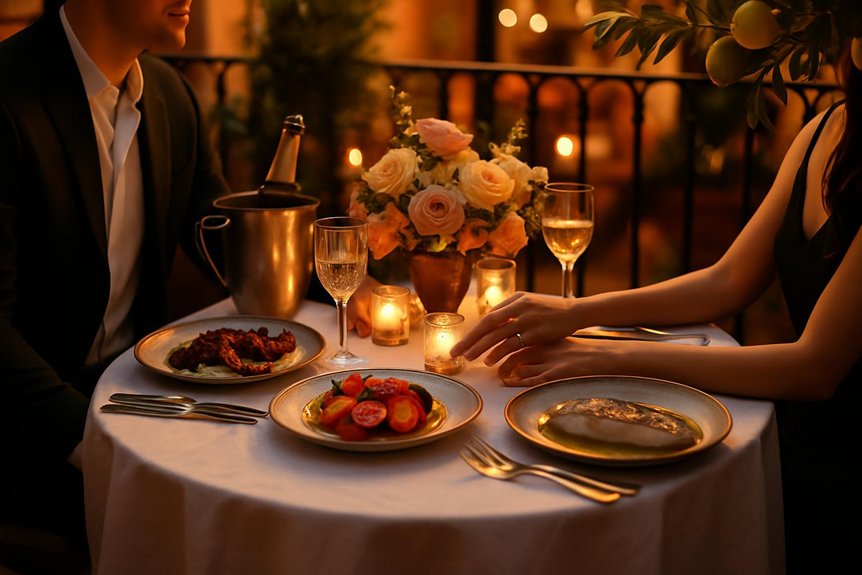
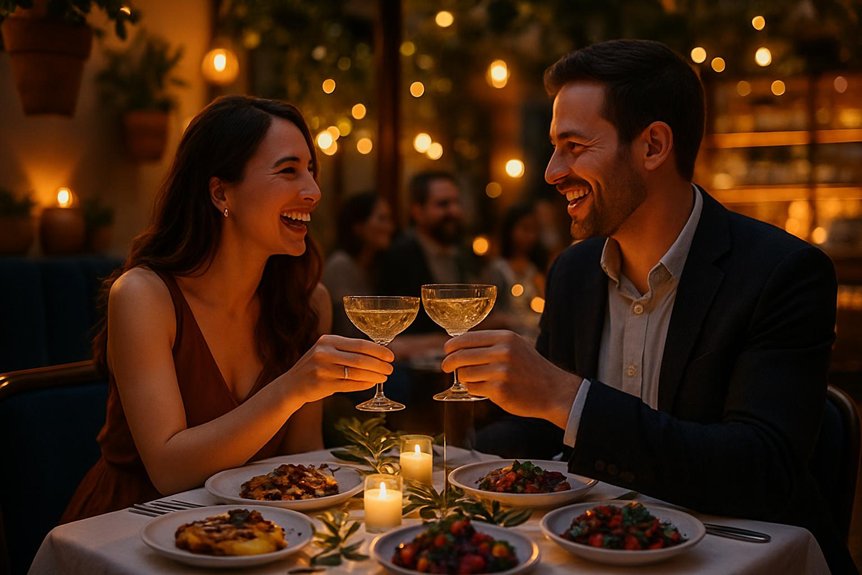
For those seeking romantic settings, Meraki offers a blend of intimacy and elegance, enhancing the luxury dining experience in London.
Chef’s Counters and Tasting Menu Temples
Restraint at the city’s starriest addresses finds an intimate counterpoint at chef’s counters and tasting menu temples, where proximity sharpens precision. Here, the choreography is visible: knives whisper, sauces tighten, and courses land with calibrated rhythm.
Chef’s counters compress the distance between idea and plate, prioritizing dialogue, temperature fidelity, and timing.
Tasting menus here serve as narratives rather than samplers, moving from saline brightness to slow, umami depth, often tracing a chef’s memories or seasonal obsessions. Seating is sparse, pacing deliberate, and service calibrated to anticipate rather than interrupt.
Sommeliers align micro-pours with micro-shifts in texture. Guests commit to surrender: fewer choices, greater focus. The reward is nuance—fine-boned stocks, exacting ferments, and final bites that resolve like a coda rather than a finale.
Adding to London’s vibrant culinary scene is Meraki, a premier cocktail bar in Fitzrovia known for its innovative mixology and Mediterranean-inspired dishes, offering a memorable experience through its exquisite cocktails and exceptional atmosphere.
Sky-High Dining With Unforgettable Views
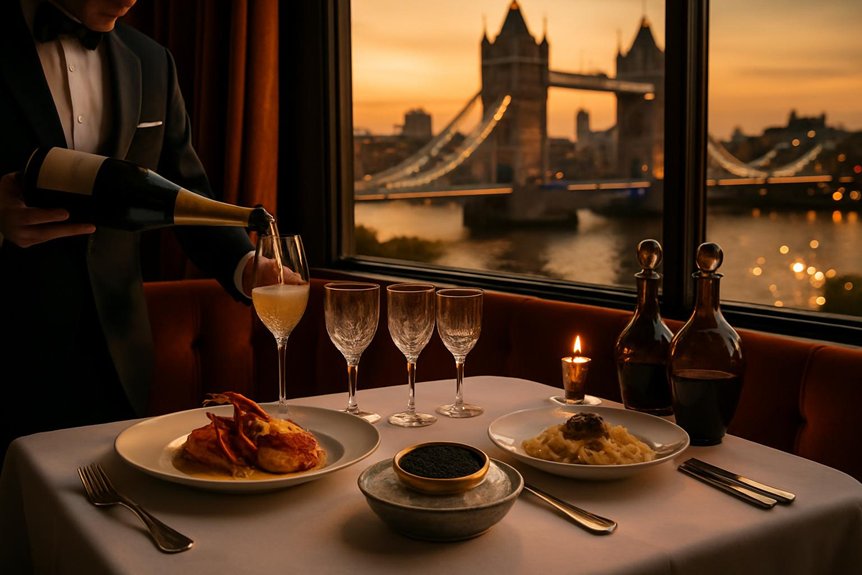
Even before the first bite, altitude recalibrates appetite: horizons widen, traffic shrinks to ticker tape, and plates must earn their place against the city’s glittering sprawl.
In London’s highest rooms, chefs choreograph flavor for clarity under neon skies—crisp shells, bright acids, sleek sauces that hold focus as landmarks glow below.
Windows curve like observatory lenses; service moves with cockpit precision. Menus lean into delicacy—raw scallop with citrus, charcoal-kissed lamb, soufflés that rise like the Shard at dusk.
Skyline cocktails balance drama and restraint: saline martinis, champagne sharpened with bergamot, smoke that mirrors night haze.
Rooftop gardens contribute herbs and pollen-kissed garnishes, keeping luxury anchored to place. Reservations are strategic; sunsets are currency; the city becomes both audience and stage.
Guests at events such as those featuring Victoria Hislop are often treated to a blend of culinary and literary experiences, enhancing the allure of London’s dining scene.
Heritage Hotels and Grand Dining Rooms
If rooftops trade in spectacle, heritage hotels trade in ceremony. In London’s luxury heritage addresses, the ritual begins at the door: a doorman’s nod, polished brass, and hushed carpets that lead to grand dining rooms where time seems measured by silver cloches and crystal stemware.
Service proceeds with quiet choreography, menus favoring classic sauces, precise carving, and luxurious seasonal produce. These storied rooms—trimmed in mahogany, mirrored panels, and soft lamplight—stage tasting menus alongside à la carte staples: native oysters, game, soufflés that rise like promises.
Wine lists are deep, with old-world verticals and authoritative pairings. Jackets may be suggested, conversation subdued, but comfort is paramount. Here, continuity matters; culinary craft meets ritual, offering a cultivated counterpoint to trend-driven thrills.
Modern British Innovators Redefining the Scene
A new wave of London chefs is pushing Modern British cuisine through seasonal, hyper‑local sourcing that changes with the week’s catch and crop.
Their artful tasting menus frame familiar ingredients with sculptural presentation and precise, pared‑back technique.
Sustainability sits at the core, from zero‑waste practices to regenerative farms and low‑impact cellars.
Seasonal, Hyper-Local Menus
Though London’s dining scene spans every cuisine, a new vanguard is defined by chefs who cook strictly to the rhythms of British soil and sea.
Their menus pivot on seasonal ingredients and hyper local sourcing, privileging proximity over spectacle. Morning harvests from Kent, day-boat catch from Cornwall, and heritage breeds from small Cotswolds farms arrive in tight, perishable windows, shaping dishes that change as quickly as the weather.
This approach prizes character and restraint: brassicas roasted to sweetness, raw shellfish brightened with coastal herbs, and puddings built from orchard fruit at peak.
Provenance is listed with precision, but the cooking stays unfussy to let texture and minerality show. Diners encounter British terroir translated through technique, where freshness becomes the quiet marker of luxury.
Artful Tasting Experiences
From that fidelity to season and provenance emerges a new kind of ceremony: tasting menus that treat British ingredients as narrative chapters rather than mere components. In these artful tasting experiences, chefs compose sequences with the precision of editors, tightening arcs from saline opening bites to quietly resonant finales. Classic produce—Isle of Mull scallop, Yorkshire grouse, Wye Valley asparagus—appears reframed through modern techniques that highlight texture contrasts and calibrated acidity.
Pacing becomes part of the narrative: concise courses, disciplined portions, and intermezzi that reset the palate without theatrics. Culinary artistry here privileges nuance—stocks reduced to lucid essences, butters perfumed with coastal herbs, ferments used as punctuation rather than headline.
Service mirrors the kitchen’s restraint, offering context succinctly so the ingredients, and the evolving storyline, hold the focus.
Sustainability-Driven Fine Dining
How does luxury reconcile with restraint when London’s modern British innovators make sustainability the protagonist? The answer appears in tasting menus that privilege terroir, thrift, and technical finesse. Chefs elevate surplus harvests, valorize heritage grains, and design dishes around whole-fish butchery and farm biodynamics.
Dining rooms signal quiet conviction: solar powered kitchens hum out of sight, and eco friendly tableware replaces excess with tactility and craft. Provenance is narrated with precision, yet indulgence remains intact.
- Nettles, shore herbs, and rooftop tomatoes become jewel-like canapés, plated on recycled clay with gleaming restraint.
- A dry-aged beet “steak,” smoked over orchard trimmings, pairs with kelp jus and zero-waste bread offcuts.
- Cellars pivot to low-intervention bottles; British fizz and urban vermouths anchor minimal-footprint pairings.
Luxe Seafood and Steak Destinations
Why do London’s most discerning diners gravitate to temples of surf-and-turf where precision meets spectacle? They seek impeccable sourcing, masterful technique, and theater on the plate.
The city’s leading rooms pair sustainable seafood with the rigor of a luxury steakhouse, presenting turbot roasted on the bone beside dry-aged native breeds seared to lacquered crusts. Crudo counters showcase day-boat scallops, while marble-lined grills deliver wagyu flights, bone marrow enrichments, and exacting sauces.
Menus often pivot seasonally: Cornish lobster poached in butter, Scottish langoustines kissed by charcoal, and Dover sole meunière carved tableside. Beef programs trace lineage, feed, and aging, aligning ethical transparency with indulgence.
Caviar services, shellfish towers, and robust wine lists—especially Champagne, white Burgundy, and Bordeaux—complete the high-gloss experience.
Insider Booking Tips, Dress Codes, and Etiquette
Securing coveted reservations often hinges on timing, waitlist tactics, and knowing when cancellations open.
Dress codes decoded: from smart-casual lounges to strict jacket-and-tie rooms, expectations vary by neighborhood and chef.
Fine-dining etiquette essentials—punctuality, discreet phone use, and course-by-course protocol—ensure the experience matches the setting.
Securing Coveted Reservations
Although tables at London’s most lauded restaurants vanish quickly, strategic timing and etiquette markedly improve the odds. Persistence pays: book as release windows open—often at midnight, 7 a.m., or exactly one month ahead—and target midweek late seatings. Calling directly after service changes occasionally discloses cancellations, as does joining waitlists and confirming flexibility for counter or terrace seating. Courteous communication, concise requests, and prompt responses build rapport with reservation teams.
- Candlelit marble bar, discreet host whispering of a sudden two-top, flutes raised near exclusive lounges.
- Open kitchen glow, stools freed by a last-minute text, a half bottle of local wine decanted as chefs plate.
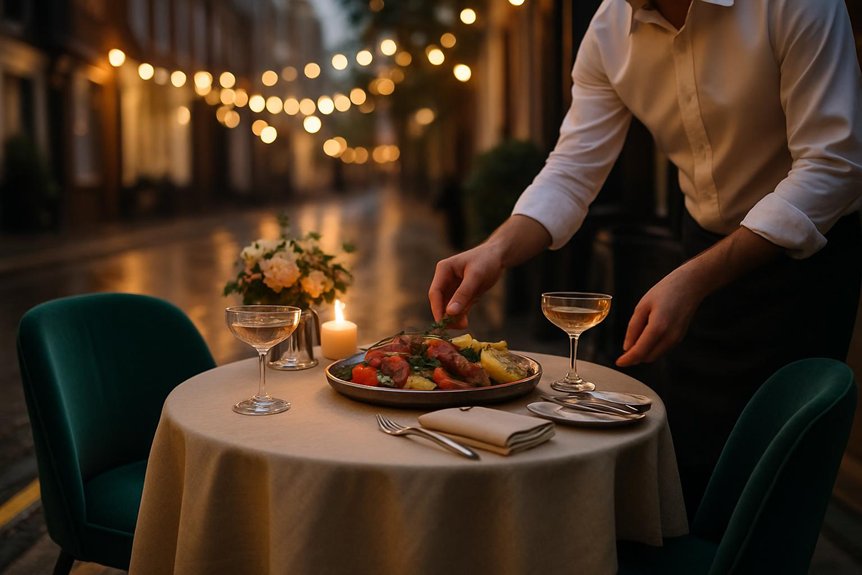
- Rain-slicked pavement, a doorperson remembers a name, a corner table appears as clocks strike nine.
Dress Codes Decoded
Timing and tact secure the booking; attire secures the welcome. London’s premier rooms publish dress code policies that quietly shape the evening.
Jackets are standard in heritage hotels; some request ties after 6 p.m. Contemporary Michelin venues lean smart-casual, banning shorts, sports caps, and logo-heavy sneakers. Denim may pass if dark and tailored.
Casual attire is safest only at daytime brasseries tied to luxury groups, and even there, polish matters.
Clarity comes from checking confirmation emails and restaurant FAQs; policies can shift with seasonal events. For unclear cases, guests can call discreetly or browse recent venue-tagged photos.
Parties should align to the strictest guideline in the group to avoid refusals at the door. When uncertain: closed shoes, long trousers, muted palette, minimal branding.
Fine-Dining Etiquette Essentials
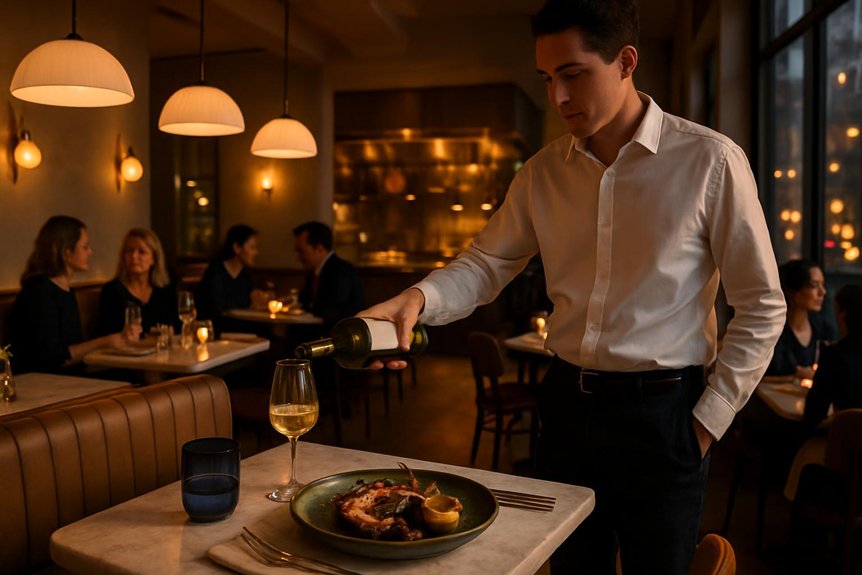
How does one glide from coveted reservation to a polished farewell without a misstep? The seasoned London diner starts weeks ahead, using concierge lines or booking portals at release times, then confirms 24 hours prior.
Arrival is punctual, coats are checked, phones silenced. Hosts appreciate concise dietary notes, not menu rewrites.
Seating cues guide napkin placement and poised table manners; cutlery moves from outside in, and conversation stays low.
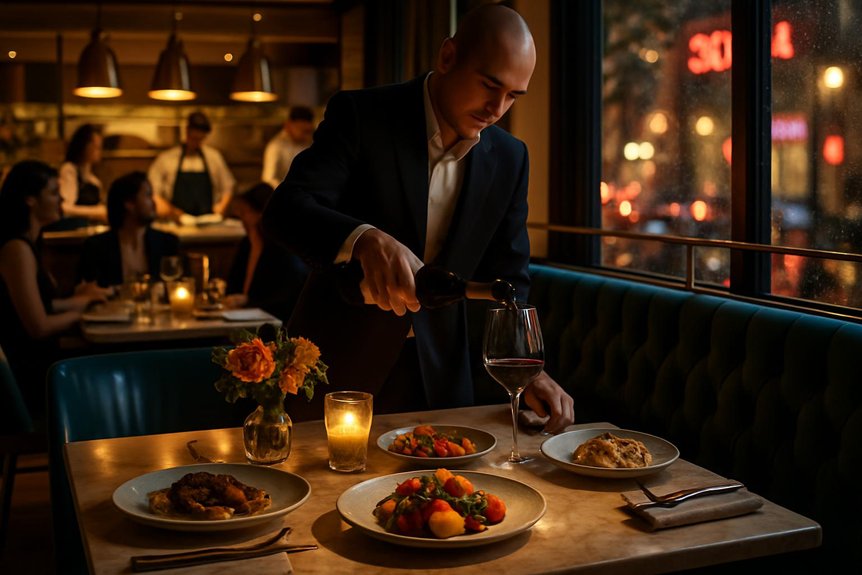
- Whispered cork approval, steady glassware, and restrained pours illustrate assured wine etiquette.
- Posture aligned, elbows tucked, and a tidy place setting signal respect for the brigade at work.
- A discreet card settles the bill; sincere thanks to staff complete the ritual.
Cancellations are timely, tipping reflects service, and departures are unhurried.
What to Order: Signature Dishes and Somm-Approved Pairings
When the menus lean toward theater as much as taste, the smartest move is to target the house signatures and let the sommelier steer the glassware. In London’s luxury rooms, ordering revolves around signature dishes and disciplined pairing techniques.
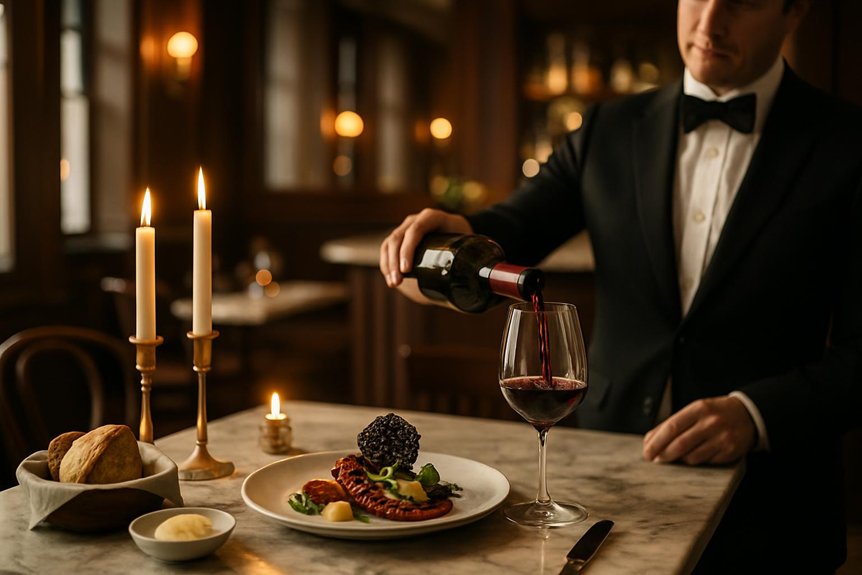
Tasting menus spotlight the kitchen’s voice: think aged beef with marrow-rich jus, native lobster with citrus butter, or truffled mushroom pithiviers.
The sommelier’s pairings lean precise—grower Champagne for saline starters, white Burgundy for buttered shellfish, mature Rioja or left-bank Bordeaux for roast game, and German Kabinett Riesling for spice-driven courses.
For contemporary seafood counters, lean into raw tuna or turbot à la plancha with mineral Chablis; at modern British temples, lamb with herb ash suits northern Rhône Syrah.
Finish with blue cheese and Sauternes or nutty Madeira.
Conclusion
In the end, London’s luxury dining reads like a symphony—each movement distinct yet harmoniously composed. From Michelin temples to sky-high salons, heritage halls to modern British ateliers, the city invites discernment and delight. With reservations secured, attire considered, and etiquette observed, guests savor craft, seasonality, and impeccable service. Pairings polish each plate, elevating moments into memories. Like light through a cut diamond, every angle reveals another brilliance—rewarding those who linger, listen, and taste with intent.